

 实景预览
实景预览
 发送
发送 分享
分享
 详情
详情 指南
指南

 下载图片
下载图片
 相似作品
相似作品 X射线
X射线 幻灯片播放
幻灯片播放 统计数据
统计数据LA MORT DE SENEQUE


 阅读全文
阅读全文
艺术微喷/版画
博物馆级艺术微喷或帆布版画,制作高效,并提供多种饰面选择。 ( 订购此收藏品的纯手工复刻画作 切换至数字图像销售渠道)




P118B ¥10

P118H ¥10

P118W ¥10

P438Z ¥10

P508JH ¥12

P508YH ¥12

P805H ¥10

P805Z ¥10

P919BZ ¥10

P919G ¥10

P919XJ ¥10

P959ZH ¥10

P968JZ ¥12

W106C ¥8

W218G ¥10

W218JH ¥8

W218Y ¥10

W307PJ ¥10

W316G ¥10

W316PJ ¥8

W316Y ¥10

W398PJ ¥8

W4111J ¥10

W500HY ¥15

W500JH ¥15

W692G ¥12

W849H ¥8

W940BG ¥15

W953PJ ¥8




您可以从与原作比例一致的预设尺寸中进行选择。

请输入您所需的宽度和高度,以适配您的画框或墙面。由于印刷品只能进行裁剪,无法超出原图尺寸,因此若比例不一致,画面的一部分将会被裁切。在正式印刷之前,我们会为您发送一份数字效果图供您确认。本页面显示的图片并非最终裁剪后的效果——只有效果图才能展示真实的裁剪情况。


 玻璃选项仅适用于110厘米以下的尺寸。

LA MORT DE SENEQUE
艺术微喷/版画
复刻品尺寸说明
-


总计金额
¥ 537
A Theatrical Descent into Stoic Silence
In the grand, sweeping tradition of the Neapolitan Baroque, Luca Giordano’s “La Mort de Sénèque” emerges not merely as a painting, but as a visceral theatrical performance captured in oil. The scene depicts one of antiquity's most poignant moments: the forced suicide of the Stoic philosopher Seneca the Younger, ordered by the Emperor Nero. Giordano, often celebrated as “Luca fa presto” for his incredible speed and prolific genius, manages to slow time within this canvas, freezing a moment of profound transition between life and death. The viewer is thrust into a crowded, intimate space where the air feels heavy with the weight of mortality and the solemnity of intellectual conviction.
The composition is a masterclass in Baroque dynamism. Rather than offering a detached, panoramic view, Giordano employs a tight, almost claustrophobic framing that pulls the observer into the inner circle of Seneca’s final moments. Diagonal lines, formed by the expressive limbs of onlookers and the heavy folds of luxurious drapery, act as visual guides, relentlessly directing the eye toward the central figure. Seneca himself is rendered with a palpable sense of fragility; his aged, pale form reclines upon cushions, serving as the quiet, still anchor amidst a sea of agitated movement. This tension between the stillness of the dying philosopher and the kinetic energy of those surrounding him creates a rhythmic pulse that keeps the eye wandering through the drama.
The Alchemy of Light and Shadow
To behold this work is to witness the transformative power of chiaroscuro. Giordano utilizes dramatic contrasts between deep, swallowing shadows and piercing highlights to sculpt the figures from the darkness. This interplay does more than provide three-dimensional depth; it functions as a psychological tool. Light emanates from unseen sources, illuminating Seneca’s weary face and the frantic gestures of his companions, casting much of the background into a mysterious gloom that mirrors the encroaching unknown of death. The highlights catch the sheen of skin, the texture of fabric, and the glint of scattered scrolls, adding a layer of tactile realism that is deeply immersive.
The color palette further enriches this emotional landscape. A symphony of warm, resonant tones—deep ochres, earthy browns, and blood-like reds—dominates the scene, evoking the heat of passion and the gravity of the historical tragedy. These are masterfully contrasted with sudden, cool accents of blue and green, which prevent the warmth from becoming stagnant and instead inject a sense of tension and vitality into the composition. Giordano’s brushwork, characterized by a certain fluid brilliance, allows for a variety of textures to emerge: the smooth, almost translucent skin of the elderly Seneca contrasts sharply with the heavy, rough impasto of the onlookers' garments, creating a sensory experience that transcends the visual.
A Legacy of Emotion and Intellectual Depth
Beyond its technical virtuosity, “La Mort de Sénèque” is an exploration of the human condition. The scattered books and scrolls surrounding the philosopher serve as silent witnesses to his life of thought, suggesting that while the body may perish, the intellect leaves a lasting imprint. The varied reactions of the crowd—ranging from profound grief to morbid curiosity—provide a mirror for the viewer’s own emotional response, making the piece deeply relatable across centuries. For the discerning collector or interior designer, this artwork offers more than just aesthetic grandeur; it provides a focal point of profound narrative depth.
Integrating a high-quality reproduction of such a masterpiece into a curated space brings with it an atmosphere of historical prestige and contemplative elegance. Whether placed in a library, a formal study, or a grand salon, Giordano’s work commands attention through its ability to evoke both awe and introspection. It is a piece that does not merely decorate a wall but breathes life into a room, inviting all who encounter it to reflect on the enduring strength of the human spirit in the face of inevitable fate.
问答详情
哪里可以买到卢本斯 的《LA MORT DE SENEQUE》的手绘复制品?
您可以在卢本斯 的《LA MORT DE SENEQUE》的手工油画复刻页面直接订购其手绘复制品:亚麻画布手工绘制油画复制品,按需定制。
“LA MORT DE SENEQUE”是用什么材质制作的?
《LA MORT DE SENEQUE》采用Oil On Canvas创作。
是否有面向学生的 卢本斯 的《LA MORT DE SENEQUE》 详情页?
针对 卢本斯 的《LA MORT DE SENEQUE》,我们提供了一个 指南 页面:这是一份可打印的艺术品资料页,专为学生及课堂教学使用而设计。
艺术家简介
Luca Giordano (1634-1705): Exploring the Vibrant Baroque Masterpiece
Luca Giordano, born in Naples on October 18, 1634, stands as one of Italy’s most celebrated and prolific painters of the late Baroque era. He wasn't merely a craftsman; he was an incandescent force—a whirlwind of creativity whose astonishing output fundamentally reshaped both artistic landscapes and architectural grandeur across Italy and Spain. His father, Antonio Giordano, instilled in him the initial foundations of his artistic education, yet it was under the tutelage of Jusepe de Ribera that Luca truly honed his distinctive style, forging an indelible connection between dramatic intensity and meticulous realism. This formative apprenticeship bequeathed a legacy of theatrical flair and painstaking detail—traits that would permeate Giordano’s oeuvre throughout his illustrious career. Even then, he earned the moniker “Luca fa presto”—Luca the quick one—a testament to his unparalleled speed and seemingly limitless energy; he possessed an uncanny ability to capture profound emotion and breathtaking spectacle with effortless grace.From Naples' Crucible to Rome's Artistic Heart
Giordano’s artistic journey commenced in Naples, where he absorbed the vibrant spirit of the city’s artistic milieu—a crucible of innovation fueled by papal patronage and a fervent devotion to religious iconography. He swiftly gained recognition for his prodigious talent, attracting commissions from influential families and ecclesiastical dignitaries alike. However, recognizing the need for broader exposure and intellectual stimulation, Giordano embarked on a transformative pilgrimage to Rome in 1682, seeking inspiration from the city’s artistic titans—Titian, Veronese, and Pietro da Cortona—who championed luminous color palettes and dynamic compositional strategies. This encounter profoundly impacted his stylistic sensibilities, propelling him toward a synthesis of realism and expressive dynamism that would characterize his subsequent works. He diligently studied the techniques employed by these masters, meticulously replicating their brushwork and mastering their mastery of illusionistic space—a decisive step in establishing his own artistic signature. During this period, he undertook significant fresco cycles, notably adorning the dome of the Corsini Chapel at the Chiesa del Carmine—a monumental undertaking that showcased his burgeoning virtuosity and cemented his reputation as one of Rome’s foremost artists.The Influence of Ribera: Drama and Realism Embodied
Jusepe de Ribera exerted a profound influence on Giordano's artistic development, shaping his stylistic preferences and fostering an unwavering commitment to dramatic realism. Like Ribera, Giordano prioritized conveying emotion through meticulous observation—capturing the nuances of human expression with unflinching honesty. He meticulously rendered figures in chiaroscuro—the interplay of light and shadow—creating a palpable sense of depth and psychological complexity—a technique inherited directly from Ribera’s groundbreaking approach. Furthermore, Giordano embraced Ribera's penchant for portraying subjects with visceral immediacy—capturing the physicality of human form with unflinching detail—reflecting Ribera’s unwavering dedication to capturing the essence of human experience. This stylistic convergence underscored the enduring power of artistic mentorship and demonstrated how a single teacher could shape an artist’s entire creative vision.A Synthesis of Venetian Luminosity: Embracing Color and Movement
Giordano's artistic sensibilities were further enriched by his engagement with Venetian painting—a tradition characterized by luminous color palettes and dynamic compositional strategies. He meticulously studied the works of Titian and Veronese, absorbing their mastery of pigment manipulation and their ability to evoke profound emotion through visual spectacle. Like Venetian painters, Giordano prioritized conveying movement—capturing fleeting gestures and expressions with remarkable fluidity—creating an impression of vibrant energy and theatrical dynamism. He skillfully blended Venetian luminosity with Ribera’s dramatic realism—a harmonious fusion that resulted in a distinctive stylistic hallmark—demonstrating his versatility as an artist and his willingness to embrace diverse influences. This approach allowed him to tackle a wide range of subjects – from religious narratives to mythological tales – with equal conviction and artistic finesse.Monumental Frescoes: Transforming Spaces into Living Tapestries
Luca Giordano’s legacy resides primarily in his monumental fresco cycles—works that fundamentally transformed architectural spaces into immersive visual experiences—engulfing viewers in worlds brimming with color, drama, and narrative complexity. He undertook ambitious projects across Italy and Spain, adorning palaces and churches alike with lavish frescoes celebrating divine majesty and commemorating historical events. His frescoes at Naples Cathedral exemplify this artistic ambition—a breathtaking display of decorative grandeur that captivated audiences for centuries. Similarly, his monumental cycle in the Palazzo Nuovo di Napoli showcases his mastery of illusionistic space and narrative storytelling—creating a captivating panorama that transports viewers back to the glories of the Baroque era. Giordano’s ability to seamlessly blend technical virtuosity with emotional depth ensured his place as one of Italy's most revered artists—a testament to his enduring influence on subsequent generations of painters. He died peacefully in Naples on January 3, 1705, leaving behind a vast artistic corpus that continues to inspire admiration and scholarly inquiry.Notable Works & Artistic Connections
- The Judgment of Paris (Berlin Museum): A quintessential example of Giordano’s mythological paintings—characterized by vibrant color palettes and dynamic compositional strategies.
- Christ with the Doctors in the Temple (Corsini Gallery, Rome): Demonstrates Giordano's skill in religious narrative and mastery of light and shadow—a technique rooted in Ribera’s pioneering approach.
- Frescoes in Naples Cathedral & Palazzo Nuovo: Monumental achievements transforming architectural spaces into immersive visual experiences—reflecting Venetian painting’s influence.
- Influences: Jusepe de Ribera, Titian, Veronese, Pietro da Cortona
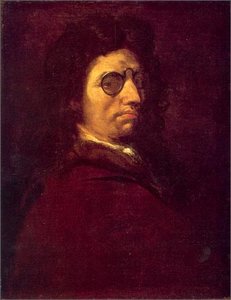
卢本斯
1634 - 1705 , 意大利
快速概览
- Artistic Movement Or Style: 巴洛克艺术风格
- Artists Or Movements Influenced By This Artist: ['帕奧洛·德·馬泰伊斯']
- Artists Who Influenced This Artist:
- 尤塞佩·德·里貝拉
- 提坦尼亞
- 維羅納斯
- Date Of Birth: 1634年10月18日
- Date Of Death: 1705年1月3日
- Full Name: Luca Giordano
- Nationality: 意大利人
- Notable Artworks:
- 巴黎審判畫作
- 基督與醫生畫作
- 佛羅倫薩和那不勒斯的壁畫
- Place Of Birth: 意大利那不勒斯
相关文章
Baroque vs. Rococo: A Definitive Guide to High-Drama Shadows and Golden Elegance
Explore the dramatic evolution from Baroque's intense chiaroscuro to Rococo's golden elegance. Our expert guide decodes the shift from high-drama shadows to playful, ornate grace for art enthusiasts and collectors seeking deep historical insight.
10 Iconic Baroque Masterpieces That Changed Art Forever
Step into the drama of the Baroque era. Explore 10 iconic masterpieces featuring dramatic chiaroscuro and legendary artists. Find inspiration for your space with museum-quality art reproductions and curated decor. Discover all masterpieces on OriginalUniqueArt.com.

巴洛克戏剧性:将辉煌与情感融入当代室内设计
探索巴洛克艺术的辉煌与奢华!OriginalUniqueArt提供精湛的手工油画复制、定制服务和专业艺术咨询,助您将经典作品融入当代室内设计,提升家居品味。投资艺术,传承价值。

Decoding Baroque Grandeur: A Guide to the Drama and Emotion of 17th-Century Art
Explore the breathtaking drama of 17th-century Baroque art. Our expert guide decodes the use of chiaroscuro, emotional intensity, and historical grandeur to help you appreciate and curate timeless masterpieces for your collection.
Luca Giordano: Neapolitan Baroque Master & His European Influence
Explore the life & works of Luca Giordano, the celebrated Neapolitan Baroque master. Discover his prolific fresco cycles, Roman commissions, and lasting influence on European art history. Learn more at OriginalUniqueArt.