
 实景预览
实景预览
 切换至版画销售渠道
 分享
分享 分享
分享
 详情
详情 指南
指南

 下载作品
下载作品
 相似作品
相似作品 X射线
X射线 幻灯片播放
幻灯片播放 Q&A
Q&A 统计数据
统计数据Apollo and Marsia


 展开全文
展开全文
获取远超网页预览效果的印刷级文件。我们销售的每一张数字图像均源自库存数据库中的高分辨率母版——宽度通常在 5,000 至 15,000 像素之间——因此您可以放心地进行大幅打印、局部裁剪或还原细腻的细节。
每一件作品在离开我们的工作室前都经过了精心的处理。数字影像专家会对照原作核对色彩,并在必要时进行校正,随后利用专业修图工具提升清晰度与细节表现——且始终忠实于艺术家的笔触与风格。最终呈现的图像宛如原作本身,而非仅仅是一张加了滤镜的扫描件。
您可以在最终定稿前进行审核:我们的专家将在 72 小时内通过电子邮件向您发送图像以供审阅。如果不满意?您可以要求改进或修正;若质量未达预期,亦可申请退款。
这也是出版商、设计工作室、画廊及印刷厂所信赖的品质。
每份数字图像订单均包含的内容
专业级数字交付,品质保障
选择 OriginalUniqueArt.com,您获得的不仅仅是一张图像——您收到的是经过专业级增强、精雕细琢的数字艺术作品,并享有满意保证。以下是您的订单中自动包含的所有内容:

邮件即时送达
您的高分辨率数字图像文件将在下单后 72 小时内通过电子邮件发送给您 —— 即可立即使用。

AI 增强型数字文件
您的艺术品经过专业优化,结合先进的 AI 技术与人工修饰,确保呈现极致的细节、清晰度与色彩准确度。

终身免费重发服务
不小心删除了文件或找不到了?没关系——我们将随时为您免费重发。

无需进口税费,始终如一
即刻拥有您的艺术作品,无需支付任何关税、税费或运费——数字下载始终免税。

色彩精准保障
我们通过专业工具与色彩管理技术,确保您的数字图像尽可能真实地还原原作色彩。

100天满意保证
如果您对所购数字图像不满意,我们将在100天内为您进行修改或提供100%的全额退款——无需任何理由。

100% 退款保证
不满意?在收到数字文件后的100天内,您可以申请全额退款——无需任何理由。

批量订购优惠
购买 3 张享 10% 折扣 - 购买 5 张享 15% 折扣 - 购买 10 张以上享 20% 折扣。非常适合创意项目、画廊及机构使用。
A Divine Confrontation: The Drama of Apollo and Marsyas
In the sweeping tradition of the Neapolitan Baroque, Luca Giordano captures a moment of profound mythological tension in his masterpiece, Apollo and Marsia. The canvas serves as a stage for a high-stakes celestial conflict, where the divine meets the mortal in a clash of musical prowess and devastating consequence. At the heart of this composition lies the harrowing story of the satyr Marsyas, who dared to challenge the god Apollo to a musical contest. Through Giordano’s masterful hand, we witness not just a myth, but a visceral exploration of pride, power, and the heavy price of hubris.
The scene is rendered with an intense chiaroscuro, where deep, velvety shadows collide with brilliant highlights to create a theatrical atmosphere that pulls the viewer into the struggle. The composition is masterfully dynamic, utilizing diagonal lines that guide the eye from the regal, poised figure of Apollo down to the prostrate and defeated form of Marsyas. This movement creates an inescapable sense of momentum, mirroring the unstoppable force of divine justice. As light spills across the figures, it emphasizes the muscular anatomy and the flowing drapery, lending a sculptural weight to the characters that makes their suffering feel tangibly real.
Technique and the Baroque Spirit
Giordano, often celebrated as "Luca fa presto" for his incredible speed and prolific talent, demonstrates here a sophisticated command of oil on canvas. The technique is characterized by a rich, painterly texture where visible brushstrokes contribute to the overall energy of the piece. While the artist’s early training under Jusepe de Ribera instilled in him a sense of dramatic tenebrism—the stark contrast between light and dark—Giordano infuses this work with a burgeoning luminosity. This balance between shadow and light prevents the scene from becoming purely somber, instead imbuing it with a vibrant, breathing vitality.
The color palette is dominated by deep, earthy tones that ground the mythological event in a sense of gravity, yet these are punctuated by luminous highlights on skin and fabric. This careful orchestration of color and light serves to heighten the emotional stakes; the brightness of Apollo’s presence stands in stark opposition to the darkening, more turbulent atmosphere surrounding the fallen Marsyas. For the collector or designer, this piece offers a profound sense of depth and movement, making it a commanding focal point that brings the sophisticated drama of 17th-century Italy into a contemporary space.
Symbolism and Emotional Resonance
Beyond the physical struggle, Apollo and Marsia is a profound meditation on the hierarchy of the universe. Apollo represents the ordered, divine intellect, while Marsyas embodies the raw, untamed impulses of nature. The presence of the musical instrument near the fallen figure serves as a poignant symbol of the contest that led to this moment of ruin. Every element of the painting—from the distressed expressions of the background figures to the heavy, atmospheric shadows—is designed to evoke a complex spectrum of emotions: tension, despair, and a haunting sense of pity.
For those seeking to adorn a space with art that speaks to the human condition, this reproduction offers more than mere decoration. It provides an opportunity to possess a fragment of Baroque history, a work that invites contemplation on the themes of ambition and fate. The painting’s ability to command attention through its intense emotionality and technical brilliance makes it an ideal selection for those who appreciate art that is both intellectually stimulating and visually breathtaking.
常见问题与解答
Baroque 流派的作品 "Apollo and Marsia" 源自哪个国家?
这件Baroque风格的作品《Apollo and Marsia》出自一位出生于意大利的艺术家之手。
哪里可以买到卢本斯 的《Apollo and Marsia》的手绘复制品?
您可以在卢本斯 的《Apollo and Marsia》的手工油画复刻页面直接订购其手绘复制品:亚麻画布手工油画复制品,按需定制。
卢本斯 的《Apollo and Marsia》 的色彩是鲜艳还是柔和?
卢本斯 的《Apollo and Marsia》 的色彩呈现出 Muted 的饱和度与 Monochromatic 的强度。
艺术家简介
Luca Giordano (1634-1705): Exploring the Vibrant Baroque Masterpiece
Luca Giordano, born in Naples on October 18, 1634, stands as one of Italy’s most celebrated and prolific painters of the late Baroque era. He wasn't merely a craftsman; he was an incandescent force—a whirlwind of creativity whose astonishing output fundamentally reshaped both artistic landscapes and architectural grandeur across Italy and Spain. His father, Antonio Giordano, instilled in him the initial foundations of his artistic education, yet it was under the tutelage of Jusepe de Ribera that Luca truly honed his distinctive style, forging an indelible connection between dramatic intensity and meticulous realism. This formative apprenticeship bequeathed a legacy of theatrical flair and painstaking detail—traits that would permeate Giordano’s oeuvre throughout his illustrious career. Even then, he earned the moniker “Luca fa presto”—Luca the quick one—a testament to his unparalleled speed and seemingly limitless energy; he possessed an uncanny ability to capture profound emotion and breathtaking spectacle with effortless grace.From Naples' Crucible to Rome's Artistic Heart
Giordano’s artistic journey commenced in Naples, where he absorbed the vibrant spirit of the city’s artistic milieu—a crucible of innovation fueled by papal patronage and a fervent devotion to religious iconography. He swiftly gained recognition for his prodigious talent, attracting commissions from influential families and ecclesiastical dignitaries alike. However, recognizing the need for broader exposure and intellectual stimulation, Giordano embarked on a transformative pilgrimage to Rome in 1682, seeking inspiration from the city’s artistic titans—Titian, Veronese, and Pietro da Cortona—who championed luminous color palettes and dynamic compositional strategies. This encounter profoundly impacted his stylistic sensibilities, propelling him toward a synthesis of realism and expressive dynamism that would characterize his subsequent works. He diligently studied the techniques employed by these masters, meticulously replicating their brushwork and mastering their mastery of illusionistic space—a decisive step in establishing his own artistic signature. During this period, he undertook significant fresco cycles, notably adorning the dome of the Corsini Chapel at the Chiesa del Carmine—a monumental undertaking that showcased his burgeoning virtuosity and cemented his reputation as one of Rome’s foremost artists.The Influence of Ribera: Drama and Realism Embodied
Jusepe de Ribera exerted a profound influence on Giordano's artistic development, shaping his stylistic preferences and fostering an unwavering commitment to dramatic realism. Like Ribera, Giordano prioritized conveying emotion through meticulous observation—capturing the nuances of human expression with unflinching honesty. He meticulously rendered figures in chiaroscuro—the interplay of light and shadow—creating a palpable sense of depth and psychological complexity—a technique inherited directly from Ribera’s groundbreaking approach. Furthermore, Giordano embraced Ribera's penchant for portraying subjects with visceral immediacy—capturing the physicality of human form with unflinching detail—reflecting Ribera’s unwavering dedication to capturing the essence of human experience. This stylistic convergence underscored the enduring power of artistic mentorship and demonstrated how a single teacher could shape an artist’s entire creative vision.A Synthesis of Venetian Luminosity: Embracing Color and Movement
Giordano's artistic sensibilities were further enriched by his engagement with Venetian painting—a tradition characterized by luminous color palettes and dynamic compositional strategies. He meticulously studied the works of Titian and Veronese, absorbing their mastery of pigment manipulation and their ability to evoke profound emotion through visual spectacle. Like Venetian painters, Giordano prioritized conveying movement—capturing fleeting gestures and expressions with remarkable fluidity—creating an impression of vibrant energy and theatrical dynamism. He skillfully blended Venetian luminosity with Ribera’s dramatic realism—a harmonious fusion that resulted in a distinctive stylistic hallmark—demonstrating his versatility as an artist and his willingness to embrace diverse influences. This approach allowed him to tackle a wide range of subjects – from religious narratives to mythological tales – with equal conviction and artistic finesse.Monumental Frescoes: Transforming Spaces into Living Tapestries
Luca Giordano’s legacy resides primarily in his monumental fresco cycles—works that fundamentally transformed architectural spaces into immersive visual experiences—engulfing viewers in worlds brimming with color, drama, and narrative complexity. He undertook ambitious projects across Italy and Spain, adorning palaces and churches alike with lavish frescoes celebrating divine majesty and commemorating historical events. His frescoes at Naples Cathedral exemplify this artistic ambition—a breathtaking display of decorative grandeur that captivated audiences for centuries. Similarly, his monumental cycle in the Palazzo Nuovo di Napoli showcases his mastery of illusionistic space and narrative storytelling—creating a captivating panorama that transports viewers back to the glories of the Baroque era. Giordano’s ability to seamlessly blend technical virtuosity with emotional depth ensured his place as one of Italy's most revered artists—a testament to his enduring influence on subsequent generations of painters. He died peacefully in Naples on January 3, 1705, leaving behind a vast artistic corpus that continues to inspire admiration and scholarly inquiry.Notable Works & Artistic Connections
- The Judgment of Paris (Berlin Museum): A quintessential example of Giordano’s mythological paintings—characterized by vibrant color palettes and dynamic compositional strategies.
- Christ with the Doctors in the Temple (Corsini Gallery, Rome): Demonstrates Giordano's skill in religious narrative and mastery of light and shadow—a technique rooted in Ribera’s pioneering approach.
- Frescoes in Naples Cathedral & Palazzo Nuovo: Monumental achievements transforming architectural spaces into immersive visual experiences—reflecting Venetian painting’s influence.
- Influences: Jusepe de Ribera, Titian, Veronese, Pietro da Cortona
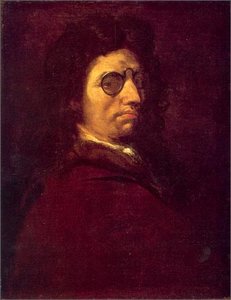
卢本斯
1634 - 1705 , 意大利
基本信息
- Artistic Movement Or Style: 巴洛克艺术风格
- Artists Or Movements Influenced By This Artist: ['帕奧洛·德·馬泰伊斯']
- Artists Who Influenced This Artist:
- 尤塞佩·德·里貝拉
- 提坦尼亞
- 維羅納斯
- Date Of Birth: 1634年10月18日
- Date Of Death: 1705年1月3日
- Full Name: Luca Giordano
- Nationality: 意大利人
- Notable Artworks:
- 巴黎審判畫作
- 基督與醫生畫作
- 佛羅倫薩和那不勒斯的壁畫
- Place Of Birth: 意大利那不勒斯