
 发送
发送 分享
分享
 详情
详情 指南
指南

 下载图片
下载图片
 相似作品
相似作品 幻灯片播放
幻灯片播放 统计数据
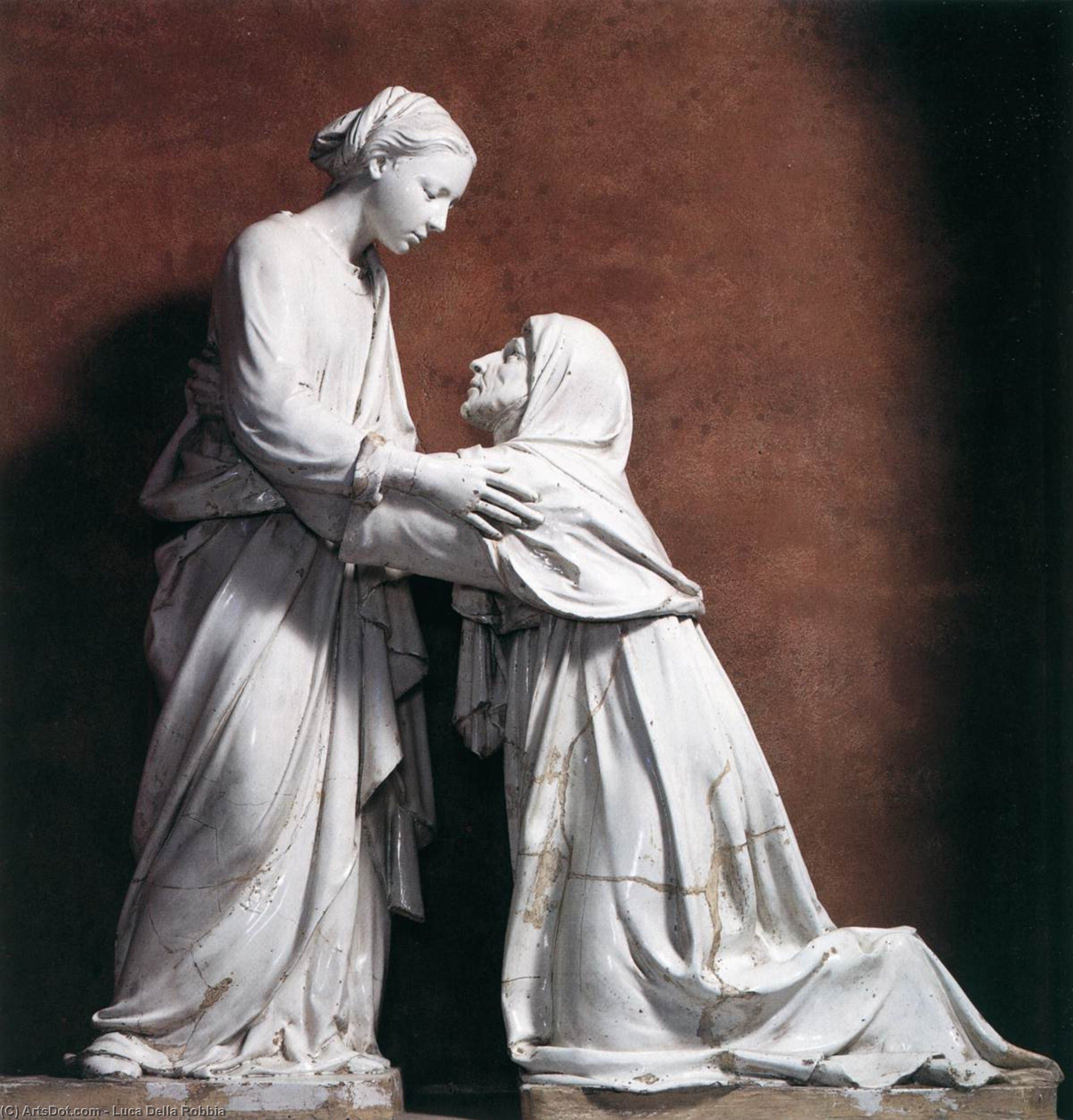
统计数据Visitation
 Ceramics
- Early Renaissance Sculpture
 1445
1445- Renaissance
 184.0 x 153.0 cm
 San Giovanni Fuorcivitas
 阅读全文
阅读全文
手工油画复制品
由我们的艺术家按需定制,为您提供您所选尺寸及画框的布面手工油画。 ( 切换至版画销售渠道 切换至数字图像销售渠道)




































您可以从与原作比例一致的预设尺寸中进行选择。

请输入您需要的宽度和高度,以适配您的画框或墙面。由于作品为手工绘制,若您选择不同的尺寸比例,艺术家可能会在画面边缘多画一些或稍作裁剪 —— 由您决定。在开始绘画之前,我们会为您发送一份数字效果图供您确认。本页面上展示的图片并非最终实物 —— 只有效果图才能反映真实结果。
下单后,OriginalUniqueArt.com 团队将通过电子邮件联系客户获取具体要求,并提供效果预览图


 玻璃选项仅适用于110厘米以下的尺寸。

Visitation
复制品材质
复刻品尺寸说明
-


总计金额
¥ 2183
Luca della Robbia’s ‘Visitation’: A Testament to Florentine Grace
“Visitation,” dating back to 1445 and attributed to the masterful Luca della Robbia, offers a profound glimpse into the heart of Renaissance devotional art. This exquisite terracotta sculpture, measuring 184 x 153 cm, transcends mere representation; it embodies a moment of serene intimacy, capturing the essence of Mary’s visit to Elizabeth with an unparalleled sensitivity and technical brilliance. The scene unfolds with two figures – one kneeling in quiet contemplation, the other gently supporting her head – creating a tableau that speaks volumes about compassion, faith, and the profound connection between mother and child.
The Art of Terracotta: Della Robbia’s Innovation
Luca della Robbia's genius lay in his pioneering use of glazed terracotta. This technique, perfected over decades, involved meticulously molding clay into intricate forms, firing them within a kiln to achieve a durable structure, and then applying a vibrant glaze – typically in shades of white and cream – that created surfaces of remarkable smoothness and luminosity. The resulting effect is both tactile and visually arresting; the subtle variations in tone across the sculpture’s surface suggest depth and form, while the glazed finish imparts an ethereal quality, reminiscent of marble but with a uniquely warm character. Della Robbia's mastery was not merely technical; it was deeply rooted in humanist ideals, reflecting a desire to capture human emotion and beauty through a refined and accessible medium.
A Renaissance Narrative: Symbolism and Emotion
The composition of “Visitation” is laden with symbolic meaning. The gesture of support – the standing figure gently holding the kneeling woman’s head – represents divine grace, maternal compassion, and the unwavering loyalty between Mary and Elizabeth. The shallow perspective draws the viewer into the immediate interaction, emphasizing the tenderness and empathy that permeate the scene. Della Robbia's skill lies in his ability to translate complex religious narratives into emotionally resonant forms. The muted reddish-brown background further enhances the figures’ luminosity, directing our attention to their expressions of quiet reverence and profound connection. This work is a powerful testament to the Renaissance fascination with human emotion and its representation within sacred contexts.
Historical Context and Artistic Influence
Created in 1445, “Visitation” reflects the artistic climate of Florence during the early Renaissance. Luca della Robbia’s work builds upon the legacy of masters like Donatello and Ghiberti, yet he forged his own distinctive style – characterized by its refined elegance, graceful poses, and a profound understanding of human anatomy. His influence extended far beyond Florence, shaping terracotta sculpture traditions throughout Italy. This piece stands as a crucial example of della Robbia’s contribution to the development of Renaissance art, demonstrating his ability to synthesize classical ideals with humanist concerns and create works of enduring beauty and spiritual significance.
问答详情
我能查看卢卡·德拉·罗比亚 的《Visitation》的X光影像吗?
卢卡·德拉·罗比亚 的《Visitation》 的 X射线检测 页面是一个交互式查看器,您可以通过它逐层滑动浏览作品图像的十一层光学图层,其中还包含 X 光风格的视图。
卢卡·德拉·罗比亚 的《Visitation》 为室内空间增添了怎样的氛围?
凭借其Romantic的意境,建议将“Visitation”装饰于Living Room。
针对 卢卡·德拉·罗比亚 的《Visitation》,建议采用怎样的打印尺寸与方向?
对于“Visitation”,建议的打印设置尺寸为 Large,方向为 Square。
艺术家简介
釉彩陶艺的大师:卢卡·德拉·罗比亚的生平与传奇
在佛罗伦萨文艺复兴的核心时期,那是一个古典理想重生、追求解剖学完美的时代,卢卡·德拉·罗比亚(Luca della Robbia)作为一位远见卓识的艺术家脱颖而出,彻底改变了雕塑艺术的媒介。当他的同辈们往往在沉重永恒的大理石或闪耀尊贵的青铜中寻求荣耀时,卢卡却在质朴的泥土中发现了一种深邃而明亮的美感。他的生命跨越了139sst9年至1482年,致力于完善锡釉赤陶技艺——这一技法不仅定义了他的个人艺术遗产,也为意大利的宗教与城市景观注入了充满活力且绚丽夺目的色彩。
卢卡出生于佛罗伦萨一个技艺精湛的匠人家族,早年生活浸润在佛罗伦萨工作坊严谨的传统之中。尽管他成长时期的许多细节仍笼罩在历史的迷雾中,但他的艺术基因无疑受到了那个时代巨匠的影响。他与多纳泰罗(Donatello)和吉贝尔蒂(Ghiberti)活跃于相同的知识与创意圈层,吸收了当时蓬勃发展的人文主义精神,这种精神力求将基督教的虔诚与古典时代的优雅融为一体。早期的艺术交往,尤其是参与佛罗伦萨洗礼堂那些宏伟项目的经历,让他亲眼见证了自然主义的演进——即一种捕捉人类情感细微差别与生命细腻质感的艺术运动。
色彩与黏土的革新
卢卡·德拉·罗比亚真正的天才之处,在于他能够在一种此前被认为次于石雕的媒介中实现创新。通过开发一种特殊的锡釉技术,他实现了一种灿烂且耐候性强的饰面,从而创造出令人惊叹的白蓝配色方案。这种技法通常被称为德拉·罗比亚(della Robbia)陶器,为雕塑浮雕带来了前所未有的光泽感。不同于大理石那种单色调的肃穆,卢卡的作品拥有一种神圣的天光,这使得它们成为教堂祭坛与回廊的理想装饰,因为在这些空间里,光线在精神冥想中扮演着至关重要的角色。
他的技术造诣使他能够架起纯艺术与卓越装饰艺术之间的桥梁。这一过程需要对化学成分和窑炉温度有极其深刻的理解,以确保釉料能完美地附着在黏土上,既不产生裂纹也不会失去光泽。这种创新对艺术的普及产生了深远影响;大理石雕塑往往仅限于最顶级的委任创作,而卢卡的锡釉赤陶却可以实现一定程度的标准化卓越生产,使得他的审美风格能够渗透到宏伟的大教堂以及更小巧、更私密的虔诚礼拜空间之中。
虔诚的愿景:主题与成就
卢卡作品的主题深深植根于15世纪(Quattrocento)的宗教热忱之中。他的雕塑如同视觉上的布道,旨在唤起人们内心的温柔、虔诚与敬畏。通过他的双手,基督教传统中最神圣的人物形象被赋予了一种人性化的温暖,引起了信徒们深切的情感共鸣。
他艺术生涯中的显著亮点包括:
- 耶稣诞生:完成于1460年左右的杰作,展示了他将文艺复兴构图的宏伟规模与神圣家族亲密、温柔的描绘完美融合的能力。
- 圣母与圣婴:他针对这一主题进行的多次创作,展现了对“甜美”风格的掌控,通过柔和的面部特征和优雅飘逸的衣褶,使神性变得触手可及。
- 浮雕镶板:他擅长利用赤陶的平面来创造深度与叙事动感,作品边缘常装饰着错综复杂的果实与叶片花环,这已成为其工作室标志性的艺术风格。
除了个人技术上的胜利,卢卡·德拉·罗比亚的历史意义更在于建立了一个持久的艺术王朝。他的工作坊成为了佛罗伦萨工艺精神的灯塔,影响了整个欧洲一代又一代的雕塑家与装饰艺术家。通过将赤陶从一种实用媒介提升为一种高级艺术形式,他扩展了文艺复兴的艺术语言,确保了他那闪耀着釉彩的泥土之美,在巨匠时代远去之后,依然能长久地绽放光芒。

卢卡·德拉·罗比亚
1399 - 1482 , 意大利
快速概览
- Artistic Movement Or Style: 文艺复兴雕塑
- Artists Or Movements Influenced By This Artist:
- Andrea della Robbia
- Giovanni della Robbia
- Artists Who Influenced This Artist:
- Donatello
- Ghiberti
- Date Of Birth: 意大利佛罗伦萨 (1399)
- Date Of Death: 1482
- Full Name: Luca della Robbia
- Nationality: 意大利
- Notable Artworks:
- 耶稣降生
- 圣母与圣子
- Place Of Birth: 佛罗伦萨
相关文章

Luca della Robbia: Renaissance Sculpture & the Innovation of Terracotta Glazing
Discover the innovative terracotta glazing techniques of Luca della Robbia, a Renaissance master sculptor. Explore his iconic works, legacy, and collecting tips with OriginalUniqueArt.

Bronze Sculptures That Defined Art History | OriginalUniqueArt
Journey through art history with our Top 10 bronze sculptures! Explore masterpieces by Rodin, Michelangelo & more. Discover stories behind iconic statues and find museum-quality reproductions for your home decor at OriginalUniqueArt.com.

The Enduring Form: Exploring Themes & Techniques in Sculpture Across Historical Periods
Explore the rich history of sculpture from ancient masterpieces to contemporary innovations. Discover key techniques, influential artists & investment potential for discerning art collectors.

Bronze Age to Modern Masters: 10 Sculptures That Redefined Art | OriginalUniqueArt
Journey through art history with 10 legendary bronze sculptures – from Michelangelo's David to Rodin’s Thinker. Explore the stories, techniques & timeless beauty of these masterpieces. Find museum-quality reproductions & elevate your home decor on OriginalUniqueArt.com.

高檔藝術品複製技術:Giclée微噴的檔案品質與鑑賞細節
深入了解Giclée微噴技術:檔案品質、色彩還原的專業解析。探索高檔藝術品複製的細節與保存技巧,為您的收藏提供博物館級別的選擇。專家指導,確保完美呈現原作神韻。