

 效果预览
效果预览
 购买手绘画作
 分享
分享 分享
分享
 详情
详情

 下载
下载
 相似作品
相似作品 X射线
X射线 幻灯片播放
幻灯片播放Clara Pater
 Oil On Canvas
- WallArt
- Academic Realism
 1860
1860 80.0 x 62.0 cm
 Somerville College
 展开详情
展开详情




P118B $10

P118H $10

P118W $10

P438Z $10

P508JH $12

P508YH $12

P805H $10

P805Z $10

P919BZ $10

P919G $10

P919XJ $10

P959ZH $10

P968JZ $12

W106C $8

W218G $10

W218JH $8

W218Y $10

W307PJ $10

W316G $10

W316PJ $8

W316Y $10

W398PJ $8

W4111J $10

W500HY $15

W500JH $15

W692G $12

W849H $8

W940BG $15

W953PJ $8




从与原作比例一致的预设尺寸中进行选择。

您可以输入自定义尺寸,以适配特定的画框或空间。如果您选择的尺寸与原图比例不符,我们将对作品进行裁剪,或通过镜像填充/纯色填充边缘的方式来扩展图像。在开始制作之前,我们会向您发送一份数字效果图供您确认。
请注意,屏幕上的预览并不能反映实际的裁剪或扩展效果。只有效果图才能准确展示最终的构图。
虽然我们提供定制尺寸,但为了保持原图比例,我们建议您从预设列表中选择尺寸。


 玻璃选项仅适用于110厘米以下的尺寸。

Clara Pater
艺术微喷/版画
复制品尺寸
-


最终总价
$ 80
藏品详情
Clara Pater: A Study in Victorian Dignity
Lowes Cato Dickinson’s portrait of Clara Pater stands as a quintessential emblem of late 19th-century artistic sensibility—a testament to the Pre-Raphaelites' fascination with capturing inner life and conveying moral seriousness. Painted in 1860, this oil on canvas masterpiece resides within Somerville College, Oxford, offering viewers an intimate glimpse into a period defined by intellectual debate and burgeoning feminist aspirations. Dickinson’s meticulous approach to composition and execution speaks volumes about his commitment to academic realism, prioritizing accuracy of form and subtle tonal gradations over flamboyant embellishment.- Composition: The portrait is centered around Clara Pater's face and upper body, seated posture immediately establishing a formal demeanor indicative of Victorian social conventions. Dickinson skillfully employs lines—defining the folds of her gown and delineating contours of her visage—to sculpt volume and texture, guiding the eye towards the subject’s gaze.
- Style: Dickinson adheres to the tenets of academic realism, mirroring the stylistic preferences championed by luminaries like Ruskin and Rossetti. The artist's aim was not merely to depict Clara Pater visually but to convey her character—her quiet dignity and contemplative spirit—through careful observation and artistic rendering.
- Technique: Dickinson’s technique involves layering paint in thin glazes, building up texture and form with painstaking detail. This method allows for nuanced tonal variations that imbue the canvas with depth and luminosity, capturing the soft diffused light that illuminates Clara Pater's features. The artist’s brushwork is particularly evident in the fabric of her gown—a rich tapestry of color and sheen—demonstrating a mastery of pigment manipulation.
Symbolism: Jewelry and Remembrance
Beyond its formal aesthetic qualities, Clara Pater embodies symbolic elements characteristic of Victorian art. The necklace adorning Clara’s neck represents wealth and status—a visible marker of her familial background and social standing—reflecting the societal pressures surrounding women's roles during this era. Simultaneously, the floral arrangement positioned behind Clara serves as a poignant gesture of remembrance, hinting at themes of beauty and mourning—perhaps referencing memories of loved ones or reflecting upon the passage of time. Dickinson’s deliberate inclusion of these symbolic motifs underscores his belief that art possesses the capacity to communicate profound emotional truths beyond mere visual representation.Historical Context: The Pre-Raphaelite Ideal
Dickinson's Clara Pater is firmly rooted in the artistic landscape of the Pre-Raphaelites, a movement dedicated to reviving medieval artistic ideals and rejecting the perceived artificiality of academic art. Influenced by Ruskin’s moral philosophy—particularly his critique of Victorian materialism—the Pre-Raphaelites sought to infuse their paintings with spiritual depth and psychological insight. Dickinson's stylistic choices—his emphasis on tonal subtlety, meticulous detail, and symbolic resonance—align seamlessly with this broader artistic ethos, reflecting a desire to elevate art beyond mere decorative function into a vehicle for conveying moral contemplation and aesthetic beauty.Emotional Impact: Quiet Dignity and Restrained Emotion
Ultimately, Clara Pater resonates with an enduring emotional tone—one of quiet dignity and restrained emotion—a hallmark of Victorian portraiture. Dickinson’s masterful depiction captures the essence of his subject's inner life—her contemplative gaze and serene composure—suggesting a profound awareness of beauty and moral responsibility. The painting invites viewers to contemplate themes of femininity, intellectuality, and remembrance, prompting reflection on the values cherished by Victorian society and celebrating the enduring power of art to communicate timeless truths about human experience.艺术家简介
洛威斯·卡托·狄金森的一生:维多利亚时代的肖像画世界
洛威斯·卡托·狄金森,1819年出生于伦敦基尔本区,是深深融入维多利亚时代艺术和社会潮流的人物。他出身于一个与艺术界紧密相连的家庭——他的父亲约瑟夫·狄金森是一位受人尊敬的版画家和邦德街的出版商,这似乎预示了他的道路。然而,他的旅程并非仅仅是继承,而是积极参与那个时代不断演变的审美情趣和进步社会运动的过程。作为十一个兄弟姐妹之一,他在托普夏姆学校和图廷的洛德博士学校接受了早期教育,为他打下了坚实的基础,然后在父亲去世后完全融入家族企业。随后,他与他的兄弟吉尔伯特·贝尔·狄金森和威廉·罗伯特·狄金森联手,继续在邦德街延续狄金森兄弟的遗产,这家公司迅速成为优质艺术出版和摄影的代名词。这种早期的接触不仅仅是商业;它是一种视觉文化的学徒生涯,塑造了他对细节和构图的敏锐观察力——这些品质将定义他后来的肖像画作品。前拉斐尔派圈子与社会改革的呼唤
狄金森的艺术发展在1850年左右前往意大利的三次旅行中发生了重大转变。这段时期对他来说是具有形成意义的,让他接触到文艺复兴时期的杰作,并影响了他不断演变的风格。回到英国后,他发现自己被前拉斐尔派兄弟会的轨道所吸引。虽然不是正式成员,狄金森与关键人物如丹特·加布里埃尔·罗塞蒂和约翰·罗斯金保持通信和合作,吸收了他们对自然真实性和情感强度的强调。他还与他们一起讲课,巩固了他在这个有影响力的艺术环境中的地位。这种联系并非纯粹是美学的;它交织着日益增长的社会责任感。狄金森深深参与到基督教社会主义运动中,该运动倡导通过信仰的视角实现社会公正。他的承诺最具体地体现在1854年与共同创立伦敦工人学院上。这座机构致力于为工薪阶级个人提供可及教育,证明了他对知识变革力量的信念以及他弥合社会差距的愿望。福特·马多克斯·布朗曾为狄金森兄弟工作,进一步强调了他与这个充满活力艺术和智识网络之间的联系。维多利亚社会肖像画家
洛威斯·卡托·狄金森在维多利亚时代雕刻出了一位备受追捧的肖像画家的地位。他的技巧不在于宏大的历史叙事或戏剧性的寓言,而在于捕捉他所描绘的人物——塑造英国社会的杰出人物的本质。他甚至为维多利亚女王本人画像,还画了议会成员、领先科学家如阿瑟·凯利和詹姆斯·克拉克·麦克斯韦,以及热忱的基督教社会主义者如查尔斯·金斯利和托马斯·休斯。 他发展出一种非凡的技术,经常专注于用一丝不苟的细节描绘他的人物面孔,将服装和配饰的描绘交给其他艺术家。这种协作方式让他能够集中精力通过细微的面部表情和微妙的阴影来传达个性和特征。 也许是他最著名的成就之一是1868年为格拉德斯顿先生在唐宁街10号内阁会议室拍摄的内阁肖像——这项工作提供了对英国政治内部运作的迷人一瞥。 他还因其独特的创作逝后肖像的能力而闻名,熟练地从照片或描述中重建相似之处,确保记忆超越了物质存在。遗产与持久影响
洛威斯·卡托·狄金森的影响远远超出了他用面孔填满的画布。他的作品在伦敦国家肖像画廊显著展出,证明了他对英国肖像画做出的重大贡献。工人学院继续通过年度洛威斯·狄金森奖来纪念他的记忆,该艺术奖项表彰学生的卓越表现。 此外,他的孩子们以他的名义设立了一个旅行奖,为艺术探索和成长创造了机会。 他在普林斯顿、牛津和剑桥大学精心保存的论文是研究维多利亚时代艺术、社会历史以及信仰与改革交叉点的学者不可估价的资源。狄金森的生活体现了艺术才华、社会良知和智识好奇心的迷人融合。他不仅仅是一位肖像画家;他是那个时代的编年史家——一位视觉历史学家,捕捉了一个既有进步又有深刻社会挑战的时代精神。他的遗产不仅体现在他创作的图像中,还体现在他帮助建立的机构中,继续以其对教育、社会公正和艺术力量的承诺激励着一代又一代人。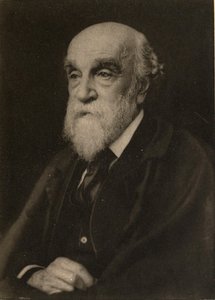
洛厄斯·凯托·迪金森 (Luò'Ěsī Kǎituō Dījīnshēn)
1819 - 1908
艺术家简介
- Artistic Movement Or Style: 前拉斐尔派, 写实主义
- Artists Or Movements Influenced By This Artist: ['基督教社会主义']
- Artists Who Influenced This Artist:
- 约翰·罗斯金
- 丹特·加布里埃尔·罗塞蒂
- Date Of Birth: 1819年11月27日
- Date Of Death: 1908年
- Full Name: 洛厄斯·凯托·迪金森
- Nationality: 英国国籍
- Notable Artworks:
- 格莱斯顿内阁(1868)
- 洛厄斯·迪金森
- Place Of Birth (City And Country): 英国,基尔本
相关文章

The Enduring Legacy of Oil on Canvas: Technique, History & Aesthetic Impact
Explore the rich history & techniques of oil painting – from Renaissance masters to Impressionism. Discover pigments, layering methods, and why this timeless medium endures. Expert insights for artists & art enthusiasts.
19th Century Masterpieces: 10 Paintings That Defined an Era | OriginalUniqueArt
Journey through 19th century art with OriginalUniqueArt! Explore 10 iconic paintings – from Monet & Renoir to Courbet – and discover the stories behind Romanticism, Realism & Impressionism. Find museum-quality reproductions for your home decor. Explore the full collection online!

Oil on Canvas: A Historical & Technical Exploration of a Timeless Artistic Medium
Explore the rich history & enduring techniques of oil painting on canvas. Discover the science behind its longevity, conservation practices, and contemporary relevance. Expert insights for art enthusiasts.

The Enduring Power of Painting: A Historical & Contemporary Exploration of Form and Emotion
Explore the rich history & enduring techniques of oil painting with OriginalUniqueArt. Discover masterpieces, learn about art collecting, and find authentic handmade reproductions crafted by skilled artists.

The Timeless Charm of Oil on Board: Reimagining Texture and Light through the Impressionist Lens
Discover the profound intimacy of oil on panel. Explore how Impressionist masters used rigid supports to capture light, texture, and impasto depth through exquisite, handmade oil reproductions for discerning collectors.



