
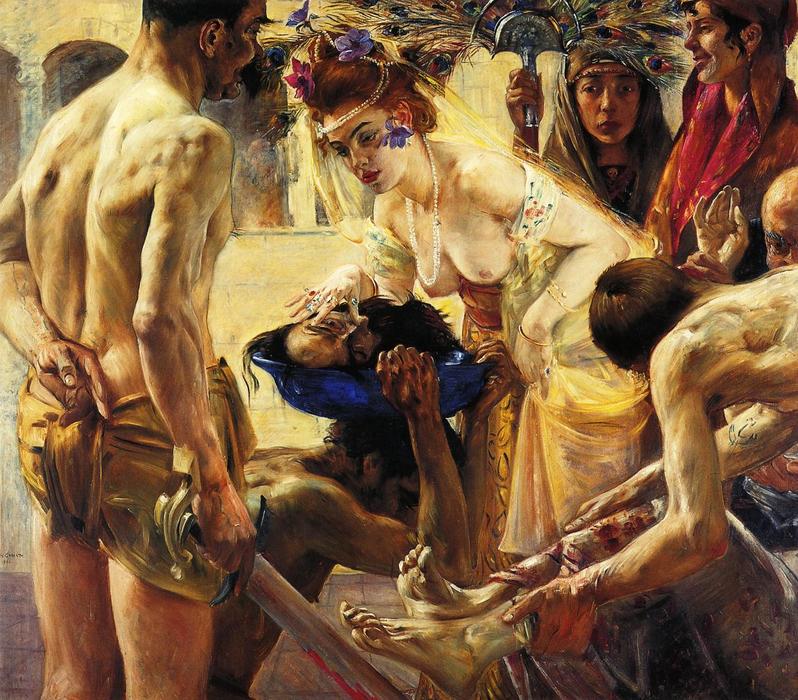
 Preview
 定制手绘复刻品
 分享
分享 分享
分享
 详情
详情

 下载
下载
 相似作品
相似作品 X射线
X射线 幻灯片播放
幻灯片播放Salome, Second Version
 Acrylic On Canvas
- WallArt
- Berlin Secession
 1900
1900- 19th Century
 127.0 x 148.0 cm
 莱比锡美术馆
 展开详情
展开详情




P118B $10

P118H $10

P118W $10

P438Z $10

P508JH $12

P508YH $12

P805H $10

P805Z $10

P919BZ $10

P919G $10

P919XJ $10

P959ZH $10

P968JZ $12

W106C $8

W218G $10

W218JH $8

W218Y $10

W307PJ $10

W316G $10

W316PJ $8

W316Y $10

W398PJ $8

W4111J $10

W500HY $15

W500JH $15

W692G $12

W849H $8

W940BG $15

W953PJ $8




从与原作比例一致的预设尺寸中进行选择。

您可以输入自定义尺寸,以适配特定的画框或空间。如果您选择的尺寸与原图比例不符,我们将对作品进行裁剪,或通过镜像填充/纯色填充边缘的方式来扩展图像。在开始制作之前,我们会向您发送一份数字效果图供您确认。
请注意,屏幕上的预览并不能反映实际的裁剪或扩展效果。只有效果图才能准确展示最终的构图。
虽然我们提供定制尺寸,但为了保持原图比例,我们建议您从预设列表中选择尺寸。


 玻璃选项仅适用于110厘米以下的尺寸。

Salome, Second Version
艺术微喷/版画
复制品尺寸
-


最终总价
-
藏品详情
A Descent into Shadow and Desire: Lovis Corinth’s ‘Salome, Second Version’
Lovis Corinth's “Salome, Second Version,” painted in 1900, isn’t merely a depiction of the biblical tale; it’s a visceral exploration of power, betrayal, and the unsettling allure of darkness. This arresting canvas, currently residing within the Museum der Bildenden Künste in Leipzig, immediately commands attention with its dramatic composition and intensely expressive palette. Corinth, a pivotal figure bridging Impressionism and Expressionism, masterfully eschews traditional romanticism, instead presenting a Salome far removed from the idealized figures of earlier portrayals. Instead of a passive object of desire, she emerges as a complex, almost defiant presence – a woman caught in the throes of her own ambition and haunted by the consequences of her actions.
The painting’s genesis lies within the turbulent artistic landscape of early 20th-century Berlin. Corinth, having moved there from Munich, found himself at the heart of a vibrant, often contentious, art scene. The Secession group, with its emphasis on freedom and innovation, provided a fertile ground for his evolving style. “Salome” reflects this period’s fascination with psychological depth and emotional intensity – a departure from the polished surfaces of academic painting. Corinth deliberately chose to revisit the legend, not as a straightforward narrative illustration, but as an opportunity to delve into the character's inner turmoil and the moral ambiguity at the heart of the story.
The Dance and its Discontents: Technique and Composition
Corinth’s technique is immediately striking. He employs a bold, almost frenetic brushstroke – thick impasto applied with visible energy – that imbues the canvas with a sense of movement and urgency. The colors are rich and saturated, dominated by deep reds, purples, and blacks, creating an atmosphere of dramatic intensity. The composition itself is carefully constructed to draw the viewer into the scene. Salome, positioned centrally, dominates the foreground, her body tilted forward in a pose that suggests both vulnerability and calculated seduction. The figures surrounding her – the servant bearing the head, the watchful woman with the fan, and the shadowy men – are rendered with varying degrees of detail, contributing to the painting’s overall sense of unease and disorientation.
- Brushwork: Thick, expressive strokes create a dynamic and unsettling effect.
- Color Palette: Dominated by deep reds, purples, and blacks, evoking drama and shadow.
- Composition: Salome is centrally positioned, drawing the viewer's eye and emphasizing her role as the focal point of the scene.
Symbolism and Interpretation: A Portrait of Moral Ambiguity
Beyond the literal depiction of the biblical story, “Salome” is laden with symbolic meaning. The dance itself represents a dangerous allure – a seductive invitation to transgression. The severed head on the platter isn’t simply a gruesome trophy; it's a potent symbol of ambition and the destructive consequences of unchecked desire. Corinth deliberately avoids offering a clear moral judgment, instead presenting a complex portrait of a woman driven by both her own desires and the manipulative influence of her mother. The inclusion of the fan-bearing woman, often interpreted as Herodias, adds another layer of intrigue, suggesting a conspiracy at play – a deliberate orchestration of events that leads to John the Baptist’s demise.
Furthermore, the painting can be viewed through the lens of the burgeoning feminist movement of the time. Salome's defiant gaze and her unapologetic embrace of her sexuality challenged traditional notions of female virtue and presented a powerful image of female agency – albeit one ultimately consumed by tragedy. Corinth’s decision to portray her as a figure of both beauty and menace reflects the complex and often contradictory attitudes towards women in early 20th-century society.
Emotional Resonance: A Timeless Exploration of Human Darkness
“Salome, Second Version” continues to resonate with viewers today because it taps into fundamental human emotions – desire, betrayal, guilt, and the haunting awareness of our own mortality. Corinth’s masterful use of color, composition, and symbolism creates a painting that is both visually arresting and psychologically profound. It's not a comfortable image; it confronts us with the darker aspects of human nature and reminds us that even in moments of apparent beauty and pleasure, there can be a lurking sense of unease and impending doom. Reproductions of this powerful work offer a glimpse into Corinth’s artistic genius and provide an opportunity to contemplate the timeless themes explored within its shadowed depths.
艺术家简介
于色彩中锻造的一生:洛维斯·科林特的艺术世界
1858年7月21日,弗朗茨·海因利希·路易斯·科林特出生于普鲁士的东普鲁士省。他的一生,正是从19世纪向20世纪初艺术界剧烈转型时期的缩影。他的艺术之路并非一蹴而就的成名史,而是一场由不懈钻研、多元影响以及最终的个人悲剧所驱动的渐进式演变。科林特的生命底色植根于他出生地塔皮奥的乡村景观中,那里他的父亲从事着皮革鞣制工作。这种早期对体力劳动的触感以及自然原始之美的接触,即便在他后来进行更为复杂的风格探索时,也悄然渗透在他的作品之中。1876年,他开始在柯尼斯堡学院学习,但很快便意识到单纯的学院派传统无法满足他的艺术野心。随后的旅程带他走过了慕尼黑、安特卫型,并最终抵达巴黎——每一座城市都成为了他艺术成长过程中至关重要的阶梯。在慕尼黑,他吸收了路德维希·冯·勒夫茨所倡导的严谨写实主义,磨炼了观察力并掌握了技法;在安特卫普,鲁本斯那充满戏剧性的巴洛克式张力令他震撼;而在巴黎,尽管最初只是带着谨慎的审视而非全然的拥抱,他已然接触到了当时蓬勃发展的印象派运动。从自然主义到风格的融合
科林特的艺术发展并非由突如其来的革命所标志,而是一个逐渐吸收并融合多元影响的过程。他的早期作品深受自然主义影响,反映了当时的学院派主流标准。例如《屠宰场》(1878年)中对动物尸体毫不避讳的描绘,展现了他对写实表现的执着,然而即便是在这样的题材中,一种初生的情感强度已开始浮现。这种本身带有残酷与原始感的题材,暗示了他直面不安真相的勇气,而这一特质在他后期的作品中变得愈发显著。通过研习古典大师(尤其是鲁本斯),他培养了对动态构图和表现性笔触的热爱。然而,真正让他发生蜕变的是他对印象派的接触——尽管起初对此持怀疑态度。他并没有简单地照搬莫奈或雷诺阿那种破碎的色彩与转瞬即逝的光影效果,而是将这些元素融入到自己独特的视野中,创造出一种既有印象派活力、又带有鲜明德国感性的风格。这种融合最终使他成为了连接印象派与表现主义的桥梁,而正是这两大运动定义了20世纪初的艺术版图。肖像与风景的大师
尽管科林特在职业生涯中探索过多种题材——包括圣经场景和神话题材——但他最为人称道的或许还是他的肖像画与风景画。他的肖像创作不仅仅是为了捕捉外貌的相似性,更是一种试图穿透模特心理深处的尝试,通过细微的姿态、传神的眼神以及精心构思的构图,揭示人物的内心世界。他拥有一种惊人的能力,能以极简的笔触传递出深刻的人物性格与情感。同样地,他的风景画也不仅仅是对美景的描绘,更是对自然的一种情感回应。巴伐利亚阿尔卑斯山的瓦尔兴湖地区成为了他灵感的源泉,为他提供了丰富的母题,并在其晚年反复探索。这些作品以大胆的色彩、动态的笔触和一种原始的能量感为特征,反映了科林特本人与自然界之间那份充满激情的联结。他不追求田园诗般的平庸描绘,而是力求捕捉景观中那股未经驯服的力量与内在的戏剧性。核心作品及其意义
- 《屠宰场》(1878年): 一种极其写实的动物尸体描绘,展示了科林特早期的技法掌控力以及他直面不安题材的勇气。
- 《自画像》(不同年份): 一系列在每年生日时创作的自画像,生动地记录了艺术家自我认知的演变与艺术风格的变迁。这些作品展现了深刻的内省精神和对身份认同的大胆探索。
- 《戴帽子的半裸女性》(1906年): 展示了科林特将古典母题与印象派技法融合的能力,创造出一种感官性强且具有心理冲击力的肖像。
- 《瓦尔兴湖系列》(不同年份): 一组描绘巴伐利亚瓦尔兴湖地区的风景画,以其鲜艳的色彩、动态的笔触和情感强度为特征。这些作品代表了科林特成熟期最强有力且最具表现力的风格。
- 《最后的自画像》(1924年): 创作于去世前不久,这部作品是艺术家在面对身体逆境时展现出的韧性与不屈精神的凄美见证。它象征着其艺术旅程的巅峰,也是人类生命力的强大符号。

罗维斯·科林斯
1858 - 1925 , 荷兰
艺术家简介
- Artistic Movement Or Style: 印象主義與表現主義
- Artists Or Movements Influenced By This Artist: ['表現主義']
- Artists Who Influenced This Artist:
- 柯勃爾特
- 魯伯斯
- Date Of Birth: 1858年7月21日
- Date Of Death: 1925年7月17日
- Full Name: Franz Heinrich Louis Corinth
- Nationality: 德國
- Notable Artworks:
- 屠宰場
- 自畫像
- 戴帽的女性半裸身體
- Place Of Birth: 東普羅斯薩,德国塔烏瓦德
相关文章
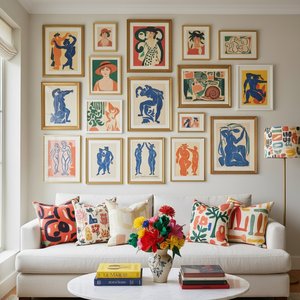
马蒂斯大师25幅杰作:色彩与光影的艺术传奇 | OriginalUniqueArt
探索亨利·马蒂斯25幅杰作,感受野兽派色彩的魅力!从《舞蹈》到《红色和谐》,揭秘大师背后的故事与艺术灵感。OriginalUniqueArt.com提供博物馆级高质量油画复制品,为您的家居增添奢华艺术气息。立即在线探索完整系列!
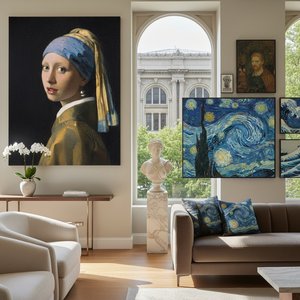
纽约大都会艺术博物馆25幅必赏杰作:艺术、历史与家居灵感
探索纽约大都会艺术博物馆25幅传世杰作!从梵高、莫奈到达芬奇,深入了解艺术大师的故事与创作灵感。精美油画复制品,为您的家居带来艺术气息。立即在OriginalUniqueArt.com发现更多经典作品。
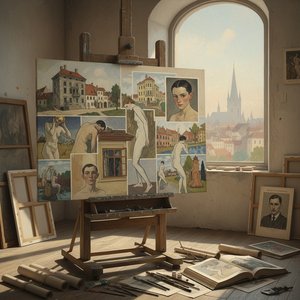
埃贡·席勒:25幅震撼人心的杰作,艺术与灵魂的深度探索 | OriginalUniqueArt
探索埃贡·席勒25幅震撼人心的杰作!深入了解这位表现主义大师的绘画技巧、情感表达与生命哲思。OriginalUniqueArt.com提供高品质艺术复制品,为您的室内设计带来经典之美。立即在线探索完整系列!
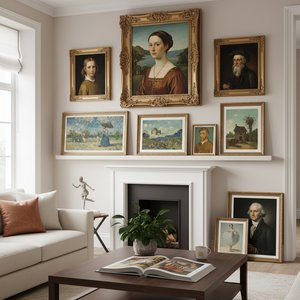
美国国家艺术馆精选:25幅大师级杰作,点亮您的艺术生活 | OriginalUniqueArt
探索美国国家艺术馆的25幅大师级杰作!深入了解塞尚、马蒂斯等艺术家的故事,感受印象派与现代艺术的魅力。OriginalUniqueArt.com提供高品质油画复制品,点亮您的家居空间。立即在线探索完整系列!

惠斯勒大师25幅杰作:艺术、家居与永恒之美 | OriginalUniqueArt
探索詹姆斯·惠斯勒25幅杰作!深入了解夜曲、静谧和谐等经典油画背后的故事与艺术魅力。OriginalUniqueArt.com提供博物馆级复制品,为您的家居带来永恒之美。立即在线探索完整系列!


