

 实景预览
实景预览
 发送
发送 分享
分享
 详情
详情 指南
指南

 下载图片
下载图片
 相似作品
相似作品 X射线
X射线 幻灯片播放
幻灯片播放 统计数据
统计数据Paraphrase
 Oil On Canvas
- WallArt
- Impressionism
 1907
1907 87.0 x 65.0 cm
 Kunsthaus Buhler
 阅读全文
阅读全文
艺术微喷/版画
博物馆级艺术微喷或帆布版画,制作高效,并提供多种饰面选择。 ( 订购此收藏品的纯手工复刻画作 切换至数字图像销售渠道)




P118B ¥10

P118H ¥10

P118W ¥10

P438Z ¥10

P508JH ¥12

P508YH ¥12

P805H ¥10

P805Z ¥10

P919BZ ¥10

P919G ¥10

P919XJ ¥10

P959ZH ¥10

P968JZ ¥12

W106C ¥8

W218G ¥10

W218JH ¥8

W218Y ¥10

W307PJ ¥10

W316G ¥10

W316PJ ¥8

W316Y ¥10

W398PJ ¥8

W4111J ¥10

W500HY ¥15

W500JH ¥15

W692G ¥12

W849H ¥8

W940BG ¥15

W953PJ ¥8




您可以从与原作比例一致的预设尺寸中进行选择。

请输入您所需的宽度和高度,以适配您的画框或墙面。由于印刷品只能进行裁剪,无法超出原图尺寸,因此若比例不一致,画面的一部分将会被裁切。在正式印刷之前,我们会为您发送一份数字效果图供您确认。本页面显示的图片并非最终裁剪后的效果——只有效果图才能展示真实的裁剪情况。


 玻璃选项仅适用于110厘米以下的尺寸。

Paraphrase
艺术微喷/版画
复刻品尺寸说明
-


总计金额
¥ 537
Lovis Corinth’s ‘Paraphrase’: A Moment Frozen in Impressionistic Light
Lovis Corinth's “Paraphrase,” painted in 1907, isn’t merely a portrait; it’s an exquisitely crafted distillation of Impressionist ideals—a visual poem capturing the fleeting beauty of a tranquil outdoor scene and the contemplative gaze of its subject. Measuring 87 x 65 cm, this oil painting on canvas immediately draws the eye with its luminous palette and masterful brushwork, transporting viewers back to the cusp of the 20th century’s artistic revolution.Subject Matter & Composition: The Essence of Serenity
The artwork depicts a woman seated outdoors amidst lush foliage—a deliberate choice reflecting Corinth's fascination with nature as both inspiration and symbol. Her posture exudes calmness and introspection, suggesting she is lost in thought while observing the surrounding greenery. Corinth skillfully simplifies the composition, prioritizing the woman’s face and upper torso, allowing the blurred background to contribute significantly to depth and atmosphere. This technique—characteristic of Impressionism—emphasizes capturing a sensory experience rather than striving for photographic accuracy. The artist's focus isn't on detailed representation but on conveying an emotional resonance.Style & Technique: Impressionistic Brushstrokes Speak Volumes
“Paraphrase” embodies the core tenets of Impressionism, prioritizing light and color above all else. Corinth achieves this through loose, visible brushstrokes—a hallmark of his style—creating a palpable sense of movement and vibrancy. Thick impasto is particularly prominent on the white dress and foliage, adding textural richness and enhancing the illusion of depth. Lines are predominantly short and broken, delineating forms without rigidly defining them; shapes are organic and amorphous, mirroring the ephemeral qualities of light and air. Corinth’s meticulous layering of paint—a technique honed during his Parisian years—creates an impressionistic effect that prioritizes capturing a fleeting moment in time.Historical Context & Artistic Influences
Painted at the dawn of the 20th century, “Paraphrase” sits squarely within the burgeoning artistic landscape of Berlin Secession. Corinth’s work aligns with the broader movement's rejection of academic conventions and embrace of subjective experience—a reaction against the rigid formalism of earlier generations. He drew inspiration from Impressionist masters like Monet and Renoir, adapting their techniques to express his own distinctive vision. The painting reflects a desire to move beyond mere depiction toward conveying emotion and capturing the intangible beauty of nature.Symbolism & Emotional Impact: Beyond Surface Appearance
The woman’s serene expression and contemplative gaze invite contemplation on themes of inner peace and observation—powerful concepts resonating throughout Corinth's oeuvre. The white dress symbolizes purity and innocence, juxtaposed against the darker tones of the foliage, perhaps hinting at a subtle melancholy or awareness of mortality. Ultimately, “Paraphrase” succeeds in capturing not just an image but a feeling—a beautifully rendered testament to the Impressionist pursuit of artistic truth through sensory perception. It’s a piece that lingers in the mind long after viewing, prompting reflection on beauty and stillness amidst the complexities of life.问答详情
如何下载 罗维斯·科林斯 的《Paraphrase》 的图片?
"Paraphrase" 提供下载:该作品的 下载 页面提供 高分辨率数字图像下载。
"Paraphrase" 的创作者是谁?
"Paraphrase" 的创作者是 罗维斯·科林斯。该作品以 罗维斯·科林斯 的名义编入目录。
建议如何打印“Paraphrase”——什么尺寸,什么方向?
建议将 罗维斯·科林斯 的《Paraphrase》 打印为 Large 大小,并采用 Portrait 构图。
艺术家简介
于色彩中锻造的一生:洛维斯·科林特的艺术世界
1858年7月21日,弗朗茨·海因利希·路易斯·科林特出生于普鲁士的东普鲁士省。他的一生,正是从19世纪向20世纪初艺术界剧烈转型时期的缩影。他的艺术之路并非一蹴而就的成名史,而是一场由不懈钻研、多元影响以及最终的个人悲剧所驱动的渐进式演变。科林特的生命底色植根于他出生地塔皮奥的乡村景观中,那里他的父亲从事着皮革鞣制工作。这种早期对体力劳动的触感以及自然原始之美的接触,即便在他后来进行更为复杂的风格探索时,也悄然渗透在他的作品之中。1876年,他开始在柯尼斯堡学院学习,但很快便意识到单纯的学院派传统无法满足他的艺术野心。随后的旅程带他走过了慕尼黑、安特卫型,并最终抵达巴黎——每一座城市都成为了他艺术成长过程中至关重要的阶梯。在慕尼黑,他吸收了路德维希·冯·勒夫茨所倡导的严谨写实主义,磨炼了观察力并掌握了技法;在安特卫普,鲁本斯那充满戏剧性的巴洛克式张力令他震撼;而在巴黎,尽管最初只是带着谨慎的审视而非全然的拥抱,他已然接触到了当时蓬勃发展的印象派运动。从自然主义到风格的融合
科林特的艺术发展并非由突如其来的革命所标志,而是一个逐渐吸收并融合多元影响的过程。他的早期作品深受自然主义影响,反映了当时的学院派主流标准。例如《屠宰场》(1878年)中对动物尸体毫不避讳的描绘,展现了他对写实表现的执着,然而即便是在这样的题材中,一种初生的情感强度已开始浮现。这种本身带有残酷与原始感的题材,暗示了他直面不安真相的勇气,而这一特质在他后期的作品中变得愈发显著。通过研习古典大师(尤其是鲁本斯),他培养了对动态构图和表现性笔触的热爱。然而,真正让他发生蜕变的是他对印象派的接触——尽管起初对此持怀疑态度。他并没有简单地照搬莫奈或雷诺阿那种破碎的色彩与转瞬即逝的光影效果,而是将这些元素融入到自己独特的视野中,创造出一种既有印象派活力、又带有鲜明德国感性的风格。这种融合最终使他成为了连接印象派与表现主义的桥梁,而正是这两大运动定义了20世纪初的艺术版图。肖像与风景的大师
尽管科林特在职业生涯中探索过多种题材——包括圣经场景和神话题材——但他最为人称道的或许还是他的肖像画与风景画。他的肖像创作不仅仅是为了捕捉外貌的相似性,更是一种试图穿透模特心理深处的尝试,通过细微的姿态、传神的眼神以及精心构思的构图,揭示人物的内心世界。他拥有一种惊人的能力,能以极简的笔触传递出深刻的人物性格与情感。同样地,他的风景画也不仅仅是对美景的描绘,更是对自然的一种情感回应。巴伐利亚阿尔卑斯山的瓦尔兴湖地区成为了他灵感的源泉,为他提供了丰富的母题,并在其晚年反复探索。这些作品以大胆的色彩、动态的笔触和一种原始的能量感为特征,反映了科林特本人与自然界之间那份充满激情的联结。他不追求田园诗般的平庸描绘,而是力求捕捉景观中那股未经驯服的力量与内在的戏剧性。核心作品及其意义
- 《屠宰场》(1878年): 一种极其写实的动物尸体描绘,展示了科林特早期的技法掌控力以及他直面不安题材的勇气。
- 《自画像》(不同年份): 一系列在每年生日时创作的自画像,生动地记录了艺术家自我认知的演变与艺术风格的变迁。这些作品展现了深刻的内省精神和对身份认同的大胆探索。
- 《戴帽子的半裸女性》(1906年): 展示了科林特将古典母题与印象派技法融合的能力,创造出一种感官性强且具有心理冲击力的肖像。
- 《瓦尔兴湖系列》(不同年份): 一组描绘巴伐利亚瓦尔兴湖地区的风景画,以其鲜艳的色彩、动态的笔触和情感强度为特征。这些作品代表了科林特成熟期最强有力且最具表现力的风格。
- 《最后的自画像》(1924年): 创作于去世前不久,这部作品是艺术家在面对身体逆境时展现出的韧性与不屈精神的凄美见证。它象征着其艺术旅程的巅峰,也是人类生命力的强大符号。

罗维斯·科林斯
1858 - 1925 , 荷兰
快速概览
- Artistic Movement Or Style: 印象主義與表現主義
- Artists Or Movements Influenced By This Artist: ['表現主義']
- Artists Who Influenced This Artist:
- 柯勃爾特
- 魯伯斯
- Date Of Birth: 1858年7月21日
- Date Of Death: 1925年7月17日
- Full Name: Franz Heinrich Louis Corinth
- Nationality: 德國
- Notable Artworks:
- 屠宰場
- 自畫像
- 戴帽的女性半裸身體
- Place Of Birth: 東普羅斯薩,德国塔烏瓦德
相关文章
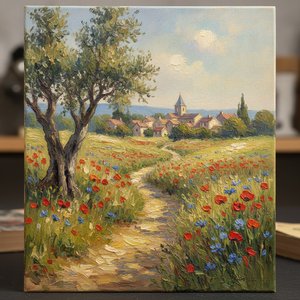
The Timeless Beauty of Oil on Panel: Capturing Light and Texture through the Impressionist Lens
Discover the exquisite depth of oil on panel. Explore how Impressionist masters captured light and texture through tactile brushwork, and learn how to bring these museum-quality, hand-painted masterpieces into your home with expert curation.

The Enduring Legacy of Oil on Canvas: Technique, History & Aesthetic Impact
Explore the rich history & techniques of oil painting – from Renaissance masters to Impressionism. Discover pigments, layering methods, and why this timeless medium endures. Expert insights for artists & art enthusiasts.

The Soul of Impressionism: Why Oil on Canvas Captures Eternal Light and Timeless Emotion
Discover the enchanting alchemy of Impressionism. Explore how the mastery of oil on canvas, through glazing and impasto, captures eternal light and emotion. Perfect for lovers of Monet and Van Gogh seeking the profound depth of hand-painted fine art.
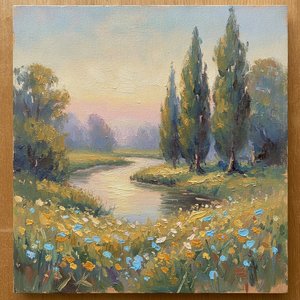
The Timeless Charm of Oil on Board: Reimagining Texture and Light through the Impressionist Lens
Discover the profound intimacy of oil on panel. Explore how Impressionist masters used rigid supports to capture light, texture, and impasto depth through exquisite, handmade oil reproductions for discerning collectors.

Lovis Corinth: Bridging Impressionism & Expressionism – A Study of Artistic Evolution
Explore the fascinating artistic journey of Lovis Corinth, a pivotal figure bridging Impressionism & Expressionism. Discover his evolution, key works, and lasting impact on modern art with OriginalUniqueArt.
