

 实景预览
实景预览
 发送
发送 分享
分享
 详情
详情 指南
指南

 下载图片
下载图片
 相似作品
相似作品 X射线
X射线 幻灯片播放
幻灯片播放 统计数据
统计数据The Boating Pool
 Oil On Canvas
- WallArt
- Barbizon School
 17.0 x 26.0 cm
 Fitzwilliam 学院
 阅读全文
阅读全文
艺术微喷/版画
博物馆级艺术微喷或帆布版画,制作高效,并提供多种饰面选择。 ( 订购此收藏品的纯手工复刻画作 切换至数字图像销售渠道)




P118B $10

P118H $10

P118W $10

P438Z $10

P508JH $12

P508YH $12

P805H $10

P805Z $10

P919BZ $10

P919G $10

P919XJ $10

P959ZH $10

P968JZ $12

W106C $8

W218G $10

W218JH $8

W218Y $10

W307PJ $10

W316G $10

W316PJ $8

W316Y $10

W398PJ $8

W4111J $10

W500HY $15

W500JH $15

W692G $12

W849H $8

W940BG $15

W953PJ $8




您可以从与原作比例一致的预设尺寸中进行选择。

您可以输入自定义尺寸,以适配特定的画框或空间。如果您选择的尺寸与原图比例不符,我们将对作品进行裁剪,或通过镜像填充/纯色填充边缘的方式来扩展图像。在开始制作之前,我们会向您发送一份数字效果图供您确认。
请注意,屏幕上的预览并不能反映实际的裁剪或扩展效果。只有效果图才能准确展示最终的构图。
虽然我们提供定制尺寸,但为了保持原图比例,我们建议您从预设列表中选择尺寸。


 玻璃选项仅适用于110厘米以下的尺寸。

The Boating Pool
艺术微喷/版画
复刻品尺寸说明
-


总计金额
$ 80
A Moment of Refined Leisure: Exploring “The Boating Pool” by Lawrence Alma-Tadema
Lawrence Alma-Tadema’s “The Boating Pool,” painted around 1873, is more than just a picturesque scene; it's a meticulously crafted tableau of Victorian leisure and an exquisite study in light, color, and the subtle drama of everyday life. This oil painting, now housed at The Fitzwilliam Museum in Cambridge, transports us to a world of opulent tranquility – a carefully constructed illusion of warmth and relaxation within a cool, shadowed space. Tadema, a Dutch-born artist who ultimately established himself as a leading figure in London’s art scene, masterfully employed the techniques of the Barbizon school, prioritizing atmospheric effects and capturing the fleeting beauty of light over precise detail, resulting in an image that is both intensely realistic and dreamlike.
The composition immediately draws the eye to the central circular pool, a shimmering expanse reflecting the muted tones of the surrounding architecture. Two men, dressed in the fashionable attire of the era – one reclining languidly on a stone bench, the other attentively observing him – occupy the foreground. Their postures and expressions suggest an intimate conversation, a shared moment of quiet contemplation amidst the grandeur of their surroundings. The figures are not actively engaged; rather, they embody a state of relaxed enjoyment, embodying the Victorian ideal of refined leisure. Tadema’s skill lies in his ability to convey this sense of effortless grace through subtle gestures and carefully positioned bodies.
The Language of Light and Color
Tadema's masterful use of light is central to the painting’s impact. He employs a technique known as “chiaroscuro,” dramatically contrasting areas of intense illumination with deep shadows, creating a sense of depth and volume. The pool itself is bathed in a soft, diffused glow, while the surrounding walls and columns are shrouded in cool, grey tones. This interplay of light and shadow not only enhances the realism of the scene but also evokes a feeling of mystery and intimacy. Notice how the sunlight catches the wet surface of the water, creating shimmering reflections that dance across the figures and the architecture – a testament to Tadema’s keen observation of natural phenomena.
The color palette is restrained yet sophisticated, dominated by cool blues, greens, and greys, punctuated by warmer accents in the fabrics and architectural details. The artist's deliberate choice of muted tones contributes to the painting’s overall atmosphere of serenity and timelessness. He avoids bright, saturated colors, instead opting for subtle gradations that create a sense of depth and realism. This restrained approach is characteristic of the Barbizon school, which emphasized capturing the essence of a scene rather than simply replicating its appearance.
Historical Context and Symbolism
“The Boating Pool” reflects the social and cultural values of Victorian England, a period marked by a fascination with classical antiquity, luxury, and leisure. The painting’s setting – a Roman-inspired bathhouse – is a deliberate homage to the grandeur of the ancient world, suggesting an idealized vision of Roman life. The figures themselves embody the Victorian ideal of gentlemanly pursuits, engaging in activities that were considered appropriate for men of wealth and status. The pool itself can be interpreted as a symbol of refreshment, relaxation, and social connection—a space where gentlemen could escape the pressures of daily life and indulge in conversation and contemplation.
Furthermore, Tadema’s meticulous attention to detail – from the intricate carvings on the walls to the folds of the men's clothing – reflects his deep knowledge of classical art and architecture. He was a dedicated student of antiquity, and his paintings are filled with references to Roman culture. This commitment to historical accuracy is one of the reasons why “The Boating Pool” remains such a compelling work of art today.
A Timeless Masterpiece
“The Boating Pool” endures as a testament to Lawrence Alma-Tadema’s artistic skill and his ability to capture the essence of Victorian life. Its serene atmosphere, masterful use of light and color, and subtle symbolism continue to captivate viewers today. Reproductions of this iconic painting offer a window into a bygone era, inviting us to step back in time and experience the refined pleasures of a world long past. It’s a piece that speaks volumes about human connection, leisure, and the enduring power of art to transport us to another place and time.
艺术家简介
早年生活与艺术训练
劳伦斯·阿尔玛·塔德玛,后改为罗伦斯·阿尔玛·塔德玛(1836年出生于荷兰),于1836年1月8日在荷兰弗里泽兰省龙瑞普出生。他的父亲皮埃尔·吉尔特斯·塔德玛是一位村庄公诺师,拥有三个儿子与第一任妻子结婚,母亲林克·迪克斯·布罗乌尔是皮埃尔的第一任妻子的姐妹。塔德玛家族于1838年迁往李沃荷文,皮埃尔的职位作为公诺师将为他带来更大的经济效益。当劳伦斯四岁时父亲去世,留下母亲与五名孩子,其中劳伦斯是一位儿子,以及来自他父亲第一任婚姻的三位儿子。林克·迪克斯·布罗乌尔对艺术怀有热情,决心将绘画课程融入孩子们教育中。 他首先在当地一位雇佣来教导他哥哥的绘画老师那里接受了艺术训练。 这旨在让劳伦斯成为律师;但于1851年他遭受了一场身体和精神崩溃。 他被诊断为肺结核病患者,仅剩的时间可以自由地绘画和创作。 在孤独的情况下他恢复了健康并决定从事艺术职业。 他于1852年进入安特卫普皇家美术学院,学习了早期荷兰和佛兰德斯大师,同时吸收了历史准确性要求的精细细节。 在劳伦斯作为学院注册学生期间,他获得了多个值得称赞的奖项。 在离开学校之前,大约在1855年底,他成为卢伊斯·扬·德·泰耶的助手,后者在他学院里对历史和历史服装课程都给予了极大的喜爱。 德·泰耶向他介绍了影响了他早期职业中表现美罗曼蒂诗意的书籍。 他被鼓励以历史准确性为特征来创作绘画,这是艺术家广为人知的品质。 他于1855年底在伦敦安家落户,迅速成为英国艺术界的常客。古罗马的魅力:美罗曼蒂主义与埃及幻象
劳伦斯·阿尔玛·塔德玛的艺术生涯从对美罗曼蒂主义主题的探索开始——美罗曼蒂主义是罗马帝国衰亡后统治法国的王朝风格。 这些早期作品展现了他日益增长的天才和历史叙事构图能力,但它们并没有获得他后来在伦敦获得的广泛赞誉。 正是这一系列让塔德玛认识到浪漫主义精神最深处的感觉。 他被鼓励以历史准确性为特征来创作绘画,这是艺术家广为人知的品质。 然而美罗曼蒂主义风格并不具有国际上的广泛吸引力,因此他转而表现古埃及生活,然后是古希腊和罗马世界的生活。 这个转变并非偶然;它反映了公众对古罗马的日益增长的热情,这得益于考古发现以及维多利亚时期人们从历史中汲取的道德教训。 他于1855年底在伦敦安家落户,迅速成为英国艺术界的常客。 这让塔德玛拥有了巨大的名声,并获得了无数赞许,其中包括于1909年获得骑士勋章。雕塑大师:细节与光线
塔德玛最伟大的成就在于他对光线的无与伦比的掌握能力。 他不仅仅是画物体;他是在捕捉阳光在马赛克地板上的感觉、罗马阿崔尼姆花园中的水声。 这项技能并非仅仅源于技术技巧; 它还来自对材料的深刻理解。 他仔细研究了古罗马建筑、家具和服装,确保其中每个元素都具有历史准确性。 但除了精确之外,他还拥有惊人的天赋来渲染光线和纹理。 他一丝不苟地研究了古罗马建筑、家具和服装,确保其中每个元素都具有历史准确性。 他还建造了微型模型来模拟他打算画的场景,以确保透视和建筑准确性完美一致。 这项奉献精神并非仅仅是技术技能; 它还源于创造一种视觉现实的幻觉,这种幻觉让观众感觉仿佛回到了另一个时代和地点。 他甚至亲自研究了古罗马建筑、家具和服装,确保其中每个元素都具有历史准确性。 通过对材料的深刻理解,他能够创造出令人难以置信的光线和纹理效果。 这项奉献精神并非仅仅是技术技能; 它还源于创造一种视觉现实的幻觉,这种幻觉让观众感觉仿佛回到了另一个时代和地点。 他还建造了微型模型来模拟他打算画的场景,以确保透视和建筑准确性完美一致。 通过对材料的深刻理解,他能够创造出令人难以置信的光线和纹理效果。 这项奉献精神并非仅仅是技术技能; 它还源于创造一种视觉现实的幻觉,这种幻觉让观众感觉仿佛回到了另一个时代和地点。 他还建造了微型模型来模拟他打算画的场景,以确保透视和建筑准确性完美一致。 通过对材料的深刻理解,他能够创造出令人难以置信的光线和纹理效果。 这项奉献精神并非仅仅是技术技能; 它还源于创造一种视觉现实的幻觉,这种幻觉让观众感觉仿佛回到了另一个时代和地点。 他还建造了微型模型来模拟他打算画的场景,以确保透视和建筑准确性完美一致。 通过对材料的深刻理解,他能够创造出令人难以置信的光线和纹理效果。 这项奉献精神并非仅仅是技术技能; 它还源于创造一种视觉现实的幻觉,这种幻觉让观众感觉仿佛回到了另一个时代和地点。 他还建造了微型模型来模拟他打算画的场景,以确保透视和建筑准确性完美一致。 通过对材料的深刻理解,他能够创造出令人难以置信的光线和纹理效果。 这项奉献精神并非仅仅是技术技能; 它还源于创造一种视觉现实的幻觉,这种幻觉让观众感觉仿佛回到了另一个时代和地点。 他还建造了微型模型来模拟他打算画的场景,以确保透视和建筑准确性完美一致。 通过对材料的深刻理解,他能够创造出令人难以置信的光线和纹理效果。 这项奉献精神并非仅仅是技术技能; 它还源于创造一种视觉现实的幻觉,这种幻觉让观众感觉仿佛回到了另一个时代和地点。 他还建造了微型模型来模拟他打算画的场景,以确保透视和建筑准确性完美一致。 通过对材料的深刻理解,他能够创造出令人难以置信的光线和纹理效果。 这项奉献精神并非仅仅是技术技能; 它还源于创造一种视觉现实的幻觉,这种幻觉让观众感觉仿佛回到了另一个时代和地点。 他还建造了微型模型来模拟他打算画的场景,以确保透视和建筑准确性完美一致。 通过对材料的深刻理解,他能够创造出令人难以置信的光线和纹理效果。 这项奉献精神并非仅仅是技术技能; 它还源于创造一种视觉现实的幻觉,这种幻觉让观众感觉仿佛回到了另一个时代和地点。 他还建造了微型模型来模拟他打算画的场景,以确保透视和建筑准确性完美一致。 通过对材料的深刻理解,他能够创造出令人难以置信的光线和纹理效果。 这项奉献精神并非仅仅是技术技能; 它还源于创造一种视觉现实的幻觉,这种幻觉让观众感觉仿佛回到了另一个时代和地点。 他还建造了微型模型来模拟他打算画的场景,以确保透视和建筑准确性完美一致。 通过对材料的深刻理解,他能够创造出令人难以置信的光线和纹理效果。 这项奉献精神并非仅仅是技术技能; 它还源于创造一种视觉现实的幻觉,这种幻觉让观众感觉仿佛回到了另一个时代和地点。 他还建造了微型模型来模拟他打算画的场景,以确保透视和建筑准确性完美一致。 通过对材料的深刻理解,他能够创造出令人难以置信的光线和纹理效果。 这项奉献精神并非仅仅是技术技能; 它还源于创造一种视觉现实的幻觉,这种幻觉让观众感觉仿佛回到了另一个时代和地点。 他还建造了微型模型来模拟他打算画的场景,以确保透视和建筑准确性完美一致。 通过对材料的深刻理解,他能够创造出令人难以置信的光线和纹理效果。 这项奉献精神并非仅仅是技术技能; 它还源于创造一种视觉现实的幻觉,这种幻觉让观众感觉仿佛回到了另一个时代和地点。 他还建造了微型模型来模拟他打算画的场景,以确保透视和建筑准确性完美一致。 通过对材料的深刻理解,他能够创造出令人难以置信的光线和纹理效果。 这项奉献精神并非仅仅是技术技能; 它还源于创造一种视觉现实
劳伦斯·阿尔玛·塔德玛
1836 - 1912 , 荷兰
快速概览
- Artistic Movement Or Style: 维多利亚绘画风格
- Artists Or Movements Influenced By This Artist: ['浪漫主义']
- Artists Who Influenced This Artist: ['路易斯·扬·德·泰伊']
- Date Of Birth: 1月8日,1836年
- Date Of Death: 6月25日,1912年
- Full Name: Lourens Alma Tadema
- Nationality: 荷兰人
- Notable Artworks: ['《吻》,《请问我无从问》,《视野中的角落']
- Place Of Birth: 荷兰龙瑞普市
相关文章

Sir Lawrence Alma-Tadema: A Study in Victorian Aestheticism & Classical Antiquity
Explore the captivating world of Sir Lawrence Alma-Tadema, a master of Victorian Aestheticism. Discover his stunning depictions of ancient Rome, artistic techniques, and enduring legacy with OriginalUniqueArt.

Oil on Canvas: A Historical & Technical Exploration of a Timeless Artistic Medium
Explore the rich history & enduring techniques of oil painting on canvas. Discover the science behind its longevity, conservation practices, and contemporary relevance. Expert insights for art enthusiasts.

The Enduring Legacy of Oil on Canvas: Technique, History & Aesthetic Impact
Explore the rich history & techniques of oil painting – from Renaissance masters to Impressionism. Discover pigments, layering methods, and why this timeless medium endures. Expert insights for artists & art enthusiasts.
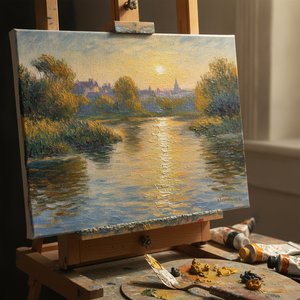
The Soul of Impressionism: Why Oil on Canvas Captures Eternal Light and Timeless Emotion
Discover the enchanting alchemy of Impressionism. Explore how the mastery of oil on canvas, through glazing and impasto, captures eternal light and emotion. Perfect for lovers of Monet and Van Gogh seeking the profound depth of hand-painted fine art.
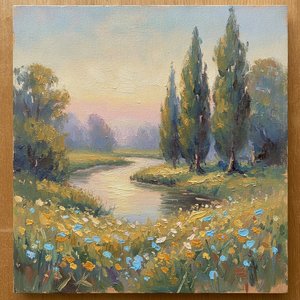
The Timeless Charm of Oil on Board: Reimagining Texture and Light through the Impressionist Lens
Discover the profound intimacy of oil on panel. Explore how Impressionist masters used rigid supports to capture light, texture, and impasto depth through exquisite, handmade oil reproductions for discerning collectors.


