

 发送
发送 分享
分享
 详情
详情 指南
指南

 下载图片
下载图片
 相似作品
相似作品 幻灯片播放
幻灯片播放 统计数据
统计数据St Stephen


 阅读全文
阅读全文
艺术微喷/版画
博物馆级艺术微喷或帆布版画,制作高效,并提供多种饰面选择。 ( 订购此收藏品的纯手工复刻画作 切换至数字图像销售渠道)




































您可以从与原作比例一致的预设尺寸中进行选择。

请输入您所需的宽度和高度,以适配您的画框或墙面。由于印刷品只能进行裁剪,无法超出原图尺寸,因此若比例不一致,画面的一部分将会被裁切。在正式印刷之前,我们会为您发送一份数字效果图供您确认。本页面显示的图片并非最终裁剪后的效果——只有效果图才能展示真实的裁剪情况。


 玻璃选项仅适用于110厘米以下的尺寸。

St Stephen
艺术微喷/版画
复刻品尺寸说明
-


总计金额
¥ 538
A Bronze Testament: Lorenzo Ghiberti’s St Stephen
Lorenzo di Bartolo Ghiberti's bronze sculpture of Saint Stephen, crafted in 1428, stands as a poignant testament to the burgeoning artistic spirit of Renaissance Florence. More than simply a depiction of a biblical figure, this work embodies the era’s fascination with humanism, technical mastery, and the profound symbolism woven into every facet of religious art. The statue, currently residing within the Museo di Orsanmichele in Florence, offers a captivating glimpse into the mind of a master sculptor who would later create the legendary “Gates of Paradise” for the Baptistery.
Ghiberti’s skill is immediately apparent in the remarkably lifelike portrayal of Saint Stephen. The figure, rendered in meticulously cast bronze, possesses an arresting sense of stillness and contemplative grace. He stands in a three-quarter pose, his gaze directed upwards with an expression that suggests both serenity and a hint of sorrow – perhaps reflecting on his martyrdom. Note the subtle curve of his spine, the delicate drape of his garment, and the carefully modeled folds that imbue the fabric with a tangible weight and texture. The artist’s attention to anatomical detail is exceptional, demonstrating a deep understanding of human form gleaned from both classical studies and direct observation.
The Renaissance Embrace: Style and Technique
This sculpture firmly places itself within the High Renaissance style, a period characterized by a renewed interest in classical antiquity and a commitment to realism. Ghiberti’s technique showcases his mastery of bronze casting – a process that demanded immense skill and precision. The smooth, polished surface of the bronze reflects light beautifully, creating an almost luminous quality. The use of *contrapposto*, where the figure's weight is shifted onto one leg, adds to the sense of naturalism and dynamism, preventing the statue from appearing static. Ghiberti’s innovative approach to depicting drapery—avoiding overly complex folds—allowed him to focus on conveying the essence of the figure rather than getting bogged down in minute details.
Furthermore, Ghiberti's work reflects a shift towards greater emotional depth and psychological complexity within religious sculpture. Unlike earlier depictions that often prioritized idealized beauty, this Saint Stephen conveys a sense of vulnerability and inner turmoil—a characteristic that would become increasingly prevalent throughout the Renaissance. The closed eyes, coupled with his raised hand, suggest a moment of prayer or reflection, inviting viewers to contemplate the saint’s sacrifice.
A Symbol of Sacrifice and Martyrdom
Saint Stephen is, of course, intrinsically linked to the story of his martyrdom – he was stoned to death for refusing to worship false idols. This narrative underscores the sculpture's central theme: unwavering faith in the face of adversity. The act of sacrifice itself becomes a powerful symbol of devotion and resistance against injustice. The statue’s posture—a quiet acceptance of fate—mirrors the saint’s dignified demeanor during his final moments.
Beyond its religious significance, Saint Stephen also represents the broader humanist ideals of the Renaissance. The emphasis on human form, emotion, and individual experience aligns with the era's growing interest in celebrating human potential and achievement. Ghiberti’s sculpture, therefore, transcends a simple depiction of a biblical figure; it embodies the spirit of a transformative period in Western art history.
Collecting the Legacy: Reproductions and Inspiration
While the original bronze remains a treasured artifact within Florence's artistic heritage, high-quality reproductions offer an accessible way to experience Ghiberti’s genius. Reproductions capture the essence of the sculpture’s form, texture, and emotional impact with remarkable fidelity. These are ideal additions for collectors seeking to bring Renaissance artistry into their homes or offices, providing a touch of timeless elegance and intellectual depth.
Consider how Saint Stephen's serene countenance and contemplative pose can contribute to a space that fosters reflection and tranquility. The sculpture’s inherent symbolism—sacrifice, faith, and resilience—makes it a powerful statement piece, capable of sparking conversation and inspiring contemplation. Whether you are an art enthusiast, a collector, or simply seeking a beautiful and meaningful addition to your surroundings, Ghiberti's St Stephen offers a profound connection to the artistic legacy of Renaissance Florence.
问答详情
洛伦佐·吉贝尔蒂 的《St Stephen》 是否保存在艺术家的原籍国?
是的——该作品目前存放于艺术家的原籍国。“St Stephen”收藏于意大利,而洛伦佐·吉贝尔蒂出生于意大利。
洛伦佐·吉贝尔蒂 的《St Stephen》 的色彩是鲜艳还是柔和?
“St Stephen”的色彩饱和度为Muted,色彩强度为Monochromatic。
在哪里可以找到关于洛伦佐·吉贝尔蒂 的《St Stephen》的数据统计?
"St Stephen" 拥有专属的 统计数据 页面。该页面通过国家和语言维度的细分,展示了该作品及艺术家其他作品的每月访问量趋势图。
艺术家简介
青铜铸就的佛罗伦萨文艺复兴:洛伦佐·吉贝尔蒂的生命与传承
1378年,出生于意大利佛罗伦萨附近的洛伦佐·迪·巴托洛(Lorenzo di Bartolo)——这个名字后来成为了艺术创新的代名词,即我们熟知的洛伦佐·吉贝尔蒂——开启了一段重新定义雕塑可能性的旅程。他的早年生活沉浸在金匠工艺的实践艺术中,并在继父巴托洛·迪·米凯莱(Bartolo di Michele)的教导下成长。这种基础训练赋予了他无与伦比的金属加工造诣,而这项技能在他日后被提升到了令人叹为观止的高度。然而,吉贝尔蒂的雄心并不局限于作坊的方寸之间;通过格雷拉多·斯塔尼纳(Gherardo Starnina)接受的正规绘画课程拓宽了他的艺术视野,为他那即将令佛罗伦萨倾倒的多才多艺奠定了基础。1400年瘟疫爆发期间,他在里米尼协助卡洛一世·马拉泰斯塔(Carlo I Mal𝓽esta)绘制壁画的那段岁月,进一步磨炼了他的艺术感官,并让他接触到了多元的艺术流派。当时的他并不知道,这些磨砺性的经历正是在为一场将使他的职业生涯走向永恒的竞赛做准备。洗礼堂大门:技艺与远见的胜利
1401年,佛罗伦萨举行了一场竞赛,旨在为城市的洗礼堂选拔艺术家创作新的青铜大门——这项委托被视为当时该地区最负盛名的艺术任务。吉贝尔蒂与那个时代一些最杰出的头脑同台竞技,其中包括强大的菲利波·布鲁内莱斯基(Filippo Brunelleschi)。竞赛的挑战在于:以浮雕形式描绘“以撒的牺牲”。吉贝尔蒂的作品面板不仅仅是技术能力的展示,更是一场艺术启示。他那以优雅人物和深邃透视理解为特征的创新方法,确保了他的胜利。这次成功不仅仅是赢得了一项委托,更是对一种全新艺术感官的宣言。随后,他开始着手创作北门,这一项目耗时超过二十年,并将洗礼堂转化为了文艺复术艺术的展示殿堂。吉贝尔蒂的工作室成为了新兴人才的活力中心,培养了多纳泰罗(Donatello)、马索利诺(Masolino)和保罗·乌切洛(Paolo Uccello)等未来的大师——这正是他作为导师的慷慨与影响力的明证。“天堂之门”:杰作的揭幕
在北门取得巨大成功后,吉贝尔蒂被委以更具雄心的重任:为洗礼堂的东入口创作第二套大门。这些于1452年完成的大门成为了他的巅峰之作,并为他赢得了由米开朗基罗亲手赐予的绰号:“天堂之门”。每一块面板都以史无前例的写实度、细节和情感深度描绘了旧约圣经中的场景。吉贝尔蒂对青铜铸造和浮雕雕刻的掌控在这些作品中达到了顶峰。这些面板不仅仅是圣经故事的再现,更是通过对解剖学、衣褶处理和空间关系的细致关注而赋予生命的沉浸式叙事。他开创性地使用透视法来创造深度感和真实感,这在当时是具有革命性的。风格、影响与深远意义
吉贝尔蒂的艺术风格代表了哥特式优雅与新兴文艺复兴人文主义原则的美妙融合。虽然植根于中世纪工艺的传统,但他拥抱了古典时代,将罗马艺术和雕塑的元素融入作品之中。这种融合创造了一种既精致又具有情感共鸣的独特美学。他并非仅仅是在模仿过去,而是通过一种鲜明的文艺复兴视角对其进行重新诠释。除了艺术成就,吉贝尔蒂还以《评论集》(Commentarii)的形式留下了宝贵的知识遗产,这是一部关于艺术史、理论和技术的自传体论著——是艺术家创作的此类作品中最早的范例之一。他于1455年在佛罗伦萨逝世,留下了一系列深刻影响后世艺术家的作品。他的创新为达芬奇和米开朗基罗等大师铺平了道路,巩固了他作为西方艺术史上关键人物的地位。吉贝尔蒂的贡献对于确立佛罗伦萨在文艺复兴时期的领先艺术中心地位起到了至关重要的作用,而“天堂之门”至今仍是佛罗伦萨公民自豪感与艺术成就的永恒象征。铸于青铜的传奇
洛伦佐·吉贝尔蒂的历史意义远超其技术上的卓越。他体现了早期文艺复兴的精神——那是一个以好奇心、艺术创新和对古典学问重新审视为标志的时代。他的作品不仅改变了佛罗伦萨的美学景观,还帮助定义了塑造未来数世纪西方文化的人文主义理想。- 主要作品:北门与东门(天堂之门)——佛罗伦萨洗礼堂;奥桑米凯莱(Orsanmichele)的青铜雕像。
- 关键影响:哥特艺术、古典时代、文艺复兴人文主义。
- 艺术风格:融合哥特式优雅与新兴的文艺复兴原则;自然主义描绘,透视法的创新运用。
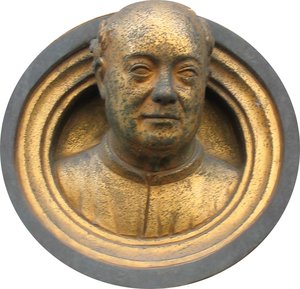
洛伦佐·吉贝尔蒂
1378 - 1455 , 意大利
快速概览
- Artistic Movement Or Style: 文艺复兴早期
- Artists Or Movements Influenced By This Artist:
- 多纳泰罗
- 马索利诺
- 保罗·乌切洛
- 米开朗基罗
- Artists Who Influenced This Artist:
- 格雷拉多·斯塔尼纳
- 巴托洛·迪·米凯莱
- Date Of Birth: 1378年
- Date Of Death: 1455年
- Full Name: 洛伦佐·吉贝尔蒂
- Nationality: 意大利
- Notable Artworks:
- 天堂之门
- 以撒的牺牲
- 金杯的发现
- 基督受洗
- Place Of Birth: 意大利,佛罗伦萨
相关文章

Bronze Age to Modern Masters: 10 Sculptures That Redefined Art | OriginalUniqueArt
Journey through art history with 10 legendary bronze sculptures – from Michelangelo's David to Rodin’s Thinker. Explore the stories, techniques & timeless beauty of these masterpieces. Find museum-quality reproductions & elevate your home decor on OriginalUniqueArt.com.

The Enduring Legacy of Bronze: A Historical & Artistic Exploration for the Collector
Explore the rich history & enduring appeal of bronze sculpture with expert insights for collectors at OriginalUniqueArt. Learn about casting techniques, iconic artists, collecting tips & contemporary interpretations.
青铜艺术的永恒遗产:历史、技艺与收藏家的鉴赏之道
探索青铜艺术的辉煌历史、精湛技艺与收藏价值。深入了解失蜡法铸造工艺,掌握青铜器鉴赏技巧,规避市场风险。OriginalUniqueArt.com为您提供专业的艺术咨询和定制服务。

Bronze Sculptures That Defined Art History | OriginalUniqueArt
Journey through art history with our Top 10 bronze sculptures! Explore masterpieces by Rodin, Michelangelo & more. Discover stories behind iconic statues and find museum-quality reproductions for your home decor at OriginalUniqueArt.com.

The Enduring Legacy of Bronze Sculpture: A Collector's Guide to Form & Cultural Significance
Explore the rich history & enduring appeal of bronze sculpture with expert insights for collectors at OriginalUniqueArt. Learn about casting techniques, iconic artists, and collecting tips to build a discerning art collection.