
 实景预览
实景预览
 分享
分享 分享
分享
 详情
详情 指南
指南

 下载作品
下载作品
 相似作品
相似作品 X射线
X射线 幻灯片播放
幻灯片播放 问答
问答 统计数据
统计数据St Sebastian

- 55.0 x 49.0 cm


 展开全文
展开全文
艺术微喷/版画
博物馆级艺术微喷或帆布版画,制作高效,并提供多种饰面选择。 ( 订购纯手工绘制画作 切换至数字图像销售渠道)




P118B ¥10

P118H ¥10

P118W ¥10

P438Z ¥10

P508JH ¥12

P508YH ¥12

P805H ¥10

P805Z ¥10

P919BZ ¥10

P919G ¥10

P919XJ ¥10

P959ZH ¥10

P968JZ ¥12

W106C ¥8

W218G ¥10

W218JH ¥8

W218Y ¥10

W307PJ ¥10

W316G ¥10

W316PJ ¥8

W316Y ¥10

W398PJ ¥8

W4111J ¥10

W500HY ¥15

W500JH ¥15

W692G ¥12

W849H ¥8

W940BG ¥15

W953PJ ¥8




您可以从与原作比例一致的预设尺寸中进行选择。

请输入您所需的宽度和高度,以适配您的画框或墙面。由于印刷品只能进行裁剪,无法超出原图尺寸,因此若比例不一致,画面的一部分将会被裁切。在正式印刷之前,我们会为您发送一份数字效果图供您确认。本页面显示的图片并非最终裁剪后的效果——只有效果图才能展示真实的裁剪情况。


 玻璃选项仅适用于110厘米以下的尺寸。

St Sebastian
艺术微喷/版画
复刻品尺寸
-


最终结算价
¥ 544
A Study in Suffering and Serenity: Lorenzo Costa’s St. Sebastian
Lorenzo Costa (the Elder)’s 1490 depiction of Saint Sebastian is not merely a religious painting; it's a profound meditation on martyrdom, endurance, and the quiet strength found within suffering. Housed within the hallowed halls of the Galleria degli Uffizi in Florence, this tempera-on-panel masterpiece transcends its historical context to resonate with viewers centuries later, offering a glimpse into the artistic sensibilities and spiritual concerns of the Northern Renaissance.
The painting immediately draws the eye to the central figure – Sebastian himself. He’s rendered not as a screaming victim, but with an almost serene acceptance of his fate. The arrows piercing his torso are not depicted in a violent or dramatic manner; instead, they are subtly integrated into his form, suggesting a slow, inevitable surrender rather than a sudden attack. This deliberate restraint is key to the painting's power – it transforms a scene of brutal death into one of dignified endurance. Notice the pale skin tone, meticulously rendered with layers of tempera, and the carefully observed bruises and marks; these aren’t signs of immediate agony but rather the lingering echoes of pain, testament to Costa’s commitment to realism.
The Northern Renaissance Aesthetic
Costa's style firmly places this work within the burgeoning Northern Renaissance tradition. Unlike the more flamboyant and idealized figures often found in Italian art of the period, Costa favors a grounded approach, prioritizing anatomical accuracy and naturalistic detail. The use of light and shadow is masterful – a chiaroscuro technique that creates a palpable sense of depth and volume, pulling the viewer into the scene. The dark background serves to isolate Sebastian, emphasizing his vulnerability yet simultaneously highlighting his inner fortitude. The minimalist clothing—a suggestion of draped fabric at the bottom—further directs attention to the figure’s physical state and emotional bearing.
Symbolism and Spiritual Resonance
Saint Sebastian's story is deeply rooted in Christian lore, a tale of youthful beauty, divine intervention, and ultimately, martyrdom. Originally a Roman soldier, he was commissioned by Diocletian to hunt down Christians but himself converted to the faith. He was then subjected to torture and ultimately shot with arrows before miraculously recovering from his wounds. The painting’s symbolism is layered: Sebastian represents Christ's suffering and sacrifice, offering a potent visual reminder of Christian ideals. The arrows themselves can be interpreted as symbols of temptation and persecution, while Sebastian’s acceptance embodies the triumph of faith over adversity.
A Legacy in Florence
Beyond its immediate aesthetic qualities, Costa’s St. Sebastian stands as a significant contribution to the artistic landscape of 15th-century Florence. It shares stylistic affinities with other prominent artists of the era, including Hans Memling and Benozzo Gozzoli, both masters of depicting religious subjects with remarkable realism and emotional depth. The painting's presence within the Uffizi Gallery underscores its enduring importance—a testament to Costa’s skill as a painter and his profound understanding of human experience. Further enriching our appreciation is the connection to other notable works from the same period, such as Giotto Di Bondone’s frescoes in the Collegiate Church of San Gimignano, offering a broader context for appreciating the artistic currents of the time.
常见问题与解答
"St Sebastian" 的创作艺术家是谁?
"St Sebastian" 由 洛伦佐·科斯塔 (老) 创作。本页面的信息旨在介绍 洛伦佐·科斯塔 (老) 的原作。
如何发现与 洛伦佐·科斯塔 (老) 的《St Sebastian》 风格相近的艺术品?
与“St Sebastian”相似的作品已列在艺术品的 相似作品 页面中。
哪里可以买到 洛伦佐·科斯塔 (老) 的《St Sebastian》 的版画?
若想订购 洛伦佐·科斯塔 (老) 的《St Sebastian》 的版画,只需前往其 艺术版画 页面进行订购即可:采用棉质帆布或档案级画布纸制作的艺术版画。
艺术家简介
神话与信仰的画师:洛伦佐·科斯塔的一生
洛伦佐·科斯塔 (1460–1535) 是意大利文艺复兴时期繁荣艺术版图中的一座基石,深刻体现了费拉拉画派与博洛尼亚画派的智识活力。他出生于充满生命力的城市费拉拉,其艺术生涯正值精神虔诚与人文主义探索之间界限美妙模糊的时代。他的作品集体现了一种风格优雅与深刻精神沉思的独特融合,这种特质使他能够游刃有余地应对当时宗教机构与最顶尖世俗宫廷之间复杂的审美需求。通过他的画笔,神圣的空灵之光与古典神话的结构化优雅交织在一起,创造出一种与文艺复兴精神产生深度共鸣的视觉语言。早年岁月与对光影的掌控
尽管关于科斯塔早年生活的档案记录仍有些许模糊,但他的艺术基因显然是在意大利北部的画室中锻造而成的。众所周知,他曾在博洛尼亚师从大师 弗朗切斯科·弗兰恰 并接受了严苛的训练。这段学徒生涯具有变革意义,不仅赋予了他对细节近乎苛求的关注,还让他对 晕涂法 (sfumato) 产生了早期的痴迷——这种由列奥纳多·达·芬奇推广的、细腻且如烟雾般融合色调的技术。从弗兰恰那里,科斯塔继承了对透视法的深刻理解以及对 明暗对照法 (chiaroscuro) 的戏剧性运用,这使他能够从阴影中雕琢出人物轮廓,并为他的构图注入前所未有的深度与情感重量。这种技术基础使他超越了单纯的写实,转而追求捕捉主体周围那层流动的氛围。曼托瓦宫廷的辉煌
科斯塔艺术生涯的巅峰,与其获得曼托瓦侯爵夫人 伊莎贝拉·德·埃斯特 宫廷画家的显赫任命紧密相连。作为欧洲历史上最卓越且眼光最敏锐的赞助人之一,伊莎贝拉·德·埃斯特所要求的艺术品既要实现美学上的胜利,又要成为智力上的谜题。在她的悉心指导下,科斯塔的作品不断演进,开始拥抱复杂的神话寓言与人文主义理想。他的绘画不再仅仅是宗教圣像,而是成为了专为学者与贵族阶层设计的精致叙事。他生命中的这一时期具有以下显著特征:- 将古典希腊与罗马神话融入当代意大利绘画之中。
- 对象征意义的高度关注,使得每一个手势与植物细节都承载着深意。
- 不断精炼一种柔和且富有氛围感的风格,以传达宫廷审美所追求的细腻优雅。
传承与历史地位
随着文艺复兴运动的推进,科斯塔的影响力如涟漪般扩散至费拉拉与博洛尼亚的艺术界,为意大利画派的发展留下了不可磨灭的印记。他能够将费拉拉大师们粗犷且富有情感的传统,与博洛尼亚画家们更具抒情性、更细腻的风格和谐统一,从而架起了一座独特的风格桥梁。即便在新的艺术运动开始涌现时,科斯塔对美感与叙事平衡的追求,依然成为了后继者的标杆。时至今日,人们铭记他不仅是因为他是一位技艺精湛的匠人,更因为他是一位捕捉时代灵魂的远见卓识者——他是一位能够让古老神话焕发出生机,使其如同基督教信仰中的圣徒般真实可感的艺术家。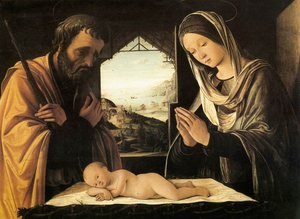
洛伦佐·科斯塔 (老)
1460 - 1535 , 意大利
艺术家简介
- Artistic Movement Or Style: 费拉拉与博洛尼亚画派
- Artists Who Influenced This Artist:
- 科西莫·图拉
- 弗朗切斯科·弗兰卡
- Date Of Birth: 约1460年,意大利费拉拉
- Date Of Death: 1535年3月5日
- Full Name: 洛伦佐·科斯塔 (老)
- Nationality: 意大利文艺复兴
- Notable Artworks:
- 维纳斯 (细节)
- 圣彼得在枷锁小堂主祭坛画
- 圣母与圣徒
- Place Of Birth: 费拉拉
相关文章


埃尔·格列柯25幅杰作:探索艺术大师的信仰与火焰
探索埃尔·格列柯25幅杰作,领略这位西班牙画家巴洛克风格的宗教绘画魅力。从《圣塞巴斯蒂安》到《沉思者》,感受信仰与艺术的交融。OriginalUniqueArt.com提供高品质油画复制品,为您的家居装饰增添经典之美!探索完整系列作品。
北文艺坛巅峰:十幅定义时代的艺术巨作 | OriginalUniqueArt
探索北文艺复兴的辉煌!本文精选十幅定义时代的艺术杰作,从凡·艾克到鲁本斯,揭秘大师背后的故事与技法。 感受文艺复兴的魅力,为您的家注入艺术灵感。 博物馆级复制品尽在OriginalUniqueArt.com,探索完整画集!
Mario Sironi: A Poetic of Modern Italian Identity Through Symbolism & Social Commentary
Explore the profound works of Mario Sironi, a key figure in Italian Modernism. Discover his evolution from Futurism to Metaphysical painting and his powerful social commentary. Learn about his legacy at OriginalUniqueArt.

Drama and Light: A Definitive Guide to the Italian Baroque Masterpieces and the Revolution of Chiaroscuro
Explore the dramatic world of Italian Baroque art. Discover how masters like Caravaggio used chiaroscuro and tenebrism to revolutionize painting through light, shadow, and profound realism. A definitive guide for history lovers and art collectors.
