

 实景预览
实景预览
 发送
发送 分享
分享
 详情
详情 指南
指南

 下载图片
下载图片
 相似作品
相似作品 X射线
X射线 幻灯片播放
幻灯片播放 统计数据
统计数据Initiation, Liberia
 Acrylic On Canvas
- WallArt
- Harlem Renaissance
 1983
1983 89.0 x 59.0 cm
 美國國家藝術博物館
 阅读全文
阅读全文
艺术微喷/版画
博物馆级艺术微喷或帆布版画,制作高效,并提供多种饰面选择。 ( 订购此收藏品的纯手工复刻画作 切换至数字图像销售渠道)




P118B ¥10

P118H ¥10

P118W ¥10

P438Z ¥10

P508JH ¥12

P508YH ¥12

P805H ¥10

P805Z ¥10

P919BZ ¥10

P919G ¥10

P919XJ ¥10

P959ZH ¥10

P968JZ ¥12

W106C ¥8

W218G ¥10

W218JH ¥8

W218Y ¥10

W307PJ ¥10

W316G ¥10

W316PJ ¥8

W316Y ¥10

W398PJ ¥8

W4111J ¥10

W500HY ¥15

W500JH ¥15

W692G ¥12

W849H ¥8

W940BG ¥15

W953PJ ¥8




您可以从与原作比例一致的预设尺寸中进行选择。

请输入您所需的宽度和高度,以适配您的画框或墙面。由于印刷品只能进行裁剪,无法超出原图尺寸,因此若比例不一致,画面的一部分将会被裁切。在正式印刷之前,我们会为您发送一份数字效果图供您确认。本页面显示的图片并非最终裁剪后的效果——只有效果图才能展示真实的裁剪情况。


 玻璃选项仅适用于110厘米以下的尺寸。

Initiation, Liberia
艺术微喷/版画
复刻品尺寸说明
-


总计金额
¥ 537
A Vision of Ritual and Resilience: Exploring “Initiation, Liberia”
Lois Mailou Jones’s 1983 painting, "Initiation, Liberia," is more than a depiction of a single event; it's a vibrant tapestry woven from African heritage, American identity, and the profound symbolism of initiation rituals. The work immediately captivates with its bold color palette – a riot of blues, reds, yellows, greens, and oranges—a deliberate homage to the rich hues found in West Africa, particularly Liberia’s landscape and culture. Yet, within this exuberant vibrancy lies a quiet intensity, centered around a young woman whose veiled eyes hold both vulnerability and unwavering strength.
At first glance, the painting presents a seemingly simple portrait. However, closer inspection reveals layers of meaning deeply rooted in the Sande society initiation ceremony practiced by women in Liberia. The white cloth draped across her face isn’t merely a covering; it represents the temporary severance from the outside world, a symbolic passage into womanhood and leadership. The receding profiles at the left of her head suggest continuity – a lineage of women who have undergone this transformative ritual before her, connecting her to generations past.
The Artist's Context: Mailou Jones and the Harlem Renaissance
To fully appreciate “Initiation, Liberia,” it’s crucial to understand Lois Mailou Jones’s artistic journey. Born in Boston in 1905, she was deeply influenced by her parents—a lawyer and a cosmetologist—who instilled in her a love for creativity and an appreciation for diverse cultural traditions. Her early years on Martha's Vineyard exposed her to the vibrant art scene of New England, fostering connections with influential figures like Meta Warrick Fuller and Dorothy West. Jones’s work is inextricably linked to the Harlem Renaissance, a period of immense artistic flourishing in the 1920s and 30s. She embraced this movement’s spirit of celebrating African American identity and heritage while simultaneously drawing inspiration from her own experiences as an artist navigating racial prejudice.
Jones's travels throughout Africa and the Caribbean profoundly shaped her style, leading her to incorporate traditional African motifs – particularly mask imagery – into her paintings. She meticulously studied these masks, not merely copying their forms but understanding their symbolic significance within the context of initiation rites and spiritual beliefs. “Initiation, Liberia” is a testament to this deep engagement with African culture, reflecting Jones’s desire to honor and preserve its rich artistic traditions.
Technique and Composition: A Dance of Color and Form
Jones employed a dynamic, expressive technique characterized by bold brushstrokes and layered application of paint. The composition is carefully balanced, drawing the viewer's eye directly to the central figure while simultaneously engaging with the surrounding background. The use of color isn’t arbitrary; it’s deliberately chosen to evoke specific emotions and associations. The vibrant hues create a sense of energy and vitality, mirroring the dynamism of the initiation ritual itself. Note the subtle gradations in tone – the way she builds up layers of paint to create depth and texture—a testament to her mastery of color theory.
The painting’s surface is rich with visual detail, from the intricate patterns in the background to the delicate rendering of the woman's braided hair. Jones skillfully used contrasting textures – smooth areas of color juxtaposed against rougher brushstrokes – to create a sense of movement and dynamism. The overall effect is one of both immediacy and timelessness, capturing a fleeting moment while simultaneously conveying a profound sense of cultural significance.
A Legacy of Representation: Symbolism and Emotional Resonance
“Initiation, Liberia” transcends its subject matter to become a powerful statement about female empowerment, cultural heritage, and the enduring strength of African traditions. The veiled eyes of the young woman invite contemplation – are they filled with fear, anticipation, or perhaps a quiet determination? The painting serves as a reminder of the vital role women have played in shaping societies throughout history, often operating behind the scenes while upholding ancient rituals and customs. It’s a work that continues to resonate today, prompting viewers to reflect on themes of identity, belonging, and the importance of preserving cultural memory.
问答详情
"Initiation, Liberia" 的材质是什么,采用了哪种风格?
洛伊斯·梅洛·琼斯 的《Initiation, Liberia》 将 Acrylic On Canvas 技法与 Harlem Renaissance 流派风格完美融合。技法与流派分别描述了作品的创作手法及其艺术风格。
考虑到其色彩搭配,建议将 洛伊斯·梅洛·琼斯 的《Initiation, Liberia》 悬挂在哪个房间?
凭借其Earthy的色调,洛伊斯·梅洛·琼斯 的《Initiation, Liberia》非常适合布置在Living Room中。其色彩搭配正是这一推荐的核心原因。
哪种尺寸的 洛伊斯·梅洛·琼斯 的《Initiation, Liberia》 打印件更适合推荐的房间?
在Living Room中,建议将"Initiation, Liberia"打印为Medium的大小。
艺术家简介
沉浸于色彩与文化的一生
洛伊斯·梅洛·琼斯(Lois Mailou Jones),这个名字本身就是开创性艺术成就与对非裔美国人身份表达不懈追求的代名词。1905年11月3日,她出生于马萨诸塞州的波士顿。自幼年起,她便成长于一个珍视创造力的环境中;她的父母——律师托马斯·弗里兰·琼斯与美容师卡洛琳·亚当斯·琼斯,悉心呵护并鼓励她展现出在绘画方面的天赋,尤其是那种如水彩般灵动优雅的笔触。在玛莎葡萄园岛度过的那些夏天对她的成长至关重要,在那里,年幼的洛伊斯结识了一群极具影响力的艺术先驱——雕塑家梅塔·沃里克·富勒、作曲家哈里·恩·伯利以及小说家多萝西·威斯特——这些人物在潜移默化中塑造了她的艺术感官。这段早期的艺术熏陶不仅赋予了她对美的鉴赏力,更在她心中植入了文化自豪感与导师传承的重要性,这些价值观贯穿了她的整个生命。她的正式教育始于波士顿实用艺术高中(1919-1923),随后凭借一份来之不易的奖学金,在波士顿美术博物馆参加了夜校课程。在跟随服装设计师格蕾丝·里普利进行关键性的学徒训练期间,她的艺术视野得到了进一步拓展,并由此萌生了对非洲面具及其象征性表达潜力的早期痴迷。即便在青少年时期,琼斯便已展现出非凡的雄心,年仅十七岁便在玛莎葡萄园岛举办了个人首展。此后,她继续在波士顿美术博物馆学校(1923-1927)磨炼技艺,期间屡获苏珊·米诺特·莱恩奖学金,并辅以波士顿师范艺术学院的课程学习,最终于1928年在波士顿设计艺术学院获得了设计专业的硕士学位。从纺织设计走向艺术独立
琼斯的职业生涯起步于纺织设计领域,曾先后效力于波士顿的F. A. Foster公司和纽约的舒马赫公司。然而,1928年夏天在哈佛大学的一次转型之旅点燃了她内心深处的渴望——全身心地投入到绘画创作之中。这一抉择恰逢哈莱姆文艺复兴运动的蓬勃发展,这场知识与艺术的运动对她的作品产生了深远影响。艺术家亚伦·道格拉斯的影响力尤为显著;他那极具风格化的非裔美国人生活描绘以及对非洲元素的融入,与琼斯自身正在形成的审美愿景产生了强烈共鸣。她的代表作《埃塞俄比亚的崛起》(The Ascent of Ethiopia)便是这一时期的见证,既反映了道格拉斯的风格影响,也体现了她致力于赞颂非洲遗产的坚定承诺。然而,琼斯并不满足于局限于单一的艺术流派或地理范畴。她开启了遍布欧洲、非洲和加勒比地区的广泛旅行,每一次远行都为她不断演变的风格留下了不可磨灭的印记。这些经历从字面意义和精神层面都拓宽了她的色彩调色盘,让她接触到多元的文化、绚丽的色彩以及观察世界的全新视角。1953年,她与海地平面设计师路易·维格诺·皮埃尔-诺埃尔的结合进一步丰富了她的艺术语言,将海地艺术特有的大胆图案和明亮色调引入了她的创作之中。随着时间的推移,琼斯的风格经历了一场卓越的蜕变,从早期的印象派倾向转向了立体主义元素与抽象主义更为动态的融合,且始终保持着一种独一无二的个人化笔触。在教育与倡导中铸就的传承
除了作为艺术家的成就,洛伊斯·梅洛·琼斯还将生命的大部分精力奉献给了教育与社会倡导。她在完成学业后不久便投身教学,却在波士顿美术学校院长建议她去南方而非留在本校寻找工作时,遭遇了令人沮丧的歧视。面对逆境,她并未退缩,而是于1928年在北卡罗维利亚州的帕尔默纪念学院创立了艺术系,并展现出惊人的多才多艺——她不仅担任篮球教练、教授民间舞蹈,还为教堂礼拜提供音乐伴奏。1930年,她在詹姆斯·弗农·赫林教授的指导下加入了华盛顿特区的霍华德大学教职团队,并在此担任设计与水彩绘画教授直至1977年退休。在霍华德大学期间,琼斯成为了几代非裔美国艺术家的导师,其中包括大卫·德里斯克、伊丽莎白·卡特莱特和西尔维娅·斯诺登等名家,她悉心培养他们的才华,并为他们提供克服系统性障碍所需的鼓励。在她的整个职业生涯中,她孜孜不倦地倡导非裔美国艺术与艺术家的认可,挑战普遍存在的偏见,并在艺术界捍卫多样性。20世纪70年代,她还担任美国新闻署派往非洲的文化大使,进一步巩固了她作为文化桥梁和艺术交流有力发声者的角色。先驱者永恒的影响力
洛伊斯·梅洛·琼斯对美国艺术的贡献是无法估量的。她的作品如今被收藏于史密森尼美国艺术博物馆、大都会艺术博物馆以及国家女性艺术博物馆等著名机构,这便是她永恒遗产的明证。她为非裔美国艺术家打破了藩篱,证明了才华是不受种族界限限制的。1929年,她在威廉·E·哈蒙基金会举办的展览(“黑人青年”)在机会匮乏的时期,帮助提升了新兴黑人艺术家的关注度。琼斯本人常说,她最大的贡献在于“证明了黑人艺术家的才华”。她的艺术旅程跨越数十年,涵盖了多元的影响力,反映了她终身致力于探索非洲遗产、美国血统、文化身份以及非裔美国人所面临的社会斗争的主题。她在风格转变中展现出优雅与创新,始终忠于自己独特的愿景。洛伊斯·梅洛·琼斯于1998年6月9日在华盛顿特区逝世,留下了一份丰富的艺术遗产,至今仍在激励并挑战着观众。她的画作不仅仅是对世界的描绘;它们是对生命、文化以及人类精神不朽力量的绚烂赞歌。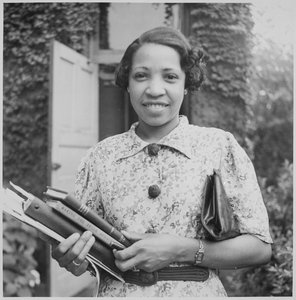
洛伊斯·梅洛·琼斯
1905 - 1998 , 美国
快速概览
- Artistic Movement Or Style: 哈莱姆文艺复兴, 印象派
- Artists Or Movements Influenced By This Artist:
- 大卫·德里斯克
- 伊丽莎白·卡特莱
- Artists Who Influenced This Artist:
- 亚伦·道格拉斯
- 梅塔·沃里克·富勒
- Date Of Of Death: 1998年6月9日
- Date Of Birth: 1905年11月3日
- Full Name: 洛伊斯·梅洛·琼斯
- Nationality: 美国
- Notable Artworks:
- 《法国少女》
- 《图腾》
- 《利比里亚的入会仪式》
- 《埃塞俄比亚的崛起》
- Place Of Birth: 美国波士顿
相关文章

Grant Wood & American Regionalism: Identity, Myth & the Rural Landscape
Explore the world of Grant Wood & American Regionalism with OriginalUniqueArt. Discover the symbolism behind 'American Gothic', recurring themes, and the movement's lasting impact on art history. High-quality reproductions available.

American Realism's Defining Works: 10 Masterpieces for Your Home
Explore 10 defining American Realism masterpieces – Hopper, Homer & more. Discover the stories behind these iconic paintings and bring timeless art to your home with OriginalUniqueArt's museum-quality reproductions. Explore the full collection online.
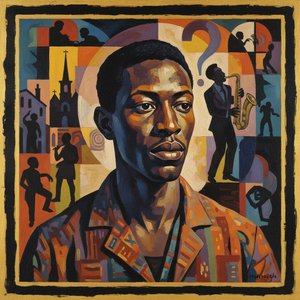
William H. Johnson: A Life Painted in Bold Strokes – Race, Identity & Modernism
Explore the powerful life & art of William H. Johnson – a pivotal American painter who captured African American experiences with bold expressionism and folk art style. Discover his legacy at OriginalUniqueArt.
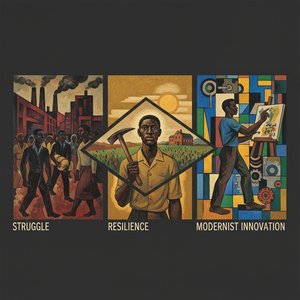
Jacob Lawrence: Narratives of Struggle, Resilience & Modernist Innovation
Explore the powerful narratives of Jacob Lawrence, a pivotal African American artist of the Harlem Renaissance. Discover his iconic 'Migration Series,' dynamic cubism style, and lasting impact on American art history.
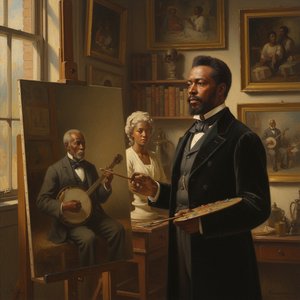
Henry Ossawa Tanner: Pioneering African American Representation in 19th-Century Art
Explore the life and groundbreaking work of Henry Ossawa Tanner, a pioneering African American artist who achieved international acclaim with his deeply spiritual and realistic paintings. Discover his legacy at OriginalUniqueArt.