

 效果预览
效果预览
 分享
分享 分享
分享
 详情
详情

 下载
下载
 相似作品
相似作品 X射线
X射线 幻灯片播放
幻灯片播放 统计数据
统计数据Untitled (D2WW5C)


 展开详情
展开详情
艺术微喷/版画
博物馆级艺术微喷或帆布版画,制作高效,并提供多种饰面选择。 ( 购买手绘画作 切换至数字图像销售渠道)




P118B $10

P118H $10

P118W $10

P438Z $10

P508JH $12

P508YH $12

P805H $10

P805Z $10

P919BZ $10

P919G $10

P919XJ $10

P959ZH $10

P968JZ $12

W106C $8

W218G $10

W218JH $8

W218Y $10

W307PJ $10

W316G $10

W316PJ $8

W316Y $10

W398PJ $8

W4111J $10

W500HY $15

W500JH $15

W692G $12

W849H $8

W940BG $15

W953PJ $8




从与原作比例一致的预设尺寸中进行选择。

您可以输入自定义尺寸,以适配特定的画框或空间。如果您选择的尺寸与原图比例不符,我们将对作品进行裁剪,或通过镜像填充/纯色填充边缘的方式来扩展图像。在开始制作之前,我们会向您发送一份数字效果图供您确认。
请注意,屏幕上的预览并不能反映实际的裁剪或扩展效果。只有效果图才能准确展示最终的构图。
虽然我们提供定制尺寸,但为了保持原图比例,我们建议您从预设列表中选择尺寸。


 玻璃选项仅适用于110厘米以下的尺寸。

Untitled (D2WW5C)
艺术微喷/版画
复制品尺寸
-


最终总价
$ 80
A Renaissance Triumph: Lo Scheggia’s “The Triumph of Fame”
Lo Scheggia's "The Triumph of Fame," painted around 1449, isn’t merely a depiction of a celebratory event; it’s a vibrant encapsulation of the burgeoning humanist ideals and dynastic ambitions that defined Florence during the early Renaissance. Commissioned to commemorate the birth of Lorenzo de’ Medici – later known as “il Magnifico” – this circular tempera panel on wood pulsates with life, radiating an almost overwhelming sense of grandeur and aspiration. The artwork immediately draws the eye to a central allegorical figure embodying Fame herself, her outstretched hands gesturing towards a procession of knights, each vying for her attention, symbolizing the pursuit of renown and influence. This wasn’t simply a portrait; it was a carefully constructed visual argument for Lorenzo's lineage and future power.A Masterful Blend of Technique and Symbolism
Scheggia’s skill lies not just in his ability to capture likeness, but in his masterful manipulation of color and texture. The vibrant reds of the Medici family’s banners contrast sharply with the cooler tones of the knights' armor, creating a dynamic visual rhythm. Notice the meticulous detail lavished on the figures – the intricate folds of their garments, the glint of silver and gold embellishments, and the subtle expressions conveying ambition and deference. The use of tempera paint allowed for layering and glazing, building up rich colors and luminous effects that were characteristic of Florentine painting at this time. The circular format itself is significant; it evokes a halo effect around Fame, elevating her to an almost divine status – a fitting representation for the most coveted prize in Renaissance society.The Medici Dynasty and the Pursuit of Legacy
Understanding the historical context is crucial to appreciating “The Triumph of Fame.” Lorenzo de’ Medici's birth was a pivotal moment for Florence, marking the beginning of a period of unprecedented political and cultural stability under his rule. The painting reflects this optimism and ambition, explicitly celebrating the Medici family’s claim to power and influence. The inclusion of the Tornabuoni family arms alongside those of the Medici underscores the importance of alliances and strategic marriages in securing dynastic legitimacy. The very act of commissioning such a grand celebration speaks volumes about Lorenzo's father, Piero de’ Medici’s desire to establish his own legacy – a legacy that his son was destined to surpass.Beyond the Surface: Layers of Meaning
Delving deeper reveals layers of symbolic complexity. The winged cupid held by Fame represents the allure and often treacherous nature of celebrity, while the sword symbolizes both power and the potential for violence inherent in the pursuit of renown. The knights themselves represent various factions vying for Lorenzo’s favor – a microcosm of Florence's complex political landscape. Even the reverse side of the panel, featuring an image of the Medici family crest with the motto “Semper,” reinforces this message of enduring power and legacy. “The Triumph of Fame” is therefore not just a celebratory portrait; it’s a carefully orchestrated visual statement about ambition, lineage, and the complex dynamics of Renaissance Florence.A Timeless Masterpiece for Today
Today, reproductions of “The Triumph of Fame” continue to captivate viewers with its vibrant colors, dynamic composition, and profound symbolism. Its rich textures and luminous effects evoke a sense of timeless beauty, while the painting’s themes – ambition, legacy, and the pursuit of excellence – remain remarkably relevant. Whether adorning a grand salon or a more intimate space, this artwork offers a glimpse into the heart of Renaissance Florence and serves as a powerful reminder of the enduring allure of human achievement.艺术家简介
Filippo Lippi: A Renaissance Rebel and Master of Light
Filippo Lippi, born around 1406 in Florence and tragically dying in Spoleto in 1469, remains one of the most enigmatic and compelling figures of the Early Renaissance. More than just a painter, he was a complex individual – a reluctant friar, a passionate lover, a rebellious spirit, and ultimately, a profoundly gifted artist who defied convention and redefined the possibilities of visual storytelling. His life, shrouded in both romantic legend and documented scandal, mirrors the turbulent artistic landscape of his time, while his art continues to captivate with its luminous beauty and psychological depth.Early Life and Unconventional Beginnings
Lippi’s early years were marked by an unusual upbringing. Orphaned at two, he was entrusted to the care of his aunt, who placed him in the Carmelite friary of Santa Maria del Carmine in Florence – a decision driven more by necessity than affection. This placement, however, proved transformative. While initially intended as a temporary arrangement, Lippi’s artistic talent quickly shone through, captivating the attention of the prior and leading to his formal entry into the order at the age of sixteen. His life within the friary was far from serene; he struggled with religious discipline, harboring a deep-seated desire for worldly pleasures – most notably, a passionate affair with Lucrezia Buti, a nun who bore him two children. This scandalous relationship led to his expulsion from the convent and eventual marriage, forever branding him as a figure of contradiction: a devout artist wrestling with earthly desires. This unconventional background profoundly shaped his artistic vision, imbuing it with a sense of human drama and emotional complexity rarely seen in contemporary works.Influences and Artistic Development
Lippi’s early style was undeniably influenced by the revolutionary work of Masaccio at the Brancacci Chapel in Santa Maria del Carmine. The use of linear perspective, anatomical accuracy, and a nascent sense of realism were all hallmarks of Masaccio's approach, and Lippi initially adopted these techniques with enthusiasm. However, as he matured, his style underwent a dramatic shift, moving away from strict academic precision towards a more expressive and decorative aesthetic. He embraced rich color palettes, intricate details – particularly in drapery and ornamentation – and a dynamic sense of movement that set him apart from his contemporaries. His work began to reflect the humanist ideals of the era, exploring psychological states and capturing fleeting moments of emotion with unprecedented sensitivity. The influence of Donatello’s sculpture is also evident in Lippi's figures, particularly their dynamism and expressive gestures.Major Works and Innovations
Lippi’s artistic output was remarkably prolific, encompassing a diverse range of subjects including religious scenes, portraits, and decorative panels. His *Madonna and Child Enthroned* (c. 1437-1438), now in the Uffizi Gallery, exemplifies his early style – characterized by meticulous detail, balanced composition, and a subtle use of perspective. However, it was his monumental fresco cycle in Prato Cathedral, depicting the lives of St Stephen and St John the Baptist (1452–66), that cemented his reputation as one of the greatest artists of his time. This ambitious project showcased Lippi’s mastery of color, composition, and narrative storytelling, establishing him as a leading figure in the Florentine art world. Furthermore, he pioneered the use of the *sacra conversazione*, a format featuring multiple figures within a single frame, creating dynamic and engaging compositions that were revolutionary for their time. His work on the Barbadori Altarpiece (1437-1440) is considered one of the earliest examples of this innovative approach.Legacy and Historical Significance
Filippo Lippi’s legacy extends far beyond his individual works. He was a pivotal figure in the transition from Gothic to Renaissance art, embodying the spirit of innovation and experimentation that characterized the era. His willingness to challenge conventional artistic norms – both religious and stylistic – made him a controversial yet admired figure. His influence on subsequent generations of artists is undeniable, particularly Sandro Botticelli, who undoubtedly studied under Lippi and absorbed his distinctive style. Lippi’s life story—a blend of piety, passion, scandal, and artistic genius—continues to fascinate art historians and enthusiasts alike, solidifying his place as one of the most intriguing and important figures in Renaissance Italy. His work remains a testament to the power of art to capture both the beauty and the complexities of human experience.
lo scheggia
1406 - 1486 , Italy
艺术家简介
- Artistic Movement Or Style: Early Renaissance
- Artists Or Movements Influenced By This Artist: ['Botticelli']
- Artists Who Influenced This Artist: ['Masaccio']
- Date Of Birth: c. 1406
- Date Of Death: 1469
- Full Name: Filippo Lippi
- Nationality: Italian
- Notable Artworks:
- Madonna and Child
- Annunciation
- Seven Saints
- Place Of Birth: Florence, Italy
相关文章
文艺复兴曙光:早期运动的艺术创新与人文精神
深入探索文艺复兴的艺术创新与人文精神!了解达芬奇、米开朗基罗等大师的作品,定制专属油画,享受专业艺术咨询服务。OriginalUniqueArt.com为您呈现高品质的艺术体验。
Agnolo Bronzino: Mastering Courtly Portraiture & the Enigmatic Gaze of Renaissance Florence
Explore the captivating world of Agnolo Bronzino, Renaissance master portraitist. Discover his elegant style, symbolic depth & lasting influence on art history. Expert insights for collectors.
The Currency of Vision: Patronage & Artistic Production Across History
Explore the rich history of art patronage & its impact on Renaissance masterpieces. Discover how wealth, power, and artistic vision converged to create enduring legacies. Learn about commissioning art today.
波提切利大师25幅杰作:文艺复兴之美与家居艺术灵感 | Sandro Botticelli's 25 Masterpieces: Renaissance Beauty & Home Decor Inspiration
探索波提切利大师的25幅杰作!深入了解《春》、《维纳斯的诞生》等经典文艺复兴绘画作品背后的故事、艺术技巧与文化意义。在OriginalUniqueArt.com,寻找高品质艺术品复制画,为您的家居空间增添永恒之美。立即探索完整系列!
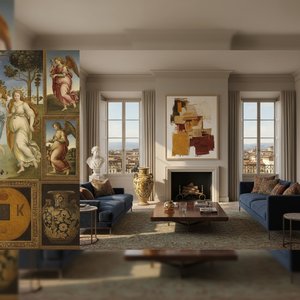
佛罗伦萨乌菲兹美术馆25幅杰作:文艺复兴艺术的巅峰之选
探索佛罗伦萨乌菲兹美术馆的25幅杰作!深入了解达芬奇、米开朗基罗等大师的作品背后的故事,感受文艺复兴艺术的辉煌。精美油画复制品,为您的家居增添经典之美。立即在OriginalUniqueArt.com发现更多艺术灵感。