

 实景预览
实景预览
 发送
发送 分享
分享
 详情
详情 指南
指南

 下载图片
下载图片
 相似作品
相似作品 X射线
X射线 幻灯片播放
幻灯片播放 统计数据
统计数据In the Sunlight


 阅读全文
阅读全文
手工油画复制品
由我们的艺术家按需定制,为您提供您所选尺寸及画框的布面手工油画。 ( 切换至版画销售渠道 切换至数字图像销售渠道)




P118B ¥10

P118H ¥10

P118W ¥10

P438Z ¥10

P508JH ¥12

P508YH ¥12

P805H ¥10

P805Z ¥10

P919BZ ¥10

P919G ¥10

P919XJ ¥10

P959ZH ¥10

P968JZ ¥12

W106C ¥8

W218G ¥10

W218JH ¥8

W218Y ¥10

W307PJ ¥10

W316G ¥10

W316PJ ¥8

W316Y ¥10

W398PJ ¥8

W4111J ¥10

W500HY ¥15

W500JH ¥15

W692G ¥12

W849H ¥8

W940BG ¥15

W953PJ ¥8




您可以从与原作比例一致的预设尺寸中进行选择。

请输入您需要的宽度和高度,以适配您的画框或墙面。由于作品为手工绘制,若您选择不同的尺寸比例,艺术家可能会在画面边缘多画一些或稍作裁剪 —— 由您决定。在开始绘画之前,我们会为您发送一份数字效果图供您确认。本页面上展示的图片并非最终实物 —— 只有效果图才能反映真实结果。
下单后,OriginalUniqueArt.com 团队将通过电子邮件联系客户获取具体要求,并提供效果预览图


 玻璃选项仅适用于110厘米以下的尺寸。

In the Sunlight
复制品材质
复刻品尺寸说明
-


总计金额
¥ 2015
A Vibrant Tapestry of Community Life
In the luminous canvas of "In the Sunlight," the viewer is instantly transported into a world where the warmth of the sun is matched only by the warmth of human connection. This captivating piece by the contemporary master Liu Wei serves as a window into a spirited village scene, rendered with a palette that breathes life into every corner of the composition. The painting captures a moment of profound communal harmony, where individuals are gathered in a loose, organic arrangement, their silhouettes and colorful attire suggesting a shared rhythm of existence. As eyes wander through the scene, one discovers the subtle presence of animals—two loyal dogs flanking the edges and a solitary sheep nestled near the center—which ground the human activity within the pastoral tranquility of the landscape. It is a work that does not merely depict a setting, but evokes an atmosphere of belonging.
The technique employed in this work reflects Liu Wei’s unique ability to navigate the complexities of modern existence through a lens of vibrant expressionism. While his broader body of work often grapples with the "cartography of chaos" and the anxieties of rapid urbanization, "In the Sunlight" offers a more lyrical departure, focusing on the beauty of stillness and social cohesion. The brushwork is fluid and energetic, creating a sense of movement that mimics the gentle breeze or the low hum of conversation passing between neighbors. Through the masterful use of light and color, the artist achieves a painterly texture that invites the eye to linger on the interplay of shadow and brilliance, making the sunlight feel almost tangible upon the viewer's skin.
For the discerning collector or interior designer, this artwork represents more than just a beautiful image; it is an emotional anchor for any space. The painting’s ability to balance lively, saturated tones with a sense of peaceful nostalgia makes it a versatile masterpiece for high-end residential or curated gallery settings. It possesses the rare quality of being both a conversation starter and a soothing presence, capable of injecting vitality into a minimalist room or adding a layer of soulful depth to a classic study. To possess a reproduction of this work is to invite the eternal essence of community and the restorative power of light into one's own environment, serving as a constant reminder of the simple, profound joys found in the sunlight of shared life.
问答详情
"In the Sunlight" 描绘了怎样的内容,又营造了怎样的氛围?
Liu Wei 的《In the Sunlight》 描绘了 village life, people, dogs, sheep, community, sunlight, social scene,呈现出 Playful 的意境。其主题与氛围共同构成了这件作品的精髓。
哪些色调与主导色彩定义了“In the Sunlight”?
Liu Wei 的《In the Sunlight》 采用了 Earthy 色调,并以 Black (#14100a) 作为主导色。
是否有关于 Liu Wei 的《In the Sunlight》 的指南?
Liu Wei 的《In the Sunlight》 的 指南 页面提供了一份可打印的两页式学生资料单:包含作品及其身份信息表、将其置于艺术家生平中的年代轴、艺术家的其他作品、经测量的色板,以及四种格式的即用型引用文献。
艺术家简介
A Cartography of Chaos: The World of Liu Wei
Born in Beijing in 1972, Liu Wei emerged from a China undergoing seismic transformation—a period defined by breakneck urbanization, economic upheaval, and a burgeoning sense of cultural anxiety. This context is not merely biographical detail for Liu; it’s the very bedrock upon which his artistic practice is built. He isn't simply *representing* this change, but actively dissecting its contradictions, anxieties, and absurdities through a remarkably diverse body of work encompassing painting, sculpture, video installation, and drawing. Early on, after graduating from the China Academy of Art in Hangzhou in 1996, Liu experienced what he describes as a period of artistic gestation—a time of experimentation following years spent producing more conventional oil paintings. This post-graduate phase proved crucial, allowing him to shed established norms and embrace a radical fluidity in his approach. He began exploring the human body through video projects, works that were intuitive and impulsive, yet hinted at the themes that would come to define his mature style: alienation, fragmentation, and the precariousness of identity.From Impulsive Beginnings to Systemic Critique
The late 1990s saw Liu Wei become a key figure in the “Post-Sense Sensibility” movement—a group of artists challenging prevailing artistic trends with subversive explorations of the body and its relationship to a rapidly changing society. This period was formative, fostering a collaborative spirit and a willingness to confront uncomfortable truths. However, it was his participation in the 2003 Shenzhen International Public Art Exhibition that proved pivotal. Initially envisioning an ambitious installation involving an airplane boarding bridge—a symbol of global connectivity and aspiration—Liu encountered the frustrating realities of bureaucratic obstacles and logistical limitations. This experience became a defining moment, revealing to him the inherent “systems” governing everyday life and their capacity to stifle creative expression. It marked a shift towards a more pragmatic approach, one focused on dissecting the materials and structures that constitute this very system. This frustration birthed a fascination with found objects—items imbued with pre-existing meaning and cultural baggage—which he began recontextualizing in startling and often unsettling ways.The Language of Excess: Materials and Meaning
Liu Wei’s work is characterized by an almost deliberate embrace of excess, corruption, and aggression. This isn't gratuitous shock value; rather, it’s a reflection of the cultural anxieties simmering beneath the surface of China’s economic boom. The “Super Structure” series—intricate model cityscapes constructed from dog chews—is perhaps his most iconic work. These miniature metropolises, built from brightly colored, mass-produced objects associated with consumerism and pet ownership, are simultaneously alluring and repulsive. They evoke a sense of playful chaos, yet also hint at the fragility and artificiality of urban development. Similarly, his “Purple Air” paintings—stylized depictions of skyscrapers bathed in an unnatural violet hue—capture the dreamlike quality of contemporary cities while subtly undermining their grandeur. The use of color is deliberate; the purple evokes a sense of unease, suggesting something synthetic and otherworldly. Other series, like the “Landscape Series,” composed from photographic composites of human buttocks, are deliberately provocative, challenging conventional notions of beauty and representation. Even his more outlandish creations—such as *Indigestion II*, a two-meter model turd—serve to disrupt expectations and force viewers to confront uncomfortable realities about consumption and waste.International Recognition and Lasting Impact
Liu Wei’s work has garnered international acclaim, featured in major exhibitions at institutions like the Guggenheim Museum in New York, the Venice Biennale, and the Ullens Center for Contemporary Art in Beijing. He received the Atron AAC Award for Artist of the Year in 2016, solidifying his position as a leading figure in contemporary Chinese art. His participation in these global forums has not only broadened his audience but also facilitated a deeper understanding of the complex socio-political issues at play within China’s rapidly evolving landscape. Conceptualism, satire, and humor are hallmarks of his practice, allowing him to address sensitive topics with both wit and incisiveness. He doesn't offer easy answers or didactic pronouncements; instead, he presents viewers with a fragmented and often unsettling vision of the world, prompting them to question their own assumptions and biases. His influence extends beyond the realm of visual art, inspiring dialogue about urbanization, consumerism, and the cultural anxieties that define our time.A Continuing Exploration
Liu Wei continues to live and work in Beijing, relentlessly pushing the boundaries of his artistic practice. His recent works demonstrate a continued fascination with materials, systems, and the contradictions inherent in contemporary society. He remains committed to exploring the complexities of the urban landscape, challenging conventional notions of beauty and representation, and prompting viewers to confront uncomfortable truths about the world around them. His art is not simply a reflection of China’s transformation; it's an active interrogation of its underlying structures—a cartography of chaos that reveals both the allure and the anxieties of a nation in perpetual flux.
Liu Wei
1972 - , China
快速概览
- Artistic Movement Or Style: Conceptual Art, Satire
- Date Of Birth: 1972
- Full Name: Liu Wei
- Nationality: Chinese
- Notable Artworks:
- Super Structure series
- Purple Air paintings
- Landscape Series
- Indigestion II
- Place Of Birth: Beijing, China
相关文章

Capturing Nostalgia: The Timeless Allure and Art History of Village Scene Landscapes
Explore the profound beauty of village scene art. From Impressionist light to pastoral realism, discover how timeless landscapes capture nostalgia through expert artistry and historical depth. Perfect for collectors seeking evocative, museum-quality landscape inspirations.
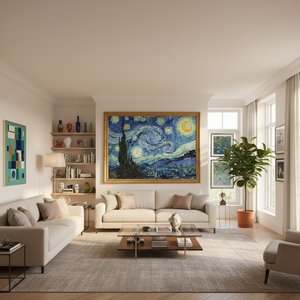
Top 10 Masterpieces for Your Living Room: Iconic Paintings & Art Decor Ideas |
Transform your living room with iconic art! Explore our guide to the Top 10 most famous paintings – from Van Gogh's Starry Night to Mona Lisa. Discover artist stories, techniques & find museum-quality reproductions for timeless decor. Explore the full collection on

Capturing Forever: How Live-Painted Wedding Art Creates Unforgettable Keepsakes for Your Guests
Discover how live-painted wedding art elevates luxury celebrations. Learn to integrate bespoke fine art into your event design to create timeless, hand-painted heirlooms that captivate guests and transform fleeting moments into lasting masterpieces.

葛饰北斋:25幅传世名作,浮世绘大师的艺术传奇 (Katsushika Hokusai: 25 Masterpieces, The Art Legacy of the Ukiyo-e Master)
探索葛饰北斋的25幅传世名作!深入了解浮世绘大师的艺术传奇,感受《神奈川冲浪波》等经典作品背后的故事与魅力。OriginalUniqueArt.com提供博物馆级高质量复制品,为您的家居带来日本风情和艺术灵感。立即探索完整系列!
Beyond Emotes: Leveraging Exclusive Artwork for Community Building and Fan Engagement on Twitch
Elevate your Twitch channel with exclusive artwork! Learn how to build stronger communities, commission unique pieces, & navigate art licensing. Expert advice for streamers.