- 首页

- 数字图像作品
- leopoldo gotuzzo
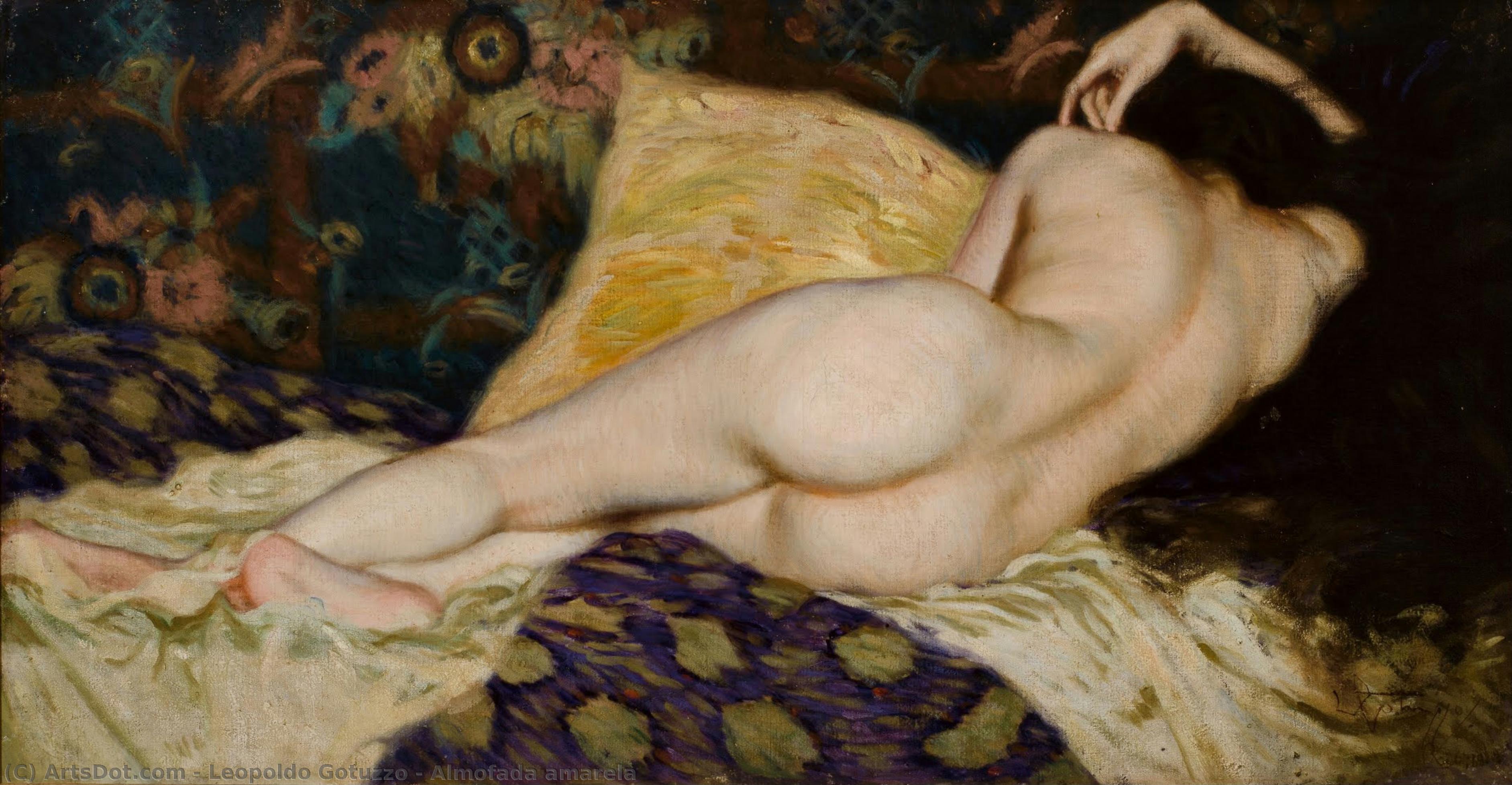
- Almofada amarela
 Preview
 购买版画
购买版画 分享
分享 分享
分享
 详情
详情

 下载
下载
 相似作品
相似作品 X射线
X射线 幻灯片播放
幻灯片播放Almofada amarela
 1923
1923 60.0 x 115.0 cm
 Iberê Camargo Foundation
 展开详情
展开详情
购买高分辨率增强版数字图像,其品质远超在线预览。
每一份文件都由我们的内部专家使用先进工具与专业的后期润色技术精心打造。我们确保每一张图像都具备卓越的清晰度、精准的色彩还原度以及细腻的细节表现。
最终文件将在 72 小时内通过电子邮件交付,并针对专业、编辑及印刷用途进行了优化。其品质与顶级设计工作室、出版社和画廊所信赖的标准完全一致。
每份数字图像订单均包含
专业数字图像交付,品质保障
选择 OriginalUniqueArt.com,您获得的不仅仅是一张图像——您收到的是经过专业级增强、精雕细琢的数字艺术作品,并享有满意保证。以下是您的订单中自动包含的所有内容:

邮件快速送达
您的高分辨率数字图像文件将在下单后 72 小时内通过电子邮件发送给您 —— 即可立即使用。

AI 增强型数字文件
您的艺术品经过专业优化,结合先进的 AI 技术与人工修饰,确保呈现极致的细节、清晰度与色彩准确度。

终身免费重发服务
不小心删除了文件或找不到了?没关系——我们将随时为您免费重发。

无需进口费用,始终如一
即刻拥有您的艺术作品,无需支付任何关税、税费或运费——数字下载始终免税。

色彩精准保证
我们通过专业工具与色彩管理技术,确保您的数字图像尽可能真实地还原原作色彩。

60天满意保证
如果您对所购买的数字图像不满意,我们将在60天内为您进行修改或退还100%的款项——无需任何解释。

100% 退款保证
如果不满意?在收到数字文件后的60天内,我们为您提供全额退款——无需任何理由。

批量订单优惠
购买 3 张图片可享 10% 折扣 - 购买 5 张可享 15% 折扣 - 购买 10+ 张可享 20% 折扣。非常适合创意项目、画廊和机构使用。
艺术家简介
Early Life and Artistic Foundations
Marcel Duchamp, a figure of profound influence on the trajectory of modern art, was born Henri-Robert-Marcel Duchamp in Blainville, Normandy, France, on July 28, 1887. His family background—his father a notary and his older brothers both accomplished artists—provided an unusual confluence of creative heritage. Jacques Villon, the elder brother, established himself as a painter and printmaker, while Raymond Duchamp-Villon pursued sculpture. This artistic lineage instilled in Marcel a deep appreciation for visual expression from a young age, though he initially resisted embracing a conventional artistic path. He studied at the Académie Julian in Paris between 1904 and 1905, absorbing the techniques of traditional painting but quickly recognizing their limitations. Duchamp’s early work demonstrated an engagement with contemporary trends—he was influenced by Post-Impressionism, particularly Cézanne's emphasis on geometric forms and the vibrant colors of Fauvism—yet he sought a more personal and intellectual approach to art. Crucially, his encounter with Arthur Wesley Dow in 1911 proved transformative. Dow’s philosophy, advocating for abstraction as a means of expressing inner feelings rather than merely replicating external reality, liberated Duchamp from the constraints of representational painting and paved the way for his radical innovations.The Rise of Cubism and Early Innovations
Following Dow's guidance, Duchamp embarked on a period of intense experimentation, producing highly abstract charcoal drawings that explored fragmented forms and spatial relationships. These works, largely unseen during his lifetime, reveal a nascent artistic language characterized by dynamism and a deliberate rejection of traditional perspective. His breakthrough came in 1912 with *Nude Descending a Staircase, No. 2*, a large-scale painting exhibited at the Salon des Indépendants in Paris. The work’s fragmented depiction of a female nude moving down a staircase caused considerable controversy and ridicule, as it defied conventional notions of beauty and representation. Despite this initial rejection, *Nude Descending a Staircase* established Duchamp's reputation as a provocateur and signaled his departure from traditional painting techniques. He continued to refine his Cubist style in the following years, incorporating elements of Futurism’s emphasis on movement and dynamism into his compositions—as evidenced by works like *Nu Torse* (1912). However, Duchamp's artistic trajectory shifted dramatically with the introduction of his “readymades” in 1913.The Readymade Revolution
Duchamp’s most revolutionary contribution to art lies in the concept of the readymade—a pre-existing object designated as a work of art by the artist's selection and presentation. His first readymade, *Bicycle Wheel* (1913), consisted of a bicycle wheel mounted on a wooden stool, transforming an ordinary industrial artifact into a conceptual artwork. This act challenged the very definition of art—it questioned the role of skill, craftsmanship, and aesthetic beauty in determining artistic value. The subsequent readymade, *Fountain* (1917)—a porcelain urinal signed “R. Mutt”—caused a monumental scandal when it was submitted to an exhibition of the Society of Independent Artists in New York City. The work’s blatant disregard for conventional notions of art and its satirical commentary on the art world sparked intense debate and cemented Duchamp's position as a radical innovator. He continued to explore the possibilities of readymades throughout his career, utilizing everyday objects—snow shovels, bottles, bricks—to create works that invited viewers to reconsider their perceptions of art and its relationship to the mundane.Surrealism, New York, and Conceptual Art
During the 1920s, Duchamp became involved with the Surrealist movement, collaborating with Man Ray on *New York Dada*, a publication dedicated to exploring the possibilities of Dada in America. He spent several years living and working in New York City, where he continued his experiments with chance operations and explored new artistic mediums, including film. His monumental work, *The Bride Stripped Bare by Her Bachelors, Even (The Large Glass)*, undertaken between 1915 and 1923, represents a culmination of his intellectual and artistic explorations—a complex and enigmatic allegory that reflects his fascination with sexuality, desire, and the subconscious. Following World War II, Duchamp returned to New York and continued to develop his conceptual approach to art, culminating in *Etant donnés* (1966), a three-dimensional reconstruction of *The Bride Stripped Bare by Her Bachelors, Even*. Marcel Duchamp’s legacy extends far beyond the specific artworks he created. He fundamentally altered the way artists think about their practice, shifting the focus from technical skill to conceptual ideas and challenging traditional notions of beauty and value.Historical Significance and Lasting Influence
Marcel Duchamp died in Neuilly-sur-Seine, France, on October 2, 1968, leaving behind a body of work that continues to provoke, challenge, and inspire artists today. His concept of the readymade is considered one of the most influential developments in modern art, paving the way for Conceptual Art and other avant-garde movements. Duchamp’s emphasis on intellectual rigor, his willingness to question established conventions, and his embrace of chance operations have profoundly shaped the course of artistic practice. He remains a pivotal figure in the history of art, whose radical ideas continue to resonate with artists and audiences alike. His work serves as a constant reminder that art is not simply about aesthetics but also about ideas, concepts, and the very nature of creativity itself.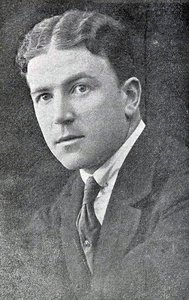
leopoldo gotuzzo
1887 - 1983 , Brazil
基本信息
- Artistic Movement Or Style:
- Cubism
- Dada
- Surrealism
- Artists Or Movements Influenced By This Artist:
- Johnston
- Pollock
- Artists Who Influenced This Artist:
- Cézanne
- Matisse
- Villon
- Dow
- Date Of Birth: July 28, 1887
- Date Of Death: October 2, 1968
- Full Name: Henri-Robert-Marcel Duchamp
- Nationality: French American
- Notable Artworks:
- Nude Descending a Staircase (No. 2)
- Fountain
- Etant donnés
- Place Of Birth: Blainville, Normandy

