购买版画
购买版画 分享
分享 分享
分享
 详情
详情

 下载
下载
 相似作品
相似作品 X射线
X射线 幻灯片播放
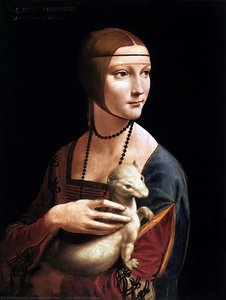
幻灯片播放Portrait of Ginevra de' Benci


 展开详情
展开详情




































从与原作比例一致的预设尺寸中进行选择。

您可以输入自定义尺寸,以适配特定的画框或空间。如果所选尺寸与原图比例不符,我们将通过裁剪作品或添加手绘元素来扩展画面。数字样稿将在制作开始前发送给您确认。
请注意,屏幕预览无法准确反映实际的裁剪或扩展效果,只有样稿才能真实呈现最终的构图。
虽然我们提供定制尺寸服务,但为了保留原作比例,建议您从预设列表中选择尺寸。
下单后,OriginalUniqueArt.com 团队将通过电子邮件联系客户获取具体要求,并提供效果预览图。


 玻璃选项仅适用于110厘米以下的尺寸。

Portrait of Ginevra de' Benci
复制材质
复制品尺寸
-


最终总价
-
作品详情
A Window into Renaissance Florence: Leonardo da Vinci’s Ginevra de' Benci
Leonardo da Vinci’s *Portrait of Ginevra de' Benci*, painted in 1474, is more than just a likeness; it’s a captivating glimpse into the world of 15th-century Florentine aristocracy and a testament to Da Vinci’s burgeoning genius. This oil-on-wood panel, now residing at the National Gallery of Art in Washington D.C., stands as one of his earliest masterpieces and remains the only painting by Leonardo on public view in the Americas.The Subject: A Woman of Intelligence and Grace
Ginevra de' Benci was a celebrated figure in Florence, renowned not merely for her beauty but also for her intellect and poetic talent. The portrait captures her at approximately 16 years old, likely commemorating either her engagement or marriage to Luigi di Bernardo Niccolini. She is depicted in a three-quarter pose, gazing slightly to the side with an expression that is both pensive and dignified. Her long, flowing hair – then considered fashionable for married women – adds to her elegance.Artistic Style & Revolutionary Technique
The painting exemplifies Da Vinci’s early mastery of Renaissance portraiture. He moves beyond the stiff formality of earlier depictions, imbuing Ginevra with a sense of *inner life*. The composition is remarkably innovative for its time. Da Vinci employs a shallow space, bringing the subject forward and creating an intimate connection with the viewer. Crucially, he utilizes his signature technique of *sfumato* – a subtle blurring of lines and colors – to create soft transitions and a lifelike quality. This delicate blending softens her features and lends an ethereal glow to her skin. The background landscape, though seemingly simple, is carefully constructed to provide depth and complement the subject’s composure.Symbolism & Hidden Meanings
The portrait is rich in symbolic detail. The juniper bush behind Ginevra isn't merely decorative; it was a symbol of female virtue in Renaissance Italy. Furthermore, the Italian word for juniper, *ginepro*, subtly alludes to Ginevra’s name – a clever play on words common during this period. The reverse of the panel reveals an emblem featuring a sprig of juniper encircled by laurel and palm branches, accompanied by the Latin motto “Virtvtem Forma Decorat” (“Beauty adorns virtue”). Scholarly research suggests connections to Bernardo Bembo, a Venetian diplomat with whom Ginevra shared a documented intellectual connection.Historical Context & Da Vinci’s Development
Painted during Da Vinci's first Florentine period, *Ginevra de' Benci* reveals his experimentation and departure from established artistic conventions. He was absorbing influences from artists like Andrea del Verrocchio (his teacher) while simultaneously forging his own unique style. This work foreshadows the groundbreaking achievements that would define his later career – masterpieces such as the *Mona Lisa* and *The Last Supper*. It represents a pivotal moment in art history, marking a shift towards greater realism, psychological depth, and artistic innovation.Emotional Impact & Enduring Appeal
Despite its age, the portrait continues to resonate with viewers today. Ginevra’s gaze is both direct and elusive, inviting contemplation and sparking curiosity about her life and thoughts. The painting evokes a sense of quiet dignity and restrained emotion. It's not a flamboyant display of wealth or status; rather, it’s an intimate portrayal of a woman who embodies the ideals of Renaissance humanism – intelligence, grace, and virtue.A Timeless Masterpiece for Your Space
- Historical Significance: An early masterpiece by Leonardo da Vinci, showcasing his innovative techniques.
- Subject Matter: A captivating portrait of Ginevra de' Benci, a celebrated Florentine woman.
- Artistic Style: Exemplifies Renaissance portraiture with the use of sfumato and realistic detail.
- Symbolism: Rich in symbolic meaning relating to virtue, beauty, and intellectual connection.
艺术家简介
列奥纳多·达·芬奇:文艺复兴的百科全书
列奥纳多·迪·谢罗·皮耶罗·达·芬奇(Leonardo di ser Piero da Vinci),1452 年出生于托斯卡纳地区文奇附近的安奇亚诺村,是文艺复兴时期最广为人知的代表人物之一——一位真正的博学者,其无尽的好奇心推动他跨越多个学科领域,在艺术、科学和工程学方面留下了不可磨灭的印记。他的名字本身已成为天才的代名词,证明了他非凡的天赋和远见卓识。列奥纳多是公证员皮耶罗·达·芬奇和农民卡特里娜所生的私生子,他早年的生活虽然不寻常,却也让他接触到了现实世界以及对自然的欣赏,这些都深刻地影响了他的艺术视野。他接受了基本的读写算术教育,但真正点燃了他创造性火花的是佛罗伦萨安德烈亚·德尔·维罗基奥(Andrea del Verrocchio)的学徒生涯。在维罗基奥的工作室里,列奥纳多不仅仅是在学习绘画或雕塑;他沉浸在一个充满技术技能的世界中,精通金属加工、木工、素描以及艺术创作的复杂性——这为他构建多元化的天才奠定了基础。即使在这个形成时期,就已流传着关于他非凡天赋的传闻,据说维罗基奥本人在目睹列奥纳多的卓越能力后,便放弃了绘画。
米兰时期的创新与艺术繁荣
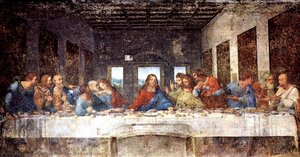
1482 年,列奥纳多开启了新篇章,进入米兰公爵路易斯·斯福尔扎(Ludovico Sforza)的效力。这不仅仅是一份艺术任命;列奥纳多担任军事工程师、建筑师、雕塑家和设计师,充分展现了他的多样技能。他构思了创新的防御工事,设计了华丽的舞台布景,甚至还绘制了奇幻机器的设计图。然而,正是在这一时期,他开始创作其最具标志性的杰作之一:《最后的晚餐》。这幅作品以壁画的形式在米兰圣玛利亚德尔格拉齐亚修道院的食堂中呈现,它超越了单纯的表现,是对人类情感和心理戏剧的深刻探索,捕捉了基督宣告背叛的那一刻。构图创新,运用透视技术精湛,将对西方艺术产生深远影响。尽管他在米兰时期完成了许多雕塑项目,但列奥纳多的发明精神仍在不断发展,为未来的科学探索奠定了基础。
佛罗伦萨回归与完美追求
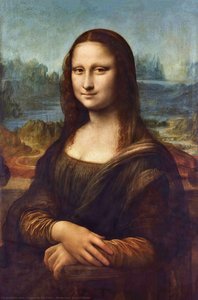
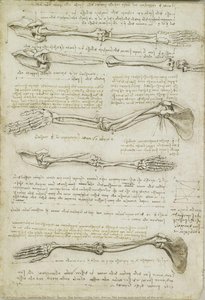
1499 年法军入侵米兰后,列奥纳多返回了艺术发展的巅峰——佛罗伦萨。尽管在此期间他完成的作品较少,但其影响却十分巨大。正是在这里,他开始创作出被公认为世界上最著名的画作之一:《蒙娜丽莎》(La Gioconda)。画中人物神秘的微笑和迷人的眼神几代人以来一直吸引着观众,而列奥纳多革命性的晕染法(sfumato)——通过微妙地混合光线和阴影来创造朦胧的轮廓和大气透视——极大地增强了这幅画作的空灵感。这一时期也见证了他对人体解剖学的研究不断精进,源于他对理解人体的科学精确性的坚定追求。他解剖尸体,以一系列令人难以置信地详细的图稿记录肌肉、骨骼和器官,这些图稿比当时的技术先进了几个世纪。
超越艺术的遗产:科学、发明与持久的影响
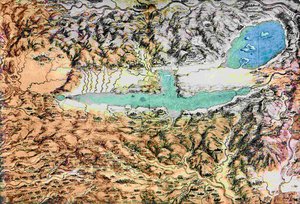
列奥纳多的后期岁月在佛罗伦萨、米兰和罗马之间穿梭,他一直备受追捧,但往往未能完成项目——这或许反映了他不安分的智慧以及兴趣领域的广阔。1516 年,他应法国国王弗朗索瓦一世的邀请前往安布瓦斯附近的克鲁塞城堡生活和工作,在那里度过了他的最后岁月。他在右半身瘫痪的情况下去世于 1519 年,留下了广泛的遗产,远远超出了艺术领域。他的笔记本揭示了在解剖学、光学、水力学、地质学和制图学方面开创性的工作——并构思了比当时先进几个世纪的发明,包括飞行器、坦克和先进武器。列奥纳多·达·芬奇对艺术史的影响是不可估量的。他提升了艺术家从熟练工匠到知识分子的地位,证明了艺术创作可以通过科学探究和对自然世界深刻理解来获得信息。他的画作以其现实主义、心理深度和创新技术而闻名。他仍然是人类好奇心、创造力和不懈追求知识的象征——一位真正体现文艺复兴精神的人物,几个世纪后,人们依然为之惊叹并充满敬佩。
主要成就与持久影响
- 绘画:《蒙娜丽莎》、《最后的晚餐》、《岩间圣母》、《报喜使》
- 素描与绘图: 广泛的人体解剖学研究、工程设计(飞行器、武器)、植物画
- 科学与工程: 在解剖学、光学、水力学、地质学和制图学方面开创性的工作。构思了比当时先进几个世纪的发明。
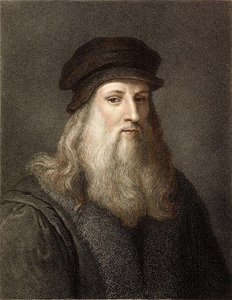
列奥纳多·达·芬奇
1452 - 1519 , 意大利
艺术家简介
- Artistic Movement Or Style: 文艺复兴时期
- Artists Or Movements Influenced By This Artist: ['文艺艺术']
- Artists Who Influenced This Artist: ['安德烈亚·德尔·委罗基奥']
- Date Of Birth: 1452年4月15日
- Date Of Death: 1519年5月2日
- Full Name: 列奥纳多·达·芬奇
- Nationality: 意大利人
- Notable Artworks:
- 蒙娜丽莎
- 最后的晚餐
- 维特鲁威人
- Place Of Birth: 意大利文奇镇
相关文章

意大利文艺复兴:人文主义精神觉醒与艺术辉煌时代
深入探索意大利文艺复兴:人文主义精神的觉醒、佛罗伦萨的艺术辉煌与大师们的杰作。OriginalUniqueArt提供精美油画复制和定制服务,助您领略经典艺术之美!
The Digital Portrait Renaissance: Transforming Personal Photography into Timeless Oil Paintings Through Artistic Reproduction
Transform your cherished photos into timeless oil paintings with OriginalUniqueArt's expert artists. Museum-quality reproductions & custom portraits, crafted to last a lifetime. Discover the art of personal legacy.
Renaissance Humanism's Greatest Art: 10 Masterpieces for Your Home
Explore 10 Renaissance Humanism masterpieces by Leonardo da Vinci, Michelangelo & Raphael. Discover the stories behind these iconic paintings & sculptures and bring timeless art into your home with museum-quality reproductions from OriginalUniqueArt.com. Explore the full collection online!
领衔文艺复兴曙光:十幅早期大师名作,点亮您的艺术品味
探索文艺复兴曙光!本文精选十幅早期大师杰作,从达芬奇到拉斐尔,揭秘艺术背后的故事与技法。感受色彩的魅力,领略经典永恒的力量。OriginalUniqueArt.com为您提供博物馆品质的艺术品复制和个性化家居装饰方案。尽在OriginalUniqueArt.com!
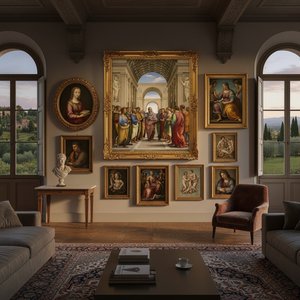
拉斐尔大师25幅杰作:艺术、历史与家居装饰灵感 | OriginalUniqueArt
探索拉斐尔大师的25幅杰作!深入了解文艺复兴艺术、意大利绘画和经典油画背后的故事。OriginalUniqueArt.com提供博物馆品质的拉斐尔作品复制品,为您的家居装饰带来永恒之美。立即在线探索完整系列。