购买版画
购买版画 分享
分享 分享
分享
 详情
详情

 下载
下载
 相似作品
相似作品 X射线
X射线 幻灯片播放
幻灯片播放Madonna with a Flower (Madonna Benois)
 布面油画
布面油画- 墙面艺术品
- Early Renaissance
 1478
1478- 文艺复兴
 33.0 x 49.0 cm
 冬宫博物馆 (Hermitage Museum)
 展开详情
展开详情




P118B $10

P118H $10

P118W $10

P438Z $10

P508JH $12

P508YH $12

P805H $10

P805Z $10

P919BZ $10

P919G $10

P919XJ $10

P959ZH $10

P968JZ $12

W106C $8

W218G $10

W218JH $8

W218Y $10

W307PJ $10

W316G $10

W316PJ $8

W316Y $10

W398PJ $8

W4111J $10

W500HY $15

W500JH $15

W692G $12

W849H $8

W940BG $15

W953PJ $8




从与原作比例一致的预设尺寸中进行选择。

您可以输入自定义尺寸,以适配特定的画框或空间。如果所选尺寸与原图比例不符,我们将通过裁剪作品或添加手绘元素来扩展画面。数字样稿将在制作开始前发送给您确认。
请注意,屏幕预览无法准确反映实际的裁剪或扩展效果,只有样稿才能真实呈现最终的构图。
虽然我们提供定制尺寸服务,但为了保留原作比例,建议您从预设列表中选择尺寸。
下单后,OriginalUniqueArt.com 团队将通过电子邮件联系客户获取具体要求,并提供效果预览图。


 玻璃选项仅适用于110厘米以下的尺寸。

Madonna with a Flower (Madonna Benois)
复制材质
复制品尺寸
-


最终总价
-
作品详情
Madonna with a Flower (Madonna Benois): A Glimpse into Leonardo's Early Genius
Leonardo da Vinci’s Madonna with a Flower, also known as the Madonna Benois, is an early masterpiece that offers a captivating window into the artist's burgeoning talent. Created around 1478, this oil on canvas painting (33 x 49 cm) showcases Leonardo's developing mastery of composition and his innovative approach to depicting the Virgin Mary and Christ Child. It stands as one of the earliest independent works attributed solely to Leonardo, marking a significant departure from his apprenticeship under Andrea del Verrocchio.
Historical Context and Creation
The Madonna Benois emerged during the Early Renaissance in Florence, a period characterized by a renewed interest in classical art and humanism. Leonardo began working on this piece likely in October of 1478, possibly alongside another Madonna painting, the Madonna with the Carnation from Munich. The work’s significance lies in its independence; it represents Leonardo's first solo artistic endeavor, demonstrating his ability to move beyond the influence of his master and forge his own path. Preliminary sketches for the painting are preserved at the British Museum, providing valuable insight into Leonardo’s creative process.
Composition and Artistic Technique
The composition of the Madonna Benois is remarkably intimate and naturalistic. The Virgin Mary tenderly holds the Christ Child, who reaches out towards a flower offered by his mother. Unlike earlier depictions that often portrayed the Madonna in a regal or distant manner, Leonardo presents her as a young woman engaged in a moment of maternal affection. Leonardo’s use of oil paint allowed for subtle gradations of tone and delicate details, contributing to the painting's soft and luminous quality. The composition demonstrates an early adoption of sfumato, a technique characterized by blurred outlines and softened transitions between light and shadow – a hallmark of Leonardo’s later works. The background is simple, drawing attention to the figures and enhancing their emotional impact.
Symbolism and Emotional Resonance
Beyond its aesthetic beauty, the Madonna Benois is rich in symbolism. The flower held by Mary is believed to represent both innocence and a premonition of Christ’s future sacrifice – a subtle foreshadowing of his crucifixion. The child's gesture of reaching for the flower further emphasizes this duality. Leonardo masterfully captures a sense of tenderness, serenity, and maternal love, creating an emotionally resonant image that transcends its religious subject matter. The painting evokes feelings of warmth, peace, and quiet contemplation.
Legacy and Current Location
The Madonna Benois profoundly influenced subsequent generations of artists, most notably Raphael, who drew inspiration from its composition for his own celebrated Madonna of the Pinks. Today, this invaluable work resides in the esteemed Hermitage Museum in St. Petersburg, Russia, where it continues to captivate viewers with its beauty and historical significance. Its presence within the museum's collection underscores its importance as a cornerstone of Renaissance art.
艺术家简介
列奥纳多·达·芬奇:文艺复兴的百科全书
列奥纳多·迪·谢罗·皮耶罗·达·芬奇(Leonardo di ser Piero da Vinci),1452 年出生于托斯卡纳地区文奇附近的安奇亚诺村,是文艺复兴时期最广为人知的代表人物之一——一位真正的博学者,其无尽的好奇心推动他跨越多个学科领域,在艺术、科学和工程学方面留下了不可磨灭的印记。他的名字本身已成为天才的代名词,证明了他非凡的天赋和远见卓识。列奥纳多是公证员皮耶罗·达·芬奇和农民卡特里娜所生的私生子,他早年的生活虽然不寻常,却也让他接触到了现实世界以及对自然的欣赏,这些都深刻地影响了他的艺术视野。他接受了基本的读写算术教育,但真正点燃了他创造性火花的是佛罗伦萨安德烈亚·德尔·维罗基奥(Andrea del Verrocchio)的学徒生涯。在维罗基奥的工作室里,列奥纳多不仅仅是在学习绘画或雕塑;他沉浸在一个充满技术技能的世界中,精通金属加工、木工、素描以及艺术创作的复杂性——这为他构建多元化的天才奠定了基础。即使在这个形成时期,就已流传着关于他非凡天赋的传闻,据说维罗基奥本人在目睹列奥纳多的卓越能力后,便放弃了绘画。
米兰时期的创新与艺术繁荣
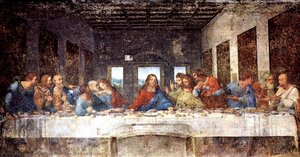
1482 年,列奥纳多开启了新篇章,进入米兰公爵路易斯·斯福尔扎(Ludovico Sforza)的效力。这不仅仅是一份艺术任命;列奥纳多担任军事工程师、建筑师、雕塑家和设计师,充分展现了他的多样技能。他构思了创新的防御工事,设计了华丽的舞台布景,甚至还绘制了奇幻机器的设计图。然而,正是在这一时期,他开始创作其最具标志性的杰作之一:《最后的晚餐》。这幅作品以壁画的形式在米兰圣玛利亚德尔格拉齐亚修道院的食堂中呈现,它超越了单纯的表现,是对人类情感和心理戏剧的深刻探索,捕捉了基督宣告背叛的那一刻。构图创新,运用透视技术精湛,将对西方艺术产生深远影响。尽管他在米兰时期完成了许多雕塑项目,但列奥纳多的发明精神仍在不断发展,为未来的科学探索奠定了基础。
佛罗伦萨回归与完美追求
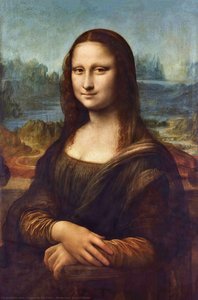
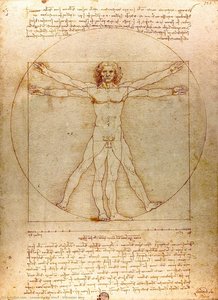
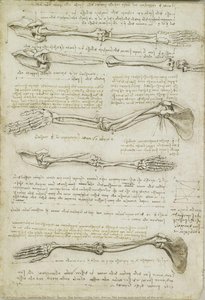
1499 年法军入侵米兰后,列奥纳多返回了艺术发展的巅峰——佛罗伦萨。尽管在此期间他完成的作品较少,但其影响却十分巨大。正是在这里,他开始创作出被公认为世界上最著名的画作之一:《蒙娜丽莎》(La Gioconda)。画中人物神秘的微笑和迷人的眼神几代人以来一直吸引着观众,而列奥纳多革命性的晕染法(sfumato)——通过微妙地混合光线和阴影来创造朦胧的轮廓和大气透视——极大地增强了这幅画作的空灵感。这一时期也见证了他对人体解剖学的研究不断精进,源于他对理解人体的科学精确性的坚定追求。他解剖尸体,以一系列令人难以置信地详细的图稿记录肌肉、骨骼和器官,这些图稿比当时的技术先进了几个世纪。
超越艺术的遗产:科学、发明与持久的影响
列奥纳多的后期岁月在佛罗伦萨、米兰和罗马之间穿梭,他一直备受追捧,但往往未能完成项目——这或许反映了他不安分的智慧以及兴趣领域的广阔。1516 年,他应法国国王弗朗索瓦一世的邀请前往安布瓦斯附近的克鲁塞城堡生活和工作,在那里度过了他的最后岁月。他在右半身瘫痪的情况下去世于 1519 年,留下了广泛的遗产,远远超出了艺术领域。他的笔记本揭示了在解剖学、光学、水力学、地质学和制图学方面开创性的工作——并构思了比当时先进几个世纪的发明,包括飞行器、坦克和先进武器。列奥纳多·达·芬奇对艺术史的影响是不可估量的。他提升了艺术家从熟练工匠到知识分子的地位,证明了艺术创作可以通过科学探究和对自然世界深刻理解来获得信息。他的画作以其现实主义、心理深度和创新技术而闻名。他仍然是人类好奇心、创造力和不懈追求知识的象征——一位真正体现文艺复兴精神的人物,几个世纪后,人们依然为之惊叹并充满敬佩。
主要成就与持久影响
- 绘画:《蒙娜丽莎》、《最后的晚餐》、《岩间圣母》、《报喜使》
- 素描与绘图: 广泛的人体解剖学研究、工程设计(飞行器、武器)、植物画
- 科学与工程: 在解剖学、光学、水力学、地质学和制图学方面开创性的工作。构思了比当时先进几个世纪的发明。
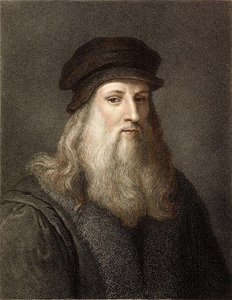
列奥纳多·达·芬奇
1452 - 1519 , 意大利
艺术家简介
- Artistic Movement Or Style: 文艺复兴时期
- Artists Or Movements Influenced By This Artist: ['文艺艺术']
- Artists Who Influenced This Artist: ['安德烈亚·德尔·委罗基奥']
- Date Of Birth: 1452年4月15日
- Date Of Death: 1519年5月2日
- Full Name: 列奥纳多·达·芬奇
- Nationality: 意大利人
- Notable Artworks:
- 蒙娜丽莎
- 最后的晚餐
- 维特鲁威人
- Place Of Birth: 意大利文奇镇
相关文章
高文艺复兴十大名作:定义艺术史的巅峰之作
探索高文艺复兴的十大巅峰之作!米开朗基罗、拉斐尔等大师巨著,揭秘艺术史上的辉煌。高清油画复制品,为您的家居注入艺术灵感。OriginalUniqueArt.com,博物馆级品质,尽在其中。
乔托大师25幅杰作:文艺复兴的先驱与永恒艺术之美 | OriginalUniqueArt
探索乔托·迪·邦杜内25幅杰作,见证文艺复兴的曙光!深入了解这位意大利艺术大师的壁画、绘画技巧与永恒魅力。在OriginalUniqueArt.com发现高品质艺术复制品,为您的家居增添经典之美。
拉斐尔大师25幅杰作:艺术、历史与家居装饰灵感 | OriginalUniqueArt
探索拉斐尔大师的25幅杰作!深入了解文艺复兴艺术、意大利绘画和经典油画背后的故事。OriginalUniqueArt.com提供博物馆品质的拉斐尔作品复制品,为您的家居装饰带来永恒之美。立即在线探索完整系列。
Refined Palates: Aristocratic Taste in Art from the Renaissance to the Belle Époque
Explore the refined tastes of European aristocracy from the Renaissance to the Belle Époque. Discover how art collecting shaped history & influenced iconic styles. Expert insights for discerning collectors.

Early Netherlandish Masters: 10 Paintings That Revolutionized Art & Decor
Journey into the world of Early Netherlandish painting! Explore 10 masterpieces by Jan van Eyck, Rogier van der Weyden & more. Discover stunning detail, symbolism & Renaissance art for your home decor. Find museum-quality reproductions on OriginalUniqueArt.com