实景预览
实景预览
 发送
发送 分享
分享
 详情
详情 指南
指南

 下载图片
下载图片
 相似作品
相似作品 X射线
X射线 幻灯片播放
幻灯片播放 统计数据
统计数据Codici di Madrid

 阅读全文
阅读全文
艺术微喷/版画
博物馆级艺术微喷或帆布版画,制作高效,并提供多种饰面选择。 ( 订购此收藏品的纯手工复刻画作 切换至数字图像销售渠道)




P118B ¥10

P118H ¥10

P118W ¥10

P438Z ¥10

P508JH ¥12

P508YH ¥12

P805H ¥10

P805Z ¥10

P919BZ ¥10

P919G ¥10

P919XJ ¥10

P959ZH ¥10

P968JZ ¥12

W106C ¥8

W218G ¥10

W218JH ¥8

W218Y ¥10

W307PJ ¥10

W316G ¥10

W316PJ ¥8

W316Y ¥10

W398PJ ¥8

W4111J ¥10

W500HY ¥15

W500JH ¥15

W692G ¥12

W849H ¥8

W940BG ¥15

W953PJ ¥8




您可以从与原作比例一致的预设尺寸中进行选择。

请输入您所需的宽度和高度,以适配您的画框或墙面。由于印刷品只能进行裁剪,无法超出原图尺寸,因此若比例不一致,画面的一部分将会被裁切。在正式印刷之前,我们会为您发送一份数字效果图供您确认。本页面显示的图片并非最终裁剪后的效果——只有效果图才能展示真实的裁剪情况。


 玻璃选项仅适用于110厘米以下的尺寸。

Codici di Madrid
艺术微喷/版画
复刻品尺寸说明
-


总计金额
¥ 538
The Enigmatic Vessel: Exploring Leonardo da Vinci’s “Codici di Madrid”
Leonardo da Vinci's "Codici di Madrid," though shrouded in the mystery of its origins and current whereabouts, represents a fascinating intersection of observation, artistic invention, and perhaps even a subtle commentary on the nature of representation itself. This seemingly simple depiction of a ceramic or metal vase—a commonplace object elevated to an extraordinary study—offers a glimpse into the mind of one of history’s most profound thinkers. The painting, likely conceived as a preparatory drawing or sketchbook page, isn't merely a record of a physical form; it’s a distillation of da Vinci’s relentless pursuit of understanding – how light interacts with surface, how volume is perceived, and ultimately, how to capture the essence of an object on a two-dimensional plane.
The composition immediately draws the eye to the vase's distinctive spiral motif. This isn’t a purely decorative flourish; it speaks to da Vinci’s deep interest in geometry, proportion, and the underlying mathematical harmony he believed governed all things. The spiral, a recurring symbol throughout his work – from the swirling patterns of water to the graceful curves of human anatomy – suggests an exploration of growth, movement, and the cyclical nature of existence. It's a visual echo of concepts explored in his scientific notebooks, hinting at a mind constantly seeking connections between art and science.
A Study in Observation and Technique
Da Vinci’s approach to this seemingly straightforward subject is remarkably detailed, reflecting his meticulous method of observation. He wasn’t simply copying the vase; he was dissecting it visually, analyzing its form from multiple angles, and rendering each subtle curve and shadow with painstaking accuracy. The use of *spolvero*, a technique involving dusting charcoal onto the wet paint surface to create delicate lines and shading, is particularly evident here, lending an ethereal quality to the ceramic’s texture. This method allowed him to build up layers of tone and value with incredible precision, capturing not just the appearance but also the *feeling* of the material.
The choice of medium – likely charcoal on paper or perhaps a preliminary sketch for fresco – further illuminates da Vinci's working process. These preparatory drawings were crucial to his artistic development, serving as a laboratory where he could experiment with ideas and refine his techniques before committing them to larger-scale works. “Codici di Madrid” stands as a testament to this iterative approach, demonstrating how even the most familiar subject could become a vehicle for profound exploration.
Symbolism and Renaissance Ideals
Within the context of the High Renaissance, “Codici di Madrid” can be interpreted through the lens of humanist ideals. Da Vinci’s fascination with nature – a cornerstone of Renaissance thought – is powerfully evident in his detailed rendering of this everyday object. He elevates it to an object worthy of study and artistic representation, reflecting a belief in the inherent beauty and intellectual value of the natural world. The vase itself could be seen as a symbol of containment, holding within its form the potential for growth, knowledge, or even life – themes frequently explored by Renaissance artists and philosophers.
Furthermore, the image’s placement within a book—as depicted in the photograph—suggests a deliberate act of preservation and study. Books were repositories of knowledge during this period, and da Vinci's inclusion of his drawing within one reinforces the importance of observation, documentation, and the transmission of ideas across generations. It speaks to a legacy of learning and a deep appreciation for the power of visual representation.
A Timeless Masterpiece: Reproduction Possibilities
OriginalUniqueArt offers exquisite hand-painted reproductions of “Codici di Madrid,” meticulously crafted by our team of skilled artists who emulate da Vinci’s techniques with unparalleled accuracy. Each reproduction captures not only the image's visual details but also its underlying atmosphere and emotional resonance. Whether you are an art collector, interior designer seeking to infuse a space with Renaissance elegance, or simply an admirer of da Vinci’s genius, our reproductions provide a beautiful and authentic way to experience this enigmatic masterpiece. Explore our collection today and bring the intellectual depth and artistic beauty of “Codici di Madrid” into your home or studio.
问答详情
贯穿于列奥纳多·达·芬奇 的《Codici di Madrid》中的主导色调是什么?
Ochre to Sepia 色调贯穿了 列奥纳多·达·芬奇 的《Codici di Madrid》。
"Codici di Madrid" 的画幅比例是多少?
"Codici di Madrid" 的画幅格式为 Portrait。这对于规划复制品的摆放位置非常有用。
列奥纳多·达·芬奇 的《Codici di Madrid》 传达了怎样的情感?
“Codici di Madrid” 传达出一种 Reflective 的情感。这种情感基调描述了作品给人的印象。
艺术家简介
列奥纳多·达·芬奇的生平与传奇
列奥纳多·迪·谢罗·皮耶罗·达·芬奇(Leonardo di ser Piero da Vinci)于1452年出生于托斯卡纳地区的文奇村附近,他无疑是文艺复兴时期最广为人知的代表人物——一位真正的博学者,其永无止境的好奇心推动着他跨越多个学科领域,在艺术、科学和工程学方面留下了不可磨灭的印记。他的名字本身已成为天才的代名词,见证了他非凡的才华与远见卓识。作为公证员皮耶罗·达·芬奇与农妇卡特里娜的私生子,列奥纳多的早年生活虽不寻常,却让他得以接触现实世界并培养了对自然的敏锐观察力,这深刻地塑造了他的艺术视野。尽管他仅接受过基本的读写算术教育,但他在佛罗伦萨师从安德烈亚·德尔·维罗基奥(Andrea del Verrocchio)的学徒生涯,真正点燃了他的创造火花。在维罗基奥的工作室里,列奥纳多不仅仅是在学习绘画或雕塑;他沉浸在一个充满技术技能的世界中,精通金属加工、木工、素描以及艺术创作的复杂性——这为他日后构建多元化的天才奠定了坚实基础。甚至在这一成长期,关于他非凡天赋的传闻便已流传,有记载称维罗基奥本人在目睹了列奥纳多卓越的绘画能力后,便决定不再从事绘画创作。
米兰时期的创新与艺术繁荣
1482年,列奥纳多开启了人生新篇章,进入米兰公爵路易斯·斯福尔扎(Ludovico Sforza)的效力。这不仅仅是一份艺术任命;列奥纳多在宫廷中担任军事工程师、建筑师、雕塑家和设计师,充分展现了他多样化的技能。他构思了创新的防御工事,设计了华丽的舞台布景,甚至还绘制了奇幻机器的设计图。然而,正是在这一时期,他开始创作其最具标志性的杰作之一:《最后的晚餐》。这幅作品以壁画的形式呈现于圣玛利亚德尔格拉齐亚修道院的食堂中,它超越了单纯的表现,是对人类情感和心理戏剧的深刻探索,精准地捕捉了基督宣告背叛发生的瞬间。其构图在当时具有革命性,对透视技术的精湛运用也将对西方艺术产生数百年的深远影响。尽管他在米兰时期完成了许多未竟的雕塑项目,但列奥纳多的发明精神仍在不断发展,为未来的科学探索奠定了基础。
回归佛罗伦萨与对完美的追求
1499年法军入侵米兰后,列奥纳多返回了正处于艺术发展巅峰的佛罗伦萨。尽管在此期间他完成的作品数量较少,但其影响力却是巨大的。正是在这里,他开始创作出被公认为世界上最著名的画作之一:《蒙娜丽莎》(La Gioconda)。画中人物神秘的微笑和迷人的眼神几代人以来一直吸引着观众,而列奥纳多革命性的“晕染法”(sfumato)——通过光影的微妙过渡来创造朦胧轮廓与大气透视感的技术——为这幅画增添了超凡脱俗的神韵。这一时期,受其渴望用科学精度理解人体形态的坚定驱动,他的解剖学研究也得到了持续深化。他通过解剖尸体,细致入微地记录肌肉、骨骼和器官,创作出一系列在当时领先时代数百年的极其详尽的素描作品。
超越艺术的遗产:科学、发明与持久影响力
列奥纳多的晚年生活充满了在佛罗伦萨、米兰和罗马之间的奔波。他因其卓越的专业知识而备受追捧,却也常常留下未完成的作品——这或许反映了他躁动不安的求知欲以及兴趣领域的广阔程度。1516年,他接受了法国国王弗朗索瓦一世的邀请,前往法国昂布瓦斯附近的克洛·吕塞城堡居住工作,并在那里度过了最后的岁月。他于1519年逝世,留下了一份远超艺术范畴的宏大遗产。他的笔记揭示了他在解剖学、光学、水利学、地质学和地图学方面的先驱性研究,并构思了领先时代数百年的发明,包括飞行器、坦克和先进武器。列奥纳多·达·芬奇对艺术史的影响是无法估量的。他将艺术家的地位从熟练的匠人提升到了知识分子的层面,证明了艺术创作可以由科学探究和对自然世界的深刻理解所驱动。他的绘画作品因其写实主义、心理深度和创新技术而备受赞誉。他始终是人类好奇心、创造力和对知识不懈追求的象征——他是文艺复兴精神的真正化身,其遗产在去世数百年后依然持续激发着世人的敬畏与着迷。
主要成就与深远影响
- 绘画:《蒙娜丽莎》、《最后的晚餐》、《岩间圣母》、《受胎告知》
- 素描与速写:广泛的解剖学研究、工程设计(飞行器、武器)、植物插图
- 科学与工程:在解剖学、光学、水利学、地质学和地图学方面的先驱性工作;构思了领先时代数百年的发明。
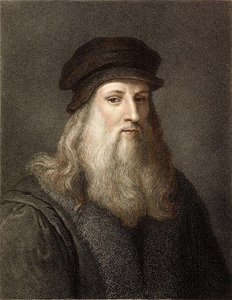
列奥纳多·达·芬奇
1452 - 1519 , 意大利
快速概览
- Artistic Movement Or Style: 文艺复兴时期
- Artists Or Movements Influenced By This Artist: ['文艺艺术']
- Artists Who Influenced This Artist: ['安德烈亚·德尔·委罗基奥']
- Date Of Birth: 1452年4月15日
- Date Of Death: 1519年5月2日
- Full Name: 列奥纳多·达·芬奇
- Nationality: 意大利人
- Notable Artworks:
- 蒙娜丽莎
- 最后的晚餐
- 维特鲁威人
- Place Of Birth: 意大利文奇镇
相关文章
达芬奇25幅杰作:艺术、科学与永恒的辉煌 | OriginalUniqueArt
探索达芬奇25幅杰作!深入了解文艺复兴大师列奥纳多·达·芬奇的艺术传奇,欣赏《蒙娜丽莎》、《最后的晚餐》等经典绘画。OriginalUniqueArt.com提供博物馆级复制品和家居装饰灵感。在线探索完整系列!
佛罗伦萨乌菲兹美术馆25幅杰作:文艺复兴艺术的巅峰之选
探索佛罗伦萨乌菲兹美术馆的25幅杰作!深入了解达芬奇、米开朗基罗等大师的作品背后的故事,感受文艺复兴艺术的辉煌。精美油画复制品,为您的家居增添经典之美。立即在OriginalUniqueArt.com发现更多艺术灵感。

卢浮宫25幅杰作:艺术、历史与家居灵感之旅 (Lúfu gōng 25 fú jiézuò: yìshù, lìshǐ yǔ jiājū línggǎn zhī lǚjí)
探索巴黎卢浮宫25幅传世名画!达芬奇、米开朗基罗等大师杰作背后的故事,文艺复兴与巴洛克艺术精髓尽收眼底。寻找家居装饰灵感,购买博物馆级艺术复制品,OriginalUniqueArt.com带您领略经典绘画之美。
Renaissance Humanism's Greatest Art: 10 Masterpieces for Your Home
Explore 10 Renaissance Humanism masterpieces by Leonardo da Vinci, Michelangelo & Raphael. Discover the stories behind these iconic paintings & sculptures and bring timeless art into your home with museum-quality reproductions from OriginalUniqueArt.com. Explore the full collection online!
Leonardo da Vinci: A Renaissance Master’s Synthesis of Art, Science & Human Observation – Reinterpreted for the Collector
Explore Leonardo da Vinci’s timeless masterpieces with OriginalUniqueArt. Discover insights into his art, science, and legacy – trusted expertise for discerning collectors seeking authentic reproductions & investment opportunities.