
 实景预览
实景预览
 切换至版画销售渠道
 分享
分享 分享
分享
 详情
详情 指南
指南

 下载作品
下载作品
 相似作品
相似作品 X射线
X射线 幻灯片播放
幻灯片播放 Q&A
Q&A 统计数据
统计数据Codex Trivulzianus 2162, p. 5.

- 20.0 x 14.0 cm


 展开全文
展开全文
获取远超网页预览效果的印刷级文件。我们销售的每一张数字图像均源自库存数据库中的高分辨率母版——宽度通常在 5,000 至 15,000 像素之间——因此您可以放心地进行大幅打印、局部裁剪或还原细腻的细节。
每一件作品在离开我们的工作室前都经过了精心的处理。数字影像专家会对照原作核对色彩,并在必要时进行校正,随后利用专业修图工具提升清晰度与细节表现——且始终忠实于艺术家的笔触与风格。最终呈现的图像宛如原作本身,而非仅仅是一张加了滤镜的扫描件。
您可以在最终定稿前进行审核:我们的专家将在 72 小时内通过电子邮件向您发送图像以供审阅。如果不满意?您可以要求改进或修正;若质量未达预期,亦可申请退款。
这也是出版商、设计工作室、画廊及印刷厂所信赖的品质。
每份数字图像订单均包含的内容
专业级数字交付,品质保障
选择 OriginalUniqueArt.com,您获得的不仅仅是一张图像——您收到的是经过专业级增强、精雕细琢的数字艺术作品,并享有满意保证。以下是您的订单中自动包含的所有内容:

邮件即时送达
您的高分辨率数字图像文件将在下单后 72 小时内通过电子邮件发送给您 —— 即可立即使用。

AI 增强型数字文件
您的艺术品经过专业优化,结合先进的 AI 技术与人工修饰,确保呈现极致的细节、清晰度与色彩准确度。

终身免费重发服务
不小心删除了文件或找不到了?没关系——我们将随时为您免费重发。

无需进口税费,始终如一
即刻拥有您的艺术作品,无需支付任何关税、税费或运费——数字下载始终免税。

色彩精准保障
我们通过专业工具与色彩管理技术,确保您的数字图像尽可能真实地还原原作色彩。

100天满意保证
如果您对所购数字图像不满意,我们将在100天内为您进行修改或提供100%的全额退款——无需任何理由。

100% 退款保证
不满意?在收到数字文件后的100天内,您可以申请全额退款——无需任何理由。

批量订购优惠
购买 3 张享 10% 折扣 - 购买 5 张享 15% 折扣 - 购买 10 张以上享 20% 折扣。非常适合创意项目、画廊及机构使用。
A Blueprint for Perfection: The Architectural Vision of Da Vinci
In the quiet intimacy of Codex Trivulzianus 2162, p. 5, we encounter a side of Leonardo da Vinci that transcends the boundaries of fine art to touch the very essence of scientific inquiry. This unassuming sketch, rendered with the delicate precision of pencil or ink on paper, serves as a profound window into the artist's architectural explorations during his Florentine period. Rather than a finished masterpiece intended for public display, this work reveals the raw, intellectual pulse of a mind obsessed with the underlying principles of nature and spatial harmony. It is a glimpse into a world where the line between a draughtsman’s study and an engineer’s blueprint dissolves, offering a captivating look at how Da Vinci envisioned the built environment.
The composition itself is a masterclass in geometric dialogue, presenting a simple yet elegantly conceived room where a doorway frames a secondary space. This intentional layering creates a rhythmic movement between interior and exterior, mirroring the Renaissance fascination with proportion and the mathematical order of the cosmos. Within the larger chamber, the placement of a chair and a bench near one another suggests a thoughtful consideration for both functionality and human comfort. The subtle inclusion of a bowl on a surface adds a touch of domestic tranquility, grounding the architectural rigor in the warmth of human experience—a hallmark of the humanist ideals that permeated Da Vinci’s era.
The Intersection of Art, Science, and Technique
Technically, the drawing is a testament to Leonardo's unparalleled mastery of draughtsmanship. Through the meticulous use of varying line weights and delicate shading, he breathes life into two-dimensional surfaces, conveying a palpable sense of depth and perspective. This precise execution was not merely an aesthetic choice but a direct extension of his broader scientific investigations into optics and anatomy. Every stroke reflects the discipline honed during his apprenticeship under Andrea del Verrocchio, demonstrating how the observation of light and shadow is fundamental to understanding physical space.
For the modern collector or interior designer, this piece offers more than just historical value; it provides a profound emotional resonance. There is a meditative quality in the way the smaller room reveals a sink and toilet situated close together, highlighting a primitive yet sophisticated approach to domestic utility. To possess a reproduction of such a work is to invite the spirit of Renaissance inquiry into one's space—a reminder that true beauty is found in the meticulous observation of detail and the pursuit of structural perfection. It stands as an enduring symbol of the interconnectedness of art and science, making it an inspiring centerpiece for any collection dedicated to the heights of human intellect.
常见问题与解答
“Codex Trivulzianus 2162, p. 5.”这一Renaissance Architecture背后蕴含着怎样的国族渊源?
通过创作者的出生地,《Codex Trivulzianus 2162, p. 5.》将Renaissance Architecture运动与意大利紧密联系在了一起。
列奥纳多·达·芬奇 的《Codex Trivulzianus 2162, p. 5.》 的色调是明亮还是深沉?
列奥纳多·达·芬奇 的《Codex Trivulzianus 2162, p. 5.》 的亮度记录为 brilliant,亮度值为 Bright Balance。
“Codex Trivulzianus 2162, p. 5.”的作者是谁?
艺术家简介
列奥纳多·达·芬奇的生平与传奇
列奥纳多·迪·谢罗·皮耶罗·达·芬奇(Leonardo di ser Piero da Vinci)于1452年出生于托斯卡纳地区的文奇村附近,他无疑是文艺复兴时期最广为人知的代表人物——一位真正的博学者,其永无止境的好奇心推动着他跨越多个学科领域,在艺术、科学和工程学方面留下了不可磨灭的印记。他的名字本身已成为天才的代名词,见证了他非凡的才华与远见卓识。作为公证员皮耶罗·达·芬奇与农妇卡特里娜的私生子,列奥纳多的早年生活虽不寻常,却让他得以接触现实世界并培养了对自然的敏锐观察力,这深刻地塑造了他的艺术视野。尽管他仅接受过基本的读写算术教育,但他在佛罗伦萨师从安德烈亚·德尔·维罗基奥(Andrea del Verrocchio)的学徒生涯,真正点燃了他的创造火花。在维罗基奥的工作室里,列奥纳多不仅仅是在学习绘画或雕塑;他沉浸在一个充满技术技能的世界中,精通金属加工、木工、素描以及艺术创作的复杂性——这为他日后构建多元化的天才奠定了坚实基础。甚至在这一成长期,关于他非凡天赋的传闻便已流传,有记载称维罗基奥本人在目睹了列奥纳多卓越的绘画能力后,便决定不再从事绘画创作。
米兰时期的创新与艺术繁荣
1482年,列奥纳多开启了人生新篇章,进入米兰公爵路易斯·斯福尔扎(Ludovico Sforza)的效力。这不仅仅是一份艺术任命;列奥纳多在宫廷中担任军事工程师、建筑师、雕塑家和设计师,充分展现了他多样化的技能。他构思了创新的防御工事,设计了华丽的舞台布景,甚至还绘制了奇幻机器的设计图。然而,正是在这一时期,他开始创作其最具标志性的杰作之一:《最后的晚餐》。这幅作品以壁画的形式呈现于圣玛利亚德尔格拉齐亚修道院的食堂中,它超越了单纯的表现,是对人类情感和心理戏剧的深刻探索,精准地捕捉了基督宣告背叛发生的瞬间。其构图在当时具有革命性,对透视技术的精湛运用也将对西方艺术产生数百年的深远影响。尽管他在米兰时期完成了许多未竟的雕塑项目,但列奥纳多的发明精神仍在不断发展,为未来的科学探索奠定了基础。
回归佛罗伦萨与对完美的追求
1499年法军入侵米兰后,列奥纳多返回了正处于艺术发展巅峰的佛罗伦萨。尽管在此期间他完成的作品数量较少,但其影响力却是巨大的。正是在这里,他开始创作出被公认为世界上最著名的画作之一:《蒙娜丽莎》(La Gioconda)。画中人物神秘的微笑和迷人的眼神几代人以来一直吸引着观众,而列奥纳多革命性的“晕染法”(sfumato)——通过光影的微妙过渡来创造朦胧轮廓与大气透视感的技术——为这幅画增添了超凡脱俗的神韵。这一时期,受其渴望用科学精度理解人体形态的坚定驱动,他的解剖学研究也得到了持续深化。他通过解剖尸体,细致入微地记录肌肉、骨骼和器官,创作出一系列在当时领先时代数百年的极其详尽的素描作品。
超越艺术的遗产:科学、发明与持久影响力
列奥纳多的晚年生活充满了在佛罗伦萨、米兰和罗马之间的奔波。他因其卓越的专业知识而备受追捧,却也常常留下未完成的作品——这或许反映了他躁动不安的求知欲以及兴趣领域的广阔程度。1516年,他接受了法国国王弗朗索瓦一世的邀请,前往法国昂布瓦斯附近的克洛·吕塞城堡居住工作,并在那里度过了最后的岁月。他于1519年逝世,留下了一份远超艺术范畴的宏大遗产。他的笔记揭示了他在解剖学、光学、水利学、地质学和地图学方面的先驱性研究,并构思了领先时代数百年的发明,包括飞行器、坦克和先进武器。列奥纳多·达·芬奇对艺术史的影响是无法估量的。他将艺术家的地位从熟练的匠人提升到了知识分子的层面,证明了艺术创作可以由科学探究和对自然世界的深刻理解所驱动。他的绘画作品因其写实主义、心理深度和创新技术而备受赞誉。他始终是人类好奇心、创造力和对知识不懈追求的象征——他是文艺复兴精神的真正化身,其遗产在去世数百年后依然持续激发着世人的敬畏与着迷。
主要成就与深远影响
- 绘画:《蒙娜丽莎》、《最后的晚餐》、《岩间圣母》、《受胎告知》
- 素描与速写:广泛的解剖学研究、工程设计(飞行器、武器)、植物插图
- 科学与工程:在解剖学、光学、水利学、地质学和地图学方面的先驱性工作;构思了领先时代数百年的发明。
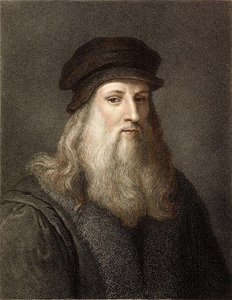
列奥纳多·达·芬奇
1452 - 1519 , 意大利
基本信息
- Artistic Movement Or Style: 文艺复兴时期
- Artists Or Movements Influenced By This Artist: ['文艺艺术']
- Artists Who Influenced This Artist: ['安德烈亚·德尔·委罗基奥']
- Date Of Birth: 1452年4月15日
- Date Of Death: 1519年5月2日
- Full Name: 列奥纳多·达·芬奇
- Nationality: 意大利人
- Notable Artworks:
- 蒙娜丽莎
- 最后的晚餐
- 维特鲁威人
- Place Of Birth: 意大利文奇镇