

 效果预览
效果预览
 购买手绘画作
 分享
分享 分享
分享
 详情
详情

 下载
下载
 相似作品
相似作品 X射线
X射线 幻灯片播放
幻灯片播放Fiery Bloom


 展开详情
展开详情




P118B $10

P118H $10

P118W $10

P438Z $10

P508JH $12

P508YH $12

P805H $10

P805Z $10

P919BZ $10

P919G $10

P919XJ $10

P959ZH $10

P968JZ $12

W106C $8

W218G $10

W218JH $8

W218Y $10

W307PJ $10

W316G $10

W316PJ $8

W316Y $10

W398PJ $8

W4111J $10

W500HY $15

W500JH $15

W692G $12

W849H $8

W940BG $15

W953PJ $8




从与原作比例一致的预设尺寸中进行选择。

您可以输入自定义尺寸,以适配特定的画框或空间。如果您选择的尺寸与原图比例不符,我们将对作品进行裁剪,或通过镜像填充/纯色填充边缘的方式来扩展图像。在开始制作之前,我们会向您发送一份数字效果图供您确认。
请注意,屏幕上的预览并不能反映实际的裁剪或扩展效果。只有效果图才能准确展示最终的构图。
虽然我们提供定制尺寸,但为了保持原图比例,我们建议您从预设列表中选择尺寸。


 玻璃选项仅适用于110厘米以下的尺寸。

Fiery Bloom
艺术微喷/版画
复制品尺寸
-


最终总价
$ 80
藏品详情
Fiery Bloom - A Symphony of Color and Form by Krishnaji Howlaji Ara
The painting “Fiery Bloom,” created by Krishnaji Howlaji Ara in 1967, stands as a testament to the artist’s unwavering dedication to capturing the essence of natural beauty through meticulous observation and masterful execution. Located at the Tata Institute of Fundamental Research in Mumbai, India, this artwork embodies Ara's signature style—a harmonious blend of realism and expressive abstraction that distinguishes him from his contemporaries within the Progressive Artists’ Group.Subject Matter: Floral Still Life
At its core, “Fiery Bloom” presents a captivating depiction of flowers arranged in a vase. Ara skillfully renders the delicate petals of yellow blossoms alongside vibrant crimson blooms, creating a visual dialogue between complementary hues. The artist's careful attention to detail extends beyond mere representation; he strives to convey not just what is seen but also how it feels—a sense of warmth and vibrancy that radiates from the canvas. The vase itself serves as an anchor for the composition, grounding the floral elements within a serene domestic setting.Stylistic Influences: Cezanne’s Legacy
Ara's artistic vision was profoundly shaped by Paul Cézanne, whose geometric simplification of forms and emphasis on underlying structure served as inspiration for Ara’s approach to painting. Like Cézanne, Ara eschewed traditional illusionism, opting instead for a technique that prioritizes conveying the artist’s perception of reality rather than creating an exact facsimile. This stylistic choice is evident in the subtle distortions of perspective and the flattened planes of color—elements that contribute to the painting's distinctive character.Technique: Oil on Canvas – Impasto Texture
“Fiery Bloom” exemplifies Ara’s mastery of oil paint on canvas, utilizing a technique known as impasto. Thickly applied pigment creates palpable textural surfaces, capturing the physicality of the medium and enhancing the visual impact of the artwork. The artist meticulously builds up layers of color, blending hues to achieve nuanced tonal variations that illuminate the contours of the flowers and vase. This deliberate manipulation of texture underscores Ara’s commitment to conveying not only visual information but also emotional resonance—a feeling of quiet contemplation and appreciation for the beauty of the natural world.Symbolism: Warmth and Resilience
The fiery reds and yellows employed in “Fiery Bloom” carry symbolic significance, representing passion, vitality, and enduring strength. Ara’s choice of color reflects his belief that art should communicate deeper truths about human experience—themes of resilience and optimism amidst adversity. The vase itself symbolizes stability and harmony, juxtaposed against the dynamic energy of the blossoms. Together, these elements coalesce into a powerful visual statement celebrating the transformative power of nature and the enduring spirit of artistic expression.Emotional Impact: Tranquility Amidst Brilliance
Ultimately, “Fiery Bloom” evokes a sense of tranquil contemplation—a quiet appreciation for the beauty of simple forms rendered with exceptional skill. Ara’s masterful technique captures not only the visual splendor of the floral arrangement but also its underlying emotional depth. The painting invites viewers to pause and consider the profound connections between art and human perception, reminding us that true artistry lies in conveying both intellectual understanding and visceral feeling.艺术家简介
韧性铸就的一生:K.H. Ara 的早年岁月
Krishnaji Howlaji Ara,在艺术界以 K.H. Ara 之名为人所熟知,他成长于一段充满艰辛与坚韧的童年,这些经历深刻地塑造了他的艺术视野。1914年,他出生于印度塞康德拉巴德的博拉鲁姆,早年的生活充满了丧失与流离。三岁时母亲的离世,随后父亲的再婚,让他的家庭环境变得动荡不安。年仅七岁的 Ara 便勇敢地踏上了前往孟买的旅程,在寻找独立与生存的过程中,他在熙攘的城市街道中穿梭,通过从事清洗汽车和当佣人等卑微的工作来维持生计。这些成长中的磨砺使他对他者境遇产生了深切的同情心,并培养了对日常生活的敏锐观察力,而这些主题后来成为了他艺术作品的核心。正是在这段奋斗岁月中,Ara 天赋的艺术才华开始绽放,并在那些偶然相遇、能够识别其潜力并给予鼓励的支持者滋养下逐渐成熟。拥抱现代性:艺术发展与进步艺术家小组
Ara 的专注使他进入了 J.J. 艺术学院深造,在那里他磨炼了自己的基础技艺。然而,真正推动其艺术演进的,是他在1948年参与了具有革命意义的“进步艺术家小组”(Progressive Artists' Group)。这个由 M.F. Hussain、H.A. Gade、S.H. Raza 和 F.N. Souza 等艺术巨匠组成的团体,旨在打破传统印度艺术风格的束缚,拥抱现代表现的新时代。Ara 在这些艺术家身上找到了志同道合的归属感,并与他们共同致力于创新与实验。他的艺术感官也深受法国现代大师的影响,尤其是保罗·塞尚(Paul Cézanne),塞尚对自然主义和构图的强调与 Ara 自身的审美倾向产生了共鸣。他最初使用水彩和树胶水彩创作,后来转向油画,但仍保留了早期作品中那种细腻的笔触和微妙的色彩层次。感官性的先驱:主题与艺术风格
在印度艺术史上,K.H. Ara 凭借其作为首位能够以如此自然主义且充满感官美感的方式持续描绘女性人体素描的当代画家,开辟了独特的地位。这一大胆举动挑战了当时盛行的艺术惯例,既引发了赞赏,也带来了争议。他的裸体画不仅仅是对人体形态的呈现,更蕴含着一种宁静的尊严以及对女性经验的亲密理解。除了这些具有开创性的裸体描绘外,Ara 在静物画方面也表现卓越,他围绕日常器物——碗、水果、花瓶——创作出厚重的构图,将平凡之物转化为充满深邃美感与沉思的对象。他对厚涂法(impasto)的精湛运用,在水彩和树胶水彩作品中尤为明显,为他的作品增添了触觉维度,赋予画布丰富的纹理与深度。纵观其整个艺术生涯,Ara 的风格可以被定义为对主题的自然主义刻画、含蓄的感官美以及对周围世界的敏锐洞察。认可与传承:对印度艺术的深远影响
Ara 的才华在职业生涯早期便得到了认可,例如1942年在孟买 Chetana 餐厅举办的首个个展,取得了显著的商业成功。他的一生中不断获得赞誉,包括1944年的绘画州长奖,以及1952年凭借作品《两个水罐》获得的孟买艺术学会金奖。他的作品在印度境内及国际上得到了广泛展出,观众遍布东欧、日本、德国和俄罗斯。尽管他在晚年并未达到与某些同时代艺术家同等的商业高度,但 Ara 始终坚定地追求艺术,并致力于通过孟买的艺术家中心支持新兴艺术家。他对印度当代艺术的贡献是不容置疑的;他以创新的方法、大胆的主题以及对艺术表达不懈的承诺,为后代铺平了道路。K.H. Ara 的遗产作为韧性的力量、自然主义之美以及人体永恒魅力的见证,将长久流传。
K.H. 阿拉
1914 - 1985 , 印度
艺术家简介
- Artistic Movement Or Style: 印度现代艺术
- Artists Or Movements Influenced By This Artist: ['进步艺术家小组']
- Artists Who Influenced This Artist: ['保罗·塞尚']
- Date Of Birth: 1914年4月16日
- Date Of Death: 1985年6月30日
- Full Name: 克里希纳吉·豪拉吉·阿拉
- Nationality: 印度
- Notable Artworks:
- 披着红色披肩的男子
- 蓝色陶罐
- 蓝色风景
- Place Of Birth: 印度,塞康德拉巴德
相关文章

The Enduring Legacy of Oil on Canvas: Technique, History & Aesthetic Impact
Explore the rich history & techniques of oil painting – from Renaissance masters to Impressionism. Discover pigments, layering methods, and why this timeless medium endures. Expert insights for artists & art enthusiasts.

Oil on Canvas: A Historical & Technical Exploration of a Timeless Artistic Medium
Explore the rich history & enduring techniques of oil painting on canvas. Discover the science behind its longevity, conservation practices, and contemporary relevance. Expert insights for art enthusiasts.

画布上的流光溢彩:油画技法、历史沿革与当代实践
深入探索油画技法的历史沿革,从文艺复兴到卡拉瓦乔的革命性创新。了解多层涂布技术如何塑造色彩与光影,并洞悉当代油画实践中的传统与突破。OriginalUniqueArt为您提供专业的艺术品咨询和定制服务。
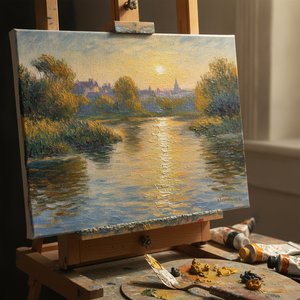
The Soul of Impressionism: Why Oil on Canvas Captures Eternal Light and Timeless Emotion
Discover the enchanting alchemy of Impressionism. Explore how the mastery of oil on canvas, through glazing and impasto, captures eternal light and emotion. Perfect for lovers of Monet and Van Gogh seeking the profound depth of hand-painted fine art.
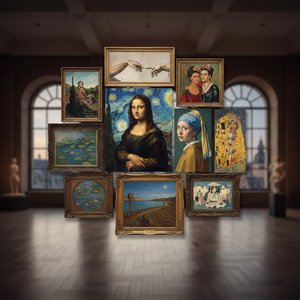
Oil on Canvas Masters: 10 Paintings That Redefined Art History |
Journey through art history with our guide to 10 legendary oil on canvas masterpieces! Explore iconic works by Van Gogh, Monet & Rembrandt. Find museum-quality reproductions and elevate your home decor at . Discover all masterpieces online.

