
 实景预览
实景预览
 分享
分享 分享
分享
 详情
详情 指南
指南

 下载作品
下载作品
 相似作品
相似作品 X射线
X射线 幻灯片播放
幻灯片播放 问答
问答 统计数据
统计数据Disappearing Province

- 79.0 x 104.0 cm


 展开全文
展开全文
艺术微喷/版画
博物馆级艺术微喷或帆布版画,制作高效,并提供多种饰面选择。 ( 订购纯手工绘制画作 切换至数字图像销售渠道)




P118B ¥10

P118H ¥10

P118W ¥10

P438Z ¥10

P508JH ¥12

P508YH ¥12

P805H ¥10

P805Z ¥10

P919BZ ¥10

P919G ¥10

P919XJ ¥10

P959ZH ¥10

P968JZ ¥12

W106C ¥8

W218G ¥10

W218JH ¥8

W218Y ¥10

W307PJ ¥10

W316G ¥10

W316PJ ¥8

W316Y ¥10

W398PJ ¥8

W4111J ¥10

W500HY ¥15

W500JH ¥15

W692G ¥12

W849H ¥8

W940BG ¥15

W953PJ ¥8




您可以从与原作比例一致的预设尺寸中进行选择。

请输入您所需的宽度和高度,以适配您的画框或墙面。由于印刷品只能进行裁剪,无法超出原图尺寸,因此若比例不一致,画面的一部分将会被裁切。在正式印刷之前,我们会为您发送一份数字效果图供您确认。本页面显示的图片并非最终裁剪后的效果——只有效果图才能展示真实的裁剪情况。


 玻璃选项仅适用于110厘米以下的尺寸。

Disappearing Province
艺术微喷/版画
复刻品尺寸
-


最终结算价
¥ 544
A Quiet Intimacy Captured in Oil
In the tenderly rendered masterpiece Disappearing Province, created in 1929 by the esteemed Russian master Konstantin Yuon, we are invited into a sanctuary of domestic warmth. The painting presents an evocative interior scene where two women—one elder, draped in a dark headscarf, and one younger, adorned with a vibrant red covering—are caught in a moment of quiet, shared existence. There is a profound sense of stillness here, as if the world outside has ceased to exist, leaving only the soft murmur of conversation and the gentle weight of companionship. The composition, while rich with detail, maintains a delicate balance, guiding the viewer's eye from the expressive faces of the subjects to the lush floral arrangements that breathe life into the room.
The artistry of Yuon shines through his masterful command of texture and light. Utilizing a thick impasto technique, the artist builds layers of oil paint that lend a tactile, three-dimensional quality to the canvas. This heavy application is particularly striking in the floral elements and the folds of the textiles, where the physical presence of the paint mirrors the richness of the subject matter. The lighting, appearing to stream from an unseen window to the right, bathes the scene in a golden, nostalgic glow, casting soft highlights that define the organic shapes of the figures and create a shallow, intimate depth of field. This interplay of light and shadow evokes the fleeting nature of memory, much like the title itself suggests.
A Tapestry of History and Symbolism
Beyond its surface beauty, Disappearing Province serves as a poignant window into a vanishing era. Painted during a period of significant transition in Russian history, the work carries an underlying layer of nostalgia. The cluttered yet harmonious arrangement of framed pictures on the wall and decorative elements suggests a deep reverence for family lineage and domestic stability. These objects act as silent witnesses to the passage of time, symbolizing the preservation of heritage amidst a changing landscape. The floral arrangements, often symbols of abundance and the ephemeral beauty of life, further reinforce this theme of finding permanence within the transient.
For the discerning collector or interior designer, this piece offers more than mere decoration; it provides an emotional anchor for a room. The warm color palette, dominated by earthy tones and punctuated by brilliant reds and soft greens, makes it an ideal centerpiece for spaces designed for contemplation and comfort. Whether placed in a sunlit library or a sophisticated living area, the painting’s blend of Impressionist realism and soulful storytelling invites conversation and inspires a sense of peace. Owning a high-quality reproduction of this work allows one to bring the timeless elegance and historical depth of Konstantin Yuon into the modern home, preserving a fragment of a beautiful, disappearing world.
常见问题与解答
康斯坦丁·尤昂 (Kāngsītǎndīng·Yóu'Áng) 的《Disappearing Province》 的创作媒介是什么?
康斯坦丁·尤昂 (Kāngsītǎndīng·Yóu'Áng) 在作品《Disappearing Province》中运用了 Oil On Canvas 技法。该技法界定了原作的材质特性。
哪些色调与主导色彩定义了“Disappearing Province”?
"Disappearing Province" 的色彩基调由以 Espresso (#453d3c) 为主的 Earthy 色系构成。
康斯坦丁·尤昂 (Kāngsītǎndīng·Yóu'Áng) 的《Disappearing Province》 的色彩和谐度如何?
"Disappearing Province" 的色彩和谐度评分为 Discordant Palette。
艺术家简介
早年生活与艺术根基
康斯坦丁·费奥多罗维奇·尤昂,1875年10月24日出生于莫斯科,出身于一个充满瑞士-俄罗斯文化底蕴和艺术气息的家庭。他的哥哥保尔·尤昂后来成为一位著名的作曲家,暗示着他们的成长环境里流淌着创造性的潮流。从小,康斯坦丁就表现出对视觉表达的热爱,这得益于母亲在家中营造的艺术氛围。这种早期的熏陶为他日后在莫斯科绘画、雕塑和建筑学院(1892-1898年)接受正规教育奠定了基础。在那里,他师从康斯坦丁·萨维茨基和康斯坦丁·科罗文等杰出的大师,吸收了他们的技巧和理念,这些将塑造他最初的艺术轨迹。这段求学时期并非局限于俄罗斯;尤昂还踏足西欧,特别是巴黎,在那里他接触到蓬勃发展的印象派运动。虽然他对卡米耶·毕沙罗等艺术家充满敬意,但他并没有简单地模仿——而是将这些影响与独特的俄罗斯感性融合在一起,开创了他自己鲜明的风格。从象征主义到苏联现实主义
尤昂的早期作品以富有感染力的印象派风景画为特征,其中融入了微妙的象征主义元素。《向三位一体致敬》(1903年)和《特维尔大街》(1909年)是这一时期的代表作,捕捉着光线与氛围的瞬间变化,同时暗示着更深层次的情感共鸣。尤昂并不满足于仅仅停留在印象派领域;他开始尝试抒情风景画,将传统俄罗斯艺术形式——帕列赫微型绘画的精致细腻和圣像艺术的精神深度融入其中。这种融合创造了一种独一无二的视觉语言,深深植根于民族认同感,同时又保持着开放的创新精神。然而,20世纪初期的政治动荡彻底改变了尤昂的艺术发展轨迹。随着苏联时代的到来,他努力适应新的意识形态环境不断变化的需求。他的风格逐渐演变为一种更具学院派色彩的方式,拥抱社会主义现实主义——这种风格强调可及性,并作为宣传革命思想的工具。这一转变在他的史诗巨作《1941年11月7日红场阅兵》中表现得淋漓尽致,这是一幅充满爱国情怀的作品,描绘了苏联在战争时期的力量。多面职业与机构领导
康斯坦丁·尤昂的贡献远远超出了画布的范围。他不仅仅是一位画家,还是俄罗斯艺术界组织和管理方面有影响力的重要人物。他是“俄罗斯艺术家联盟”和后来“革命艺术家协会”的联合创始人,积极塑造着社会变革时期艺术表达的方向。他的行政才能也得到了进一步认可,担任了艺术研究院研究所有向(1948-1950年)的所长,并最终在杰出的职业生涯中成为苏联艺术家联盟的第一任秘书(1956-1958年)。这些职位赋予了他对艺术政策和教育的重大影响,使他能够倡导他对俄罗斯艺术的愿景。他的贡献获得了声望卓著的荣誉,包括1943年的斯大林奖章和列宁勋章,巩固了他作为国家瑰宝的地位。遗产与持久影响力
康斯坦丁·尤昂的遗产是复杂而多方面的——证明了一位在动荡时代坚持自己艺术追求的艺术家。他是俄罗斯艺术史上的一位关键人物,弥合了19世纪末的美学风格和苏联时代的意识形态需求之间的差距。他早期的象征主义风景画具有令人着迷的美感,至今仍吸引着观众;而他后来的社会主义现实主义作品则为人们提供了对苏联政权所采用的艺术策略的宝贵见解。今天,尤昂的绘画被俄罗斯各地的著名博物馆收藏,包括特列季亚科夫美术馆和塔甘罗格艺术博物馆,确保了它们能够供后代欣赏。- 代表作品:《新星球》、《豆蔓》、《1941年11月7日红场阅兵》。
- 主要影响:康斯坦丁·萨维茨基、康斯坦丁·科罗文、瓦伦丁·谢罗夫、卡米耶·毕沙罗。
- 艺术运动:印象派、象征主义、社会主义现实主义。

康斯坦丁·尤昂 (Kāngsītǎndīng·Yóu'Áng)
1875 - 1958 , 俄罗斯
艺术家简介
- 代表作品:
- 向三位一体
- 特维尔大街
- 新星球
- 红场阅兵
- 出生地: 俄罗斯莫斯科
- 出生日期: 1875年10月24日
- 国籍: 俄罗斯
- 姓名: 康斯坦丁·费奥多罗维奇·尤昂
- 影响艺术家:
- 康斯坦丁·萨维茨基
- 康斯坦丁·科罗文
- 瓦伦丁·谢罗夫
- 卡米耶·毕沙罗
- 艺术运动或风格: 印象派、象征主义、社会主义现实主义
- 逝世日期: 1958年4月11日
相关文章

Konstantin Korovin: A Master of Russian Impressionism & Evocative Light
Explore the captivating world of Konstantin Korovin, a leading Russian Impressionist painter renowned for his vibrant landscapes & innovative theater designs. Discover his life, legacy, and enduring artistic impact.

Konstantin Somov: A Master of Russian Aestheticism & Symbolist Elegance
Explore the captivating world of Konstantin Somov, a leading figure of Russian Symbolism & Aestheticism. Discover his exquisite portraits, ballet scenes, and Rococo-inspired masterpieces. Learn about his life, influences, and enduring legacy.

The Enduring Legacy of Oil on Canvas: Technique, History & Aesthetic Impact
Explore the rich history & techniques of oil painting – from Renaissance masters to Impressionism. Discover pigments, layering methods, and why this timeless medium endures. Expert insights for artists & art enthusiasts.

The Soul of Impressionism: Why Oil on Canvas Captures Eternal Light and Timeless Emotion
Discover the enchanting alchemy of Impressionism. Explore how the mastery of oil on canvas, through glazing and impasto, captures eternal light and emotion. Perfect for lovers of Monet and Van Gogh seeking the profound depth of hand-painted fine art.
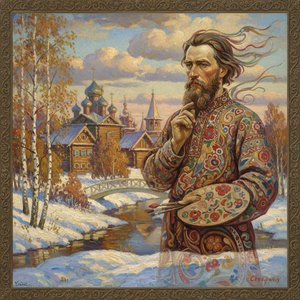
Igor Grabar: Bridging Impressionism & National Identity in Russian Modern Art
Explore the life & art of Igor Grabar, a pivotal figure in Russian Modernism. Discover his Impressionist landscapes, crucial role in art history, and legacy at the Tretyakov Gallery. A deep dive into a master painter & scholar.