
 实景预览
实景预览
 分享
分享 分享
分享
 详情
详情 指南
指南

 下载作品
下载作品
 相似作品
相似作品 X射线
X射线 幻灯片播放
幻灯片播放 问答
问答 统计数据
统计数据Chandelier Hanging

- 46.0 x 79.0 cm


 展开全文
展开全文
艺术微喷/版画
博物馆级艺术微喷或帆布版画,制作高效,并提供多种饰面选择。 ( 订购纯手工绘制画作 切换至数字图像销售渠道)




P118B ¥10

P118H ¥10

P118W ¥10

P438Z ¥10

P508JH ¥12

P508YH ¥12

P805H ¥10

P805Z ¥10

P919BZ ¥10

P919G ¥10

P919XJ ¥10

P959ZH ¥10

P968JZ ¥12

W106C ¥8

W218G ¥10

W218JH ¥8

W218Y ¥10

W307PJ ¥10

W316G ¥10

W316PJ ¥8

W316Y ¥10

W398PJ ¥8

W4111J ¥10

W500HY ¥15

W500JH ¥15

W692G ¥12

W849H ¥8

W940BG ¥15

W953PJ ¥8




您可以从与原作比例一致的预设尺寸中进行选择。

请输入您所需的宽度和高度,以适配您的画框或墙面。由于印刷品只能进行裁剪,无法超出原图尺寸,因此若比例不一致,画面的一部分将会被裁切。在正式印刷之前,我们会为您发送一份数字效果图供您确认。本页面显示的图片并非最终裁剪后的效果——只有效果图才能展示真实的裁剪情况。


 玻璃选项仅适用于110厘米以下的尺寸。

Chandelier Hanging
艺术微喷/版画
复刻品尺寸
-


最终结算价
¥ 544
Chandelier Hanging: A Surreal Pop Art Dialogue
The artwork presents an arresting juxtaposition – a commonplace chandelier reimagined as a playful commentary on domesticity and consumer culture through the unexpected inclusion of colorful stockings. Created by Kiki Kogelnik, born in Blagoveshchensk, Austria, in 1935, this piece embodies the spirit of Pop Art’s fascination with everyday objects elevated to symbolic significance. Its creation coincided with the anxieties surrounding the Space Race and the burgeoning influence of technological advancements on societal perceptions – themes that resonate powerfully within Kogelnik's broader artistic vision.- Composition & Perspective: The central focus is undeniably the chandelier, positioned against a stark white wall, offering a frontal view that emphasizes its geometric form and sculptural presence. Lines dominate the structure of the chandelier itself and subtly delineate the contours of the stockings, creating a sense of stability amidst the vibrant visual chaos.
- Material & Technique: Likely executed in oil paint or acrylic on canvas, Kogelnik’s technique prioritizes capturing color and shape with remarkable precision while maintaining an overall aesthetic that leans towards spontaneity and delight. The use of vinyl and acrylic hanger suggests a deliberate engagement with industrial materials—a characteristic trait of Pop Art artists who sought to challenge traditional artistic conventions.
- Color Palette & Symbolism: The artwork’s chromatic vibrancy is immediately striking, dominated by the bold hues of the stockings – blues, greens, reds, whites, yellows, blacks and more – which create a dramatic contrast against the neutral backdrop. This deliberate color choice isn't merely decorative; it speaks to Pop Art’s embrace of commercial imagery and its exploration of psychological associations.
- Stylistic Influences: Kogelnik drew inspiration from Serge Poliakoff of the École de Paris, acknowledging the influence of European Abstract Expressionism on her formative artistic journey. However, she swiftly established her own distinctive style, rejecting pure abstraction in favor of a more expressive approach that anticipates the stylistic developments of Pop Art.
- Emotional Impact: Ultimately, “Chandelier Hanging” succeeds in provoking contemplation about our relationship with objects and traditions. The absurdity inherent in repurposing a chandelier—a symbol of grandeur and formality—with stockings—representing comfort and domesticity—invites viewers to question societal norms and embrace unconventional perspectives.
Historical Context & Artistic Movement
The artwork’s genesis occurred during the Cold War era, a period marked by intense ideological rivalry between East and West and fueled by anxieties surrounding nuclear proliferation. Kogelnik's artistic explorations mirrored this broader societal preoccupation with technological progress and its impact on human experience—particularly as reflected in her fascination with cyborgs and representations of femininity. Her work stands apart from prevailing trends within European Abstraction, aligning instead with the burgeoning Pop Art movement’s rejection of elitist aesthetics and embrace of vernacular imagery.Detailed Analysis: Form & Texture
The artwork's shallow depth contributes to its immersive quality, drawing viewers into a carefully crafted visual space where form and texture intertwine. The smooth surface of the ceiling and wall contrasts subtly with the textured fabric of the stockings—a deliberate choice that enhances tactile perception and reinforces the artwork’s symbolic resonance. The artist skillfully employs geometric shapes—primarily derived from the stocking forms—to convey stability and precision, mirroring the influence of Constructivism on her artistic sensibilities.Concluding Remarks: Legacy & Interpretation
Kiki Kogelnik's “Chandelier Hanging” remains a testament to her unwavering commitment to challenging artistic boundaries and fostering dialogue about pressing social issues. Recognized as one of Austria’s most important Pop artists, she paved the way for future generations of female creatives who dared to explore feminist themes and question conventional societal expectations. Its enduring appeal lies in its ability to capture both the playful exuberance of Pop Art and the profound contemplation inherent in confronting familiar objects with fresh perspectives—a legacy that continues to inspire artistic innovation today.常见问题与解答
"Chandelier Hanging" 的作者是谁?属于哪种艺术流派?
"Chandelier Hanging" 由 Kiki Kogelnik 以 Pop Art 流派风格创作而成。艺术家与艺术流派共同定义了作品的传承。
Kiki Kogelnik 的《Chandelier Hanging》 的对比度表现如何?
Kiki Kogelnik 的《Chandelier Hanging》 在明暗区域之间呈现出 Serene 的对比度。
Kiki Kogelnik 的《Chandelier Hanging》 的亮度是多少?
Kiki Kogelnik 的《Chandelier Hanging》 的亮度为 Luminous。亮度描述了色彩呈现出的反射光量。
艺术家简介
Kiki Kogelnik: Life and Legacy
Early Life and Education
Kiki Kogelnik (1935–1997) was a pivotal Austrian painter, sculptor, and printmaker. Born in Blagoveshchensk, Austria, she received her artistic training at the Vienna Academy of Fine Arts. This foundational education provided her with the technical skills that would later be employed in her innovative and often provocative works.
Artistic Development and Influences
Kogelnik’s early career, beginning in 1961 at Galerie nächst St. Stephan in Vienna, was marked by abstract compositions. Initially, she drew inspiration from artists like Serge Poliakoff of the École de Paris. However, Kogelnik quickly developed her own distinct style, moving away from pure abstraction and embracing the emerging Pop Art aesthetic. While often categorized within Pop Art, she frequently expressed reservations about being solely defined by this movement.
Key Themes and Artistic Style
Throughout her career, Kogelnik explored a range of themes including technology, consumerism, and – particularly in the 1970s – the representation of women in media. Her work is characterized by vibrant colors, bold shapes, and a playful yet critical approach to societal norms. She frequently utilized materials like vinyl and plastic, reflecting her interest in modern industrial processes.
- Her “Women Works” directly addressed stereotypical portrayals of femininity.
- She often incorporated elements of science fiction and space exploration into her art.
- Kogelnik’s sculptures and hangings are known for their dynamic forms and tactile qualities.
Major Achievements and Recognition
Kogelnik achieved significant recognition during her lifetime, exhibiting widely in Europe and the United States. A large retrospective of her work was held at the Belvedere Museum in Vienna in 1997, shortly after her death. In 1998, she was posthumously awarded Austria’s highest decoration for services to the country – the Decoration of Honour for Services to the Republic of Austria – a testament to her lasting impact on Austrian art and culture.
Historical Significance
Kiki Kogelnik is considered one of Austria's most important Pop-related artists. Her work challenged conventional artistic boundaries and offered a unique perspective on the social and political landscape of the 20th century. She paved the way for future generations of female artists, particularly those interested in exploring feminist themes and challenging societal expectations. Her innovative use of materials and her willingness to experiment with different forms continue to inspire artists today.
Death and Legacy
Kiki Kogelnik passed away on February 1, 1997, in Vienna due to cancer. She is buried in Bleiburg, Austria. Her legacy continues through her artwork, which remains highly sought after by collectors and museums worldwide.
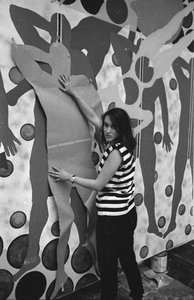
Kiki Kogelnik
1935 - 1997 , Austria
艺术家简介
- Name: Kiki Kogelnik
- Movement: Pop Art
- Birth Date: 1935
- Death Date: 1997
- Birth Place: Blagoveshchensk, Austria
- Nationality: Austrian
- Date Of Birth: 1935
- Date Of Death: 1997
- Influenced By: Serge Poliakoff
- Notable Works:
- Fly Me to the Moon
- Untitled (Skull)
- Place Of Birth: Blagoveshchensk, Austria
相关文章

Bronze Age to Modern Masters: 10 Sculptures That Redefined Art | OriginalUniqueArt
Journey through art history with 10 legendary bronze sculptures – from Michelangelo's David to Rodin’s Thinker. Explore the stories, techniques & timeless beauty of these masterpieces. Find museum-quality reproductions & elevate your home decor on OriginalUniqueArt.com.

Pop Surrealism Unveiled: The Sophisticated Intersection of Vibrant Pop Art and Dreamlike Subconscious Landscapes
Explore the captivating world of Pop Surrealism. Discover how vibrant Pop Art meets dreamlike subconscious imagery through the works of masters like Jeff Soto and Ryan Heshka. An expert guide for discerning collectors seeking to understand this profound contemporary art movement.

The Enduring Form: Exploring Themes & Techniques in Sculpture Across Historical Periods
Explore the rich history of sculpture from ancient masterpieces to contemporary innovations. Discover key techniques, influential artists & investment potential for discerning art collectors.

Bronze Sculptures That Defined Art History | OriginalUniqueArt
Journey through art history with our Top 10 bronze sculptures! Explore masterpieces by Rodin, Michelangelo & more. Discover stories behind iconic statues and find museum-quality reproductions for your home decor at OriginalUniqueArt.com.

The Enduring Form: Sculpture Across History, Technique & Emotional Resonance
Explore the rich history of sculpture with OriginalUniqueArt. Discover key techniques, influential artists & investment potential for discerning collectors. Expert insights into valuing and collecting timeless masterpieces.