

 实景预览
实景预览
 发送
发送 分享
分享
 详情
详情 指南
指南

 下载图片
下载图片
 相似作品
相似作品 X射线
X射线 幻灯片播放
幻灯片播放 统计数据
统计数据Self-Portrait


 阅读全文
阅读全文
艺术微喷/版画
博物馆级艺术微喷或帆布版画,制作高效,并提供多种饰面选择。 ( 订购此收藏品的纯手工复刻画作 切换至数字图像销售渠道)




P118B ¥10

P118H ¥10

P118W ¥10

P438Z ¥10

P508JH ¥12

P508YH ¥12

P805H ¥10

P805Z ¥10

P919BZ ¥10

P919G ¥10

P919XJ ¥10

P959ZH ¥10

P968JZ ¥12

W106C ¥8

W218G ¥10

W218JH ¥8

W218Y ¥10

W307PJ ¥10

W316G ¥10

W316PJ ¥8

W316Y ¥10

W398PJ ¥8

W4111J ¥10

W500HY ¥15

W500JH ¥15

W692G ¥12

W849H ¥8

W940BG ¥15

W953PJ ¥8




您可以从与原作比例一致的预设尺寸中进行选择。

请输入您所需的宽度和高度,以适配您的画框或墙面。由于印刷品只能进行裁剪,无法超出原图尺寸,因此若比例不一致,画面的一部分将会被裁切。在正式印刷之前,我们会为您发送一份数字效果图供您确认。本页面显示的图片并非最终裁剪后的效果——只有效果图才能展示真实的裁剪情况。


 玻璃选项仅适用于110厘米以下的尺寸。

Self-Portrait
艺术微喷/版画
复刻品尺寸说明
-


总计金额
¥ 537
A Bold Statement of Form and Feeling
Kazimir Malevich's 1910 “Self-Portrait” is not merely a depiction of an individual; it’s a declaration. Painted in gouache on paper, this work stands as a pivotal example of the Fauvist movement – a radical departure from the naturalistic traditions that had dominated Western art for centuries. More than just a portrait, it's a concentrated distillation of color and form, a visual embodiment of Malevich’s burgeoning exploration of pure feeling and abstraction. The painting immediately commands attention with its vibrant palette: a striking red tie dominates the composition, juxtaposed against a background that seems to dissolve into an energetic swirl of blues and greens. This isn’t a realistic rendering; it's an emotional landscape rendered in pigment.
The Fauvist Impulse
Born from a reaction against Impressionism’s focus on capturing fleeting moments of light, Fauvism embraced the deliberate distortion of color for expressive effect. Artists like Henri Matisse and André Derain used intense hues – often divorced from naturalistic representation – to evoke moods and sensations directly. Malevich's “Self-Portrait” perfectly embodies this principle. The bold red isn’t simply a description of his tie; it’s a conduit for energy, confidence, or perhaps even defiance. The artist deliberately avoids subtle gradations, opting instead for flat areas of color that vibrate with intensity. This technique creates a sense of immediacy and raw emotion, pulling the viewer directly into the painting's core.
A Study in Geometric Simplicity
While firmly rooted in Fauvism, Malevich’s work is already hinting at his later development of Suprematism – an even more radical movement that sought to eliminate all representational elements from art. Notice the simplification of form within the portrait itself; the face is rendered with broad strokes and minimal detail, prioritizing the overall composition over a precise likeness. The background, too, is reduced to dynamic shapes and colors, suggesting movement and energy rather than a specific location. This deliberate reduction reflects Malevich’s belief that art should transcend the limitations of the visible world and tap into a realm of pure feeling and spirituality – a concept central to Suprematism.
Context within Post-Impressionism
To understand “Self-Portrait,” it's crucial to situate it within the broader context of Post-Impressionism. This movement, spanning from roughly 1886 to 1905, represented a diverse range of artistic approaches that reacted against Impressionism’s emphasis on capturing light and color. Artists like Paul Cézanne, Vincent van Gogh, and Paul Gauguin explored subjective experience, emotional intensity, and symbolic meaning in their work. Malevich's Fauvist tendencies align with this broader trend toward greater expressiveness and experimentation within the Post-Impressionist landscape. His exploration of color and form paved the way for the revolutionary developments that would characterize 20th-century art.
A Legacy of Abstraction
“Self-Portrait” is more than just a beautiful painting; it’s a foundational work in the history of modern art. It represents a crucial step toward abstraction, demonstrating Malevich's willingness to challenge conventional artistic norms and explore new ways of representing reality – or, perhaps more accurately, representing inner experience. Reproductions of this powerful image continue to resonate with viewers today, offering a glimpse into the mind of a visionary artist who fundamentally altered the course of art history. Explore high-quality reproductions on OriginalUniqueArt.com for a stunning addition to your collection.
问答详情
创作《Self-Portrait》时,卡济米尔·马列维奇 的年龄是多少?
卡济米尔·马列维奇 在 32 岁时创作了《Self-Portrait》。艺术家出生于 1878,该作品创作于 1910 年。
"Self-Portrait" 的材质是什么,采用了哪种风格?
卡济米尔·马列维奇 的《Self-Portrait》 将 纸本丙烯 技法与 Fauvism 流派风格完美融合。技法与流派分别描述了作品的创作手法及其艺术风格。
如何购买 卡济米尔·马列维奇 的《Self-Portrait》 的版画?
“Self-Portrait”可通过 采用棉质帆布或档案级画布纸制作的艺术版画 进行购买。您可以在其 艺术版画 页面上根据您的需求选择尺寸并下单。
艺术家简介
卡济米尔·马列维奇:抽象艺术的先驱
早年生活与艺术启蒙
- 1878年,卡济米尔·谢韦里诺维奇·马列维奇出生于乌克兰基辅州的一个波兰家庭。他早年的生命轨迹深受乌克兰乡村景观及其丰富民间文化的滋养。
- 这种成长环境赋予了他对传统艺术表达的深刻鉴赏力,并在日后的创作中悄然渗透进他的作品之中。
- 尽管他在基辅接受了正规的艺术训练,但马列维奇很快便渴望开辟更广阔的艺术视野,随后移居莫斯科,并最终投身于欧洲蓬勃发展的先锋派运动。
- 关键影响:早期对民间艺术的接触,结合其对现代表达方式的追求,共同构筑了他独特艺术风格的基石。
艺术演进与核心流派
- 在创作初期,马列维奇广泛探索了多种艺术风格,包括印象派、象征主义、野兽派以及立体主义。1912年那次至关重要的巴黎之旅,让他得以接触到欧洲艺术界最前沿的发展动态。
- 他逐渐背离了具象的描绘形式,转而寻求一种基于几何形状与色彩关系的纯粹艺术语言。
- 这一探索在1915年前后促成了至上主义(Suprematism)的诞生——这是一场聚焦于艺术中“纯粹感受力的至高无上”的抽象运动。
- 至上主义拒绝任何试图描绘可见世界物象的尝试,转而将正方形、圆形和长方形等基本几何形式置于艺术的核心地位。
卓越成就与传世名作
- 《黑方块》(1915):这无疑是他最负盛名的杰作,它代表了对传统艺术的一次激进决裂,被视为抽象绘画的奠基之作。
- 《白色加白色》(1918):这一系列作品旨在探索形式与色彩的纯粹性,通过白色的几何形状在白色背景上的呈现,将抽象艺术推向了极致。
- 《建设中的房屋》(1916):这是至上主义早期的典范之作,通过抽象的形式展现了他对乌克兰文化独特的视角。
- 此外,他还撰写了大量的艺术理论著作,清晰地阐述了至上主义背后的哲学原则,并倡导一种全新的艺术意识。
历史地位与深远影响
- 马列维奇的作品深刻影响了20世纪抽象艺术的发展,并对极简主义和构成主义等运动产生了深远作用。
- 他挑战了传统的再现观念,为非客观艺术的兴起铺平了道路。
- 他关于纯粹感受力与几何抽象的思想,至今仍能在当代艺术家身上引起共鸣。
- 尽管在斯大林统治时期面临政治迫害——从最初的支持到后来的压制——马列维奇依然在艺术实践与教学中坚守初心。
- 对后世艺术家的影响:他直接启发了如埃尔·利西茨基(El Lissitzky)等艺术家,并通过至上主义持久的遗产,间接塑造了无数后来的艺术灵魂。
晚年生活与逝世
- 在生命的最后阶段,马列维奇重新审视了具象绘画,试图将他的抽象原则与再现形式进行某种程度的融合。
- 他一直致力于艺术教学与理论写作,直至1935年在列宁格勒(今圣彼得堡)逝世。
- 尽管其作品在去世后的数十年里一度沉寂,但在20世纪下半叶却迎来了研究热潮的复兴,从而确立了他作为现代艺术史上最重要人物之一的崇高地位。

卡济米尔·马列维奇
1878 - 1935 , 乌克兰
快速概览
- 全名: 卡济米尔·马列维奇
- 出生地 (城市和国家): 乌克兰基辅州
- 出生日期: 1878年2月23日
- 受此艺术家影响的艺术家或运动:
- 极简主义
- 构成主义
- 埃尔·利西茨基
- 国籍: 乌克兰/俄罗斯
- 影响该艺术家的艺术家:
- 立体派
- 野兽派
- 印象派
- 艺术运动或风格: 至上主义,抽象艺术
- 著名作品:
- 黑方
- 白与白
- 正在建造的房子
相关文章
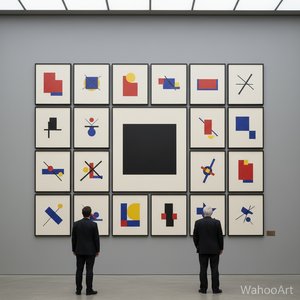
卡济米尔·马列维奇:25幅颠覆艺术认知的杰作 | OriginalUniqueArt
探索卡济米尔·马列维奇25幅至上主义杰作!深入了解抽象艺术的起源、黑色正方形背后的故事,以及如何用现代艺术提升您的家居装饰。OriginalUniqueArt.com提供博物馆级艺术复制品,点亮您的空间。立即在线探索完整系列!

Crimson Threads of Narrative: Exploring Symbolism & Representation in Artworks Featuring the Red Dress
Explore the rich symbolism of the red dress in art history! From ancient power displays to iconic portraits like Cézanne’s 'Madame Cezanne', discover the cultural and artistic significance behind this captivating color. Expert analysis & insights.
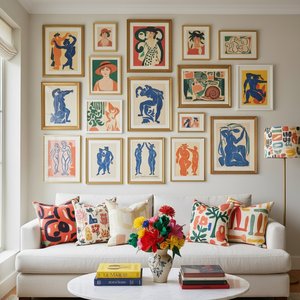
马蒂斯大师25幅杰作:色彩与光影的艺术传奇 | OriginalUniqueArt
探索亨利·马蒂斯25幅杰作,感受野兽派色彩的魅力!从《舞蹈》到《红色和谐》,揭秘大师背后的故事与艺术灵感。OriginalUniqueArt.com提供博物馆级高质量油画复制品,为您的家居增添奢华艺术气息。立即在线探索完整系列!
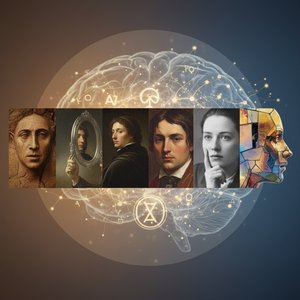
Reflecting the Self: A History of Portraiture & Psychological Insight
Explore the fascinating history of self-portraiture from Renaissance masters like Dürer & Rembrandt to modern interpretations. Discover the psychological insights and artistic techniques behind these iconic works. Expert analysis for art enthusiasts.

The Gleaming Geometry of Desire: Exploring Art Deco's Enduring Influence on Visual Culture
Explore the captivating world of Art Deco! Discover its history, key characteristics, enduring influence on design & collecting with expert insights from OriginalUniqueArt.com.


