

 效果预览
效果预览
 分享
分享 分享
分享
 详情
详情 指南
指南

 下载
下载
 相似作品
相似作品 X射线
X射线 幻灯片播放
幻灯片播放 统计数据
统计数据The Dish Mansion

 展开详情
展开详情
艺术微喷/版画
博物馆级艺术微喷或帆布版画,制作高效,并提供多种饰面选择。 ( 购买手绘画作 切换至数字图像销售渠道)




P118B $10

P118H $10

P118W $10

P438Z $10

P508JH $12

P508YH $12

P805H $10

P805Z $10

P919BZ $10

P919G $10

P919XJ $10

P959ZH $10

P968JZ $12

W106C $8

W218G $10

W218JH $8

W218Y $10

W307PJ $10

W316G $10

W316PJ $8

W316Y $10

W398PJ $8

W4111J $10

W500HY $15

W500JH $15

W692G $12

W849H $8

W940BG $15

W953PJ $8




从与原作比例一致的预设尺寸中进行选择。

您可以输入自定义尺寸,以适配特定的画框或空间。如果您选择的尺寸与原图比例不符,我们将对作品进行裁剪,或通过镜像填充/纯色填充边缘的方式来扩展图像。在开始制作之前,我们会向您发送一份数字效果图供您确认。
请注意,屏幕上的预览并不能反映实际的裁剪或扩展效果。只有效果图才能准确展示最终的构图。
虽然我们提供定制尺寸,但为了保持原图比例,我们建议您从预设列表中选择尺寸。


 玻璃选项仅适用于110厘米以下的尺寸。

The Dish Mansion
艺术微喷/版画
复制品尺寸
-


最终总价
$ 80
A Spectral Tale Told in Blue Ink: Exploring Katsushika Hokusai’s “The Dish Mansion”
Katsushika Hokusai, a name synonymous with Japanese art and the iconic image of *The Great Wave off Kanagawa*, was far more than just a printmaker. Born in Edo (modern-day Tokyo) around 1760, his life was a restless pursuit of artistic mastery, a constant evolution marked by shifting names and an insatiable curiosity. From humble beginnings as the son of a mirror maker, Hokusai’s early inclination towards art wasn't immediately encouraged; yet, he relentlessly honed his skills, reportedly beginning to draw at the age of six. This dedication would define a career spanning nearly nine decades, leaving behind a legacy that continues to resonate with audiences worldwide. His father, Nakajima Ise, though not an artist himself, recognized and perhaps fostered this nascent talent, laying the groundwork for a journey that would transform Japanese visual culture. Hokusai’s early life wasn't one of privilege, but rather a steady climb fueled by an unwavering passion for capturing the beauty and drama of the natural world – specifically, the turbulent seas of Japan during the Edo period. The artwork itself depicts a haunting scene: a woman draped in flowing robes sits upon jagged rocks overlooking the ocean. Her gaze ascends towards the heavens, while she delicately smokes a cigarette—a subtle gesture that speaks volumes about her contemplative state and perhaps hints at a melancholic solitude. The composition is strikingly stylized, firmly rooted in the traditions of *ukiyo-e*, or “pictures of floating world,” which flourished during Hokusai’s lifetime. This artistic movement sought to depict everyday life with vibrant colors and dynamic perspectives, often incorporating fantastical elements and folklore. Notice the deliberate use of oriental aesthetics—the serene blue background dominates the canvas, mirroring the deep hues found in Japanese textiles and ceramics – a color associated with mourning and spirituality. The artist skillfully employs Prussian blue pigment (also known as Berlin blue), a relatively new innovation at the time that allowed for unprecedented tonal range and luminosity. This bold hue wasn’t merely decorative; it carried symbolic weight, reflecting the pervasive belief in ghosts and spirits within Japanese culture. Adding to the visual drama is a bird soaring above the woman's head—a motif frequently employed in Hokusai’s prints to convey movement and aspiration. Beneath her feet lie rocks that resemble stylized representations of mountains, reinforcing the connection between earthly existence and the sublime grandeur of nature. Furthermore, scattered leaves contribute textural detail and depth, grounding the ethereal figure within a tangible environment. The inclusion of a boat drifting on the water subtly underscores the setting’s maritime character—a reminder of Japan's seafaring traditions and its vulnerability to natural forces. Beyond its aesthetic qualities, “The Dish Mansion” carries a profound narrative element drawn from Japanese folklore. According to legend, Okiku was a maidservant who accidentally shattered a treasured dish belonging to her lord – an act that incurred his wrath and resulted in her gruesome demise. The print portrays Okiku’s vengeful spirit returning nightly to haunt him, embodying the anxieties surrounding death and retribution prevalent during Hokusai's era. This ghostly apparition is rendered with meticulous detail, highlighting the artist’s mastery of woodblock printing technique—a process that demanded incredible precision and patience.- Artist: Katsushika Hokusai
- Born Year: 1760
- Death Year: 1849
- Birth City: Tokyo
- Birth Country: Japan
艺术家简介
葛飾北斎:浮世绘大师的波澜壮阔人生
葛飾北斎,一个与日本艺术紧密相连的名字,他的《神奈川沖浪図》(大涌之波)更是家喻户晓的标志性图像。然而,北斋远不止是一位版画家,他更是一位不断探索、勇于创新的艺术巨匠。生于江戶(今东京)约1760年,他的一生都在追寻艺术的极致,其作品风格随着时间的推移而不断演变,留下了令人惊叹的艺术遗产,至今仍深深影响着世界各地的观众。他的父亲中島 ISE,虽然并非艺术家,却似乎敏锐地察觉并鼓励了北斋这股与生俱来的艺术天赋,为他日后的艺术生涯奠定了基础。北斋早年的生活并非一帆风顺,但他凭借着对艺术的执着热情和不懈努力,最终在艺术领域取得了辉煌成就。学徒时代到创新之路:风格的绽放
北斎的正式艺术训练始于12岁,他进入了浮世绘大师勝川春松(Katsukawa Shunshō)的工作室。浮世绘是江戶時代盛行的艺术形式,描繪了當時社會生活的方方面面,包括演員、藝妓、風景以及城市文化中的精彩瞬間。在春松的指導下,北斎掌握了版画的精湛技艺,但他也並非滿足於單純地模仿老師的風格。即使在其早期作品中,也能看到一股不安分的精神,一種渴望突破界限、探索新表現方式的熱情。他嘗試不同的題材,從書籍插圖到單張畫作,不斷磨練自己的技能,形成了獨特的視覺語言。这一时期也见证了他多次改名的现象——这在日本浮世绘艺术家中是一种常见的做法,通常代表着艺术生涯的不同阶段或个人信仰的变化。富士山与浮世绘:定义杰作
北斎的艺术作品数量惊人,数千幅版画、绘画和插图都署有他的名字。虽然他探索了各种各样的题材,但以《富嶽三十六景》(1831年左右)系列中的标志性作品《神奈川沖浪図》最为人熟知。这个系列并非仅仅是对风景的描绘,更是对透视、构图和自然力量的巧妙运用。那滔天巨浪,即将吞噬微弱的小船,既展现了大海的美丽,也蕴含着令人胆寒的恐怖。除了《富嶽三十六景》,如《隅田川花火》(1790年)等作品,都展示了他捕捉日常生活中动态场景的能力,具有非凡的活力和细节。他的《北斎漫画》——一本包含人物、动物、风景和奇幻生物的素描集——在范围和影响力上具有开创性意义,预示了现代漫画艺术的发展。这些作品并非孤立的成就,而是艺术旅程中的里程碑,每一部都建立在前一部的基础之上,共同创造了一个既根植于日本传统又极具创新性的艺术体系。超越国界的遗产:北斋的持久影响
北斎的影响力远远超出了日本本土。19世纪末,随着日本对外开放,“浮世绘”画作大量涌入欧洲市场,引发了被称为“日本主义”(Japonisme)的现象。克劳德·莫奈、埃德加·德加和文森特·梵高等艺术家被北斋大胆的构图、鲜艳的色彩以及非传统的视角所吸引。《神奈川沖浪図》尤其受到推崇,甚至影响了梵高的绘画创作。北斎的影响力不仅限于印象派,它渗透到各种现代艺术运动中,塑造了艺术家们对构图、色彩和主题的处理方式。他对捕捉瞬间、运用动态线条以及在日常生活中发现美的能力,引起了一代艺术家的共鸣,他们都在寻求新的表现形式。 即使今天,北斋的作品仍然不断地激励和挑战着世界各地的艺术家,巩固了他作为艺术史上最重要的代表人物之一的地位。他一直坚持创作到1849年去世,享年八十九岁,留下了浩瀚的艺术作品,证明了他的坚定奉献精神和非凡的艺术天赋。老朽而痴绘
北斎的一生都在不断地自我革新,职业生涯中使用了超过三十个名字——每个名字都代表着他艺术发展的一个新阶段。他经常自称为“画狂老人”(Gakyō Rōjin),这个称号非常适合一位直到八十多岁仍然对自己的技艺充满热情的艺术家。这种对完美的不懈追求,加上他的创新精神和对日本传统以及更广阔世界深刻的理解,巩固了北斋作为浮世绘大师和艺术史上关键人物的地位。 他的作品至今仍吸引着观众,提醒我们艺术的力量可以超越文化界限,并将我们与更大的事物联系起来。- 主要影响:浮世绘传统、中国山水画、江戶市井生活。
- 关键特征:大胆的线条、鲜艳的色彩、动态的构图、敏锐地观察自然。

葛飾北斎 (Kāshí Běizāi)
1760 - 1849 , 日本
艺术家简介
- Artistic Movement Or Style: 浮世绘 (Ukiyo-e)
- Artists Or Movements Influenced By This Artist:
- 印象派
- 文森特·梵高
- 克劳德·莫奈
- Artists Who Influenced This Artist: ['中国山水画']
- Date Of Birth: 1760年10月31日
- Date Of Death: 1849年5月10日
- Full Name: 葛飾北斎
- Nationality: 日本
- Notable Artworks:
- 神奈川沖浪裏
- 富嶽三十六景
- 北斎漫画
- 東都風俗画
- Place Of Birth: 日本东京
相关文章

Floating Worlds: A Definitive Guide to the Mastery and Philosophy of Japanese Ukiyo-e Woodblock Prints
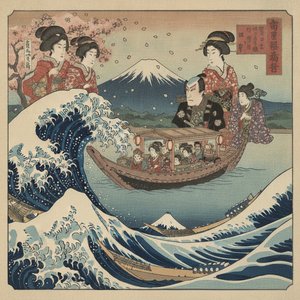
Explore the profound beauty of Ukiyo-e. Discover the history, philosophy, and legendary masters of Japanese woodblock prints, from Hokusai to Kuniyoshi, in this expert guide to the 'Floating World'.
Masterpieces of Japan: A Definitive Guide to Ukiyo-e and the Art of the Floating World
Explore the profound beauty of Japanese Ukiyo-e. From Hokusai's iconic waves to the elegance of the Edo period, discover the history and masters behind the 'Floating World' in this expert art-history guide for collectors and enthusiasts.

The Floating World: Unveiling the Timeless Beauty and Soul of Japanese Ukiyo-e Artistry
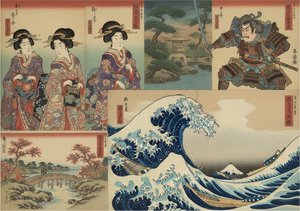
Journey through the ephemeral beauty of Japanese Ukiyo-e. Uncover the profound history of woodblock prints, the mastery of Hokusai, and the captivating link between the 'Floating World' and Impressionism. A sophisticated guide for the discerning art enthusiast.
浮世绘:江户时代风俗画的艺术魅力与日本文化的持久影响
深入探索江户时代浮世绘的艺术魅力!了解木版画技艺、大师作品,及其对西方印象派的影响。OriginalUniqueArt为您提供专业的艺术解读与高清复刻服务。

葛饰北斋:25幅传世名作,浮世绘大师的艺术传奇 (Katsushika Hokusai: 25 Masterpieces, The Art Legacy of the Ukiyo-e Master)
探索葛饰北斋的25幅传世名作!深入了解浮世绘大师的艺术传奇,感受《神奈川冲浪波》等经典作品背后的故事与魅力。OriginalUniqueArt.com提供博物馆级高质量复制品,为您的家居带来日本风情和艺术灵感。立即探索完整系列!


