切换至版画销售渠道
 展开全文
展开全文







































 对于任何边长超过 105 厘米(约 41 英寸)的艺术品或复制品,画框将以拆解后的组件形式发货。此方法可确保安全送达并防止运输过程中的损坏。


A Glimpse into Edo Period Life: Katsushika Hokusai’s “Embroiderers”
This captivating black and white drawing by the celebrated Japanese *ukiyo-e* master, Katsushika Hokusai (1760-1849), offers a rare and intimate view into the daily lives of women during the Edo period. Unlike his more famous landscapes like “The Great Wave,” “Embroiderers” focuses on an interior scene – a bustling workshop filled with individuals engaged in the meticulous art of embroidery.Subject & Composition
The composition is dynamic, depicting several figures absorbed in their work. Some are seated at low tables, while others kneel or stand around them, creating a sense of communal activity and focused energy. The arrangement isn’t rigidly formal; instead, it feels observational – as if Hokusai captured a fleeting moment within this working environment. Details like the bowl on the table and scattered books suggest both practicality and a degree of refinement in their surroundings.Style & Technique
Executed with delicate lines and subtle shading, “Embroiderers” showcases Hokusai’s mastery of draftsmanship. While best known for his woodblock prints, drawings like this reveal the foundational skill upon which those prints were built. The use of monochrome emphasizes form and texture, drawing attention to the intricate details of the embroidery itself – suggested by the numerous visible needles. This piece demonstrates a characteristic *ukiyo-e* focus on everyday life, but with an intimacy rarely seen in his more expansive works.Historical & Cultural Context
During the Edo period (1603-1868), embroidery was a significant craft practiced by both professional artisans and women of all social classes. It wasn’t merely a decorative art; it held cultural importance, adorning clothing, household items, and religious objects. The depiction of women engaged in this work provides insight into their roles within society – as skilled laborers contributing to the economy and maintaining domestic traditions. Hokusai's willingness to depict such scenes reflects the *ukiyo-e* movement’s broader interest in portraying the “floating world” – the pleasures and realities of contemporary life.Symbolism & Emotional Impact
While not overtly symbolic, the collaborative nature of the scene suggests themes of community, skill sharing, and female empowerment within a defined social structure. The focused concentration of the figures evokes a sense of quiet dedication and artistic fulfillment. The drawing’s intimate scale invites viewers to step into this world, fostering a connection with the individuals depicted and appreciating their craft.For Collectors & Designers
“Embroiderers” is a compelling piece for collectors seeking less-common works by Hokusai, offering a unique perspective beyond his iconic landscapes. Its monochrome palette and intimate subject matter make it exceptionally versatile for interior design. It would complement both traditional Japanese aesthetics and contemporary spaces, adding a touch of historical elegance and artistic depth. The drawing’s focus on craft and community also resonates with current trends towards mindful living and appreciation for artisanal skills.- Artist: Katsushika Hokusai (1760-1849)
- Style: Ukiyo-e, Drawing
- Period: Edo Period (1603-1868)
- Subject: Genre Scene – Women Embroidering
常见问题与解答
葛飾北斎 (Kāshí Běizāi) 的《Embroiderers》 的色彩构图是如何构建的?
葛飾北斎 (Kāshí Běizāi) 的《Embroiderers》 的色彩构成将 Bold 的对比与 Unified Palette 的和谐融为一体。
"Embroiderers" 的作者是谁?
《Embroiderers》被归为葛飾北斎 (Kāshí Běizāi)的作品。
"Embroiderers" 的主题与 葛飾北斎 (Kāshí Běizāi) 常有的创作主题有何关联?
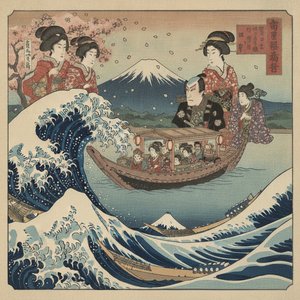
在葛飾北斎 (Kāshí Běizāi)已记录的主题——ukiyo-e tradition, japanese landscape art, collaborative artistry, oceanic symbolism, hokusai's mastery, social commentary (implied), nature's power", iconic japanese scene——之中,"Embroiderers" 则将焦点转向了japanese artisans, collaborative work, ocean waves, boats, traditional japan, woodblock printing, ukiyo-e style, detailed artwork。
 实景预览
实景预览
 分享
分享 分享
分享
 详情
详情 指南
指南

 下载作品
下载作品
 相似作品
相似作品 X射线
X射线 幻灯片播放
幻灯片播放 问答
问答 统计数据
统计数据