

 实景预览
实景预览
 发送
发送 分享
分享
 详情
详情 指南
指南

 下载图片
下载图片
 相似作品
相似作品 X射线
X射线 幻灯片播放
幻灯片播放 统计数据
统计数据Dragon

 阅读全文
阅读全文
手工油画复制品
由我们的艺术家按需定制,为您提供您所选尺寸及画框的布面手工油画。 ( 切换至版画销售渠道 切换至数字图像销售渠道)




P118B ¥10

P118H ¥10

P118W ¥10

P438Z ¥10

P508JH ¥12

P508YH ¥12

P805H ¥10

P805Z ¥10

P919BZ ¥10

P919G ¥10

P919XJ ¥10

P959ZH ¥10

P968JZ ¥12

W106C ¥8

W218G ¥10

W218JH ¥8

W218Y ¥10

W307PJ ¥10

W316G ¥10

W316PJ ¥8

W316Y ¥10

W398PJ ¥8

W4111J ¥10

W500HY ¥15

W500JH ¥15

W692G ¥12

W849H ¥8

W940BG ¥15

W953PJ ¥8




您可以从与原作比例一致的预设尺寸中进行选择。

请输入您需要的宽度和高度,以适配您的画框或墙面。由于作品为手工绘制,若您选择不同的尺寸比例,艺术家可能会在画面边缘多画一些或稍作裁剪 —— 由您决定。在开始绘画之前,我们会为您发送一份数字效果图供您确认。本页面上展示的图片并非最终实物 —— 只有效果图才能反映真实结果。
下单后,OriginalUniqueArt.com 团队将通过电子邮件联系客户获取具体要求,并提供效果预览图


 玻璃选项仅适用于110厘米以下的尺寸。

Dragon
复制品材质
复刻品尺寸说明
-


总计金额
¥ 2017
A Symphony in Crimson and Azure: Exploring Katsushika Hokusai’s “Dragon”
Katsushika Hokusai’s “Dragon,” more than just a depiction of a mythical creature, embodies the spirit of Edo period Japanese art—a profound meditation on observation, masterful execution, and layered symbolic resonance. Produced circa 1830-1840 during Hokusai's prolific output amidst his monumental series “Thirty-Six Views of Mount Fuji,” this woodblock print exemplifies the dynamism inherent in his signature style, capturing not merely a visual representation but an emotional experience rooted in centuries of artistic tradition. It’s a piece that speaks to the viewer long after initial observation, prompting contemplation on themes of imperial power, natural harmony, and the ephemeral beauty of existence.The Essence of Ukiyo-e Technique: Prussian Blue and Precise Craftsmanship
Hokusai revolutionized ukiyo-e—the “floating world” genre—by prioritizing immediacy and movement over idealized representations prevalent in Western painting traditions. Unlike his contemporaries who sought to portray subjects as flawless embodiments of beauty, Hokusai focused on capturing the raw energy of nature, mirroring its turbulent grandeur within the confines of a single print. This remarkable achievement is achieved through innovative use of Prussian blue pigment – an accidental import from Europe that dramatically expanded the palette available to Japanese artists – meticulously layered upon finely grained rice paper. The printing process itself involved multiple blocks carved by skilled artisans, each responsible for transferring color and tonal variations onto the paper with astonishing precision. Consider the subtle gradations of tone mimicking the undulating surface of seawater; this level of detail speaks volumes about Hokusai’s dedication to craftmanship and his understanding of how visual elements could convey emotion.Mount Fuji's Influence: Landscape as Spiritual Symbol
“Dragon” is inextricably linked to Hokusai’s monumental series “Thirty-Six Views of Mount Fuji,” which aimed to elevate the landscape beyond mere scenic beauty into a vehicle for contemplation and spiritual enlightenment. The composition deliberately incorporates elements associated with auspiciousness—the dragon itself, representing imperial power and benevolent rule; swirling clouds mirroring turbulent skies; and stylized waves conveying dynamism and unpredictability. These visual motifs resonate deeply within Japanese cosmology, where dragons symbolize prosperity and protection, and Mount Fuji embodies stability and permanence amidst the ceaseless flow of time. Hokusai’s intention wasn't simply to depict a mountain; he sought to convey its profound significance as a focal point for spiritual reflection—a testament to his artistic vision.Symbolism Beyond Representation: Dragon Imagery in Edo Period Art
The dragon motif held considerable symbolic weight during the Edo period, reflecting anxieties about imperial authority and celebrating resilience against adversity. Frequently depicted in Buddhist iconography alongside lotus blossoms symbolizing purity and enlightenment, the dragon embodies both strength and humility—a duality that underscores Hokusai’s broader artistic concerns. Its presence within “Dragon” serves as a reminder of Japan's enduring connection to mythology and folklore, inviting viewers to consider the deeper meanings embedded within its visual language. The print’s masterful execution elevates it beyond mere aesthetic pleasure, transforming it into an object of contemplation and appreciation for those attuned to the nuances of Japanese artistic tradition.Emotional Resonance: Capturing Transient Beauty
Ultimately, “Dragon” succeeds in conveying a powerful emotional experience—a sense of awe before the sublime grandeur of nature combined with an awareness of its impermanence. Hokusai’s ability to capture this duality speaks to the core tenets of Zen Buddhism and underscores his conviction that beauty resides not only in outward appearance but also in inner contemplation. Viewing this print is akin to embarking on a journey into the heart of Edo period artistic sensibility—a celebration of observation, technique, and the enduring power of symbolism to illuminate the human condition.问答详情
建议将 葛飾北斎 (Kāshí Běizāi) 的《Dragon》 用于何种用途?
葛飾北斎 (Kāshí Běizāi) 的《Dragon》 的复制品非常适合用于 Accent。这一建议源于作品的主题、意境与色彩。
葛飾北斎 (Kāshí Běizāi) 的《Dragon》 是一件广为人知的艺术品吗?
“Dragon”的受欢迎程度被归类为Iconic。
我可以在不同的光线下查看葛飾北斎 (Kāshí Běizāi) 的《Dragon》吗?
葛飾北斎 (Kāshí Běizāi) 的《Dragon》 的 X射线检测 页面是一个交互式查看器,您可以通过它逐层滑动浏览作品图像的十一层光学图层,其中还包含 X 光风格的视图。
艺术家简介
葛飾北斎:浮世绘大师的波澜壮阔人生
葛飾北斎,一个与日本艺术紧密相连的名字,他的《神奈川沖浪図》(大涌之波)更是家喻户晓的标志性图像。然而,北斋远不止是一位版画家,他更是一位不断探索、勇于创新的艺术巨匠。生于江戶(今东京)约1760年,他的一生都在追寻艺术的极致,其作品风格随着时间的推移而不断演变,留下了令人惊叹的艺术遗产,至今仍深深影响着世界各地的观众。他的父亲中島 ISE,虽然并非艺术家,却似乎敏锐地察觉并鼓励了北斋这股与生俱来的艺术天赋,为他日后的艺术生涯奠定了基础。北斋早年的生活并非一帆风顺,但他凭借着对艺术的执着热情和不懈努力,最终在艺术领域取得了辉煌成就。学徒时代到创新之路:风格的绽放
北斎的正式艺术训练始于12岁,他进入了浮世绘大师勝川春松(Katsukawa Shunshō)的工作室。浮世绘是江戶時代盛行的艺术形式,描繪了當時社會生活的方方面面,包括演員、藝妓、風景以及城市文化中的精彩瞬間。在春松的指導下,北斎掌握了版画的精湛技艺,但他也並非滿足於單純地模仿老師的風格。即使在其早期作品中,也能看到一股不安分的精神,一種渴望突破界限、探索新表現方式的熱情。他嘗試不同的題材,從書籍插圖到單張畫作,不斷磨練自己的技能,形成了獨特的視覺語言。这一时期也见证了他多次改名的现象——这在日本浮世绘艺术家中是一种常见的做法,通常代表着艺术生涯的不同阶段或个人信仰的变化。富士山与浮世绘:定义杰作
北斎的艺术作品数量惊人,数千幅版画、绘画和插图都署有他的名字。虽然他探索了各种各样的题材,但以《富嶽三十六景》(1831年左右)系列中的标志性作品《神奈川沖浪図》最为人熟知。这个系列并非仅仅是对风景的描绘,更是对透视、构图和自然力量的巧妙运用。那滔天巨浪,即将吞噬微弱的小船,既展现了大海的美丽,也蕴含着令人胆寒的恐怖。除了《富嶽三十六景》,如《隅田川花火》(1790年)等作品,都展示了他捕捉日常生活中动态场景的能力,具有非凡的活力和细节。他的《北斎漫画》——一本包含人物、动物、风景和奇幻生物的素描集——在范围和影响力上具有开创性意义,预示了现代漫画艺术的发展。这些作品并非孤立的成就,而是艺术旅程中的里程碑,每一部都建立在前一部的基础之上,共同创造了一个既根植于日本传统又极具创新性的艺术体系。超越国界的遗产:北斋的持久影响
北斎的影响力远远超出了日本本土。19世纪末,随着日本对外开放,“浮世绘”画作大量涌入欧洲市场,引发了被称为“日本主义”(Japonisme)的现象。克劳德·莫奈、埃德加·德加和文森特·梵高等艺术家被北斋大胆的构图、鲜艳的色彩以及非传统的视角所吸引。《神奈川沖浪図》尤其受到推崇,甚至影响了梵高的绘画创作。北斎的影响力不仅限于印象派,它渗透到各种现代艺术运动中,塑造了艺术家们对构图、色彩和主题的处理方式。他对捕捉瞬间、运用动态线条以及在日常生活中发现美的能力,引起了一代艺术家的共鸣,他们都在寻求新的表现形式。 即使今天,北斋的作品仍然不断地激励和挑战着世界各地的艺术家,巩固了他作为艺术史上最重要的代表人物之一的地位。他一直坚持创作到1849年去世,享年八十九岁,留下了浩瀚的艺术作品,证明了他的坚定奉献精神和非凡的艺术天赋。老朽而痴绘
北斎的一生都在不断地自我革新,职业生涯中使用了超过三十个名字——每个名字都代表着他艺术发展的一个新阶段。他经常自称为“画狂老人”(Gakyō Rōjin),这个称号非常适合一位直到八十多岁仍然对自己的技艺充满热情的艺术家。这种对完美的不懈追求,加上他的创新精神和对日本传统以及更广阔世界深刻的理解,巩固了北斋作为浮世绘大师和艺术史上关键人物的地位。 他的作品至今仍吸引着观众,提醒我们艺术的力量可以超越文化界限,并将我们与更大的事物联系起来。- 主要影响:浮世绘传统、中国山水画、江戶市井生活。
- 关键特征:大胆的线条、鲜艳的色彩、动态的构图、敏锐地观察自然。

葛飾北斎 (Kāshí Běizāi)
1760 - 1849 , 日本
快速概览
- Artistic Movement Or Style: 浮世绘 (Ukiyo-e)
- Artists Or Movements Influenced By This Artist:
- 印象派
- 文森特·梵高
- 克劳德·莫奈
- Artists Who Influenced This Artist: ['中国山水画']
- Date Of Birth: 1760年10月31日
- Date Of Death: 1849年5月10日
- Full Name: 葛飾北斎
- Nationality: 日本
- Notable Artworks:
- 神奈川沖浪裏
- 富嶽三十六景
- 北斎漫画
- 東都風俗画
- Place Of Birth: 日本东京
相关文章
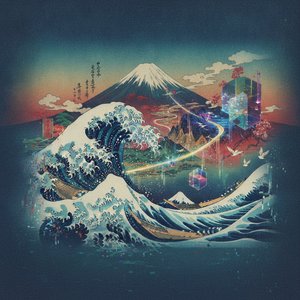
Beyond the Great Wave: The High-Impact Visual Revolution of Japanese Landscape Art
Go beyond Hokusai's Great Wave. Explore the high-impact, graphic world of Japanese Ukiyo-e landscapes and urban prints. Discover how these bold, vibrant woodblock masterpieces continue to shape modern pop culture and contemporary design aesthetics.
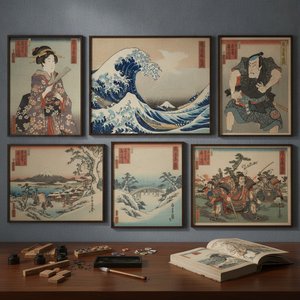
Ukiyo-e: The Art of the Floating World and the Legacy of Japanese Woodblock Masters
Explore the profound history of Ukiyo-e, from Hokusai's iconic waves to the vibrant culture of Edo Japan. Discover the intricate craft of woodblock printing and the enduring legacy of these Japanese masterpieces through our expert art history guide.
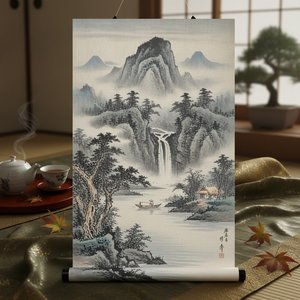
Serenity on Canvas: A Guide to the Timeless Beauty of Japanese Landscape Painting
Discover the serene beauty of Japanese landscape painting. From Hokusai's iconic woodblock prints to meditative sumi-e ink washes, explore a visual journey through the 'floating world' and learn how to bring this timeless Zen aesthetic into your modern home decor.
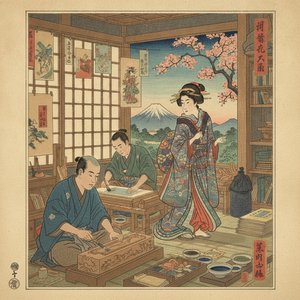
Floating World: The Captivating Art and Legacy of Japanese Ukiyo-e
Explore the profound beauty of Japanese Ukiyo-e. Discover the history, masters like Hokusai, and the enduring legacy of the 'Floating World' through an expert art-historical lens.

葛饰北斋:25幅传世名作,浮世绘大师的艺术传奇 (Katsushika Hokusai: 25 Masterpieces, The Art Legacy of the Ukiyo-e Master)
探索葛饰北斋的25幅传世名作!深入了解浮世绘大师的艺术传奇,感受《神奈川冲浪波》等经典作品背后的故事与魅力。OriginalUniqueArt.com提供博物馆级高质量复制品,为您的家居带来日本风情和艺术灵感。立即探索完整系列!


