 切换至版画销售渠道
 展开全文
展开全文







































 对于任何边长超过 105 厘米(约 41 英寸)的艺术品或复制品,画框将以拆解后的组件形式发货。此方法可确保安全送达并防止运输过程中的损坏。


The Shadowed Majesty of Faith: Jusepe de Ribera’s “Untitled (D2X9XP)”
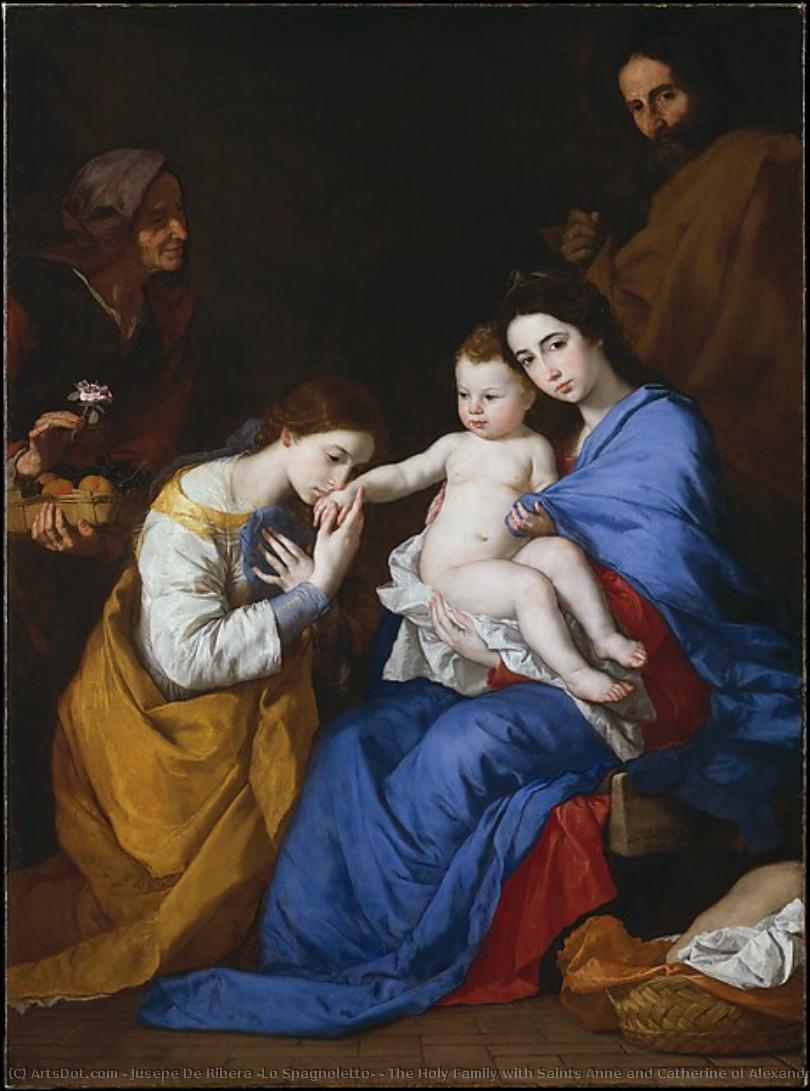
Jusepe de Ribera's "Untitled (D2X9XP)," painted in 1648, is not merely a depiction of the Holy Family; it’s a visceral plunge into the heart of Baroque drama. This arresting scene, rendered with his signature tenebrism – a masterful manipulation of light and shadow – immediately commands attention. The composition centers on Mary, Joseph, and the infant Jesus, clad in rich, deep blues that contrast dramatically against the darker tones of the surrounding space. Beyond this central family unit, we encounter three additional figures: a man standing to the left, another to the right, and a seated individual behind them, adding layers of narrative complexity and hinting at a broader social context within the sacred realm.
Ribera’s genius lay in his ability to capture not just outward appearances but also the raw emotion and physicality of human experience. He achieved this through an intensely realistic style, drawing heavily from Caravaggio's influence while forging his own distinct path. The figures are depicted with a remarkable degree of detail – the folds of Mary’s garments, the texture of Joseph’s beard, the delicate features of the baby Jesus – all rendered with painstaking accuracy. This commitment to realism is further emphasized by the inclusion of everyday objects: a dining table laden with bowls, a cup, and three scattered apples. These seemingly mundane elements serve not as distractions but as anchors, grounding the divine narrative in the realities of human life.
A Masterclass in Tenebrism and Baroque Drama
Ribera’s use of tenebrism is arguably the painting's most striking feature. He employs a dramatic contrast between intensely illuminated areas and deep shadows, creating a sense of theatricality and highlighting key elements within the composition. The light seems to emanate from an unseen source, bathing the central figures in a golden glow while plunging the surrounding space into darkness. This technique not only draws the viewer’s eye but also imbues the scene with a powerful emotional intensity – a feeling of both reverence and unease.
The painting's palette is deliberately restrained, dominated by dark browns, blues, and ochres. These muted tones contribute to the overall sense of solemnity and gravity. However, the strategic use of light prevents the scene from becoming overwhelmingly bleak. The vibrant blue clothing worn by the family members provides a focal point, drawing attention to their central role within the narrative. Furthermore, the apples scattered across the table are rendered with remarkable detail, suggesting both abundance and perhaps even temptation – a subtle reminder of the complexities inherent in human existence.
Symbolism and Historical Context
Beyond its immediate visual impact, “Untitled (D2X9XP)” is rich in symbolic meaning. The inclusion of Saints Anne and Catherine of Alexandria alongside the Holy Family elevates the scene to a level of theological significance. Saint Anne, Mary’s mother, represents divine grace and motherhood, while Saint Catherine of Alexandria embodies intellectual virtue and martyrdom. The presence of these figures underscores the painting's broader themes of faith, family, and sacrifice.
Painted in 1648, during Ribera’s time in Naples – a city under Spanish rule – the work reflects the artistic and cultural influences of that period. Ribera’s style was deeply rooted in the traditions of Spanish painting, but he also embraced elements of Italian Mannerism and Caravaggism. His decision to depict the Holy Family within a domestic setting—a dining table as the backdrop—was a departure from traditional religious iconography, reflecting a shift towards greater realism and emotional intensity. The work stands as a testament to Ribera’s ability to seamlessly blend these diverse influences into a uniquely powerful and enduring artistic statement.
A Timeless Reflection on Humanity
“Untitled (D2X9XP)” is more than just a religious painting; it's a profound meditation on the human condition. Ribera’s masterful use of light, shadow, and detail captures not only the physical appearance of his subjects but also their inner lives – their hopes, fears, and aspirations. The scene evokes a sense of quiet dignity and spiritual intensity, inviting viewers to contemplate the mysteries of faith, family, and mortality. A reproduction of this work offers a remarkable opportunity to experience the dramatic power and emotional depth of one of Baroque art’s most compelling figures.
常见问题与解答
胡塞佩·德·里韋拉 的《Untitled (D2X9XP)》 的观众来自哪里?
胡塞佩·德·里韋拉 的《Untitled (D2X9XP)》 的 访问统计 页面展示了公开访问统计数据:包括该作品的每月访问量、与艺术家最受关注作品的对比,以及访客的来源地。
原件"Untitled (D2X9XP)"的尺寸是多少?
"Untitled (D2X9XP)" 原作尺寸为 210 x 154 cm。在选择复制品尺寸时,参考原作尺寸会非常有帮助。
针对我的房间,"Untitled (D2X9XP)" 应该打印成什么尺寸?
胡塞佩·德·里韋拉 的《Untitled (D2X9XP)》 的推荐搭配:在 Living Room 中悬挂尺寸为 Large 的版画。
 实景预览
实景预览
 分享
分享 分享
分享
 详情
详情 指南
指南

 下载作品
下载作品
 相似作品
相似作品 X射线
X射线 幻灯片播放
幻灯片播放 问答
问答 统计数据
统计数据