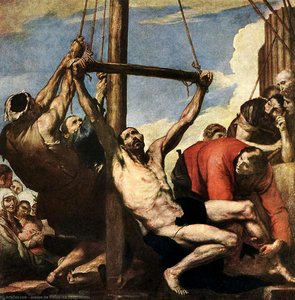
实景预览
实景预览
 发送
发送 分享
分享
 详情
详情 指南
指南

 下载图片
下载图片
 相似作品
相似作品 X射线
X射线 幻灯片播放
幻灯片播放 统计数据
统计数据St. Jerome penitente
 Oil On Canvas
- WallArt
- Baroque Drama and Light
 1652
1652 77.0 x 71.0 cm
 普拉多博物馆
 阅读全文
阅读全文
手工油画复制品
由我们的艺术家按需定制,为您提供您所选尺寸及画框的布面手工油画。 ( 切换至版画销售渠道 切换至数字图像销售渠道)




P118B $10

P118H $10

P118W $10

P438Z $10

P508JH $12

P508YH $12

P805H $10

P805Z $10

P919BZ $10

P919G $10

P919XJ $10

P959ZH $10

P968JZ $12

W106C $8

W218G $10

W218JH $8

W218Y $10

W307PJ $10

W316G $10

W316PJ $8

W316Y $10

W398PJ $8

W4111J $10

W500HY $15

W500JH $15

W692G $12

W849H $8

W940BG $15

W953PJ $8




您可以从与原作比例一致的预设尺寸中进行选择。

您可以输入自定义尺寸,以适配特定的画框或空间。如果所选尺寸与原图比例不符,我们将通过裁剪作品或添加手绘元素来扩展画面。数字样稿将在制作开始前发送给您确认。
请注意,屏幕预览无法准确反映实际的裁剪或扩展效果,只有样稿才能真实呈现最终的构图。
虽然我们提供定制尺寸服务,但为了保留原作比例,建议您从预设列表中选择尺寸。
下单后,OriginalUniqueArt.com 团队将通过电子邮件联系客户获取具体要求,并提供效果预览图


 玻璃选项仅适用于110厘米以下的尺寸。

St. Jerome penitente
复制品材质
复刻品尺寸说明
-


总计金额
$ 300
Saint Jerome Penitente - A Masterpiece of Dramatic Realism
“St. Jerome penitente,” painted in 1638–40 by Jusepe de Ribera, stands as a cornerstone of Baroque art and exemplifies the artist’s unparalleled ability to convey profound spiritual emotion through meticulously crafted realism. Located within the Museo del Prado’s collection in Madrid, Spain, this monumental canvas transcends mere depiction; it plunges viewers into a visceral experience of contemplation and remorse.
Ribera's signature style—known as tenebrism—dominates the composition. This technique employs stark contrasts between light and dark, creating an atmosphere of dramatic intensity that draws attention to Jerome’s central figure. The artist skillfully manipulates chiaroscuro, highlighting Jerome’s face and torso while enveloping the background in deep shadows, mirroring the saint's inner turmoil.
- Subject Matter: The painting portrays Saint Jerome, a revered biblical hermit who famously wrestled with demons to renounce worldly pleasures and dedicate himself to prayer. Ribera captures Jerome in a moment of intense introspection, reflecting on his past sins and contemplating the skull—a potent symbol of mortality and human vanity.
- Style: Tenebrism is characterized by its dramatic use of light and dark, prioritizing emotional impact over precise anatomical detail. Ribera’s meticulous observation of human anatomy contributes to the realism of Jerome's portrayal, yet he prioritizes conveying psychological depth.
- Technique: Ribera employed oil paint on canvas with a layering technique that builds up texture and luminosity. The artist meticulously blended pigments to achieve subtle gradations of color, enhancing the overall visual richness of the artwork.
- Historical Context: Created in Naples during the Baroque period (approximately 1638-40), “The Penitent Saint Jerome” exemplifies the artistic sensibilities of the era—a fascination with dramatic emotion and spiritual contemplation. It reflects the broader cultural preoccupation with themes of faith, suffering, and redemption.
- Symbolism: The skull serves as a central symbol in the painting, representing human mortality and reminding viewers of the ephemeral nature of earthly existence. Jerome’s gaze downward reinforces this theme, conveying a sense of solemn reflection and acceptance.
A Masterpiece of Baroque Emotion
“The Penitent Saint Jerome” stands as a testament to Jusepe de Ribera's unparalleled ability to distill profound spiritual ideas into visually arresting compositions. More than just a depiction of Saint Jerome—a revered biblical figure known for his unwavering devotion and tireless translation efforts—the painting transcends its subject matter, becoming an emblem of Baroque artistic ideals. Ribera’s masterful use of tenebrism – a technique characterized by stark contrasts between light and dark – immediately commands attention, plunging the viewer into an atmosphere of solemn contemplation. This dramatic chiaroscuro isn't merely stylistic; it serves to heighten the emotional impact of the scene, mirroring Jerome’s inner turmoil and spiritual struggle.Technique and Artistic Innovation
Ribera’s approach to painting was revolutionary for its time. Unlike many artists who favored idealized representations, he prioritized realism—capturing the textures and nuances of human flesh with astonishing accuracy. He achieved this remarkable feat through meticulous observation and painstaking layering of glazes – thin coats of translucent paint that gradually build up color and luminosity over time. The artist’s studio was filled with canvases bearing the imprint of his tireless dedication to perfecting his craft, a testament to his unwavering commitment to artistic excellence. His palette favored earthy tones—browns, ochres, and siennas—creating a subdued yet profoundly expressive visual experience.Historical Context: Naples Under Spanish Rule
The painting’s creation coincided with Naples's status as a vibrant center of Baroque art under the patronage of Philip IV of Spain. This royal support fueled artistic innovation and encouraged experimentation, fostering an environment where artists like Ribera could flourish. The influence of Caravaggio—Ribera’s mentor—is palpable in his dramatic use of light and shadow, reflecting the broader artistic trends of the era. Furthermore, the painting speaks to the anxieties and spiritual fervor prevalent during this period, mirroring the Catholic Church's fervent desire for art that conveyed religious devotion and moral instruction.Symbolism: The Skull and Contemplation
The inclusion of a skull—a recurring motif in Ribera’s oeuvre—serves as a potent symbol of mortality and human vanity. It compels the viewer to confront the inevitability of death, prompting reflection on the ephemeral nature of earthly existence. Positioned prominently within the composition, it directs the gaze downward, emphasizing introspection and spiritual contemplation. The figure's posture embodies humility and penitence, mirroring the saint’s devotion to God and his acceptance of suffering as a path toward salvation.Technique: Tenebrism – Darkness Embraced
Ribera masterfully employed tenebrism—a technique characterized by extreme contrasts between light and dark—to heighten dramatic impact and convey emotional intensity. This stylistic approach, popularized by Caravaggio, utilizes a deep black background punctuated by strategically placed pools of luminous illumination. The resulting chiaroscuro effect sculpts the figure’s form, creating an illusion of depth and realism while simultaneously emphasizing its spiritual significance. Ribera's meticulous attention to detail—evident in the rendering of skin texture and drapery folds—further underscores his commitment to portraying human anatomy with uncompromising accuracy.艺术家简介
生平与时代背景
何塞·德·里贝拉,又名“小西班牙人”(Lo Spagnoletto),是巴洛克时代的杰出人物,他的画作充满戏剧张力和毫不妥协的现实主义。1591年出生于西班牙哈蒂瓦(Xàtiva)的他,远离了瓦伦西亚的故土,最终在当时由西班牙统治的那不勒斯确立了自己的艺术地位。里贝拉的一生不仅仅是艺术发展的编年史,更是一个充满艰辛、抱负和坚定致力于描绘人类状况复杂性的故事。虽然早期的传记细节仍然笼罩在神秘之中,但我们知道他大约于1607年抵达意大利,最初定居罗马,然后逐渐转向那不勒斯——这座城市既是他艺术的家园,也是其独特风格的熔炉。与当地画家的女儿卡特琳娜·阿佐利诺(Caterina Azzolino)结婚,进一步巩固了他与那不勒斯艺术界的联系,使他能够在充满活力但又动荡不安的气氛中蓬勃发展。对明暗对比法的运用及现实主义视野
里贝拉的艺术形成深受意大利绘画潮流的影响。卡拉瓦乔的影响是不可否认的;里贝拉吸收了这位大师革命性的明暗对比法——光影之间的戏剧性互动——来创作充满情感力量的场景。然而,他并非简单地模仿。他将这种技巧与其他大师如圭多·雷尼(Guido Reni)的元素融合在一起,将古典感融入到他的构图中,同时保留了卡拉瓦乔现实主义的冲击力。这种融合造就了一种独一无二的风格:其特点是鲜明的对比、高度集中的人物形象以及毫不掩饰地描绘人类苦难和精神狂喜。他早期的作品,如《圣巴托罗缪殉难》,很好地体现了这种方法——对痛苦的令人震惊的描绘,以毫不妥协的细节呈现。他不回避描绘殉难的身体现实,扭曲的身躯、紧绷的肌肉以及皮肤和骨骼的纹理。这种对现实主义的承诺超越了宗教题材;他经常画的乞丐和平民,通常被描绘成哲学家或圣徒,在当时具有开创性意义,将边缘群体提升到以前很少在艺术中看到的尊严和重要程度。跨越多种体裁与不断演变的风格
里贝拉的艺术创作成果非常多样化。虽然他最出名的是他的宗教绘画——殉难场景、圣徒画像以及戏剧性的圣经叙事——但他也在肖像画、静物画甚至风景画方面表现出色。《圣耶柔尼摩与天使》例如,展示了他作品中更柔和、更沉思的一面,同时仍然保留了定义其作品的标志性戏剧性光线。在他的职业生涯中,里贝拉的风格经历了微妙但重要的演变。他早期的绘画以一种近乎禁欲的现实主义和对明暗对比法的强烈运用为特征。随着他在那不勒斯站稳脚跟,他的调色板变得更加丰富,他的构图更加复杂,他的光线也略微柔化。然而,他的巴洛克美学核心要素——情感强度、戏剧性叙事以及坚定致力于以诚实的方式描绘人类体验——仍然保持不变。他是一位技艺精湛的大师,能够以惊人的精确度渲染纹理,从乞丐斗篷的粗糙面料到年轻圣徒光滑的皮肤。遗产与持久的影响
何塞·德·里贝拉对艺术世界的影响超越了他的那不勒斯工作室。他成为西班牙巴洛克绘画的关键人物,与维拉斯开兹(Velázquez)、苏尔巴兰(Zurbarán)和穆里略(Murillo)等大师并列。他对明暗对比法的创新运用以及毫不妥协的现实主义影响了欧洲几代艺术家。他的作品引起了那些寻求摆脱文艺复兴艺术理想形式,拥抱更具活力、情感冲击力的风格的人们的共鸣。即使后来的艺术家也从他戏剧性的构图和对人类苦难的有力描绘中汲取灵感。今天,里贝拉的画作被收藏在世界各地的著名博物馆——马德里的普拉多博物馆(Museo del Prado)、华盛顿特区的国家艺术馆以及欧洲众多机构——确保了他的遗产几个世纪以来继续激励和吸引观众。他证明了艺术的力量在于直面艰难的真相,探索人类情感的深度,并照亮信仰和韧性的持久精神。大师的持久魅力
人们对里贝拉作品持续着迷的原因在于它超越时间和文化界限的能力。他的画作不仅仅是历史文物;它们是对人类状况——关于苦难、信仰、希望和绝望——的有力声明。他毫不妥协的现实主义迫使我们面对不舒服的真相,而他戏剧性的构图和对光影的大师运用创造了一种强烈的感情共鸣氛围。正如他所爱称的那样,“小西班牙人”留下了一部既深刻感人又具有智力刺激的作品——这一遗产确保了他成为巴洛克时代最伟大的大师之一的地位。他的画作不仅仅是用来欣赏的;它们是要体验的——在人的内心深处感受到的。
里贝拉 (Lǐbèi Lā)
1591 - 1652 , 西班牙
快速概览
- Artistic Movement Or Style: 巴洛克风格
- Artists Or Movements Influenced By This Artist:
- José de Ribera
- 欧洲大师
- Artists Who Influenced This Artist:
- 卡拉瓦乔
- 圭多·雷尼
- Date Of Birth: 1591年
- Date Of Death: 1652年
- Full Name: Jusepe de Ribera
- Nationality: 西班牙国籍
- Notable Artworks (List Of Titles):
- 圣巴托罗缪殉难
- 圣耶柔尼莫与天使
- Place Of Birth (City And Country): 西班牙哈蒂瓦
相关文章

巴洛克艺术巅峰:十部巨作定义时代,点亮您的臻品格调
探索巴洛克艺术的辉煌!本文精选十部巨作,带您领略卡拉瓦乔、伦勃朗等大师的光影魔法与戏剧张力。从黄金时代到宗教绘画,感受奢华与精致。OriginalUniqueArt.com为您提供博物馆品质的艺术复制品和家居装饰灵感。尽在OriginalUniqueArt.com!

巴洛克艺术的戏剧性辉煌:历史背景、风格特征与持久影响
深入探索巴洛克艺术的辉煌历史、独特风格与持久影响。了解卡拉瓦乔、贝尼尼等大师的作品,洞悉反宗教改革运动下的艺术变革。OriginalUniqueArt.com为您提供专业的艺术解读与高清画作欣赏。
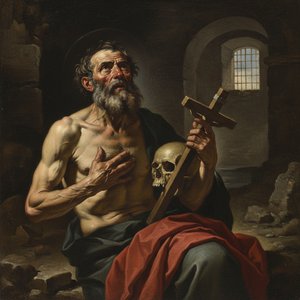
Jusepe de Ribera: Dramatic Realism & Spiritual Intensity in the Spanish Golden Age
Explore the powerful Baroque paintings of Jusepe de Ribera, master of tenebrism and dramatic realism. Discover his spiritual intensity, influence on Spanish art, and considerations for collectors. Expert insights at OriginalUniqueArt.

高檔藝術品複製技術:Giclée微噴的檔案品質與鑑賞細節
深入了解Giclée微噴技術:檔案品質、色彩還原的專業解析。探索高檔藝術品複製的細節與保存技巧,為您的收藏提供博物館級別的選擇。專家指導,確保完美呈現原作神韻。

The Visceral Stage: Exploring Dramatic Narratives & Emotional Intensity in Baroque Art
Explore the dramatic world of Baroque art! Discover iconic masters like Caravaggio & Rembrandt, their techniques, and the movement's lasting impact. Expert insights for collectors & enthusiasts at OriginalUniqueArt.