

 效果预览
效果预览
 分享
分享 分享
分享
 详情
详情

 下载
下载
 相似作品
相似作品 X射线
X射线 幻灯片播放
幻灯片播放 统计数据
统计数据Moving section of giant sequoia,


 展开详情
展开详情
艺术微喷/版画
博物馆级艺术微喷或帆布版画,制作高效,并提供多种饰面选择。 ( 购买手绘画作 切换至数字图像销售渠道)




































从与原作比例一致的预设尺寸中进行选择。

您可以输入自定义尺寸,以适配特定的画框或空间。如果您选择的尺寸与原图比例不符,我们将对作品进行裁剪,或通过镜像填充/纯色填充边缘的方式来扩展图像。在开始制作之前,我们会向您发送一份数字效果图供您确认。
请注意,屏幕上的预览并不能反映实际的裁剪或扩展效果。只有效果图才能准确展示最终的构图。
虽然我们提供定制尺寸,但为了保持原图比例,我们建议您从预设列表中选择尺寸。


 玻璃选项仅适用于110厘米以下的尺寸。

Moving section of giant sequoia,
艺术微喷/版画
复制品尺寸
-


最终总价
$ 80
艺术家简介
The Architect of Natural Essence: The Life and Legacy of Julius Kirschner
In the grand tapestry of American art history, certain figures exist in the delicate intersection between scientific precision and poetic vision. Julius Mordecai Kirschner (1876–1953) was one such pioneer, a man whose hands did not merely paint light but physically reconstructed the very textures of the natural world. Born in Brooklyn, New York, Kirschner’s journey began far from the rugged landscapes that would later define his soul. Trained at the prestigious Pratt Institute, he initially mastered the disciplined art of architectural drafting—a skill that provided him with a foundational understanding of structure, scale, and proportion. While his early career as an illustrator allowed him to hone his observational eye, it was a profound fascination with the organic complexity of nature that would eventually lead him away from the flat surface of paper and toward the three-dimensional creation of life-like models.
Kirschner’s artistic evolution was deeply influenced by the dramatic narratives of Gustave Doré and the refined sculptural sensibilities of Alexandre Cabanel. From these masters, he inherited a profound respect for form and the ability to imbue a subject with a sense of monumental importance. However, unlike the Impressionists who sought to dissolve form into fleeting moments of light, Kirschner sought to solidify it. His expeditions to Yosemite National Park between 1908 and 1917 served as his most transformative period. During these years, he moved beyond mere documentation, attempting to capture the ancient, towering majesty of the giant sequoias. This was not achieved through traditional oils alone, but through a laborious, tactile process involving plaster, burlap, and pigment, creating models that breathed with the rugged texture of bark and the immense weight of history.
Mastery of Form and the Art of Reconstruction
The true genius of Kirschner lay in his ability to bridge the gap between biological specimen and artistic masterpiece. His work was characterized by an almost obsessive dedication to accuracy, yet it never lost its sense of wonder. This is perhaps most vividly seen in his ambitious Devil Fish Manta project. Utilizing a specimen brought from the waters of Hawaii, Kirschner embarked on a monumental undertaking to recreate the ethereal grace of the manta ray. Through meticulous model construction, he was able to translate the fluid, undulating essence of marine life into a tangible form that could be studied and admired, showcasing a level of craftsmanship that blurred the lines between the laboratory and the studio.
His technical repertoire was as diverse as the subjects he chose to immortalize. The following elements defined his unique approach to model construction:
- Material Innovation: The use of unconventional materials like burlap and plaster to mimic organic textures such as tree bark and skin.
- Scientific Observation: A commitment to anatomical and botanical accuracy derived from direct field study and specimen analysis.
- Structural Integrity: Applying his architectural training to ensure that even the most complex natural forms possessed a sense of physical permanence and scale.
A Lasting Impression on Natural History
Though often overshadowed by the more famous painters of his era, Kirschner’s historical significance remains profound, particularly within the realms of scientific illustration and museum curation. His work contributed to a period where art served as a vital tool for public education and the preservation of natural wonders. By recreating the colossal scale of the sequoias and the alien beauty of deep-sea creatures, he allowed audiences to experience the grandeur of the world from within the halls of institutions like the American Museum of Natural History.
Today, the legacy of Julius Kirschner lives on in the way we perceive the intersection of art and science. He remains a singular figure—a creator who did not just observe the world, but painstakingly rebuilt it, piece by piece, to ensure that its most magnificent wonders would never be forgotten. His life stands as a testament to the idea that true art is found not only in what we see, but in how deeply we are willing to touch and understand the subjects of our devotion.

julius kirschner
United States of America
艺术家简介
- Artistic Movement Or Style: Early American Impressionism
- Date Of Death: Living
- Full Name: Julius Mordecai Kirschner
- Nationality: American
- Notable Artworks:
- Devil Fish Manta
- Giant Sequoia
- Place Of Birth: United States
相关文章
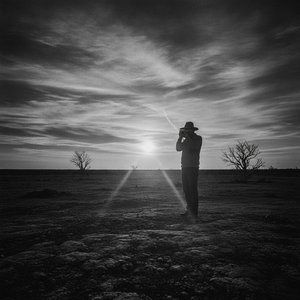
Timeless Shadows: The Artistry, History, and Emotional Resonance of Black and White Photography
Explore the profound artistry of black and white photography. From historical mastery to the interplay of light and shadow, discover how monochrome captures timeless emotion and form through a sophisticated lens of art history.

Beyond the Lens: Photography's Enduring Influence on Modern & Contemporary Art
Explore photography's pivotal role in shaping modern & contemporary art. Discover key movements, influential artists like Stieglitz, and expert collecting advice from OriginalUniqueArt.

Dark Masterpieces: 10 Iconic Paintings Dominated by Black Tones |
Explore 10 iconic paintings dominated by black tones, from Rembrandt’s chiaroscuro to Goya's dark expressions. Discover the stories behind these masterpieces & find museum-quality art reproductions for your home at .

Beyond Color: The Timeless Power and Artistry of Black and White Photography
Explore the profound artistry of black and white photography. From the chemistry of gelatin silver to the chiaroscuro of the Old Masters, discover how monochrome captures the eternal essence of light, form, and emotion for the discerning art collector.

Monochrome Visions: Exploring the Aesthetic & Historical Significance of Black & White Photography
Explore the rich history & artistic power of black and white photography. From early techniques to iconic masters like Ansel Adams, discover why monochrome continues to captivate art lovers today. Expert insights for collectors.