
 实景预览
实景预览
 分享
分享 分享
分享
 详情
详情 指南
指南

 下载作品
下载作品
 相似作品
相似作品 X射线
X射线 幻灯片播放
幻灯片播放 问答
问答 统计数据
统计数据The red bridge

- 61.0 x 86.0 cm


 展开全文
展开全文
艺术微喷/版画
博物馆级艺术微喷或帆布版画,制作高效,并提供多种饰面选择。 ( 订购纯手工绘制画作 切换至数字图像销售渠道)




P118B ¥10

P118H ¥10

P118W ¥10

P438Z ¥10

P508JH ¥12

P508YH ¥12

P805H ¥10

P805Z ¥10

P919BZ ¥10

P919G ¥10

P919XJ ¥10

P959ZH ¥10

P968JZ ¥12

W106C ¥8

W218G ¥10

W218JH ¥8

W218Y ¥10

W307PJ ¥10

W316G ¥10

W316PJ ¥8

W316Y ¥10

W398PJ ¥8

W4111J ¥10

W500HY ¥15

W500JH ¥15

W692G ¥12

W849H ¥8

W940BG ¥15

W953PJ ¥8




您可以从与原作比例一致的预设尺寸中进行选择。

请输入您所需的宽度和高度,以适配您的画框或墙面。由于印刷品只能进行裁剪,无法超出原图尺寸,因此若比例不一致,画面的一部分将会被裁切。在正式印刷之前,我们会为您发送一份数字效果图供您确认。本页面显示的图片并非最终裁剪后的效果——只有效果图才能展示真实的裁剪情况。


 玻璃选项仅适用于110厘米以下的尺寸。

The red bridge
艺术微喷/版画
复刻品尺寸
-


最终结算价
¥ 544
A Moment of Tranquil Reflection: Julian Alden Weir’s “The Red Bridge”
Julian Alden Weir's "The Red Bridge," painted in 1890, isn’t merely a depiction of a picturesque landscape; it’s an invitation to stillness. This tonalist masterpiece, currently residing within the Metropolitan Museum of Art, captures a fleeting moment of serenity – a scene bathed in muted light and imbued with a profound sense of peace. Weir, deeply rooted in an artistic family tradition, skillfully employed his father's influence alongside a burgeoning Impressionistic sensibility, forging a unique style characterized by its deliberate restraint and evocative atmosphere.
The painting immediately draws the eye to the vibrant orange bridge, a bold stroke against the predominantly cool tones of the water and surrounding foliage. This striking color choice isn’t arbitrary; it suggests warmth, vitality, and perhaps even a hint of optimism within this otherwise contemplative scene. The bridge itself acts as a visual anchor, drawing the viewer into the heart of the composition while simultaneously hinting at connection – to the people traversing it, to the landscape beyond, and perhaps even to a deeper sense of self.
The Language of Tonalism
Weir’s masterful use of tonalism is central to the painting's power. This style, popular during the late 19th century, prioritized subtle gradations of color and delicate brushstrokes over sharp outlines and vibrant hues. Rather than aiming for photographic realism, Weir sought to capture the *feeling* of a scene – the diffused light, the gentle movement of water, the quiet solitude of the landscape. Notice how he avoids harsh contrasts; instead, he builds up layers of muted tones, creating an incredibly rich and textured surface that invites close inspection.
The soft brushwork contributes significantly to this effect. It’s almost as if you could reach out and feel the coolness of the water, the dampness of the trees, and the gentle breeze rustling through the leaves. This deliberate lack of detail forces the viewer to actively engage with the painting, interpreting its nuances and allowing their own emotions and memories to shape their experience.
A Glimpse into a Family Legacy
Understanding Julian Alden Weir’s artistic journey is crucial to appreciating “The Red Bridge.” Born in West Point, New York, in 1852, he was raised within an environment saturated with art. His father, Robert Walter Weir, was not only a painter but also an influential instructor at the United States Military Academy, fostering a deep appreciation for artistic principles in young Julian and his brother, John Ferguson Weir, who followed in his footsteps as a landscape artist. This familial connection undoubtedly shaped Weir’s approach to painting – a quiet confidence born from years of observation and guidance.
Weir's formative years included study at the National Academy of Design in New York City, but it was his time spent in Paris—a pivotal period marked by mentorship under Jean-Léon Gérôme—that truly solidified his artistic voice. This exposure to academic training provided a foundation in technique while allowing him to develop his own distinctive style, one characterized by its introspective mood and masterful manipulation of light and color.
Symbolism and Emotional Resonance
Beyond its technical brilliance, “The Red Bridge” resonates with a quiet emotional depth. The scene suggests a moment of respite – people enjoying the beauty of nature, perhaps reflecting on life’s simple pleasures. The bridge itself can be interpreted as a symbol of transition, connection, or even hope. It invites us to pause, breathe deeply, and appreciate the tranquility that surrounds us.
This painting is more than just a beautiful landscape; it's an invitation to slow down, to find beauty in the ordinary, and to connect with our own sense of peace. OriginalUniqueArt offers exquisite hand-painted reproductions of “The Red Bridge,” allowing you to bring this timeless masterpiece into your home or office – a testament to Weir’s enduring vision and a source of quiet contemplation for years to come. To explore more about Julian Alden Weir and his works, visit OriginalUniqueArt.com.
常见问题与解答
“The red bridge” 是什么类型的作品?
朱利安·魏尔 的《The red bridge》 被归类为 WallArt。该类别描述了原作的艺术形式。
大都会艺术博物馆馆藏作品“The red bridge”的复制权归属如何?
朱利安·魏尔 的《The red bridge》 的版权状态非常明确:该作品属于 属于公有领域 —— 其版权已过期。其在 大都会艺术博物馆 的馆藏身份并不改变这一状态。
朱利安·魏尔 的《The red bridge》 传达了怎样的情感?
朱利安·魏尔 的《The red bridge》 传达出一种 Tranquil 的情感基调。
艺术家简介
早年生活与艺术基础
朱利安·奥尔登·韦尔 (Julian Alden Weir) 于 1852 年 8 月 30 日出生于纽约州西点军校,继承了一个深刻影响他道路的艺术世系。他的父亲罗伯特·沃尔特·韦尔是一位受人尊敬的画家和美国军事学院的绘画教授,从小就向年轻的朱利安灌输了对艺术的深刻欣赏。家本身就是一个充满活力的工作室,充满了创造生活的工具和灵感。这种培育环境也延伸到他的哥哥约翰·费格森·韦尔,他后来也成为了一位著名的风景画家。 朱利安最初的正规训练始于大约 1870 年在纽约市的国家设计学院,为他提供了坚实的传统技巧基础。然而,真正点燃他艺术发展的旅程是 1873 年前往巴黎。 在 École des Beaux-Arts 师从让·莱昂·热罗姆 (Jean-Léon Gérôme) 使他接触到学术的严谨和一丝不苟的细节,而与朱尔斯·巴斯蒂安-勒帕日 (Jules Bastien-Lepage) 等艺术家的友谊拓宽了他对绘画可能性的视野。 最初,韦尔强烈反对新兴的印象派运动,认为它缺乏形式和结构是“可怕的”。 这种早期的抵制将证明至关重要,因为他最终接受印象派并非源于立即接受,而是通过理解的逐渐演变。康涅狄格岁月与艺术转型
1883 年朱利安·奥尔登·韦尔与安娜·德怀特·贝克 (Anna Dwight Baker) 结婚并随后搬到康涅狄格州布兰奇维尔镇,是他生活的一个转折点。 他在那里购买了一家农场,寻求远离纽约市喧嚣的艺术世界。 这个乡村环境不仅仅是一个休憩之所;它是一个灵感的源泉。宁静的风景、农场生活的节奏以及与自然的亲密联系开始微妙地改变他的艺术重点。 虽然最初继续创作肖像和静物画,采用传统风格,但韦尔发现自己越来越渴望捕捉光影的转瞬即逝的效果。 1891 年左右,这种倾向发展成为对印象派的全面接受。 受约翰·特瓦奇曼 (John Twachtman) 和西奥多·罗宾逊 (Theodore Robinson) 等艺术家的影响,他开始尝试破碎的笔触、充满活力的调色板和强调主观感知。 这并不是完全放弃他早期的训练;相反,它是学术技能与新运动创新精神的综合。 他的风格经常在纯粹的印象派表现和更沉稳的色调之间摇摆不定,创造出一种独特的视觉语言,使他与同时代的人区分开来。 他还在版画方面展示了相当的天赋,特别是通过他熟练地使用水彩浮雕技术。美国艺术界的领军人物
在 19 世纪末,朱利安·奥尔登·韦尔已确立为美国艺术界的重要人物。 他是“十人派”的创建者之一,“十人派”是由十位独立思想的画家组成的团体,他们寻求在传统机构(如国家设计学院)的约束之外展出他们的作品。 这个集体——包括奇尔德·哈萨姆 (Childe Hassam)、威拉德·勒罗伊·梅特卡夫 (Willard Leroy Metcalf) 和埃德蒙·塔贝尔 (Edmund Tarbell) 等艺术家——代表了艺术自主性的重要一步,并帮助塑造了美国绘画的方向。 1912 年,韦尔当选为美国画家和雕塑家协会的第一任主席,进一步巩固了他在美国艺术界中的领导地位。 他后来担任国家设计学院的院长,证明了他从进步派和保守派阵营中获得的尊重。 他在这个时期的主要作品——例如 *海滩上* (1892),一幅充满活力的海岸景象; *新英格兰谷仓* (1904),一幅描绘乡村生活的迷人画作;以及 *高地牧场* (1905)——体现了他对印象派技术的掌握和捕捉美国景观本质的能力。遗产与持久影响
朱利安·奥尔登·韦尔的贡献远远超出了他个人的绘画作品。 他在弥合传统学术绘画与印象派创新精神之间的差距方面发挥了关键作用,为后代美国艺术家铺平了道路。 他通过“十人派”促进艺术独立性的奉献精神挑战了既定的规范,并帮助创造了一个更加充满活力和多样化的艺术景观。 今天,位于康涅狄格州布兰奇维尔镇的韦尔农场国家历史遗址是他的生活和工作的见证。 像他时代一样被保存下来,这座农场为游客提供了一瞥,让他们了解了启发他的世界——连绵起伏的山丘、风化的谷仓以及新英格兰乡村的宁静之美。 该遗址不仅是一处历史地标,也是当今艺术家的持续灵感来源。 他的家族的艺术遗产——源于他父亲罗伯特·沃尔特·韦尔,一位哈德逊河画派画家——进一步巩固了朱利安·奥尔登·韦尔在美国艺术史中的地位。 他于 1919 年 12 月 8 日在纽约市去世,留下了一系列继续吸引和启发人们的作品,提醒我们艺术捕捉世界之美和本质的力量。- 主要作品: *海滩上* (1892), *新英格兰谷仓* (1904), *高地牧场* (1905)
- 艺术风格:印象派,色调主义
- 协会: “十人派”,国家设计学院

朱利安·魏尔
1852 - 1919 , 美国
艺术家简介
- Artistic Movement Or Style: 印象派、调性主义
- Artists Or Movements Influenced By This Artist: ['美国十画派']
- Artists Who Influenced This Artist:
- 让·莱昂·热罗姆
- 儒勒·巴斯蒂安-雷帕日
- Date Of Birth: 1852年8月30日
- Date Of Death: 1919年12月8日
- Full Name: 朱利安·艾尔登·韦尔
- Nationality: 美国国籍
- Notable Artworks (List Of Titles):
- 海滨
- 新英格兰谷仓
- 高地牧场
- Place Of Birth (City And Country): 纽约州西点市,美国
相关文章

康斯塔布尔大师之作:25幅传世风景画赏析 | OriginalUniqueArt
探索康斯塔布尔的25幅传世杰作!沉浸于英国田园风光,感受浪漫主义绘画大师的光影与色彩。高清油画复制、艺术品购买尽在OriginalUniqueArt.com,为您的家居增添经典之美。立即在线探索完整系列!

保罗·塞尚:25幅大师杰作,重塑现代艺术与家居美学 | OriginalUniqueArt
探索保罗·塞尚25幅经典杰作!深入了解后印象派大师的艺术生涯、独特技法与色彩运用。OriginalUniqueArt提供高清油画复制品,为您的家居带来博物馆级艺术体验。立即发现更多名画,点亮生活空间!
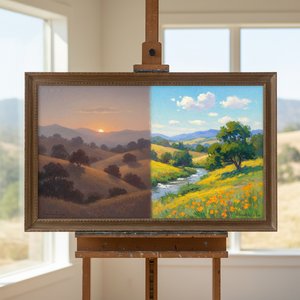
Franz Bischoff: Bridging Tonalism & Impressionism in California Landscape Painting
Explore the captivating art of Franz Bischoff, a pivotal figure bridging Tonalism & California Impressionism. Discover his stunning landscapes, floral works, and lasting legacy with OriginalUniqueArt.
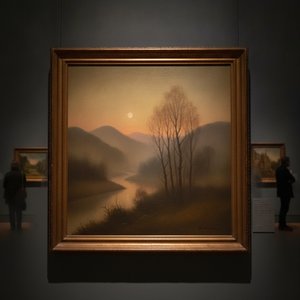
Tonalism Explained: The Art of Mood, Mist, and Masterful Color in Landscape Painting
Discover the evocative world of Tonalism. Explore how masters like Whistler and Tryon used mist, shadow, and subtle color to capture profound mood and atmosphere in landscape art. An expert guide for fine art enthusiasts and collectors.
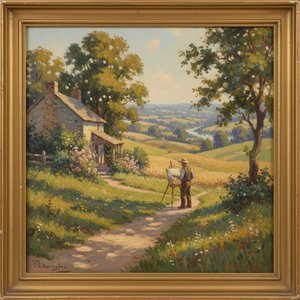
Julian Alden Weir: A Quiet Master of American Impressionism & Rural Life
Discover Julian Alden Weir, a leading American Impressionist painter celebrated for his serene landscapes & depictions of rural life. Explore his artistic evolution, influence on 'The Ten', and legacy at Weir Farm.