

 实景预览
实景预览
 发送
发送 分享
分享
 详情
详情 指南
指南

 下载图片
下载图片
 相似作品
相似作品 X射线
X射线 幻灯片播放
幻灯片播放 统计数据
统计数据Young Flute Player


 阅读全文
阅读全文
手工油画复制品
由我们的艺术家按需定制,为您提供您所选尺寸及画框的布面手工油画。 ( 切换至版画销售渠道 切换至数字图像销售渠道)




P118B ¥10

P118H ¥10

P118W ¥10

P438Z ¥10

P508JH ¥12

P508YH ¥12

P805H ¥10

P805Z ¥10

P919BZ ¥10

P919G ¥10

P919XJ ¥10

P959ZH ¥10

P968JZ ¥12

W106C ¥8

W218G ¥10

W218JH ¥8

W218Y ¥10

W307PJ ¥10

W316G ¥10

W316PJ ¥8

W316Y ¥10

W398PJ ¥8

W4111J ¥10

W500HY ¥15

W500JH ¥15

W692G ¥12

W849H ¥8

W940BG ¥15

W953PJ ¥8




您可以从与原作比例一致的预设尺寸中进行选择。

请输入您需要的宽度和高度,以适配您的画框或墙面。由于作品为手工绘制,若您选择不同的尺寸比例,艺术家可能会在画面边缘多画一些或稍作裁剪 —— 由您决定。在开始绘画之前,我们会为您发送一份数字效果图供您确认。本页面上展示的图片并非最终实物 —— 只有效果图才能反映真实结果。
下单后,OriginalUniqueArt.com 团队将通过电子邮件联系客户获取具体要求,并提供效果预览图


 玻璃选项仅适用于110厘米以下的尺寸。

Young Flute Player
复制品材质
复刻品尺寸说明
-


总计金额
¥ 2016
A Moment of Youthful Grace: Judith Leyster’s “Young Flute Player”
Within the vibrant tapestry of the Dutch Golden Age, few paintings capture the delicate balance between observation and imagination quite like Judith Leyster's "Young Flute Player," completed around 1635. This captivating oil on canvas isn’t merely a portrait; it’s a fleeting glimpse into a world of youthful pleasure, artistic expression, and the subtle complexities of early modern life. The painting immediately draws the eye to its central figure – a young boy, bathed in a soft, diffused light that seems to emanate from an unseen source. He's not posed dramatically or formally; instead, he’s caught in a moment of quiet absorption, his attention wholly devoted to the simple act of playing a flute.
Leyster’s skill lies not just in her technical proficiency—though it is undeniably remarkable—but in her ability to imbue her subjects with a palpable sense of life. The boy's ruffled collar and slightly tilted head suggest a personality brimming with curiosity and perhaps even mischief. The details, from the delicate folds of his clothing to the subtle expression on his face, are rendered with meticulous precision, yet never feel overly labored or stiff. This masterful balance between realism and artistic license is characteristic of Leyster’s style, earning her recognition as one of the most innovative artists of her time.
The Baroque Palette and a World of Instruments
“Young Flute Player” firmly establishes itself within the broader context of Dutch Baroque painting. The use of *chiaroscuro* – the dramatic interplay of light and shadow – is particularly striking, emphasizing the boy’s youthful features and creating a sense of depth and atmosphere. The background, deliberately muted and slightly out of focus, serves to further highlight the subject, drawing our attention entirely to his captivating presence. Notice also the carefully chosen accessories: a violin hanging on the wall, a smaller flute resting nearby, and a simple bowl adding a touch of domesticity to the scene. These elements aren’t merely decorative; they speak to the boy's connection with music and perhaps even hint at a broader cultural context – the importance of instruments within Dutch society.
Interestingly, the inclusion of both a flute and a violin presents a subtle symbolic tension. While stringed instruments were traditionally associated with higher social standing and considered more refined, wind instruments were often linked to simpler folk traditions. Leyster’s juxtaposition suggests a blurring of these distinctions, reflecting the dynamic cultural landscape of 17th-century Holland.
A Pioneer in a Male-Dominated World
Judith Leyster's story is as compelling as her art. She was one of the first female artists to gain recognition within the male-dominated world of the Dutch Golden Age, and her journey is marked by both triumph and adversity. Despite facing significant challenges – including limited opportunities and a lack of formal training – she persevered, establishing herself as a respected painter known for her lively genre scenes, portraits, and still lifes. Her inclusion in the Haarlem Guild of St. Luke in 1633 was a landmark achievement, signifying her acceptance as a professional artist.
“Young Flute Player” is now housed at the Nationalmuseum in Stockholm, a testament to its enduring appeal and historical significance. It stands alongside other masterpieces from the Dutch Golden Age, offering a valuable window into a bygone era. The painting’s continued presence in museums around the world ensures that Leyster's remarkable talent and artistic vision will continue to inspire and captivate audiences for generations to come.
Further Exploration & Artistic Connections
For those seeking to delve deeper into Judith Leyster’s oeuvre, we recommend exploring her self-portrait from 1633, currently residing at the National Gallery of Art in Washington D.C., and her illustrations for a book on tulips from 1643. Her work shares stylistic similarities with that of Frans Hals, another prominent painter of the Dutch Golden Age, suggesting a possible influence or even collaboration. Additionally, consider examining works by Rembrandt van Rijn, such as “The Sacrifice of Isaac,” and those created by workshops associated with Peter Paul Rubens, like "The Feast of Herod," to gain further insight into the artistic trends and techniques of the period.
Useful Links:
- Artvee - Boy Playing a Flute
- Wikipedia - Judith Leyster
- Google Arts & Culture - Boy Playing the Flute
- Instagram - Judith Leyster
Additional Research: The painting’s history reveals a fascinating story of misattribution and eventual rediscovery, highlighting the challenges faced by female artists throughout art history.
问答详情
"Young Flute Player" 的创作者是谁?
《Young Flute Player》被归为尤迪斯·扬斯·勒斯特的作品。
这幅 尤迪斯·扬斯·勒斯特 的《Young Flute Player》 的复制品会为房间增添怎样的氛围?
尤迪斯·扬斯·勒斯特 的《Young Flute Player》 营造出 Calm 的氛围,与推荐的陈设空间——Living Room 完美契合。
有多少人在浏览“Young Flute Player”?
尤迪斯·扬斯·勒斯特 的《Young Flute Player》 的 统计数据 页面展示了公开访问统计数据:该作品的每月访问量、与艺术家最受关注作品的对比,以及访客的来源地。
艺术家简介
早年生活与艺术启蒙
尤迪特·扬斯·莱斯特 (Judith Jans Leyster) 是一位具有开拓精神的女性画家,于1609年7月出生于荷兰哈勒姆。作为扬·威廉兹·莱斯特的第八个孩子,她的成长环境充满了色彩与生机——她的父亲曾是一名布料商,后来转型为酿酒师。尽管关于她早年艺术训练的具体记载并不详尽,但艺术界普遍认为,她曾师从哈勒姆著名的艺术家弗兰斯·皮特斯兹·德·格雷伯 (Frans Pieters留z de Grebber),并在其工作室的熏陶下掌握了绘画精髓。艺术生涯的辉煌
莱斯特的艺术才华在极早的年纪便已崭露头角,她最早的有署名作品《小夜曲》与《欢乐的饮酒者》可以追溯到1629年,当时她年仅二十岁。到了1633年,她正式成为了哈勒姆圣路加行会 (Guild of St. Luke) 的成员,这使她成为首批跻身于这一享有盛誉的艺术组织中的女性艺术家之一。传世杰作与艺术协作
莱斯特的作品展现了她多变的艺术风格与深厚功底,其中一些代表作包括:- 《自画像》(约1633年),现收藏于华盛顿国家美术馆,这件作品极有可能是她向行会提交的入会杰作。
- 1643年出版的一本关于郁金香的书籍中的两幅插图,充分展示了她在不同题材间的驾驭能力。
- 创作于1652年的肖像画以及1654年的静物画,这些作品在21世纪被发现于私人收藏中,再次证明了她那经得起时间考验的精湛技艺。
遗忘与重现的光芒
尽管在同时代人眼中备受推崇,但莱斯特的作品在1660年她去世后,却在漫长的岁月中逐渐被世人遗忘。直到1893年,她的艺术成就才重新被学者们发掘,并开始得到正确的作品归属认定。时至今日,她的画作已被公认为荷兰黄金时代艺术史上不可或缺的重要贡献。- 前往 OriginalUniqueArt.com 探索更多莱斯特的杰作。
- 通过 维基百科 深入了解荷兰黄金时代及其卓越艺术家。
- 在 荷兰黄金时代艺术运动 页面发现那个时代的其它杰出女性艺术家。
结语
在17世纪的荷兰,尤迪特·扬斯·莱斯特作为女性画家所开创的职业生涯,已在艺术史上留下了不可磨灭的印记。她的重新发现与获得认可,不仅是对她持久才华的赞美,更是对艺术界女性地位演变过程的一次深刻见证。馆藏地点:华盛顿国家美术馆。
尤迪斯·扬斯·勒斯特
1609 - 1660 , 荷兰
快速概览
- Artistic Movement Or Style: 荷兰黄金时代
- Artists Or Movements Influenced By This Artist: ['扬·米内斯·莫莱纳']
- Artists Who Influenced This Artist: ['弗兰斯·皮特斯兹·德·格雷伯']
- Date Of Birth: 1609年7月28日
- Date Of Death: 1660年2月10日
- Full Name: 尤迪特·詹斯·莱斯特
- Nationality: 荷兰
- Notable Artworks:
- 吹笛少年
- 欢乐的伙伴
- 快活的人
- Place Of Birth: 荷兰哈勒姆
相关文章
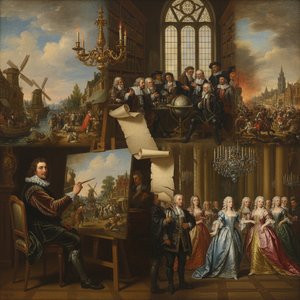
Illuminating a Century of Change: Artistic Expression & Societal Shifts in 17th-Century Europe
Explore the artistic brilliance of the 17th-century Dutch Golden Age & Baroque period. Discover Rembrandt, genre painting, and chiaroscuro techniques. Expert insights for art lovers & collectors.

荷兰黄金时代绘画:文化创新中的现实主义反思
深入探索荷兰黄金时代绘画的文化创新与现实主义反思。本文解读伦勃朗、维米尔等大师的作品,并结合玛莉特·韦斯特曼的图像学研究,揭示艺术史背后的社会语境与现代性意识觉醒。

荷兰黄金时代:十幅定义艺术史的巨作 | OriginalUniqueArt
探索荷兰黄金时代的艺术巅峰! 伦勃朗、维米尔等大师名作,带您领略巴洛克艺术的辉煌。高清画作、博物馆级品质,点亮您的家居空间。OriginalUniqueArt.com 提供精选艺术复制品和定制装饰方案。立即在线探索全系列!

光影交织的时代:荷兰黄金时代绘画艺术的兴盛与创新
深入探索荷兰黄金时代的绘画艺术:伦勃朗、维米尔等大师的技法与创新,了解巴洛克风格的独特演绎。OriginalUniqueArt提供手绘油画复制、艺术咨询及收藏建议,助您领略经典艺术之美。
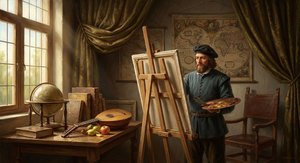
十七世纪荷兰黄金时代绘画:光影、现实与人文精神的辉煌
深入探索十七世纪荷兰黄金时代绘画的辉煌!解读林布兰、维米尔等大师的光影技巧与人文精神,了解巴洛克风格、风俗画的演变。艺术史专家带您领略珍品收藏,提升艺术鉴赏力。