

 实景预览
实景预览
 发送
发送 分享
分享
 详情
详情 指南
指南

 下载图片
下载图片
 相似作品
相似作品 X射线
X射线 幻灯片播放
幻灯片播放 统计数据
统计数据The Merciful Christ


 阅读全文
阅读全文
艺术微喷/版画
博物馆级艺术微喷或帆布版画,制作高效,并提供多种饰面选择。 ( 订购此收藏品的纯手工复刻画作 切换至数字图像销售渠道)




































您可以从与原作比例一致的预设尺寸中进行选择。

您可以输入自定义尺寸,以适配特定的画框或空间。如果您选择的尺寸与原图比例不符,我们将对作品进行裁剪,或通过镜像填充/纯色填充边缘的方式来扩展图像。在开始制作之前,我们会向您发送一份数字效果图供您确认。
请注意,屏幕上的预览并不能反映实际的裁剪或扩展效果。只有效果图才能准确展示最终的构图。
虽然我们提供定制尺寸,但为了保持原图比例,我们建议您从预设列表中选择尺寸。


 玻璃选项仅适用于110厘米以下的尺寸。

The Merciful Christ
艺术微喷/版画
复刻品尺寸说明
-


总计金额
$ 80
艺术家简介
Juan Martínez Montañés: The God of Wood
Juan Martínez Montañés (1568-1649) stands as a monumental figure in Spanish Baroque sculpture, earning the moniker “El Dios de la Madera” (“The God of Wood”) due to his unparalleled mastery of wood carving and polychromy—techniques that elevated it beyond mere craftsmanship into an art form itself. Born in Alcalá la Real, Jaén, Montañés’s formative years coincided with a period of artistic ferment in Seville, where he honed his skills under Pablo de Roxas before establishing a prolific workshop that would shape the visual landscape of Spain for decades to come. His legacy extends far beyond individual masterpieces; he fundamentally redefined Baroque aesthetics and profoundly influenced subsequent generations of sculptors.- Early Life & Training: Montañés’s artistic journey began in Granada, where he studied under Pablo de Roxas, absorbing the stylistic nuances of Mannerism while simultaneously embracing emerging Baroque principles. This dual influence would become a cornerstone of his distinctive artistic vision.
- Seville Workshop & Artistic Output: Montañés established a workshop in Seville around 1587, attracting talented assistants and producing an astonishing volume of sculptural works—estimated to be over 300 pieces—spanning altarpieces, funerary monuments, portraits, and decorative sculptures.
- Technique & Innovation: Montañés revolutionized wood sculpture through his innovative “encarnación” technique – a method of applying gesso (a plaster mixture) to wooden panels followed by meticulous polishing and gilding—creating surfaces that shimmered with gold leaf and achieved an astonishing level of realism.
Masterpieces & Notable Commissions
Montañés’s artistic reputation soared during his lifetime, fueled by commissions from prominent patrons and ecclesiastical institutions across Spain. His crowning achievement remains the Great Altar of St Jerome at San Isidoro del Campo near Seville (completed in 1613), a monumental testament to Baroque grandeur and considered one of the finest examples of polychromed wood sculpture ever created. This altar exemplifies Montañés’s meticulous attention to detail, dramatic lighting effects, and masterful use of color—characteristics that define his artistic style. Other significant commissions included altars at Santa Clara and San Miguel in Seville, as well as the Immaculate Conception and Christ Crucified for Seville Cathedral (1603), cementing his position as Seville's foremost sculptor. Notably, he undertook a portrait commission from Diego Velázquez, whose tutor had mentored him, resulting in an iconic depiction of Philip IV—a painting that captures not only royal likeness but also Montañés’s artistic sensibility and intellectual engagement.- The Great Altar of St Jerome: This masterpiece showcases Montañés's unparalleled skill in wood carving and polychromy, demonstrating his ability to convey emotion and spiritual depth through sculptural form.
- Cristo de la Clemencia: Commissioned in 1603, this sculpture exemplifies Montañés’s commitment to realism and dramatic composition—a hallmark of Baroque art.
- Philip IV Portrait by Velázquez: This portrait reflects Montañés's influence on Velázquez's artistic style and underscores the symbiotic relationship between two leading figures in Spanish Baroque culture.
Influence & Legacy
Juan Martínez Montañés’s impact extended beyond his own lifetime, shaping the artistic landscape of Spain and Latin America for centuries to come. His workshop produced a cadre of talented students who carried forward his stylistic innovations—particularly in wood carving and polychromy—establishing Seville as a center for Baroque sculpture. Furthermore, Montañés's meticulous realism and refined taste served as an inspiration for artists across Europe, influencing the development of sculptural techniques and aesthetic ideals. His enduring legacy resides not only in his monumental works but also in his contribution to the intellectual and artistic discourse of his era—a testament to his profound understanding of art history and his unwavering dedication to excellence.- Student Influence: Montañés’s workshop fostered a vibrant artistic community, nurturing the talents of Juan de Mesa y Velasco and Alonzo Martínez, who continued Montañés's stylistic traditions.
- European Impact: Montañés’s techniques and aesthetic sensibilities resonated throughout Europe, contributing to the broader evolution of Baroque sculpture across the continent.
Concluding Remarks
Juan Martínez Montañés remains an undisputed titan of Spanish Baroque art—a sculptor whose mastery of wood carving and polychromy elevated it to unparalleled heights of artistic achievement. His unwavering commitment to realism, combined with his impeccable taste and profound understanding of visual culture, secured his place as “El Dios de la Madera,” a title that encapsulates the essence of his extraordinary legacy and continues to inspire admiration for generations of art historians and enthusiasts alike.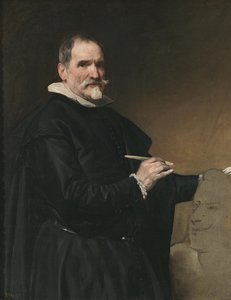
juan martínez montañés
1568 - 1649 , Spain
快速概览
- Artistic Movement Or Style: Baroque art
- Artists Or Movements Influenced By This Artist: ['Diego Velázquez']
- Artists Who Influenced This Artist: ['Pablo de Roxas']
- Date Of Birth: March 16, 1568
- Date Of Death: June 18, 1649
- Full Name: Juan Martínez Montañés
- Nationality: Spanish
- Notable Artworks:
- The Great Altar of St Jerome at San Isidoro del Campo
- Cristo de la Clemencia
- Portrait of the Sculptor
- Place Of Birth: Alcalá la Real, Spain
