

 效果预览
效果预览
 分享
分享 分享
分享
 详情
详情

 下载
下载
 相似作品
相似作品 X射线
X射线 幻灯片播放
幻灯片播放 统计数据
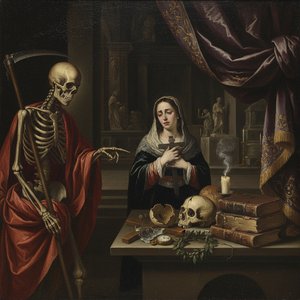
统计数据In Ictu Oculi
 Acrylic
- WallArt
- Baroque
 1670
1670 220.0 x 216.0 cm
 Hospital de la Caridad
 展开详情
展开详情
艺术微喷/版画
博物馆级艺术微喷或帆布版画,制作高效,并提供多种饰面选择。 ( 购买手绘画作 切换至数字图像销售渠道)




P118B $10

P118H $10

P118W $10

P438Z $10

P508JH $12

P508YH $12

P805H $10

P805Z $10

P919BZ $10

P919G $10

P919XJ $10

P959ZH $10

P968JZ $12

W106C $8

W218G $10

W218JH $8

W218Y $10

W307PJ $10

W316G $10

W316PJ $8

W316Y $10

W398PJ $8

W4111J $10

W500HY $15

W500JH $15

W692G $12

W849H $8

W940BG $15

W953PJ $8




从与原作比例一致的预设尺寸中进行选择。

您可以输入自定义尺寸,以适配特定的画框或空间。如果您选择的尺寸与原图比例不符,我们将对作品进行裁剪,或通过镜像填充/纯色填充边缘的方式来扩展图像。在开始制作之前,我们会向您发送一份数字效果图供您确认。
请注意,屏幕上的预览并不能反映实际的裁剪或扩展效果。只有效果图才能准确展示最终的构图。
虽然我们提供定制尺寸,但为了保持原图比例,我们建议您从预设列表中选择尺寸。


 玻璃选项仅适用于110厘米以下的尺寸。

In Ictu Oculi
艺术微喷/版画
复制品尺寸
-


最终总价
$ 80
A Meditation on Mortality: Juan de Valdés Leal’s “In Ictu Oculi”
The painting "In Ictu Oculi," attributed to Juan de Valdés Leal (1622-1690), stands as a poignant emblem of Baroque art's preoccupation with the ephemeral nature of existence. Executed in 1670, this monumental canvas—measuring 220 x 216 cm—captures a scene steeped in theological symbolism and rendered with meticulous detail that speaks volumes about Leal’s artistic prowess. It’s more than just an image; it's a carefully constructed dialogue between faith and decay, inviting contemplation on the inevitability of death and the importance of spiritual reflection.Subject Matter and Composition
At its core lies a stark depiction of a skeleton—a ubiquitous motif in Baroque art representing mortality—holding aloft a book and a crucifix. This juxtaposition immediately establishes the painting’s thematic focus: the soul's journey through life towards eternal salvation, juxtaposed against the inescapable reality of physical demise. The skeleton isn’t merely presented as an anatomical specimen; it exudes solemn dignity, positioned atop a substantial pile of books—symbols of knowledge and earthly pursuits—some scattered around its feet, suggesting that even intellectual endeavors ultimately succumb to time's relentless march. Leal skillfully utilizes perspective to create depth within the composition, drawing the viewer’s eye upwards towards the crucifix while simultaneously grounding it in the tangible world of literature and decay.Style and Technique
Leal’s artistic style aligns perfectly with the Baroque aesthetic—characterized by dramatic chiaroscuro (contrast between light and dark), opulent ornamentation, and a fervent emotional intensity. The painting demonstrates exceptional technical skill, achieved through oil paint on canvas. Leal employs painstaking brushwork to capture the textures of bone and parchment alike, conveying both physicality and intellectual contemplation. The artist’s masterful manipulation of light enhances the dramatic effect, highlighting the skeleton's form against the muted tones of the surrounding books, creating a visual representation of spiritual illumination battling against darkness.Historical Context: Baroque Theology
“In Ictu Oculi” emerged during a period profoundly influenced by Catholic theology—specifically, Jansenism—which emphasized introspection and the contemplation of God’s divine justice. The image reflects this intellectual climate, serving as a reminder that earthly achievements are ultimately meaningless in comparison to spiritual salvation. Leal's work aligns with broader Baroque artistic trends aimed at conveying moral instruction and provoking emotional responses from viewers. It was commissioned for the Church of San Francesco in Córdoba, underlining its purpose as devotional artwork intended to inspire piety and reinforce religious beliefs.Symbolism: Vanitas Revisited
The painting’s symbolism resonates deeply within the tradition of vanitas—a genre that explores themes of mortality, decay, and the futility of earthly pleasures. The skull represents death itself, while the book symbolizes wisdom and spiritual enlightenment – a paradox highlighting the limitations of human understanding in confronting eternity. Similarly, the crucifix embodies Christian faith and redemption, offering solace amidst despair. Leal’s deliberate arrangement reinforces these concepts, prompting viewers to confront their own mortality and consider the significance of their lives beyond the temporal realm.Emotional Impact: A Silent Plea for Reflection
Ultimately, “In Ictu Oculi” transcends mere visual representation; it evokes a profound emotional response. The painting's subdued palette—dominated by browns and ochres—contributes to its solemn atmosphere, fostering contemplation and prompting viewers to confront uncomfortable truths about human existence. Leal’s masterful execution compels us to consider the brevity of life and the enduring power of faith – leaving an indelible impression on anyone who engages with this arresting artwork.艺术家简介
早年生活与艺术训练
胡安·德·瓦尔德斯·莱阿尔,一位享有盛誉的西班牙画家和蚀刻师,于1622年5月4日出生在塞维利亚。他不仅是一位画家,还精通雕塑和建筑,展现了他在艺术领域的多元才华。二十岁出头时,他便跟随安东尼奥·德尔·卡斯蒂略在科尔多瓦学习,磨练他在巴洛克时代的绘画技巧。这段时期的训练为他日后的艺术风格奠定了坚实的基础,使他能够熟练运用光影、色彩和构图来表达深刻的情感和主题。塞维利亚的艺术氛围也深深影响了他,培养了他对宗教题材和戏剧性场面的浓厚兴趣。重要作品与合作
瓦尔德斯·莱阿尔的重要作品包括:这些作品充分展示了他捕捉阴郁和戏剧性主题的能力,经常探索虚无主义、短暂性和死亡等主题。他与巴托洛梅·埃斯特班·穆里略的合作,一位以宁静和安详风格著称的艺术家,促成了1656年塞维利亚艺术学院的成立。这次合作不仅提升了瓦尔德斯·莱阿尔的声誉,也推动了塞维利亚艺术的发展。个人生活与遗产
瓦尔德斯·莱阿尔于1647年与同样是一位画家的伊莎贝拉·卡拉斯基利亚结婚。这对夫妇育有五个孩子,其中几位也成为了艺术家,包括卢卡斯、玛丽亚和劳拉。瓦尔德斯·莱阿尔于1690年10月15日在塞维利亚去世,留下了他在艺术领域的宝贵遗产。他的作品以其深刻的象征意义、精湛的技巧和对人性的敏锐洞察力而备受赞誉。他不仅是一位杰出的画家,也是一位富有创新精神的艺术家,为西班牙巴洛克绘画的发展做出了重要贡献。瓦尔德斯·莱阿尔的作品赏析
在OriginalUniqueArt.com上探索更多瓦尔德斯·莱阿尔的作品,您将发现:- 165幅由胡安·德·瓦尔德斯·莱阿尔创作的艺术作品;
- 博物馆品质复制品,让您在家也能欣赏到大师级的杰作;
- 巴洛克艺术风格,充分体现了那个时代的特点。维基百科:胡安·德·瓦尔德斯·莱阿尔
更多探索资源
- 阿斯图里亚斯美术博物馆(西班牙):探索该博物馆的藏品,展出从12世纪到20世纪初的欧洲艺术作品。
- 塞维利亚美术博物馆(西班牙):了解该博物馆的历史、藏品和参观信息。体验艺术的魅力,尽在OriginalUniqueArt.com

胡安·德·瓦尔德斯·莱阿尔
1622 - 1690 , 西班牙
艺术家简介
- Artistic Movement Or Style: 巴洛克绘画
- Artists Or Movements Influenced By This Artist: ['巴托洛梅·穆里略']
- Artists Who Influenced This Artist: ['安东尼奥·德尔·卡斯蒂略']
- Date Of Birth: 1622年5月4日
- Date Of Death: 1690年10月15日
- Full Name: 胡安·德·瓦尔德斯·莱阿尔
- Nationality: 西班牙国籍
- Notable Artworks (List Of Titles):
- 以利亚先知的故事
- 圣安德烈殉难记
- 十字架的胜利
- Place Of Birth (City And Country): 西班牙塞维利亚
相关文章

戈雅大师25幅杰作:西班牙灵魂的艺术之旅| OriginalUniqueArt
探索戈雅大师的25幅杰作!深入了解西班牙绘画巨匠Francisco Goya的艺术世界,从洛可可到浪漫主义风格,感受黑加仑时代的情感力量。OriginalUniqueArt.com提供高品质油画复制品和家居装饰灵感。立即在线发现所有名画!
Juan de Valdés Leal: Baroque Realism, Memento Mori & Theatricality of Spanish Grief
Explore the powerful Baroque realism of Juan de Valdés Leal (1622-1690). Discover his somber masterpieces, iconic 'In Ictu Oculi', and profound explorations of mortality. Museum-quality reproductions available at OriginalUniqueArt.

巴洛克艺术的戏剧性辉煌:历史背景、风格特征与持久影响
深入探索巴洛克艺术的辉煌历史、独特风格与持久影响。了解卡拉瓦乔、贝尼尼等大师的作品,洞悉反宗教改革运动下的艺术变革。OriginalUniqueArt.com为您提供专业的艺术解读与高清画作欣赏。

About Us
Discover our story! We bring world-class art into your life through expert curation, personalized creations, and free previews. Trusted by individuals and businesses since 2000.

西班牙巴洛克艺术:信仰、戏剧与黄金时代的重塑
深入探索西班牙巴洛克艺术的辉煌时代!从反宗教改革到鲁本斯、维米尔等大师的作品,解读信仰、戏剧与黄金时代的重塑。OriginalUniqueArt.com提供精美油画复制和专业艺术咨询。