

 实景预览
实景预览
 发送
发送 分享
分享
 详情
详情 指南
指南

 下载图片
下载图片
 相似作品
相似作品 X射线
X射线 幻灯片播放
幻灯片播放 统计数据
统计数据生命短梦
 布面丙烯
布面丙烯- 墙面艺术品
- Art Nouveau Modern
 1906
1906 163.0 x 143.0 cm
 克拉科夫国家博物馆
 阅读全文
阅读全文
艺术微喷/版画
博物馆级艺术微喷或帆布版画,制作高效,并提供多种饰面选择。 ( 订购此收藏品的纯手工复刻画作 切换至数字图像销售渠道)




P118B ¥10

P118H ¥10

P118W ¥10

P438Z ¥10

P508JH ¥12

P508YH ¥12

P805H ¥10

P805Z ¥10

P919BZ ¥10

P919G ¥10

P919XJ ¥10

P959ZH ¥10

P968JZ ¥12

W106C ¥8

W218G ¥10

W218JH ¥8

W218Y ¥10

W307PJ ¥10

W316G ¥10

W316PJ ¥8

W316Y ¥10

W398PJ ¥8

W4111J ¥10

W500HY ¥15

W500JH ¥15

W692G ¥12

W849H ¥8

W940BG ¥15

W953PJ ¥8




您可以从与原作比例一致的预设尺寸中进行选择。

请输入您所需的宽度和高度,以适配您的画框或墙面。由于印刷品只能进行裁剪,无法超出原图尺寸,因此若比例不一致,画面的一部分将会被裁切。在正式印刷之前,我们会为您发送一份数字效果图供您确认。本页面显示的图片并非最终裁剪后的效果——只有效果图才能展示真实的裁剪情况。


 玻璃选项仅适用于110厘米以下的尺寸。

生命短梦
艺术微喷/版画
复刻品尺寸说明
-


总计金额
¥ 537
维塔·索姆尼乌姆·勃雷夫:生命是一段短暂的梦想
维塔·索姆尼乌姆·勃雷夫,由约瑟夫·梅霍弗创作于1906年,是现代艺术中的重要人物之一。这位艺术家并非出身于艺术世家,而是凭借在巴黎美术学院学习过威廉·阿道尔夫·玻古雷奥的学术现实主义训练而开启了他的艺术生涯。这种传统训练为他之后创作的作品奠定了基础,也赋予了他对艺术本质的深刻理解。梅霍弗是一位极富创造力的人物,他的作品风格多样,影响深远,至今仍吸引着无数观众的目光。 ### 作品概述与风格分析 这幅圣玻璃窗以其精美的设计和丰富的色彩而闻名于世。它描绘了一组人物形象,其中包括女性和儿童,他们身处森林或茂密的树林之中,姿态各异,表情生动。艺术家巧妙运用了艺术新风格(现代主义)的技巧,创造出令人惊叹的作品。圣玻璃窗的图案充满象征意义,展现了梅霍弗对自然与人类关系的独特思考。这种风格深受当时欧洲艺术家的影响,体现了他们对色彩和光线的探索精神。 ### 技术与创作过程 圣玻璃窗的制作工艺复杂而精湛,需要艺术家具备高度的专业技能。梅霍弗运用了传统的玻璃切割技术和彩色玻璃绘画技巧,将这些元素融合在一起,形成了一幅充满活力和美感的艺术作品。他注重细节处理,力求在色彩搭配上达到最佳效果,从而增强圣玻璃窗的视觉冲击力和艺术表现力。这种创作过程不仅体现了梅霍弗对艺术的热爱与执着,也反映了他对传统工艺的尊重与传承。 ### 背景历史与象征意义解读 这幅作品创作于1906年,正值波兰年轻诗人运动时期,梅霍弗的作品是当时艺术发展的重要推动力。圣玻璃窗的设计灵感来源于意大利文艺复兴时期的绘画艺术,艺术家们借鉴了古典艺术的风格和技巧,表达了对生命短暂与美好爱情的赞美之情。同时,森林象征着宁静与和谐,也代表着人类与自然的联系。圣玻璃窗的光线透过彩色玻璃,将这些元素巧妙地融合在一起,营造出一种神秘而浪漫的氛围,引发人们对生命意义和情感价值的思考。 这幅作品不仅是一件艺术杰作,更蕴含了丰富的文化象征意义,值得我们细细品味与欣赏。 ### 作品影响与当代价值评估 维塔·索姆尼乌姆·勃雷夫的作品在现代艺术史上具有里程碑式的意义。它开创了圣玻璃窗艺术的新纪元,为后人创作提供了宝贵的灵感和借鉴。梅霍弗的艺术风格至今仍被许多艺术家所喜爱和模仿,他的作品也成为了博物馆收藏品的重要组成部分。 这幅圣玻璃窗不仅是一件精美的艺术品,更代表着一种独特的审美追求和文化精神,它将继续激励人们创作出更多优秀的作品,为人类艺术发展贡献力量。问答详情
在哪里可以找到关于“生命短梦”的指南?
Józef Mehoffer 的《生命短梦》 的 指南 页面提供了一份可打印的两页式学生资料单:包含作品及其身份信息表、将其置于艺术家生平中的年代轴、艺术家的其他作品、经测量的色板,以及四种格式的即用型引用文献。
Józef Mehoffer 的《生命短梦》 的色彩构图是如何构建的?
在“生命短梦”中,陈述的对比与色彩冲突的和谐相得益彰。
"生命短梦" 的色彩饱和度如何?
Józef Mehoffer 的《生命短梦》 的色彩饱和度为 色彩柔和,色彩强度为 均衡。
艺术家简介
A Life of Color and Glass
Józef Mehoffer arrived in the world in Ropczyce, Poland, in 1869, though his path to the easel was not immediate. Before he embraced the brush, he pursued legal studies, a direction that only shifted after a gift of paints revealed a different vocation. He sought formal training at the Academy of Fine Arts in Kraków under Władysław Łuszczkiewicz, later expanding his horizons through studies in Vienna and Paris at the Académie Colarossi. This period of wandering through Europe’s great art centers allowed him to absorb the diverse currents of his era.
His work became a bridge between the academic traditions of his teachers, such as Jan Matejko, and the emerging avant-garde. He moved with ease between easel painting and the monumental demands of decorative arts. Whether working on portraits, landscapes, or intricate book illustrations, Mehoffer sought a fusion of form and color. His style grew to include elements of Post- Impressionism and the Secession movement, often utilizing bold palettes and fluid lines that mirrored the organic spirit of Art Nouveau.
The Light of Fribourg
While his presence was felt throughout Poland, Mehoffer achieved significant recognition through his work in Switzerland. Between 1895 and 1936, he dedicated decades to a cycle of thirteen stained-glass compositions for the Cathedral of St. Nicholas in Fribourg. This undertaking required immense technical precision, as he treated the lead came not merely as a structural necessity but as an autonomous graphic line. He selected glass of varying thicknesses and textures, using silver stain and vitreous black to manipulate how light moved through the windows.
The success of these windows brought him international attention. At the 1900 Paris World's Fair, his window titled The Martyrs earned a gold medal. This period of his life saw him blending Polish folk motifs with the sophisticated aesthetics of European Art Nouveau. His ability to translate complex religious and symbolic themes into luminous glass remains a central part of his professional identity.
A Decorative Legacy
Mehoffer’s creative output was remarkably broad, refusing to be confined to a single medium. He was as much a designer of furniture, textiles, and posters as he was a painter of canvases. His hand could be found in the mosaics of the Armenian Cathedral in Lviv and the frescoes of Wawel Cathedral. In 1897, he helped found the society Sztuka, an organization that sought to assert the independence of Polish art from the influence of occupying powers.
In his later years, Mehoffer established a home and studio on Krupnicza Street in Kraków. This house, which he purchased in 1932, became a center for musical and literary gatherings, reflecting his role as a figure of the Polish intelligentsia. He lived through the profound shifts of the early twentieth century, continuing to work even during the hardships of the Second World War. When he passed away in Wadowice in 1946, he left behind a body of work that spanned the transition from nineteenth-century tradition to the modern decorative era.

Józef Mehoffer
1869 - 1946
快速概览
- Artistic Movement Or Style:
- Young Poland
- Post-Impressionism
- Secession
- Art Nouveau
- Symbolism
- Artists Who Influenced This Artist:
- Jan Matejko
- Władysław Łuszczkiewicz
- Henri Matisse
- Full Name: Józef Mehoffer
- Nationality: Polish
- Notable Artworks:
- Vita somnium breve
- Three Kings
- The Farewell
- The Muse
- Medusa
- Place Pigalle in Paris
- Place Of Birth: Ropczyce, Poland
- Date Of Birth: 1869
- Date Of Death: 1946
相关文章
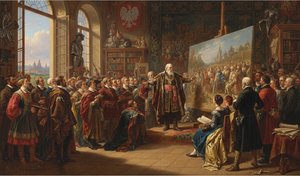
Jan Matejko: Historical Narrative & National Identity in 19th-Century Polish Painting
Explore the powerful historical paintings of Jan Matejko, Poland's national artist. Discover his iconic works & learn how he shaped Polish identity in the 19th century. High-quality reproductions available.
艺术新潮的十个杰作:定义时代的华丽与创新
探索艺术新潮的十个杰作!高更、慕夏、克里姆特等大师作品,揭秘其背后的故事与精湛技艺。从优雅曲线到绚丽色彩,感受现代艺术的魅力。OriginalUniqueArt.com为您提供博物馆品质的艺术品复制和家居装饰灵感。在线探索完整系列!
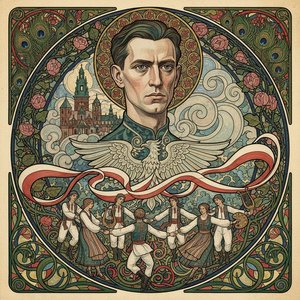
Stanisław Wyspiański: Symbolism, National Identity & the Polish Secession
Explore the life & work of Stanisław Wyspiański, a pivotal figure in Polish Symbolism and the Young Poland movement. Discover his iconic paintings, dramas, and stained glass designs reflecting national identity & artistic innovation.
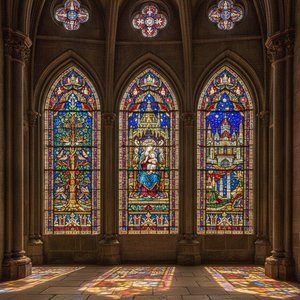
Luminous Masterpieces: The Captivating Beauty and Timeless Elegance of Stained Glass Artworks
Embark on a visual journey through the luminous world of stained glass art. Discover the exquisite craftsmanship, historical significance, and captivating beauty of masterworks from Art Nouveau to the Gothic era, curated for the discerning fine art enthusiast.
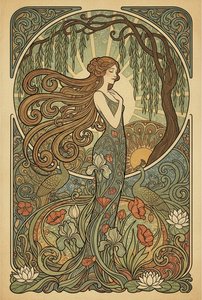
新艺术运动:自然灵感、工艺复兴与现代美学的融合之旅
探索新艺术运动的迷人世界:从工艺美术运动的起源到自然主义设计和现代美学的融合。OriginalUniqueArt为您提供专业的艺术咨询、定制油画服务,助您收藏与鉴赏珍品。
