
 效果预览
效果预览
 购买手绘画作
 分享
分享 分享
分享
 详情
详情

 下载
下载
 相似作品
相似作品 X射线
X射线 幻灯片播放
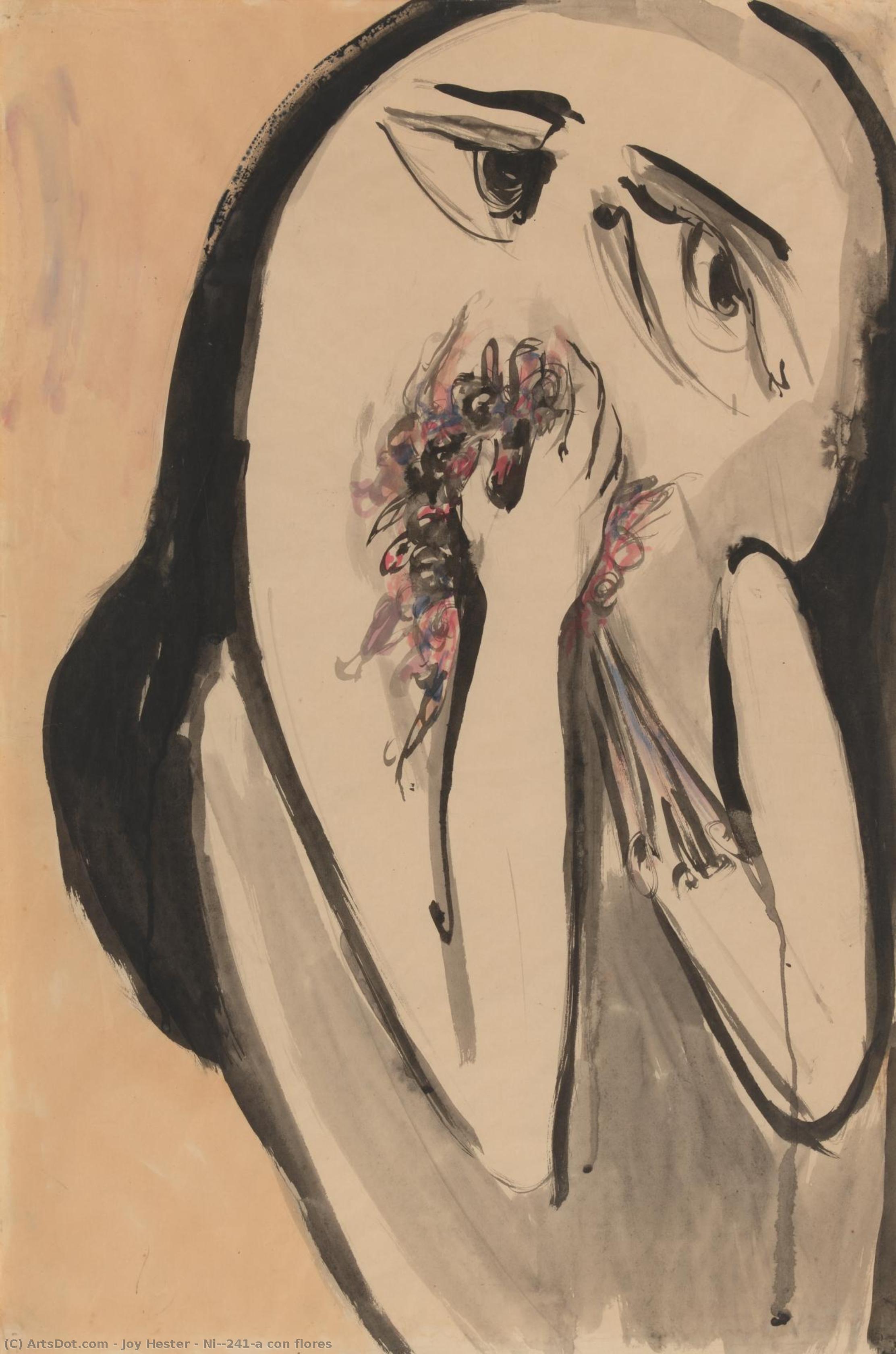
幻灯片播放Niña con flores
 Watercolor
- WallArt
- Expressionism
 1956
1956- Modern
 76.0 x 50.0 cm
 国立美术馆 (NGV)
 展开详情
展开详情




P118B $10

P118H $10

P118W $10

P438Z $10

P508JH $12

P508YH $12

P805H $10

P805Z $10

P919BZ $10

P919G $10

P919XJ $10

P959ZH $10

P968JZ $12

W106C $8

W218G $10

W218JH $8

W218Y $10

W307PJ $10

W316G $10

W316PJ $8

W316Y $10

W398PJ $8

W4111J $10

W500HY $15

W500JH $15

W692G $12

W849H $8

W940BG $15

W953PJ $8




从与原作比例一致的预设尺寸中进行选择。

您可以输入自定义尺寸,以适配特定的画框或空间。如果您选择的尺寸与原图比例不符,我们将对作品进行裁剪,或通过镜像填充/纯色填充边缘的方式来扩展图像。在开始制作之前,我们会向您发送一份数字效果图供您确认。
请注意,屏幕上的预览并不能反映实际的裁剪或扩展效果。只有效果图才能准确展示最终的构图。
虽然我们提供定制尺寸,但为了保持原图比例,我们建议您从预设列表中选择尺寸。


 玻璃选项仅适用于110厘米以下的尺寸。

Niña con flores
艺术微喷/版画
复制品尺寸
-


最终总价
$ 80
藏品详情
A Portrait of Sorrow and Resilience: Exploring Joy St Clair Hester’s “Niña con Flores”
Joy St Clair Hester's "Niña con Flores" (Girl with Flowers), created in 1956, is not merely a portrait; it’s a deeply resonant exploration of grief, memory, and the enduring strength of the human spirit. This arresting work, rendered primarily in evocative ink washes and punctuated by flashes of vibrant red and pink, immediately draws the viewer into a world steeped in melancholic beauty. Hester, a pivotal figure within Australia's burgeoning Modernist movement, masterfully employs a restrained yet intensely expressive style, characteristic of her engagement with the Heide Circle and the Angry Penguins.
The subject herself remains partially obscured, veiled by a dark, amorphous shape that suggests concealment or perhaps the lingering shadow of loss. Her face, though fragmented, is dominated by an arresting gaze – large, sorrowful eyes that seem to hold both vulnerability and a quiet defiance. This deliberate ambiguity invites speculation about her story, prompting us to project our own experiences of sadness and remembrance onto the canvas. The use of predominantly dark shades—charcoal greys, deep blacks—creates a sense of profound stillness, while strategically placed bursts of color – particularly the passionate reds and pinks of the blossoms erupting from her mouth – inject moments of startling intensity and symbolic weight.
Technique and Materials: A Dance of Ink and Wash
Hester’s technique is both delicate and assertive. The work is executed primarily in watercolor and ink wash on paper, a combination that lends itself beautifully to the creation of layered textures and subtle tonal shifts. Loose brushstrokes contribute to an atmosphere of immediacy and emotional rawness, while careful shading establishes depth and form. Notice how she utilizes broken washes—allowing the colors to bleed into one another—to create a sense of fluidity and movement within the composition. The deliberate lack of precise detail emphasizes the emotional impact over realistic representation; lines are used expressively to define features rather than as literal depictions.
The choice of ink, particularly black ink, is crucial to Hester’s signature style. It allows for a remarkable control—the ability to build up layers of dark tones with incredible precision, creating both dramatic contrasts and subtle gradations of value. The blossoms themselves are rendered with a surprising degree of detail, their vibrant hues acting as potent symbols within the broader context of the piece. The overall effect is one of controlled chaos – a visual representation of the turbulent emotions that lie beneath the surface.
Symbolism: Flowers, Grief, and Remembrance
The most striking element of “Niña con Flores” is undoubtedly the profusion of flowers emerging from the woman’s mouth. This imagery transcends mere botanical detail; it's a potent symbol of grief, loss, and perhaps even remembrance. The blossoms can be interpreted as representing the bittersweet nature of memory—beautiful yet tinged with sadness. They also suggest a connection to nature, offering a glimmer of hope amidst the prevailing darkness. The veil-like shape obscuring her face further reinforces this theme of concealment and unspoken sorrow.
Considering Hester’s own life – marked by the early loss of her father and later battling Hodgkin's disease – it is not surprising that her work frequently grapples with themes of mortality and resilience. “Niña con Flores” can be seen as a deeply personal meditation on these experiences, transformed into a universal expression of human vulnerability and enduring strength. The image resonates with the broader artistic tradition of exploring psychological states through symbolic imagery.
Historical Context: A Voice in the Australian Modernist Movement
Joy St Clair Hester’s work emerged during a pivotal period in Australian art history – the mid-20th century, when artists were actively seeking to forge a distinctly national identity. She was a key member of both the Heide Circle and the Angry Penguins, groups that challenged established artistic conventions and pushed the boundaries of modernism. Her association with these influential circles provided her with access to a vibrant intellectual and artistic community, but also exposed her work to critical scrutiny. Despite facing challenges in gaining widespread recognition during her lifetime, Hester’s legacy has steadily grown over time, cementing her place as one of Australia's most important Modernist artists.
Resources for further exploration include the National Gallery of Victoria’s collection (where “Niña con Flores” is held), online archives dedicated to Joy St Clair Hester, and scholarly articles examining her work within the context of Australian art history. WikiArt offers a valuable visual resource: https://www.wikiart.org/en/joy-hester/nina-con-flores-1956
艺术家简介
墨迹勾勒的一生:乔伊·圣克莱尔·海斯特的世界
乔伊·圣克莱尔·海斯特是澳大利亚现代主义领域一位举足轻重的艺术家,她的人生交织着艺术的狂热与个人的艰辛。她于1920年出生在澳大利亚的埃尔伍德,早年的岁月笼罩着父亲离世的阴影,这一经历微妙而深刻地影响了她后期作品的情感深度。从她在圣迈克尔文法学校和布莱顿技术学校接受的早期教育中,海斯特便展现出明显的艺术天分,最终在墨尔本国家画廊学校获得了认可,并于1938年赢得了“生命写生最佳奖”。早期的成功不仅标志着其精湛的技术功底,更预示了她捕捉人类形态本质的独特能力——这股天赋后来成为了她的标志。正是在这段时期,海斯特开始挣脱传统的艺术束缚,寻求一种更为表现力和个人化的视觉语言。海德圈与愤怒企鹅
海斯特的轨迹在1938年遇到了阿尔伯特·塔克后迎来了决定性的转折点,这不仅开启了一段重要的浪漫关系,更建立了一次意义深远的艺术合作。这段联结使她进入了艺术界的重要赞助人桑代·里德的关注范围,并最终深入到充满活力的海德圈的核心地带。与西德尼·诺兰、阿瑟·博伊德和查尔斯·布莱克曼等艺术家并肩而立,海斯特沉浸在一个充满激进实验精神和协作氛围的环境中。海德的气氛洋溢着知识的酝酿,鼓励艺术家挑战既有规范,开辟新的道路。与此同时,她成为了当代艺术协会(CAS)的创始成员,并且尤为引人注目的是,她是开创性的“愤怒企鹅”运动中唯一的女性参与者。这种关联绝非偶然;海斯特的作品体现了该群体反叛的精神和对现代主义的坚定承诺,挑战着当时澳大利亚盛行的保守艺术规范。她的存在本身就挑战了男性主导的艺术世界,并预示着社会对女性在澳大利亚现代艺术领域贡献日益增长的认可。独特的风格:从观察到情感
海斯特的艺术发展历程,其特点在于题材和技法上的大胆转变。起初,她的作品仍带有传统的影响痕迹,但她很快便转向了更饱满的形式和更富表现力的线条。二十世纪四十年代的作品开始聚焦于描绘日常生活——街景和工厂工人,这些场景被赋予了日益个人化的笔触。然而,真正定义其风格的,是她毅然决定放弃油画,转而采用水彩和墨水的选择。这一转变带来了一种流畅性和即时性,完美契合了她对心理状态的探索。她的线条充满了情感的张力,常常深沉而蜿蜒,创造出既令人萦绕心神又极具吸引力的画面。第二次世界大战的阴影笼罩着这个时期,将一种焦虑和存在主义的追问注入了她的作品之中。这一阶段标志着海斯特标志性风格的开端——一种通过墨水所能唤起的深沉力量传达出的、原始而极度私人的表现主义。死亡、爱与失落的主题
乔伊·圣克莱尔·海斯特或许最广为人知的是她的系列作品《面孔》、《睡眠》和《爱》(1948–49年),这是一场对人类情感和人际关系深刻的探索。这些作品远非简单的肖像画;它们是心理学的研究,以毫不退缩的诚实深入挖掘着内心生活的复杂性。反复出现的母题——带着令人心悸的强度描绘的面孔、象征性的花卉元素——贯穿了她的整个创作生涯,充当着她情感探索的视觉支点。对死亡的意识,深深植根于个人经历之中——早年失去父亲和后来被诊断出霍奇金淋巴病——成为了她艺术作品的核心主题。像《恋人》(1956–58年)这样的后期作品延续了这种探索,描绘的爱并非田园诗般的浪漫,而是一种脆弱且常常痛苦的体验。她的作品从不回避人类存在的阴暗面;相反,它以勇气和脆弱性去直面它们。海斯特的艺术证明了她将个人苦难转化为关于人类境况的普遍宣言的能力。遗产与持久的影响力
尽管生前在获得广泛认可方面面临挑战,但乔伊·圣克莱尔·海斯特的作品在近几十年间经历了一次显著的复兴。受艾尔莎·奥康纳和丹尼拉·瓦西里耶夫等艺术家的影响,他们与她一样致力于心理深度的探索以及艺术与生活的融合,她开辟了一条独特的道路,为后世的澳大利亚艺术家铺平了前行之路。她大胆的线条运用、表现性的风格,以及对艰难主题毫不退缩的探索,至今仍在引起观众的共鸣。海斯特的遗产不仅在于她的艺术成就,更在于她挑战传统规范和以如此原始的诚实表达内心世界的勇气。1947年被诊断出霍奇金淋巴瘤后,她即便在健康衰退的情况下仍坚持创作艺术,并在1950年、1955年和1956年举办了个人展览。她于1960年十二月逝世,留下了一系列磅礴的作品,这些作品证明了人类表达力量的持久不朽。她对澳大利亚现代主义的贡献如今已根深蒂固,确保了她在本代最重要艺术家中的地位。
乔伊·圣克莱尔·海斯特
1920 - 1960 , 澳大利亚
艺术家简介
- Artistic Movement Or Style: 现代主义,表现主义
- Artists Or Movements Influenced By This Artist: ['澳大利亚现代主义']
- Artists Who Influenced This Artist:
- 爱尔莎·奥康纳
- 达尼拉·瓦西里耶夫
- Date Of Birth: 1920年8月21日
- Date Of Death: 1960年12月4日
- Full Name: 乔伊·圣克莱尔·海斯特
- Nationality: 澳大利亚
- Notable Artworks:
- 面孔系列
- 爱系列
- 恋人们
- 戴软木帽的男人
- 无题
- Place Of Birth: 澳大利亚,埃尔伍德
相关文章
Top 10 Artworks That Radiate Joy: Masterpieces for a Happier Home | OriginalUniqueArt
Find joy & inspiration! Explore 10 iconic artworks – Van Gogh, Monet, Renoir & more – that radiate happiness. Discover the stories behind these masterpieces and bring uplifting art into your home with museum-quality reproductions from OriginalUniqueArt.com.

Surrealist Expressionism: A Visual Journey Through Dream Logic and Raw Emotion
Dive into the visceral world of Surrealist Expressionism. Explore how dream logic meets raw emotion through a visual journey of iconic techniques, post-war history, and bold aesthetics to transform your modern space with high-impact, unforgettable art.
Surrealist Dreamscapes: A Curated Journey Through the Subconscious Majesty of Surrealism
Embark on a sophisticated journey through Surrealist dreamscapes. Explore the profound symbolism of masters like Dalí and discover how to curate breathtaking, museum-quality surrealist art for your private collection with expert guidance.
Surrealist Painting Masterpieces: 10 Artworks That Redefined Reality | OriginalUniqueArt
Journey into the dreamlike world of Surrealism! Explore 10 masterpieces by Dali, Magritte & Miró that redefined art. Discover their stories & find museum-quality reproductions to elevate your home decor on OriginalUniqueArt.com.

埃尔·格列柯25幅杰作:探索艺术大师的信仰与火焰
探索埃尔·格列柯25幅杰作,领略这位西班牙画家巴洛克风格的宗教绘画魅力。从《圣塞巴斯蒂安》到《沉思者》,感受信仰与艺术的交融。OriginalUniqueArt.com提供高品质油画复制品,为您的家居装饰增添经典之美!探索完整系列作品。

