
 实景预览
实景预览
 分享
分享 分享
分享
 详情
详情 指南
指南

 下载作品
下载作品
 相似作品
相似作品 X射线
X射线 幻灯片播放
幻灯片播放 问答
问答 统计数据
统计数据Ivy bridge devonshire


 展开全文
展开全文
艺术微喷/版画
博物馆级艺术微喷或帆布版画,制作高效,并提供多种饰面选择。 ( 订购纯手工绘制画作 切换至数字图像销售渠道)




P118B ¥10

P118H ¥10

P118W ¥10

P438Z ¥10

P508JH ¥12

P508YH ¥12

P805H ¥10

P805Z ¥10

P919BZ ¥10

P919G ¥10

P919XJ ¥10

P959ZH ¥10

P968JZ ¥12

W106C ¥8

W218G ¥10

W218JH ¥8

W218Y ¥10

W307PJ ¥10

W316G ¥10

W316PJ ¥8

W316Y ¥10

W398PJ ¥8

W4111J ¥10

W500HY ¥15

W500JH ¥15

W692G ¥12

W849H ¥8

W940BG ¥15

W953PJ ¥8




您可以从与原作比例一致的预设尺寸中进行选择。

请输入您所需的宽度和高度,以适配您的画框或墙面。由于印刷品只能进行裁剪,无法超出原图尺寸,因此若比例不一致,画面的一部分将会被裁切。在正式印刷之前,我们会为您发送一份数字效果图供您确认。本页面显示的图片并非最终裁剪后的效果——只有效果图才能展示真实的裁剪情况。


 玻璃选项仅适用于110厘米以下的尺寸。

Ivy bridge devonshire
艺术微喷/版画
复刻品尺寸
-


最终结算价
¥ 543
Ivy Bridge Devonian: A Symphony of Light and Landscape
J.M.W. Turner’s “Ivy Bridge Devonshire” is more than just a depiction of a picturesque English scene; it's an immersive experience, a testament to the Romantic artist’s profound connection with nature and his mastery of light as a subject in itself. Created during the early 19th century, this oil painting captures a serene moment along the River Dart near Ivy Bridge, Devon, inviting the viewer into a world where the tangible and the ethereal intertwine. The scene unfolds with a gentle grace – a river flowing through a valley embraced by ancient trees, culminating in the elegant curve of a stone bridge that acts as a visual anchor within this expansive composition.
The Romantic Vision: Turner’s Technique
- Expressive Coloration: Turner's signature technique—the deliberate manipulation of color to evoke emotion rather than strict realism—is immediately apparent. The cool blues and greens dominating the river and foliage create a sense of tranquility, while warm yellows and browns in the trees and rocks introduce pockets of warmth and vitality.
- Light as a Force: Turner was obsessed with capturing the effects of light, particularly its ability to transform landscapes. Notice how he uses diffused sunlight to illuminate the water’s surface, creating shimmering reflections that dance across the scene. This isn't simply a representation of light; it’s an exploration of its power and beauty.
- Watercolor-Inspired Brushwork: Despite being executed in oil paint, Turner employs techniques reminiscent of watercolor washes – loose, fluid strokes that build up layers to create depth and atmosphere. The dry brushwork adds texture to the rocks and foliage, enhancing the sense of realism while maintaining a painterly quality.
Historical Context: Echoes of the Romantic Era
“Ivy Bridge Devonshire” firmly establishes itself within the context of the Neo-Romantic movement, a period in British art characterized by an intense focus on emotion, imagination, and the sublime. Turner, as a leading figure of this era, was deeply influenced by the writings of poets like William Wordsworth and Samuel Taylor Coleridge, who championed the power of nature to inspire awe and spiritual reflection. His travels across England – meticulously documented in his extensive sketchbooks – provided him with an unparalleled understanding of the country’s diverse landscapes, fueling his artistic vision.
Symbolism and Emotional Resonance
Beyond its aesthetic beauty, “Ivy Bridge Devonshire” carries a profound symbolic weight. The river represents the flow of time, while the bridge symbolizes connection – both physical and spiritual. The scene evokes themes of escape, contemplation, and the restorative power of nature, inviting viewers to pause and appreciate the simple elegance of the natural world. Turner’s ability to capture this emotional response is a key element of his enduring legacy.
A Timeless Masterpiece – Perfect for Your Space
This exceptional reproduction captures the essence of Turner's genius, offering a stunning addition to any art collection or interior design scheme. Its serene composition and masterful use of light create a calming atmosphere, perfect for creating a tranquil retreat. Bring the beauty of the English countryside into your home with this hand-painted reproduction – a true testament to the enduring power of Romantic art.
常见问题与解答
“Ivy bridge devonshire”可以下载吗?
您可以在作品的下载数字图像页面下载托纳 的《Ivy bridge devonshire》,作为高分辨率数字图像下载。
下单前可以预览 托纳 的《Ivy bridge devonshire》 吗?
通过“Ivy bridge devonshire”的效果预览页面,您可以在下单前预览艺术品。
"Ivy bridge devonshire" 属于哪种艺术风格?
“Ivy bridge devonshire”是一件Neo-Romanticism时期的作品。该艺术流派体现了作品所属的艺术传统。
艺术家简介
The Luminary of Light: A Journey Through the Life and Art of J.M.W. Turner
Joseph Mallord William Turner, a name synonymous with the sublime power of landscape and the evocative dance of light, remains one of Britain’s most celebrated and influential artists. Born in Covent Garden, London, in 1775, Turner's journey from a barber’s son to a master painter was fueled by an innate talent, relentless dedication, and a visionary spirit that would forever alter the course of art history. From his earliest days sketching architectural details to his later, almost abstract explorations of atmosphere and color, Turner consistently pushed the boundaries of artistic expression. His formal training began at the Royal Academy Schools in 1789, where he quickly distinguished himself as a promising student. However, Turner was not content with merely replicating established styles; he sought to capture the very essence of nature – its raw power, its fleeting beauty, and its inherent drama. Early works reveal a meticulous attention to topographical detail, reflecting the prevailing artistic tastes of the time. Yet, even in these early pieces, hints of his future direction are visible—a sensitivity to light and shadow, a willingness to experiment with color, and an emerging fascination with the sublime. He was particularly drawn to the Romantic movement’s emphasis on emotion and imagination, rejecting the neoclassical preoccupation with reason and order.The Evolution of a Visionary: From Topography to Transcendence
Turner's artistic development was marked by constant experimentation and a growing desire to move beyond mere representation. Influenced by masters like Claude Lorrain and J.M.W. Cozens, he began to infuse his landscapes with a romantic sensibility, emphasizing emotional response over precise depiction. His travels throughout Europe, beginning in 1802, proved pivotal, exposing him to diverse landscapes and inspiring new approaches to composition and color. He wasn’t simply recording what he saw; he was interpreting it through the lens of his own unique vision. These expeditions broadened his artistic horizons and solidified his belief that art should strive for something beyond mere visual accuracy—a profound connection with the natural world and an expression of human emotion. The early 19th century witnessed a shift in Turner's style towards greater expressiveness. His seascapes, in particular, became increasingly dramatic, capturing the fury and majesty of the ocean with unprecedented intensity. Paintings like “The Fighting Temeraire Tugged to Her Last Berth to Be Broken Up” (1839) are not merely depictions of a ship being towed to its final resting place; they are poignant meditations on mortality, loss, and the relentless march of progress. The use of light in this work is particularly striking—a golden sunset casting a melancholic glow over the scene, symbolizing the passing of an era. Turner skillfully employed thick brushstrokes and vibrant colors to convey the turbulent energy of the sea and the solemn beauty of its twilight hours.A Master of Atmosphere: Light, Color, and the Sublime
Turner’s later works are characterized by an almost radical departure from traditional artistic conventions. He increasingly prioritized atmosphere and color over form and detail, creating paintings that seem to dissolve into pure light and energy. Works like “Rain, Steam and Speed – The Great Western Railway” (1844) exemplify this approach—a swirling vortex of color and motion that captures the dynamism of the industrial age. Critics were often baffled by these later works, but their influence on subsequent generations of artists would prove profound. He wasn’t simply painting landscapes; he was attempting to convey the very *feeling* of being in nature – the awe, the wonder, the terror. Turner's groundbreaking technique involved layering translucent washes of color over textured surfaces, achieving an ethereal quality that captured the essence of fleeting moments and subjective perceptions.He was a pioneer in exploring the effects of light and atmosphere, anticipating the Impressionists’ focus on capturing fleeting moments and subjective perceptions. His use of color was equally innovative—bold, vibrant hues applied with loose brushstrokes to create a sense of movement and energy. Turner's willingness to challenge conventions, his relentless experimentation, and his unwavering commitment to artistic vision continue to resonate with artists and art lovers today. He remains a pivotal figure in the development of modern art, a true visionary who transformed the way we see and experience the world around us. His works are housed in major museums worldwide, including the Tate Britain in London, where visitors can immerse themselves in the luminous beauty and profound emotional depth of his extraordinary paintings.
Notable Works & Collections
- The Morning After the Deluge (1843): A powerful depiction of nature’s forces, housed in the Tate Collection, London.
- Chichester Canal (1828): Commissioned by George Wyndham, currently at the Tate Collection.
- Ruins of Tintern Abbey: A stunning watercolor showcasing his mastery of light and atmosphere, found in the Calouste Gulbenkian Museum (Lisboa, Portugal).
- The Fighting Temeraire Tugged to Her Last Berth to Be Broken Up (1839): A poignant masterpiece exploring themes of loss and change.
- Rain, Steam and Speed – The Great Western Railway (1844): Capturing the dynamism of the industrial age with swirling color and motion.
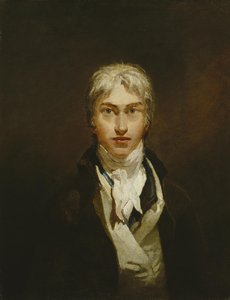
托纳
1775 - 1851 , 英国
艺术家简介
- Artistic Movement Or Style: 浪漫主义
- Artists Or Movements Influenced By This Artist: ['克劳德·洛林']
- Date Of Birth: 1775年4月23日
- Date Of Death: 1851年12月19日
- Full Name: 乔治·马尔洛德·威廉·托纳
- Nationality: 英国
- Notable Artworks:
- 泰梅尔炮船战斗图
- 蒂纳伯爵教堂运河
- 蒂纳伯爵废墟
- Place Of Birth: 伦敦,英国
相关文章

浪漫主义画派的十部巨作:定义风景画的艺术传奇
探索浪漫主义风景画的巅峰!本文精选十部经典名作,带您领略莫奈、库尔贝等大师的艺术魅力。感受色彩与光影的诗意,重温自然风光的震撼。OriginalUniqueArt.com为您提供博物馆级别的艺术复制品和个性化家居装饰方案。尽在OriginalUniqueArt.com!
浪漫主义艺术史上的十大巨作:情感、想象与美的永恒化
探索浪漫主义艺术的巅峰!本文精选十大名画,带您领略德拉克勒罗、柯罗等大师的情感与想象力。从色彩到技法,深入解读这些经典作品背后的故事。OriginalUniqueArt.com为您提供博物馆品质的艺术复制品和个性化家居装饰方案。立即探索全系列!

Neo-Classicism's Greatest Hits: 10 Masterpieces for Your Home |
Journey through Neo-Classicism's finest! Explore 10 iconic masterpieces by David, Ingres & Canova. Discover art history, techniques & timeless beauty – perfect for inspiring your home decor. Find museum-quality reproductions at
J.M.W. Turner: Light, Atmosphere & the Romantic Sublime
Explore the life & art of J.M.W. Turner, a master of Romantic landscape painting. Discover his innovative techniques, key works, and lasting influence on Impressionism. Find high-quality reproductions at OriginalUniqueArt.

Romantic Realism's Finest: 10 Masterpieces for Your Home | OriginalUniqueArt
Explore 10 defining masterpieces of Romantic Realism! Discover Courbet, Millet & Daumier's powerful paintings—capturing emotion and social realities. Find museum-quality reproductions for your home at OriginalUniqueArt.com.


