

 效果预览
效果预览
 购买印刷品
购买印刷品 分享
分享 分享
分享
 详情
详情

 下载
下载
 相似作品
相似作品 X射线
X射线 幻灯片播放
幻灯片播放Deal
 Acrylic On Canvas
- WallArt
- Romanticism
 1828
1828 16.0 x 23.0 cm
 利物浦国家博物馆
 展开详情
展开详情




P118B $10

P118H $10

P118W $10

P438Z $10

P508JH $12

P508YH $12

P805H $10

P805Z $10

P919BZ $10

P919G $10

P919XJ $10

P959ZH $10

P968JZ $12

W106C $8

W218G $10

W218JH $8

W218Y $10

W307PJ $10

W316G $10

W316PJ $8

W316Y $10

W398PJ $8

W4111J $10

W500HY $15

W500JH $15

W692G $12

W849H $8

W940BG $15

W953PJ $8




从与原作比例一致的预设尺寸中进行选择。

您可以输入自定义尺寸,以适配特定的画框或空间。如果所选尺寸与原图比例不符,我们将通过裁剪作品或添加手绘元素来扩展画面。数字样稿将在制作开始前发送给您确认。
请注意,屏幕预览无法准确反映实际的裁剪或扩展效果,只有样稿才能真实呈现最终的构图。
虽然我们提供定制尺寸服务,但为了保留原作比例,建议您从预设列表中选择尺寸。
下单后,OriginalUniqueArt.com 团队将通过电子邮件联系客户获取具体要求,并提供效果预览图。


 玻璃选项仅适用于110厘米以下的尺寸。

Deal
复制材质
复制品尺寸
-


最终总价
$ 300
作品详情
A Moment Frozen in Time: Turner’s ‘Deal’
Joseph Mallord William Turner (1775–1851), a luminary of light and arguably Britain's most influential Romantic painter, captured the sublime beauty of nature with unparalleled skill. His oeuvre transcends mere representation; it strives to convey feeling—a visceral response to the grandeur and drama inherent in the natural world. ‘Deal’ (1828), a watercolor landscape depicting sailing ships navigating Kent’s coastline, exemplifies this artistic philosophy perfectly. Published as part of “The Ports of England” series, abandoned before its completion due to financial constraints, this artwork nevertheless stands as a testament to Turner's unwavering dedication to his craft and his profound understanding of atmospheric perspective.Subject Matter & Composition
Turner meticulously rendered Deal Harbour, focusing on the interplay between sea and shore. Dominating the canvas is a large sailing vessel, partially submerged in turbulent waters—a visual metaphor for vulnerability against the forces of nature. Scattered around are smaller boats, reflecting the activity of maritime commerce and leisure. The artist’s keen observation extends beyond the immediate scene; he subtly incorporates distant hills and atmospheric haze to create an illusion of depth that transports the viewer into the very heart of the seascape.Technique & Style: Romantic Impressionism
Turner's mastery lies in his innovative technique—a blend of Romantic idealism and nascent Impressionistic principles. Unlike academic painters who prioritized precise detail, Turner embraced loose brushstrokes and vibrant color palettes to capture fleeting moments of light and emotion. The watercolor medium itself lends itself beautifully to conveying atmospheric effects; the translucent washes allow for subtle gradations of tone and hue, simulating the shimmering surface of the ocean and the diffused glow of twilight. This approach distinguishes ‘Deal’ from conventional landscape paintings of its time, positioning it as a precursor to Impressionism's focus on capturing sensory experience.Historical Context & Artistic Significance
‘Deal’ emerged during Turner’s formative years as an artist—a period marked by experimentation and a fervent desire to break free from established conventions. The Romantic movement championed emotion and imagination alongside reason, reacting against the rigid formalism of Neoclassicism. Turner's work embodies these ideals, reflecting the fascination with exploration and discovery that characterized the era. Furthermore, ‘Deal’ anticipates Impressionism’s groundbreaking emphasis on capturing light and color as subjective perceptions—a stylistic shift that would revolutionize painting and profoundly influence subsequent artistic developments.Symbolism & Emotional Impact
Beyond its visual beauty, ‘Deal’ resonates with deeper symbolic meanings. The sinking vessel serves as a reminder of humanity's insignificance in the face of overwhelming natural forces—a contemplation on mortality and impermanence. Simultaneously, the vibrant colors evoke feelings of exhilaration and wonder, mirroring the sublime experience of encountering untamed wilderness. Turner’s ability to elicit such emotional responses underscores his genius as an artist—his capacity to transform pigment and brushstrokes into conduits for profound psychological insight.Conclusion
‘Deal’ remains a captivating masterpiece, demonstrating Turner's unparalleled skill in capturing the essence of Romantic landscape painting. Its luminous watercolor technique, masterful composition, and evocative symbolism continue to inspire admiration and intrigue. Owning a high-quality reproduction offers an opportunity to immerse oneself in the artistic spirit of Turner—a celebration of beauty, drama, and the sublime power of nature.艺术家简介
The Luminary of Light: A Journey Through the Life and Art of J.M.W. Turner
Joseph Mallord William Turner, a name synonymous with the sublime power of landscape and the evocative dance of light, remains one of Britain’s most celebrated and influential artists. Born in Covent Garden, London, in 1775, Turner's journey from a barber’s son to a master painter was fueled by an innate talent, relentless dedication, and a visionary spirit that would forever alter the course of art history. From his earliest days sketching architectural details to his later, almost abstract explorations of atmosphere and color, Turner consistently pushed the boundaries of artistic expression. His formal training began at the Royal Academy Schools in 1789, where he quickly distinguished himself as a promising student. However, Turner was not content with merely replicating established styles; he sought to capture the very essence of nature – its raw power, its fleeting beauty, and its inherent drama. Early works reveal a meticulous attention to topographical detail, reflecting the prevailing artistic tastes of the time. Yet, even in these early pieces, hints of his future direction are visible—a sensitivity to light and shadow, a willingness to experiment with color, and an emerging fascination with the sublime. He was particularly drawn to the Romantic movement’s emphasis on emotion and imagination, rejecting the neoclassical preoccupation with reason and order.The Evolution of a Visionary: From Topography to Transcendence
Turner's artistic development was marked by constant experimentation and a growing desire to move beyond mere representation. Influenced by masters like Claude Lorrain and J.M.W. Cozens, he began to infuse his landscapes with a romantic sensibility, emphasizing emotional response over precise depiction. His travels throughout Europe, beginning in 1802, proved pivotal, exposing him to diverse landscapes and inspiring new approaches to composition and color. He wasn’t simply recording what he saw; he was interpreting it through the lens of his own unique vision. These expeditions broadened his artistic horizons and solidified his belief that art should strive for something beyond mere visual accuracy—a profound connection with the natural world and an expression of human emotion. The early 19th century witnessed a shift in Turner's style towards greater expressiveness. His seascapes, in particular, became increasingly dramatic, capturing the fury and majesty of the ocean with unprecedented intensity. Paintings like “The Fighting Temeraire Tugged to Her Last Berth to Be Broken Up” (1839) are not merely depictions of a ship being towed to its final resting place; they are poignant meditations on mortality, loss, and the relentless march of progress. The use of light in this work is particularly striking—a golden sunset casting a melancholic glow over the scene, symbolizing the passing of an era. Turner skillfully employed thick brushstrokes and vibrant colors to convey the turbulent energy of the sea and the solemn beauty of its twilight hours.A Master of Atmosphere: Light, Color, and the Sublime
Turner’s later works are characterized by an almost radical departure from traditional artistic conventions. He increasingly prioritized atmosphere and color over form and detail, creating paintings that seem to dissolve into pure light and energy. Works like “Rain, Steam and Speed – The Great Western Railway” (1844) exemplify this approach—a swirling vortex of color and motion that captures the dynamism of the industrial age. Critics were often baffled by these later works, but their influence on subsequent generations of artists would prove profound. He wasn’t simply painting landscapes; he was attempting to convey the very *feeling* of being in nature – the awe, the wonder, the terror. Turner's groundbreaking technique involved layering translucent washes of color over textured surfaces, achieving an ethereal quality that captured the essence of fleeting moments and subjective perceptions.He was a pioneer in exploring the effects of light and atmosphere, anticipating the Impressionists’ focus on capturing fleeting moments and subjective perceptions. His use of color was equally innovative—bold, vibrant hues applied with loose brushstrokes to create a sense of movement and energy. Turner's willingness to challenge conventions, his relentless experimentation, and his unwavering commitment to artistic vision continue to resonate with artists and art lovers today. He remains a pivotal figure in the development of modern art, a true visionary who transformed the way we see and experience the world around us. His works are housed in major museums worldwide, including the Tate Britain in London, where visitors can immerse themselves in the luminous beauty and profound emotional depth of his extraordinary paintings.
Notable Works & Collections
- The Morning After the Deluge (1843): A powerful depiction of nature’s forces, housed in the Tate Collection, London.
- Chichester Canal (1828): Commissioned by George Wyndham, currently at the Tate Collection.
- Ruins of Tintern Abbey: A stunning watercolor showcasing his mastery of light and atmosphere, found in the Calouste Gulbenkian Museum (Lisboa, Portugal).
- The Fighting Temeraire Tugged to Her Last Berth to Be Broken Up (1839): A poignant masterpiece exploring themes of loss and change.
- Rain, Steam and Speed – The Great Western Railway (1844): Capturing the dynamism of the industrial age with swirling color and motion.
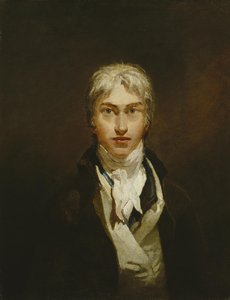
托纳
1775 - 1851 , 英国
艺术家简介
- Artistic Movement Or Style: 浪漫主义
- Artists Or Movements Influenced By This Artist: ['克劳德·洛林']
- Date Of Birth: 1775年4月23日
- Date Of Death: 1851年12月19日
- Full Name: 乔治·马尔洛德·威廉·托纳
- Nationality: 英国
- Notable Artworks:
- 泰梅尔炮船战斗图
- 蒂纳伯爵教堂运河
- 蒂纳伯爵废墟
- Place Of Birth: 伦敦,英国
相关文章

Watercolor Wonders: 10 Masterpieces That Redefined Art History | OriginalUniqueArt
Journey through 10 legendary watercolor masterpieces by Sargent, Turner & Homer! Explore iconic landscapes, portraits & floral art that redefined history. Find museum-quality reproductions and curated decor ideas at OriginalUniqueArt.com.

Ephemeral Visions: Exploring the Artistic Legacy & Contemporary Practice of Watercolor Painting
Explore the captivating world of watercolor painting! Discover its rich history, essential techniques, influential artists & collecting tips. A comprehensive guide for art enthusiasts from OriginalUniqueArt.

水彩艺术的流光溢彩:历史渊源、情感共鸣与现代实践
探索水彩艺术的流光溢彩!深入了解其历史渊源、大师技法与现代实践。提供专业的艺术咨询、定制油画服务,助您收藏和鉴赏优秀作品。OriginalUniqueArt.com – 您的艺术之选。

Ephemeral Visions: Exploring the Artistic Legacy & Nuances of Watercolor Painting
Explore the captivating world of watercolor painting! Discover its rich history, essential techniques, influential artists & collecting tips from art experts. A comprehensive guide for enthusiasts.

水彩艺术全攻略:从文艺复兴到现代的历史演变与创作秘诀,专为经典艺术爱好者打造
本指南深入探讨水彩艺术的历史演变与当代创作秘诀,结合文艺复兴、印象派及现代实验技术,为经典艺术爱好者提供专业绘画技巧、材料选择与收藏建议。凭借多年的学术研究和行业经验,我们为您呈现可信赖、价值导向的内容,让每位读者都能在水彩世界中获得灵感与实战能力。



