

 效果预览
效果预览
 分享
分享 分享
分享
 详情
详情

 下载
下载
 相似作品
相似作品 X射线
X射线 幻灯片播放
幻灯片播放 统计数据
统计数据Mr. Oldham and his Friends
 Oil On Canvas
- WallArt
- Rococo Period
 1750
1750- Early Modern
 105.0 x 130.0 cm
 泰特不列颠美术馆
 展开详情
展开详情
艺术微喷/版画
博物馆级艺术微喷或帆布版画,制作高效,并提供多种饰面选择。 ( 购买手绘画作 切换至数字图像销售渠道)




P118B $10

P118H $10

P118W $10

P438Z $10

P508JH $12

P508YH $12

P805H $10

P805Z $10

P919BZ $10

P919G $10

P919XJ $10

P959ZH $10

P968JZ $12

W106C $8

W218G $10

W218JH $8

W218Y $10

W307PJ $10

W316G $10

W316PJ $8

W316Y $10

W398PJ $8

W4111J $10

W500HY $15

W500JH $15

W692G $12

W849H $8

W940BG $15

W953PJ $8




从与原作比例一致的预设尺寸中进行选择。

您可以输入自定义尺寸,以适配特定的画框或空间。如果您选择的尺寸与原图比例不符,我们将对作品进行裁剪,或通过镜像填充/纯色填充边缘的方式来扩展图像。在开始制作之前,我们会向您发送一份数字效果图供您确认。
请注意,屏幕上的预览并不能反映实际的裁剪或扩展效果。只有效果图才能准确展示最终的构图。
虽然我们提供定制尺寸,但为了保持原图比例,我们建议您从预设列表中选择尺寸。


 玻璃选项仅适用于110厘米以下的尺寸。

Mr. Oldham and his Friends
艺术微喷/版画
复制品尺寸
-


最终总价
$ 80
A Glimpse into Georgian Camaraderie
In the soft, amber glow of an imagined mid-eighteenth-century evening, Joseph Highmore’s “Mr. Oldham and his Friends” invites the viewer to step into a world of refined leisure and quiet intellectual intimacy. Painted in 1750, this masterpiece serves as a window into the heart of Georgian England, capturing a moment that transcends mere portraiture to become a celebration of social bond and shared experience. The composition centers on four gentlemen gathered around a mahogany table, their relaxed postures and engaged expressions suggesting a conversation caught mid-sentence. There is an undeniable warmth in the scene; the subtle presence of wine glasses and a communal bowl hints at a ritual of conviviality, where the boundaries between formal status and personal friendship blur under the light of mutual respect.
Highmore, a painter who masterfully navigated the transition from the grandiosity of the Baroque to the delicate grace of the Rococo, utilizes this scene to showcase his profound ability to capture character. One gentleman, distinguished by a hat perched elegantly atop his head, adds a touch of aristocratic flair that anchors the group in their social stratum, yet the overall atmosphere remains remarkably accessible and human. For the collector or interior designer, this piece offers more than just a historical record; it provides an emotional anchor for a room, evoking a sense of timeless stability and the enduring value of companionship.
Mastery of Light and Texture
Technically, the painting is a triumph of chiaroscuro, a technique Highmore adapted from the great Baroque masters like Rembrandt to breathe life into his subjects. By employing dramatic contrasts between deep, velvety shadows and luminous highlights, he sculpts the figures, giving them a three-dimensional presence that feels almost tactile. This play of light does more than define form; it directs the eye through the narrative of the painting, drawing attention to the glint of glass, the rich grain of the wood, and the intricate folds of fine fabrics. The artist’s meticulous attention to detail—the way light catches the rim of a wine glass or the subtle texture of a gentleman's waistcoat—demonstrates a level of craftsmanship that elevates the work from a simple "conversation piece" to a profound study in materiality.
The Rococo influence is felt in the painting’s lighter, more graceful tonal palette, which avoids the heavy somberness of earlier eras in favor of an air of elegance. This delicate balance between shadow and light creates a psychological depth, suggesting that beneath the surface of this pleasant gathering lies a rich inner life and a history of shared secrets and intellectual pursuits. Such technical sophistication makes a high-quality reproduction of this work an exquisite addition to any curated collection, offering a sophisticated interplay of light and shadow that can transform the ambiance of a sophisticated study or a grand dining hall.
Symbolism and the Spirit of an Era
Beyond its aesthetic allure, “Mr. Oldham and his Friends” is steeped in the cultural symbolism of the 1750s. The very act of gathering around wine serves as a metaphor for the era's values: indulgence, pleasure, and the cultivation of taste. In the context of Georgian England, such scenes were not merely decorative but were statements of social identity. The painting subtly underscores the importance of patronage and the role of the landed gentry in fostering a culture of refinement and intellectual curiosity. The presence of the mahogany table—a luxury item of the period—further reinforces the themes of prosperity and the global reach of British commerce during this era.
For those looking to bring a piece of history into their contemporary spaces, this artwork offers a profound sense of continuity. It speaks to the universal human desire for connection and the beauty found in quiet, shared moments. Whether placed in a modern minimalist setting to provide a classical counterpoint or integrated into a traditional period room, Highmore’s work continues to resonate, offering an evocative narrative of friendship that remains as relevant today as it was two and a half centuries ago.
艺术家简介
一位献身于肖像与叙事的艺术家:约瑟夫·海摩尔
约瑟夫·海摩尔,1692年出生于伦敦,是18世纪英国艺术发展进程中的关键人物。他的艺术之路始于家族对法律事业的期望——一条他十七岁时毅然放弃的道路,转而全身心投入到他对绘画的热情之中。这一决定性的转变使他进入了戈德弗雷·奈勒爵士的工作室,并聆听威廉·切斯登教授的解剖学课程,这些基础经历塑造了他的技术技能和对人体的深刻理解。最初受到奈勒所代表的宏伟巴洛克传统的影响,海摩尔的风格逐渐拥抱了更细腻的洛可科美学,这种转变反映了席卷欧洲的广泛文化潮流。他不仅仅是一位画家;他是一位敏锐的社会观察者,他的画布成为了反映乔治时代英国的生活、习俗和道德关切的镜子。从皇家赞助到中产阶级委托
海摩尔早期的职业生涯受益于皇室圈内的赞助,尤其是在1730年代和40年代。这为他描绘像乔治二世国王以及著名的詹姆斯·沃尔夫将军等重要人物提供了机会——这些肖像不仅展示了他的技术实力,还表现出他捕捉人物性格和气场的能力。1732年至1734年间对荷兰和法国的游历进一步拓宽了他的艺术视野,使他接触到鲁本斯和凡·戴克等大师的作品。然而,海摩尔的适应能力是他持续成功的关键。随着品味的演变以及新兴中产阶级寻求代表性时,他巧妙地调整了自己的重点,迎合了他们对反映社会地位和家庭生活的肖像的需求。这一时期见证了他著名的“会话画”的兴起——描绘家人或朋友进行非正式聚会的集体肖像——海摩尔在这个类型中表现出色,能够同时传达个性和社交动态。这些作品不仅仅是外貌的记录;它们是凝固在时间中的叙事,为他的顾客提供了一窥他们日常生活的视角。例如,马修·贝尔先生展示了典型的洛可科现实主义尊严姿态,而像安东尼·海摩尔这样的肖像则展现了优雅的服装和永恒的构图。描绘美德:《帕梅拉》及其他
虽然以其肖像画而闻名,但约瑟夫·海摩尔通过一个独特的项目获得了广泛认可,该项目弥合了艺术与文学的世界。1744年,他开始创作一系列十二幅绘画,灵感来自塞缪尔·理查森广受欢迎的小说《帕梅拉,或美德的奖赏》。这些插图不仅仅是对文本的装饰性补充;它们是对关键场景的精心诠释,旨在增强故事的情感冲击和道德信息。由贝努瓦和路易·特鲁奇执行的基于这些绘画的版画进一步向更广泛的受众传播了理查森的故事,有效地使海摩尔成为普及小说的重要人物。除了《帕梅拉》之外,海摩尔还涉足历史绘画,例如他将哈加与以实玛利捐赠给孤儿医院——这证明了他的艺术技能以及他对当代社会问题的关注。这项工作,连同其他作品一起,表明了他愿意探索复杂的题材和叙事,超越肖像画的领域,反映出对社会脆弱性的深刻敏感性。现实主义与精致的遗产
1762年,海摩尔七十岁时退休到坎特伯里,在那里他与女儿和女婿一起生活,继续通过艺术历史著作参与智力活动——包括对鲁本斯作品的批判性研究。他在1780年去世,享年八十七岁,并按照旨在支持羊毛贸易的法令安葬。约瑟夫·海摩尔的遗产在于他对洛可科时期英国肖像画的重要贡献。他的绘画以非凡的细节关注、对个人性格的敏感性和捕捉乔治时代社会本质的能力为特征。他不仅仅是外貌的记录者;他是一位用绘画阐明那个时代的价值观和愿望的故事讲述者。- 家庭关系:苏珊娜·海摩尔(née希勒):他的妻子,一位主要作品未发表的诗人。
- 安东尼·海摩尔:他的儿子,也是一名艺术家。
- 安东尼·海摩尔二世:成为法律事务作家和社会活动家的孙子。
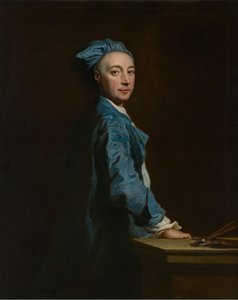
约瑟夫·海莫尔 (Yuē Sè Fú Hǎi Mò Ěr)
1692 - 1780
艺术家简介
- Artistic Movement Or Style: 洛可可风格
- Artists Or Movements Influenced By This Artist: ['乔治亚时期肖像画']
- Artists Who Influenced This Artist:
- 克内勒
- 鲁本斯
- 凡·戴克
- Date Of Birth: 1692年
- Date Of Death: 1780年
- Full Name: 约瑟夫·海莫尔
- Nationality: 英国国籍
- Notable Artworks:
- 《帕米拉插图》
- 《马修·贝尔先生》
- 《哈加尔与以实玛利》
- Place Of Birth (City And Country): 伦敦,英国
相关文章

The Allure of Elegance in Art: A Historical & Aesthetic Exploration of Refinement & Grace
Explore the exquisite world of Rococo art! Discover its history, masters (Watteau, Boucher & more), and defining elegance. Expert insights for collectors seeking museum-quality reproductions & custom portraits.

洛可可艺术史诗:十幅名作定义优雅与华彩
探索洛可可艺术的辉煌!本文精选十幅名作,从华丽色彩到精致细节,揭秘法国洛可可风格的魅力。跟随大师们的足迹,感受艺术史上的优雅与浪漫。OriginalUniqueArt.com为您提供博物馆品质的艺术复制品和个性化家居装饰方案。尽在OriginalUniqueArt.com!

洛可可美学:18世纪艺术中的奢华、反叛与愉悦追求
深入探索18世纪洛可可艺术的奢华与反叛。了解其风格特征、代表画家及其作品,以及对后世艺术的影响。OriginalUniqueArt提供精美手绘油画复制品和专业艺术咨询服务。
Cultivating Ambiance: A Curatorial Guide to Art Selection for Wine Cellars and Tasting Rooms – Enhancing Oenological Experience Through Landscape, Symbolism, and Interior Harmony
Elevate your wine cellar or tasting room with curated art! Expert guidance on landscape paintings, symbolism & lighting to enhance the oenological experience. Discover how art transforms spaces and tells your winery's story.

Joseph Highmore: Moral Tales & Domestic Genre in 18th-Century British Art
Explore the captivating world of Joseph Highmore, a leading British Rococo painter. Discover his elegant portraits, insightful 'Pamela' illustrations & contributions to 18th-century art history. Learn more at OriginalUniqueArt.