
 分享
分享 分享
分享
 详情
详情 指南
指南

 下载作品
下载作品
 相似作品
相似作品 幻灯片播放
幻灯片播放 问答
问答 统计数据
统计数据The Republic


 展开全文
展开全文
艺术微喷/版画
博物馆级艺术微喷或帆布版画,制作高效,并提供多种饰面选择。 ( 订购纯手工绘制画作 切换至数字图像销售渠道)




































您可以从与原作比例一致的预设尺寸中进行选择。

请输入您所需的宽度和高度,以适配您的画框或墙面。由于印刷品只能进行裁剪,无法超出原图尺寸,因此若比例不一致,画面的一部分将会被裁切。在正式印刷之前,我们会为您发送一份数字效果图供您确认。本页面显示的图片并非最终裁剪后的效果——只有效果图才能展示真实的裁剪情况。


 玻璃选项仅适用于110厘米以下的尺寸。

The Republic
艺术微喷/版画
复刻品尺寸
-


最终结算价
¥ 543
艺术家简介
Joseph Chinard: A Neoclassical Sculptor Bridging Naturalism and Sentiment
- Early Life and Training (1756-1784): Joseph Chinard was born in Lyon, France, in 1756. His artistic journey began with training as a painter at the government-supported École Royale de Dessin in Lyon. He subsequently studied sculpture locally before attracting the patronage of a benefactor who facilitated his travel to Rome in 1784.
- Roman Period and Early Recognition (1784-1792): Chinard's time in Rome proved pivotal. He diligently produced copies of classical antiquities, demonstrating his burgeoning skill and appreciation for the Roman artistic heritage. His participation in the Accademia di San Luca resulted in a prestigious prize – a terracotta sculpture of Perseus and Andromeda, which remains within their collection. This achievement marked him as an exceptional talent, particularly noteworthy for a non-Italian artist.
- Revolutionary Turmoil and Return to Dijon (1791-1800): Chinard's second sojourn in Rome coincided with the French Revolution. His revolutionary sympathies led to his temporary internment in Castel Sant’Angelo in 1791 due to concerns over a terracotta model for a candelabrum base depicting Apollo trampling superstition – an act deemed subversive by authorities. Following his release and expulsion from Rome in December 1792, he settled in Dijon.
- Salon Exhibitions and Portraiture (1800-1813): Chinard gained further recognition through exhibitions at the Salon. His marble bust of Madame de Verninac was first displayed in plaster at the 1800 Salon, followed by a marble version in 1808. Notably, he sculpted a bust of Juliette Récamier, now held by the J. Paul Getty Museum, which achieved considerable fame and was reproduced in marble. While primarily based between Lyon and Italy, Chinard occasionally visited Paris to showcase his work.
- Style, Influences, and Legacy: Chinard’s style is characterized by a neoclassical foundation infused with naturalism and sentiment. His Roman experiences profoundly influenced his artistic vision, evident in the classical motifs and forms present in his sculptures. However, he distinguished himself through an ability to imbue his works with emotional depth and realistic detail, moving beyond mere imitation of antiquity. His terracotta family allegories, adapting funeral monument conventions, presented intimate portrayals of familial affection. Though much of his public sculpture in Lyon was lost during the Revolution, interest in Chinard was revived with a retrospective at the Musée des Arts Décoratifs in Paris (1909-10). His works can be found in prominent collections including the Louvre, the Musée des Beaux-Arts de Lyon, the Metropolitan Museum of Art, and the National Gallery of Art.
Key Works
- Perseus and Andromeda: A terracotta sculpture demonstrating his early talent and Roman influence. View Artwork
- Juliette Récamier (left profile): A marble bust showcasing his skill in portraiture and capturing the essence of a prominent figure. View Artwork
- Terra Cotta Bust of Pierre-Pomponne-Amédée Pocholle: A commissioned work demonstrating his ability to capture likeness and commemorate public figures.
Further Exploration
- Learn more about Joseph Chinard on our artist page: View Artist Page

Joseph Chinard
1756 - 1813 , France
艺术家简介
- Full Name: Joseph Chinard
- Nationality: French
- Date Of Birth: 1756
- Date Of Death: 1813
- Place Of Birth: Lyon, France
- Notable Artworks:
- Perseus and Andromeda
- Juliette Récamier (left profile)
- Artistic Movement Or Style: Neoclassical, Naturalism
- Artists Who Influenced This Artist: ['Roman Antiquities']
相关文章

Bronze Age to Modern Masters: 10 Sculptures That Redefined Art | OriginalUniqueArt
Journey through art history with 10 legendary bronze sculptures – from Michelangelo's David to Rodin’s Thinker. Explore the stories, techniques & timeless beauty of these masterpieces. Find museum-quality reproductions & elevate your home decor on OriginalUniqueArt.com.

Bronze Sculptures That Defined Art History | OriginalUniqueArt
Journey through art history with our Top 10 bronze sculptures! Explore masterpieces by Rodin, Michelangelo & more. Discover stories behind iconic statues and find museum-quality reproductions for your home decor at OriginalUniqueArt.com.

The Enduring Allure of Marble in Art History: From Classical Sculpture to Modern Abstraction
Explore the captivating history of marble sculpture from ancient Greece to modern art. Discover renowned artists like Canova & Michelangelo, carving techniques, and investment insights at OriginalUniqueArt.

Timeless Elegance: A Complete Guide to the Sublime Beauty and Artistry of Marble Sculpture
Discover the sublime beauty of marble art through an expert exploration of Renaissance and Neoclassical masterpieces. From the delicate textures of Carpeaux to the grandeur of Sansovino, immerse yourself in a guide to timeless elegance and sculptural perfection.
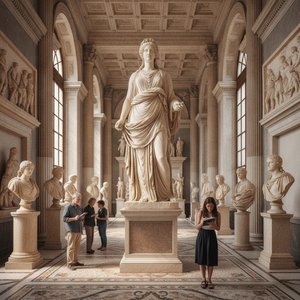
Timeless Grandeur: Exploring the Eternal Beauty and Art-Historical Legacy of Marble Sculpture
Explore the profound legacy of marble sculpture, from Classical antiquity to Neoclassical mastery. A definitive guide for elite collectors and designers seeking to integrate the luminous, eternal beauty of stone into sophisticated, high-end architectural spaces.