

 实景预览
实景预览
 发送
发送 分享
分享
 详情
详情 指南
指南

 下载图片
下载图片
 相似作品
相似作品 X射线
X射线 幻灯片播放
幻灯片播放 统计数据
统计数据Actresses
 Acrylic On Paper
- Neo-Dada
 1958
1958 21.0 x 29.0 cm
 泰特现代美术馆
 阅读全文
阅读全文
艺术微喷/版画
博物馆级艺术微喷或帆布版画,制作高效,并提供多种饰面选择。 ( 订购此收藏品的纯手工复刻画作 切换至数字图像销售渠道)




P118B ¥10

P118H ¥10

P118W ¥10

P438Z ¥10

P508JH ¥12

P508YH ¥12

P805H ¥10

P805Z ¥10

P919BZ ¥10

P919G ¥10

P919XJ ¥10

P959ZH ¥10

P968JZ ¥12

W106C ¥8

W218G ¥10

W218JH ¥8

W218Y ¥10

W307PJ ¥10

W316G ¥10

W316PJ ¥8

W316Y ¥10

W398PJ ¥8

W4111J ¥10

W500HY ¥15

W500JH ¥15

W692G ¥12

W849H ¥8

W940BG ¥15

W953PJ ¥8




您可以从与原作比例一致的预设尺寸中进行选择。

请输入您所需的宽度和高度,以适配您的画框或墙面。由于印刷品只能进行裁剪,无法超出原图尺寸,因此若比例不一致,画面的一部分将会被裁切。在正式印刷之前,我们会为您发送一份数字效果图供您确认。本页面显示的图片并非最终裁剪后的效果——只有效果图才能展示真实的裁剪情况。


 玻璃选项仅适用于110厘米以下的尺寸。

Actresses
艺术微喷/版画
复刻品尺寸说明
-


总计金额
¥ 538
The Weight of Performance: Joseph Beuys’s “Actresses”
Joseph Beuys's "Actresses," rendered in 1958 on a deceptively simple pale beige background, isn’t merely a sketch; it’s a distilled essence of performance, vulnerability, and the potent symbolism inherent within the human form. This preparatory drawing, a glimpse into the mind of one of the 20th century's most radical artists, immediately draws the viewer in with its loose, gestural lines – a deliberate rejection of rigid representation in favor of capturing a fleeting moment of embodied expression. The two figures, presented in profile and seemingly caught mid-movement, possess an immediate theatricality, hinting at dancers, performers, or perhaps even the silent drama of everyday life. Beuys wasn’t interested in replicating reality; he sought to translate feeling onto paper, imbuing his subjects with a palpable sense of energy and contained emotion.
Composition and Technique: A Study in Movement
The composition is strikingly asymmetrical, defying traditional notions of balance. The figures aren’t centered within the frame, instead occupying distinct points that create a dynamic imbalance—a visual representation of movement itself. Vertical lines, subtly introduced from the top edge, provide an anchor and structure to this otherwise fluid arrangement, preventing the drawing from dissolving into pure abstraction. Beuys's technique is characterized by a masterful use of hatching and cross-hatching, skillfully employed to build volume and shadow without resorting to precise shading. The loose, sketchy lines, rendered with charcoal or graphite, contribute significantly to the overall sense of spontaneity and immediacy—as if the artist were capturing a fleeting impression rather than meticulously crafting a finished image. Notice how he uses varying line weights to emphasize certain areas, drawing attention to the contours of the figures’ limbs and torsos.
Color Palette and Symbolism: Earthy Echoes
The muted color palette—dominated by earthy browns, ochres, and subtle touches of purple—reinforces the drawing's emotional depth. The beige background acts as a neutral canvas, allowing the figures to command attention without distraction. The small area of mauve on one figure introduces an element of mystery or perhaps even melancholy, hinting at hidden emotions beneath the surface. Beyond mere color choices, Beuys’s use of earth tones speaks to a deep connection with nature and the primal roots of human experience. Considering his later work focused heavily on social sculpture and the integration of art into everyday life, this grounding in natural materials and forms is profoundly significant. The elongated figures themselves can be interpreted as symbols of theatricality—a deliberate exaggeration that highlights the performative aspect of existence.
Historical Context and Artistic Influence
“Actresses” was created during a period of immense social and political upheaval in post-war Germany, a time when artists were grappling with questions of identity, purpose, and the role of art in society. Beuys’s work reflects this broader context, aligning with the burgeoning Expressionist movement and foreshadowing the rise of Fluxus and other avant-garde artistic practices. The drawing's emphasis on gesture and emotion anticipates the performance art that would become increasingly prominent in the latter half of the 20th century. Furthermore, it shares affinities with Surrealism, particularly in its exploration of the subconscious and its use of symbolic imagery. It’s worth noting that Beuys himself was deeply influenced by Carl Linnaeus's *Systema Naturae*, a book he rescued from a Nazi book burning—an event that profoundly shaped his artistic philosophy and his belief in art as a tool for social transformation. The drawing, therefore, can be seen as a meditation on the fragility of existence and the enduring power of human connection.
This preparatory sketch offers a rare glimpse into the creative process of one of the 20th century’s most visionary artists. “Actresses” is more than just a drawing; it's a testament to Beuys’s profound understanding of the human condition and his unwavering commitment to exploring the transformative potential of art.
艺术家简介
在社会中雕琢的一生
约瑟夫·博伊斯(Joseph Beuys),这个名字本身就是艺术边界扩张的代名词。他不仅仅是一位艺术家,更是一位远见卓识的思想家,坚信创造力是实现社会变革的关键。1921年出生于德国克雷费尔德,他的生命轨迹在巨大的政治与社会动荡背景下展开,这些动荡深刻地塑造了他的艺术哲学。从充满迁徙色彩的童年,到早期接触自然科学以及纳粹主义初现的阴影——其中一个标志性事件是他从焚书行动中抢救出了卡尔·林奈的《自然系统》(*Systema Naturae*)——博伊斯由此培养了对生命脆弱性的敏锐感知,以及对象征性行为力量的深刻理解。他的成长岁月沉浸在跨越音乐、神话与历史的求知欲中,为他日后多元化的艺术实践奠定了基础。尽管青少年时期曾短暂参与希特勒青年团(这在当时的德国青年中是普遍现象),但博伊斯的生命轨迹最终却走向了挑战既定规范,并倡导通过艺术来实现激进社会变革的道路。战争的熔炉与图像学的诞生
第二次世界大战成为了博伊斯生命中一个关键、甚至带有神话色彩的转折点。1941年,他志愿加入德国空军,并在1944年的克里米亚经历了一场几乎致命的坠机事故。从这次事件中流传出的故事——关于他被鞑靼部落成员救起,并用毛毡和油脂包裹破碎的身躯以保持温暖并促进愈合——成为了他艺术身份的核心。尽管历史记载对这一叙事的细节存在争议,但博伊斯将其视为一种基础性的神话,赋予了这些材料深邃的象征意义。毛毡代表着保护、隔绝与自然的连接;而油脂则象征着能量、治愈与转化。这些元素成为了他作品中反复出现的母题,作为人类生存状态及重生潜力的有力隐喻。战后,博伊斯在杜塞尔多夫美术学院正式学习雕塑,但真正点燃其艺术愿景的,是他对鲁道夫·施泰纳(Rudolf Steiner)所创立的人智学(Anthroposophy)精神哲学的钻研。社会雕塑:作为革命力量的艺术
博伊斯对艺术史最重大的贡献,莫过于他提出的“社会雕塑”(*Soziale Plastik*)概念。这绝非仅仅关乎创造物理客体,而是一种整体性的愿景,即创造力在塑造社会与政治中扮演着至关重要的角色。他相信每个人都拥有创造潜能,且这种潜能可以通过参与来释放——从而模糊了艺术家、艺术品与观众之间的界限。社会雕塑并不局限于画廊或博物馆,它延伸到了日常生活之中,涵盖了政治行动、教育倡议以及公共表演。他构想了一种“总体的艺术作品”(*Gesamtkunstwerk*),在这种愿景下,人类存在的方方面面都可以通过创造性的参与来促进积极的社会变革。这一哲学支撑着他众多的行为艺术、装置作品及教学实践,挑战了艺术家作为孤独创造者的传统角色,转而将其定位为集体变革的催化剂。行为、材料与政治参与
博伊斯的艺术实践极其丰富多样,涵盖了行为艺术、装置、素描、雕塑以及政治行动主义。他的表演往往具有仪式感,涉及与公众的直接互动及对非常规材料的使用。其标志性的作品如他在多次行动中穿着的毛毡外套,象征着温暖、保护以及与原始自然的连接。油脂装置探索了能量、治愈与转化的主题;而诸如《我喜欢学习》(1965)之类的行为艺术——他坐在画廊窗前,身旁放着石头与蜂蜜,以此邀请对话——则强调了知识共享与开放沟通的重要性。像《闪电与鹿的凝视》这样的雕塑作品,展现了原始力量与人类意识的碰撞。除了艺术创作,博伊斯还积极参与政治辩论,在第7届卡塞尔文献展(documenta 7)上创立了“自由国际区”(FIZ)——一个用于艺术实验与社会对话的空间——并成为了德国绿党的坚定支持者。永恒的遗产
约瑟夫·博伊斯于1986年逝世,但他留下的遗产至今仍在激励着艺术家、活动家和思想家。他彻底挑战了关于创造力与作者身份的传统观念,强调参与感与社会介入。他的作品将艺术的定义从审美范畴扩展到了政治、环境与精神维度。他的“社会雕塑”概念在今天依然具有深远的意义,它敦促我们去发掘内在的创造潜能,并积极参与到构建一个更公正、更可持续的未来之中。博伊斯不仅仅是一位艺术家;他是一位关于可能性的先知,提醒着我们:艺术不仅拥有反映社会的力量,更拥有改变社会的力量。
约瑟夫·博伊斯
1921 - 1986 , 德国
快速概览
- Artistic Movement Or Style: 激浪派, 行为艺术
- Artists Or Movements Influenced By This Artist:
- 行为艺术
- 社会雕塑
- Artists Who Influenced This Artist:
- 鲁道夫·施泰纳
- 阿基里斯·莫特加特
- Date Of Birth: 1921年
- Date Of Death: 1986年
- Full Name: 约瑟夫·博伊斯
- Nationality: 德国
- Notable Artworks:
- 与约瑟夫·博伊斯的研讨会
- 关于...的一个真实故事
- 我喜欢学习
- 闪电与鹿
- 毛毡服
- 油脂装置
- Place Of Birth: 德国克雷费尔德
相关文章
Mastering Graphite Pencil: The Art of Precision, Shadow, and the Alchemy of Carbon
Explore the profound mastery of graphite pencil art. From the historical alchemy of carbon to advanced chiaroscuro techniques, learn to navigate grades and shadows like a master. Discover the precision and depth that define the world's most iconic drawings.
The Power of Graphite: Mastering Depth, Texture, and Detail in the Art of Pencil Drawing
Explore the profound artistry of graphite drawing. Discover professional techniques for mastering depth, texture, and detail through a lens of art history, from classical sketches to modern masterpieces. Elevate your understanding of the pencil medium with our expert guide.
The Eloquent Line: Exploring the Artistic Significance of Sketches Across Movements and Media
Explore the profound artistic significance of sketches throughout history. From Renaissance masters to modern innovators like Van Gogh & Guston, discover how these foundational works reveal technique, emotion, and vision. Learn more at OriginalUniqueArt.
The Alchemy of Carbon: Mastering Depth, Texture, and Precision in the Art of Graphite Drawing
Discover the sophisticated mastery of graphite drawing. Explore expert techniques for achieving profound depth, intricate texture, and hyper-realistic detail through the alchemy of carbon, curated for the discerning art enthusiast and professional collector.
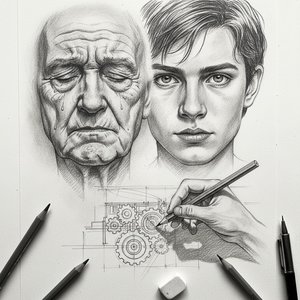
The Nuances of Graphite: Exploring Emotional Depth & Technical Mastery in Pencil Drawing
Explore the captivating world of graphite drawing! Discover its rich history, master essential techniques like chiaroscuro, and learn how artists evoke emotion through this timeless medium. Expert insights for art enthusiasts.