
 实景预览
实景预览
 切换至版画销售渠道
 分享
分享 分享
分享
 详情
详情 指南
指南

 下载作品
下载作品
 相似作品
相似作品 X射线
X射线 幻灯片播放
幻灯片播放 Q&A
Q&A 统计数据
统计数据Tocando el violin

 展开全文
展开全文
获取远超网页预览效果的印刷级文件。我们销售的每一张数字图像均源自库存数据库中的高分辨率母版——宽度通常在 5,000 至 15,000 像素之间——因此您可以放心地进行大幅打印、局部裁剪或还原细腻的细节。
每一件作品在离开我们的工作室前都经过了精心的处理。数字影像专家会对照原作核对色彩,并在必要时进行校正,随后利用专业修图工具提升清晰度与细节表现——且始终忠实于艺术家的笔触与风格。最终呈现的图像宛如原作本身,而非仅仅是一张加了滤镜的扫描件。
您可以在最终定稿前进行审核:我们的专家将在 72 小时内通过电子邮件向您发送图像以供审阅。如果不满意?您可以要求改进或修正;若质量未达预期,亦可申请退款。
这也是出版商、设计工作室、画廊及印刷厂所信赖的品质。
每份数字图像订单均包含的内容
专业级数字交付,品质保障
选择 OriginalUniqueArt.com,您获得的不仅仅是一张图像——您收到的是经过专业级增强、精雕细琢的数字艺术作品,并享有满意保证。以下是您的订单中自动包含的所有内容:

邮件即时送达
您的高分辨率数字图像文件将在下单后 72 小时内通过电子邮件发送给您 —— 即可立即使用。

AI 增强型数字文件
您的艺术品经过专业优化,结合先进的 AI 技术与人工修饰,确保呈现极致的细节、清晰度与色彩准确度。

终身免费重发服务
不小心删除了文件或找不到了?没关系——我们将随时为您免费重发。

无需进口税费,始终如一
即刻拥有您的艺术作品,无需支付任何关税、税费或运费——数字下载始终免税。

色彩精准保障
我们通过专业工具与色彩管理技术,确保您的数字图像尽可能真实地还原原作色彩。

100天满意保证
如果您对所购数字图像不满意,我们将在100天内为您进行修改或提供100%的全额退款——无需任何理由。

100% 退款保证
不满意?在收到数字文件后的100天内,您可以申请全额退款——无需任何理由。

批量订购优惠
购买 3 张享 10% 折扣 - 购买 5 张享 15% 折扣 - 购买 10 张以上享 20% 折扣。非常适合创意项目、画廊及机构使用。
Tocando el Violín: A Glimpse into 19th Century Spanish Life
José Jiménez Aranda's "Tocando el Violín" (Playing the Violin) offers a captivating window into 19th-century Spain, showcasing a moment of intimate musical performance within a richly detailed domestic setting. This work exemplifies the *costumbrista* genre, which flourished in Spain during this period, focusing on depicting everyday life and customs with realism and charm.
Subject and Composition
The painting's central figure is a man engrossed in playing the violin. He’s dressed in an elaborate costume featuring a vibrant, patterned design – suggesting perhaps a festive occasion or theatrical performance. The composition is carefully balanced; the musician stands before a bookshelf overflowing with volumes, hinting at intellectual pursuits and a cultured environment. The arrangement of books, some closer to the viewer and others receding into the background, creates depth within the scene. His focused gaze and posture convey a sense of dedication and passion for his music.
Style and Technique
Jiménez Aranda’s style is heavily influenced by masters like Goya and Velázquez, as evidenced in his meticulous attention to detail and skillful rendering of textures. The painting demonstrates a realistic approach, capturing the nuances of light and shadow on the man's face and costume. While the exact medium isn't explicitly stated, it is likely executed in oil paint, allowing for rich color saturation and subtle gradations that contribute to the overall realism. His training at the Royal Academy of Fine Arts of Saint Elizabeth of Hungary in Seville further honed his technical skills.
Historical Context and Influences
“Tocando el Violín” was created during a period of significant artistic exchange between Spain, France, and Italy. Jiménez Aranda’s travels to Rome and Paris exposed him to the works of Mariano Fortuny, whose influence is evident in the painting's elegant composition and attention to detail. The *costumbrista* movement itself reflected a growing interest in documenting Spanish culture and traditions during a time of social and political change. The popularity of depicting scenes of daily life allowed artists like Jiménez Aranda to explore themes of national identity and cultural heritage.
Emotional Impact and Symbolism
Beyond its technical merits, "Tocando el Violín" evokes a sense of quiet contemplation and refined leisure. The musician's absorption in his music creates an atmosphere of intimacy and tranquility. The presence of the books suggests intellectual curiosity and a connection to knowledge. The vibrant costume hints at celebration and perhaps even a touch of theatricality. Overall, the painting offers a poignant glimpse into a bygone era, celebrating both artistic skill and the simple pleasures of life.
About José Jiménez Aranda
- Birth: Seville, Spain, 1837
- Death: 1903
- Training: Real Academia de Bellas Artes de Santa Isabel de Hungría (Seville), Museo del Prado (Madrid)
- Style: *Costumbrista*, influenced by Fortuny, Goya, and Velázquez.
- Known For: Costumbrista scenes, bullfighting depictions, and works inspired by the 18th century.
常见问题与解答
何塞·希梅内斯·阿兰达 的《Tocando el violin》 中哪些颜色占据主导地位?
"Tocando el violin" 的色彩基调由以 Black (#0b0903) 为主的 Earthy 色系构成。
"Tocando el violin" 的画幅比例是多少?
何塞·希梅内斯·阿兰达 的《Tocando el violin》 是一幅 Portrait 构图的作品。在选择打印尺寸之前,建议先确认其比例。
何塞·希梅内斯·阿兰达 的《Tocando el violin》中的主导色调是什么?
Ochre to Sepia 色调贯穿了 何塞·希梅内斯·阿兰达 的《Tocando el violin》。
艺术家简介
光影交织的一生
何塞·希门尼斯·阿兰达,1837年生于充满活力的塞维利亚,是一位在十九世纪西班牙艺术复杂潮流中游刃有余的画家。他短暂而充实的一生跨越了社会、政治和艺术深刻变革的六十年,他的作品正是对这一动态时代的有力反映。从严谨的学院训练到拥抱戈雅和委拉斯开兹等大师的影响,再到后来受到马里亚诺·福尔图尼倡导的光辉场景启发,阿兰达的艺术之旅充满了持续的演变。他不仅仅是那个时代的记录者,更是一位诠释者,以同等的技巧捕捉历史时刻的宏伟壮丽和日常生活的宁静亲密。1892年失去妻子和女儿的悲剧在他后半生投下了长长的阴影,促使他回到塞维利亚,在那里他致力于教学并继续完善其独特的风格,为西班牙艺术史留下了深刻的遗产。早期岁月与艺术朝圣
阿兰达的艺术倾向从小就得到培养,最初接受了曼努埃尔·卡布拉尔和爱德华多·卡诺·德·佩尼亚的指导。这种基础训练在他1851年进入塞维利亚皇家美术学院(Real Academia de Bellas Artes de Santa Isabel de Hungría)时至关重要。学院为他提供了古典技巧的严格训练,但随后的旅行真正点燃了他的艺术视野。一个关键时刻是他1871年至1878年在罗马的长期逗留,在那里他接触到了马里亚诺·福尔图尼的作品。福尔图尼的影响在他这一时期的绘画中显而易见——对光辉色彩、一丝不苟的细节和经常以历史背景为场景的优雅场面的共同迷恋。这不仅仅是模仿;阿兰达吸收了福尔图尼的技术并将其调整到自己的感性之中。然而,在罗马之前,他曾在马德里的普拉多博物馆沉浸在西班牙艺术的杰作中,以敏锐的眼光研究戈雅和委拉斯开兹的作品。这些大师在他心中灌输了对戏剧性照明、心理深度和观察力的欣赏——这些品质将成为他自己风格的标志。他还曾在赫雷斯·德拉弗龙特拉作为修复师和彩色玻璃设计师度过一段时间,进一步磨练了他的技术技能并培养了他对色彩和构图的深刻理解。巴黎精修与风俗画愿景
阿兰达在巴黎(1881-1890)的岁月无疑是他职业生涯中最成功的时期。他专门从事所谓的“tableautin”绘画——小规模的类型场景,经常以一种让人联想到福尔图尼的精致优雅来描绘十八世纪的生活。这些作品受到收藏家的青睐,确立了阿兰达作为一位熟练而成熟画家的声誉。然而,回到马德里后,他的艺术重点发生了转变。他开始探索*风俗画*(costumbrismo),一种独特的西班牙类型,专注于描绘人民的习俗、传统和日常生活。1890年的《一场灾难》(Una Desgracia)等作品展示了这一新的方向——一幅以现实主义和情感深度相结合的方式描绘人类苦难的感人肖像。这项工作为他在国家展览中赢得了第一枚奖章,巩固了他作为西班牙艺术领军人物的地位。这是一种从纯粹装饰向更具社会意识表现形式的转变,反映了对当代西班牙现实日益增长的关注。不朽的遗产:唐吉诃德及其他
阿兰达在其职业生涯中创作了无数绘画——例如1870年的充满活力的斗牛场景《公牛场上一击》(A Pass in the Bullring)、如1897年左右富有洞察力的社会评论《待售奴隶》(Slave for Sale)——但也许是他为唐吉诃德三百年纪念版所做的插图代表了他最雄心勃勃和持久的成就。他为这个项目创作了令人难以置信的689幅重点绘画,这是一项巨大的事业,不仅展示了他的技术精湛,也展示了他对塞万提斯杰作的深刻理解。这些插图不仅仅是对文本的简单补充;它们是诠释——生动、富有表现力的标志性场景和人物的描绘,捕捉了小说的精神。除了《唐吉诃德》之外,阿兰达还致力于在回到他的出生地塞维利亚后在美术学院任教,培养了一代新的西班牙艺术家,包括丹尼尔·巴斯克斯·迪亚兹、尤金尼奥·埃尔莫索、里卡多·洛佩兹·卡布雷拉、曼努埃尔·冈萨雷斯·桑托斯和桑斯·阿里兹门迪。他的影响超越了他自己的艺术创作,塑造了西班牙绘画的进程多年。他成为阿卡拉德瓜代拉风景画派的关键人物,进一步丰富了西班牙的艺术景观。持久的意义
何塞·希门尼斯·阿兰达的遗产在于其作品的广度和深度——从受福尔图尼影响的历史优雅场景到根植于*风俗画*中对日常生活的深刻描绘。他是一位技术大师,以他对细节的细致关注、精致的笔触和捕捉西班牙文化精髓的能力而闻名。他对《唐吉诃德》的插图证明了他的多才多艺和艺术视野,巩固了他作为十九世纪西班牙重要人物的地位。虽然今天可能不如一些同时代的人那样广为人知,但阿兰达的绘画继续以其美丽、敏感性和持久的相关性吸引着观众——对一生致力于追求艺术卓越的持久致敬。他将技术技巧与情感深度相结合的能力确保了他的作品将继续激励和引起几代人的共鸣。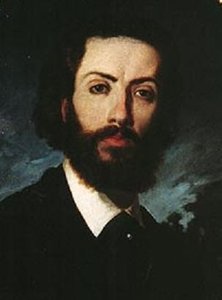
何塞·希梅内斯·阿兰达
1837 - 1903 , 西班牙
基本信息
- Artistic Movement Or Style: 风俗画、类型画
- Artists Or Movements Influenced By This Artist:
- 丹尼尔·巴斯克斯·迪亚兹
- 尤金尼奥·埃尔莫索
- Artists Who Influenced This Artist:
- 戈雅
- 委拉斯开兹
- 福尔图尼
- Date Of Birth: 1837年
- Date Of Death: 1903年
- Full Name: 何塞·希梅内斯·阿兰达
- Nationality: 西班牙国籍
- Notable Artworks:
- 一场灾难
- 唐吉诃德插图
- 斗牛场景
- 女子肖像
- Place Of Birth (City And Country): 西班牙塞维利亚