

 实景预览
实景预览
 发送
发送 分享
分享
 详情
详情 指南
指南

 下载图片
下载图片
 相似作品
相似作品 X射线
X射线 幻灯片播放
幻灯片播放 统计数据
统计数据The Shooting Party
 Acrylic On Canvas
- WallArt
- Georgian Sporting Art
 1740
1740 88.0 x 74.0 cm
 皇家收藏馆
皇家收藏馆
 阅读全文
阅读全文
艺术微喷/版画
博物馆级艺术微喷或帆布版画,制作高效,并提供多种饰面选择。 ( 订购此收藏品的纯手工复刻画作 切换至数字图像销售渠道)




P118B ¥10

P118H ¥10

P118W ¥10

P438Z ¥10

P508JH ¥12

P508YH ¥12

P805H ¥10

P805Z ¥10

P919BZ ¥10

P919G ¥10

P919XJ ¥10

P959ZH ¥10

P968JZ ¥12

W106C ¥8

W218G ¥10

W218JH ¥8

W218Y ¥10

W307PJ ¥10

W316G ¥10

W316PJ ¥8

W316Y ¥10

W398PJ ¥8

W4111J ¥10

W500HY ¥15

W500JH ¥15

W692G ¥12

W849H ¥8

W940BG ¥15

W953PJ ¥8




您可以从与原作比例一致的预设尺寸中进行选择。

请输入您所需的宽度和高度,以适配您的画框或墙面。由于印刷品只能进行裁剪,无法超出原图尺寸,因此若比例不一致,画面的一部分将会被裁切。在正式印刷之前,我们会为您发送一份数字效果图供您确认。本页面显示的图片并非最终裁剪后的效果——只有效果图才能展示真实的裁剪情况。


 玻璃选项仅适用于110厘米以下的尺寸。

The Shooting Party
艺术微喷/版画
复刻品尺寸说明
-


总计金额
¥ 538
A Sporting Masterpiece: John Wootton’s “The Shooting Party”
John Wootton's "The Shooting Party," painted around 1740, isn’t merely a depiction of a hunting scene; it’s a meticulously crafted tableau of aristocratic leisure and the burgeoning social dynamics of Georgian England. This remarkable work, now housed in prestigious collections worldwide, offers a captivating glimpse into a world of privilege, tradition, and subtle power plays, all rendered with an unparalleled sensitivity to light, texture, and human character.
The painting immediately draws the eye with its carefully orchestrated composition. A group of gentlemen – identifiable as Frederick, Prince of Wales; Horace Walpole, the famed writer; and the Duke of Queensberry – are gathered in a richly detailed forest setting. Wootton’s skill lies not just in capturing their likenesses but in conveying their personalities through posture, expression, and the way they interact with one another. The Prince of Wales, seated prominently at the center, exudes an air of authority and relaxed enjoyment, while Walpole, to his left, appears more contemplative, perhaps observing the unfolding social dynamics with a critical eye. The inclusion of two loaders, meticulously positioned in the background, subtly underscores the activity that dominates the scene – the pursuit of game.
A Portrait of Georgian Aristocracy
Wootton’s work firmly establishes him as a pioneer of sporting art, a genre previously dominated by Dutch and Flemish masters. He moved beyond simple depictions of hunting to create sophisticated conversations pieces, imbued with narrative depth and psychological insight. “The Shooting Party” exemplifies this shift; it's not simply about the act of shooting but about the relationships between the participants, their social standing, and the unspoken tensions that simmer beneath the surface of polite conversation.
The figures are dressed in the height of fashionable attire – velvet jackets, embroidered waistcoats, feathered hats – reflecting the wealth and status of the group. The details are exquisite: the Prince’s coronet and feathers on the frame, the hounds' heads adorning the base rail, all speak to a deliberate effort to showcase both aristocratic taste and the bounty of the hunt. Wootton’s meticulous attention to detail extends to the landscape itself, which is rendered with atmospheric perspective and a masterful understanding of light and shadow, creating a sense of depth and realism that anchors the scene.
Technique and Style: A Blend of Influences
Wootton's artistic training under Jan Wyck provided him with a solid foundation in draftsmanship and painting techniques. However, he quickly developed his own distinctive style, drawing inspiration from a diverse range of sources. The influence of Poussin is evident in the carefully structured composition and the use of light to create a sense of drama and atmosphere. Gaspard Dughet’s landscapes are reflected in the atmospheric perspective and the subtle modeling of forms, while Claude Lorrain's emphasis on natural beauty contributes to the painting's overall elegance.
The brushwork is remarkably smooth and refined, indicative of Wootton’s mastery of oil paint. He employs a layering technique, building up color gradually to create rich textures and luminous effects. The use of light is particularly noteworthy – it illuminates the faces of the figures, highlighting their expressions and creating a sense of warmth and intimacy. The subtle gradations of tone contribute to the painting's overall realism and depth.
Symbolism and Emotional Resonance
Beyond its surface depiction of a hunting party, “The Shooting Party” is rich in symbolism. The hunt itself represents more than just sport; it’s a ritual that reinforces social hierarchies, celebrates masculine prowess, and provides an outlet for aristocratic leisure. The subtle tensions between the figures – Walpole's contemplative gaze, the Prince’s relaxed authority – hint at underlying rivalries and power struggles.
The painting evokes a sense of nostalgia for a bygone era, a time when aristocratic life was characterized by elegance, tradition, and a certain degree of social formality. Yet, there is also an undercurrent of melancholy, suggesting the decline of such a world. “The Shooting Party” captures not only a specific moment in time but also the broader cultural shifts that were transforming England during the Georgian period. It’s a timeless masterpiece that continues to resonate with viewers today, offering a window into the lives and aspirations of a privileged elite.
问答详情
在约翰·伍顿反复探讨的主题中,"The Shooting Party"处于怎样的地位?
约翰·伍顿 的创作主题常涉及 poussin, dughet, claude influences, aristocratic hunting, leisure life, royal patronage, social status, sporting art;而《The Shooting Party》则聚焦于 hunting, aristocracy, equestrianism, landscape, british art, sporting, 18th century。
"The Shooting Party" 属于哪种艺术风格?
“The Shooting Party”是一件Georgian Sporting Art时期的作品。该艺术流派指明了作品所属的艺术传统。
我可以使用增强现实技术在我的房间里预览 约翰·伍顿 的《The Shooting Party》 吗?
通过兼容设备访问 约翰·伍顿 的《The Shooting Party》 的 AR 预览 页面,即可利用增强现实技术将艺术品呈现在您自己的空间中。
艺术家简介
运动艺术的先驱:约翰·伍顿的生平与传承
约翰·伍顿(John Wootton)约出生于1686年,来自斯特拉特福德附近沃里克郡宁静的斯尼特菲尔德村。作为英国运动艺术发展史上的关键人物,他的出现具有划时代的意义。尽管他早年生活的确切细节仍带有一丝神秘色彩,但普遍认为他在年少时便进入了显赫的博福特家族效力,这段经历极大地滋养了他与马术运动及周边贵族世界的深厚情感纽带。他的艺术征程始于19世纪90年代在扬·威克(Jan Wyck)门下的正式训练,通过师承名家,他磨炼了素描与绘画技法的基本功——这为他日后建立辉煌的艺术事业奠定了坚实基础。即便在职业生涯初期,伍顿便已展现出捕捉马匹神韵的天赋,其早期的代表作《美丽的黑色》(Bonny Black, 1711)便是明证,这件作品预示了他未来在马匹肖像画领域登峰造极的造诣。名声鹊起与艺术创新
到了1706年,伍顿已在伦敦站稳了脚跟,并因其对马匹——尤其是那些活跃于纽马科特著名赛马场上的骏马——的精妙描绘而迅速声名大噪。他不仅仅是在记录这些动物,更是在以一种前所未有的细腻与敏锐,捕捉它们的灵魂、力量以及独特的性格特征。这种专业化的创作使他得以与英国精英阶层建立紧密的联系,其赞助人中不乏乔治二世和威尔斯亲王弗雷德里克等显赫人物。伍顿积极投身于艺术共同体的建设,于1711年加入了首个英国绘画与素描学院,并于1717年担任圣卢克鉴赏家俱乐部的管理员,展现了他致力于推动艺术对话与协作的热忱。然而,伍顿的贡献远不止于马匹绘画。他是将“理想风景画”引入英国艺术的关键人物——这一风格深受加斯帕德·杜盖(Gaspard Dughet)等艺术家的影响。通过在风景画中融入古典元素,他为当时盛行的荷兰与佛兰德风格提供了一种令人耳目一新的替代方案,从而为包括托马斯·庚斯博罗在内的后世英国风景画家铺平了道路。画布上的大师技艺:风格与杰作
伍顿的艺术风格以极其细致的笔触、写实的动物刻画以及人物与风景画的和谐融合为特征。他拥有一种卓越的观察力,能够通过观察进而进行理想化的升华,创作出既具美学价值又能反映时代运动文化的佳作。他的马匹肖像无疑是他最受赞誉的成就——诸如《血肩阿拉伯马》(The Bloody-Shouldered Arabian)等作品,不仅展示了高超的技术,更体现了他对解剖结构与动物性格的深刻理解。除了单体马匹肖像,伍顿还擅长描绘生动的狩猎场景与马术活动,常在画中融入“谈话式场景”(conversation pieces),通过骑手、猎犬与如画背景的交织,构建出丰富的叙事感。这些作品并非单纯的事件记录,而是精心构筑的叙事篇章,捕捉了英国贵族阶层的社会动态与闲暇生活。他的风景画虽然有时被其动物画作的光芒所掩盖,但却展现了对透视、构图及大气效果的精妙掌控,进一步巩固了他作为一位多才多艺且具创新精神的艺术家的地位。诸如《韦茅斯子爵的狩猎》等作品便是这种技艺的典范,以古典风格与丰富的细节描绘了贵族阶层的悠然生活。持久的影响力与历史意义
尽管后来的艺术家如乔治·斯塔布(George Stubbs)——其解剖学的精确度超越了伍顿——在动物绘画领域获得了更高的声望,但约翰·伍顿的先驱地位是无可撼动的。他确立了运动艺术作为一个正统流派的地位,为后世艺术家以日益成熟的技法探索这一题材开辟了道路。他引入的理想风景画风格对英国绘画产生了深远影响,启迪了后世一代又一代画家,并促成了具有鲜明英国审美特质的发展。他在早期传统与定义18世纪英国艺术的新兴风格之间架起了一座桥梁。 时至今日,伍顿的作品被收藏于世界各地的顶级博物馆中——包括伦敦泰特美术馆、弗吉尼亚美术博物馆以及耶鲁大学布里蒂什艺术中心——确保了他的艺术遗产能持续受到艺术爱好者的推崇。他不仅是观察力与创新精神的见证,更以捕捉自然界之美与时代贵族追求之动态的永恒魅力,成为了艺术史上一座不朽的丰碑。
约翰·伍顿
1682 - 1764 , 英国
快速概览
- Artistic Movement Or Style: 运动艺术,风景画
- Artists Or Movements Influenced By This Artist:
- 托马斯·庚斯博
- 乔治·斯塔布斯
- Artists Who Influenced This Artist:
- 扬·威克
- 加斯帕尔·杜盖
- Date Of Birth: 约 1686 年
- Date Of Death: 1764 年
- Full Name: 约翰·伍顿
- Nationality: 英国
- Notable Artworks:
- 美丽的黑色
- 狩猎前
- 血肩阿拉伯马
- Place Of Birth: 英国,斯尼特菲尔德
相关文章

康斯塔布尔大师之作:25幅传世风景画赏析 | OriginalUniqueArt
探索康斯塔布尔的25幅传世杰作!沉浸于英国田园风光,感受浪漫主义绘画大师的光影与色彩。高清油画复制、艺术品购买尽在OriginalUniqueArt.com,为您的家居增添经典之美。立即在线探索完整系列!
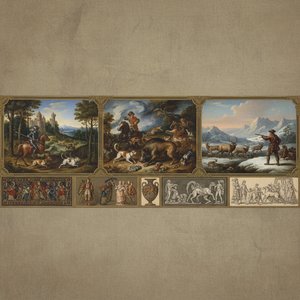
The Pursuit of Power & Prestige: Hunting Scenes in Western Art
Explore the rich history of hunting scenes in Western art, from royal pursuits to powerful allegories. Discover masterpieces & expert insights for discerning collectors. OriginalUniqueArt offers museum-quality reproductions.
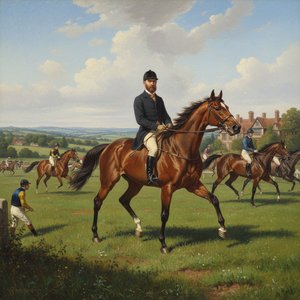
John Frederick Herring Sr.: Equestrian Mastery & the Rise of Sporting Art in Victorian England
Explore the life & work of John Frederick Herring Sr., a leading Victorian equestrian artist. Discover his masterpieces, patronage, techniques & investment potential. Expert insights for collectors.

约翰·辛格·萨金特:25幅大师级杰作,点亮您的艺术生活 | OriginalUniqueArt
探索约翰·辛格·萨金特25幅传世杰作!深入了解这位美国印象派大师的肖像画技巧、金色时代风格与艺术故事。OriginalUniqueArt.com提供高品质油画复制品,点亮您的室内设计,打造奢华艺术空间。立即在线探索完整系列!
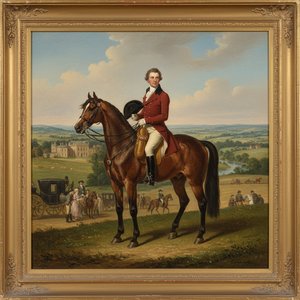
Sr. John E. Ferneley: Equestrian Portraiture & England's Social Fabric
Explore the captivating world of Sr. John E. Ferneley, a master of British sporting art. Discover his exquisite equestrian paintings & insights into 19th-century society. Invest in timeless masterpieces with OriginalUniqueArt.