
 实景预览
实景预览
 分享
分享 分享
分享
 详情
详情 指南
指南

 下载作品
下载作品
 相似作品
相似作品 X射线
X射线 幻灯片播放
幻灯片播放 问答
问答 统计数据
统计数据John Montresor


 展开全文
展开全文
艺术微喷/版画
博物馆级艺术微喷或帆布版画,制作高效,并提供多种饰面选择。 ( 订购纯手工绘制画作 切换至数字图像销售渠道)




P118B ¥10

P118H ¥10

P118W ¥10

P438Z ¥10

P508JH ¥12

P508YH ¥12

P805H ¥10

P805Z ¥10

P919BZ ¥10

P919G ¥10

P919XJ ¥10

P959ZH ¥10

P968JZ ¥12

W106C ¥8

W218G ¥10

W218JH ¥8

W218Y ¥10

W307PJ ¥10

W316G ¥10

W316PJ ¥8

W316Y ¥10

W398PJ ¥8

W4111J ¥10

W500HY ¥15

W500JH ¥15

W692G ¥12

W849H ¥8

W940BG ¥15

W953PJ ¥8




您可以从与原作比例一致的预设尺寸中进行选择。

请输入您所需的宽度和高度,以适配您的画框或墙面。由于印刷品只能进行裁剪,无法超出原图尺寸,因此若比例不一致,画面的一部分将会被裁切。在正式印刷之前,我们会为您发送一份数字效果图供您确认。本页面显示的图片并非最终裁剪后的效果——只有效果图才能展示真实的裁剪情况。


 玻璃选项仅适用于110厘米以下的尺寸。

John Montresor
艺术微喷/版画
复刻品尺寸
-


最终结算价
¥ 543
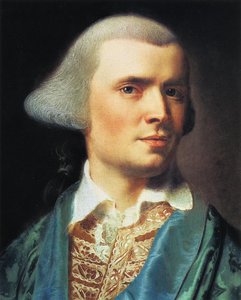
A Glimpse into the Eighteenth Century: The Presence of Colonel John Montresor
To stand before John Singleton Copley’s Colonel John Montresor is to be transported directly into the dignified, high-stakes atmosphere of the late eighteenth century. This portrait is far more than a mere physical likeness; it is a meticulously constructed window into an era defined by military precision and social hierarchy. The subject, a British officer and noted cartographer, commands the viewer's attention with a posture that radiates unwavering authority and quiet intellect. Copley, a master of his craft, captures Montresor not just as a soldier, but as a man of substance, draped in the rich textures of his period attire. The vibrant red of his military coat, punctuated by the glint of gold buttons, serves as a bold anchor for the composition, immediately signaling his status and the weight of his responsibilities within the British Army.
The brilliance of this work lies in Copley’s extraordinary ability to manipulate light and shadow, a technique known as chiaroscuro. By employing a dramatic illumination that seems to sweep in from an upper corner, the artist sculpts the contours of Montresor’s face with breathtaking realism. This interplay between deep, velvety shadows and brilliant highlights creates a profound sense of three-dimensionality, making the subject feel almost tangible within the frame. Every detail—from the subtle sheen on the uniform to the precise rendering of the fabric's folds—is handled with a scientific eye for optics. This technical mastery ensures that the portrait possesses a lifelike vitality that continues to captivate viewers centuries after its creation in 1771.
Symbolism and the Intellectual Spirit
Beyond the striking visual impact, the painting is rich with subtle symbolism that speaks to the dual nature of Montresor’s identity. While his military uniform denotes his role as a defender and officer, Copley includes a poignant detail: the subject holds a book in one hand, while his other hand rests thoughtfully near his chin. This gesture, combined with the presence of the book, serves as a deliberate nod to Montresor’s intellect and his profession as a cartographer. It suggests a man whose authority is derived not just from the sword, but from the map and the measured study of the world. This layering of meaning transforms the portrait from a standard military commission into a complex psychological study of a gentleman-scholar.
For the discerning collector or interior designer, this piece offers an unparalleled opportunity to introduce a sense of historical gravity and timeless elegance into a space. The painting’s ability to evoke the atmosphere of gilded drawing rooms and colonial military halls makes it a magnificent centerpiece for any curated collection. Whether placed in a study, a library, or a formal living area, the Colonel John Montresor portrait provides a sophisticated focal point that invites contemplation. It is an investment in art that does not merely decorate a wall but tells a profound story of human ambition, technical brilliance, and the enduring legacy of the American colonial era.
常见问题与解答
建议将"John Montresor"用于何处及何种用途?
建议将“John Montresor”用于Statement,推荐摆放空间为Living Room。
如何预览约翰·辛格尔顿·科普利 的《John Montresor》的复制品?
您可以在作品的效果预览页面查看约翰·辛格尔顿·科普利 的《John Montresor》的预览。
在“John Montresor”中,对比与和谐是如何交织融合的?
约翰·辛格尔顿·科普利 的《John Montresor》 的色彩分析呈现出一种 Gentle 的对比与 Strong Color Unity 的和谐。
艺术家简介
约翰·辛格尔顿·科普利:殖民地时代的艺术先驱
约翰·辛格尔顿·科普利,1738 年出生于波士顿,在美洲艺术史上占据着一个独特而关键的位置。他不仅仅是一位画家,更像是一座文化桥梁,在政治和社会剧变时期,塑造了一种独特的英美艺术风格。他的故事讲述的是一位自学成才的天赋异禀之人,怀揣着无尽的抱负,并以一种非凡的能力捕捉到肖像对象的本质,并将他们置于时代背景之中。科普利早年的生活深深扎根于波士顿繁荣的航海世界,这座城市充满了商人、造船商和新兴的财富。他的父亲理查德·科普利虽然在约翰出生后不久就离开了家,但仍是一位烟草商人;而母亲玛丽·辛格尔顿·科普利则经营着长码头上的商店。这种环境让年轻的约翰对物质世界有了敏锐的认识——织物的纹理、银器的光泽以及社会地位的微妙之处——这些都将成为他艺术风格的基石。他的继父彼得·佩勒姆,一位雕刻家和临画家,为他提供了最初的指导,但科普利的才华主要通过勤奋的学习和实践来培养。他孜孜不倦地研究各种版画,一丝不苟地复制它们以掌握技巧,并迅速超越了他的继父的能力。殖民地肖像画家的崛起
到了 1760 年代,科普利已经确立了自己在波士顿的领先地位,为城市中的精英阶层提供肖像服务。他的成功不仅仅源于技术娴熟,更在于他能够赋予肖像画作深刻的心理深度,这在殖民地美国艺术中是罕见的。他超越了单纯的描绘,努力捕捉到肖像对象的性格和社会地位。这需要对细节一丝不苟的关注——精确地呈现织物、珠宝和家具——但也需要敏锐地理解姿势、表情和手势。科普利的肖像画不仅仅是图像;它们是财富、权力和社会抱负的声明。他巧妙地将象征性的物品融入到他的构图中,微妙地暗示着肖像对象的职业或兴趣。例如,商人可能会被描绘成背景中有进口商品,律师可能会有法律书籍,或者海军军官会有航海仪器。这种对细节和象征意义的关注提升了他的作品超越了简单的肖像画,将其转变为一种社会评论的形式。他如 *伊萨克·冈斯沃思夫人的画像* 这样的作品完美地体现了这种方法——优雅的姿势、奢华的面料以及微妙的细节都传达了一种精致和地位的感觉。雄心壮志与欧洲的召唤
尽管他在波士顿取得了成功,科普利仍然怀有超越殖民地艺术世界的抱负。他渴望得到伦敦和罗马艺术界权威的认可,并希望通过对欧洲绘画大师的研究来检验自己的技能。1766 年,他将 *少年与飞鼠* 送至伦敦艺术家协会,作品获得了乔舒亚·雷诺兹和本杰明·韦斯特两位英国艺术领军人物的高度赞扬。这种鼓励激发了科普利进一步学习和拓展事业的愿望。然而,家庭责任和繁荣的事业使他直到十年后才扎根于波士顿。最终,1774 年,他和妻子苏珊娜·法恩斯沃思·克拉克以及他们的孩子踏上了前往欧洲的旅程,旨在研究古典大师并建立自己的历史画家地位。然而,美国革命爆发后不久,情况变得复杂,科普利不得不应对充满政治色彩的环境,同时追求他的艺术目标。历史叙事与持久的遗产
在伦敦,科普利既面临机遇又面临挑战。他继续绘制肖像画,获得了英国显赫人物的委托,但他也将注意力转向了历史绘画——当时被认为比肖像画更受尊敬的类型。他在这一领域的野心最大的作品是 *皮尔森少校之死* ,描绘了美国革命战争期间新泽西战役中的一幕。虽然技术上令人印象深刻,但它获得了褒贬不一的评价,一些评论家质疑其构图和戏剧效果。科普利后来的历史绘画,如 *萨瑟克公爵在议会大厦的倒塌* ,更成功,展示了他捕捉复杂情感和戏剧性时刻的能力。《I>他从未完全实现他在欧洲所寻求的声望水平,但约翰·辛格尔顿·科普利在他留下了不可磨灭的印记,既在美国艺术史上,也在英国艺术史上。他开创了一种独特的英美风格,将欧洲技巧与殖民地特有的敏锐感相结合。他的肖像画仍然是宝贵的历史文献,为我们提供了对过去时代生活和价值观的洞察。《I>他被铭记不仅因为他的艺术技能,还因为他在通过艺术塑造民族认同方面所扮演的角色。 他于 1815 年在伦敦去世,留下了一份遗产,这份遗产至今仍在激励着艺术家并吸引着观众。影响与艺术发展
- 早期影响:科普利早期的艺术发展深受他一丝不苟地复制的版画的影响,特别是伦勃朗·凡·莱因和安托万·瓦托的作品。
- 彼得·佩勒姆的指导:他的继父彼得·佩勒姆为他提供了最初的肖像画和雕刻技巧方面的培训,为他未来的成功奠定了基础。
- 乔舒亚·雷诺兹 & 本杰明·韦斯特:在科普利早期的伦敦展览中,这两位杰出的英国艺术家的鼓励和反馈对于塑造他的抱负和艺术方向至关重要。
- 洛可可风格: 科普利最初采用了洛可可风格,这体现在他使用精致的色彩、优雅的姿势和华丽的细节方面。然而,他逐渐转向了一种更现实和克制的做法。
- 历史绘画灵感: 他对本杰明·韦斯特等艺术家的历史画作的接触激发了他探索这一类型,尽管他经常难以完全将其与他对肖像画的天赋相结合。
约翰·辛格尔顿·科普利
1738 - 1815 , 英国
艺术家简介
- Artistic Movement Or Style: 肖像画, 现实主义
- Artists Or Movements Influenced By This Artist: 后世艺术家
- Artists Who Influenced This Artist:
- 伦勃朗·凡·莱因
- 安托万·瓦托
- Date Of Birth: 1738年7月3日
- Date Of Death: 1815年9月9日
- Full Name: 约翰·辛格尔顿·科普利
- Nationality: 英裔美国人
- Notable Artworks:
- 沃森与鲨鱼
- 伊扎德夫妇
- 萨缪尔·亚当斯肖像
- Place Of Birth: 波士顿,英国
相关文章

Oil on Canvas: A Historical & Technical Exploration of a Timeless Artistic Medium
Explore the rich history & enduring techniques of oil painting on canvas. Discover the science behind its longevity, conservation practices, and contemporary relevance. Expert insights for art enthusiasts.

康斯塔布尔大师之作:25幅传世风景画赏析 | OriginalUniqueArt
探索康斯塔布尔的25幅传世杰作!沉浸于英国田园风光,感受浪漫主义绘画大师的光影与色彩。高清油画复制、艺术品购买尽在OriginalUniqueArt.com,为您的家居增添经典之美。立即在线探索完整系列!

The Enduring Legacy of Oil on Canvas: Technique, History & Aesthetic Impact
Explore the rich history & techniques of oil painting – from Renaissance masters to Impressionism. Discover pigments, layering methods, and why this timeless medium endures. Expert insights for artists & art enthusiasts.

Crimson Threads of Narrative: Exploring Symbolism & Representation in Artworks Featuring the Red Dress
Explore the rich symbolism of the red dress in art history! From ancient power displays to iconic portraits like Cézanne’s 'Madame Cezanne', discover the cultural and artistic significance behind this captivating color. Expert analysis & insights.

约翰·辛格·萨金特:25幅大师级杰作,点亮您的艺术生活 | OriginalUniqueArt
探索约翰·辛格·萨金特25幅传世杰作!深入了解这位美国印象派大师的肖像画技巧、金色时代风格与艺术故事。OriginalUniqueArt.com提供高品质油画复制品,点亮您的室内设计,打造奢华艺术空间。立即在线探索完整系列!


