
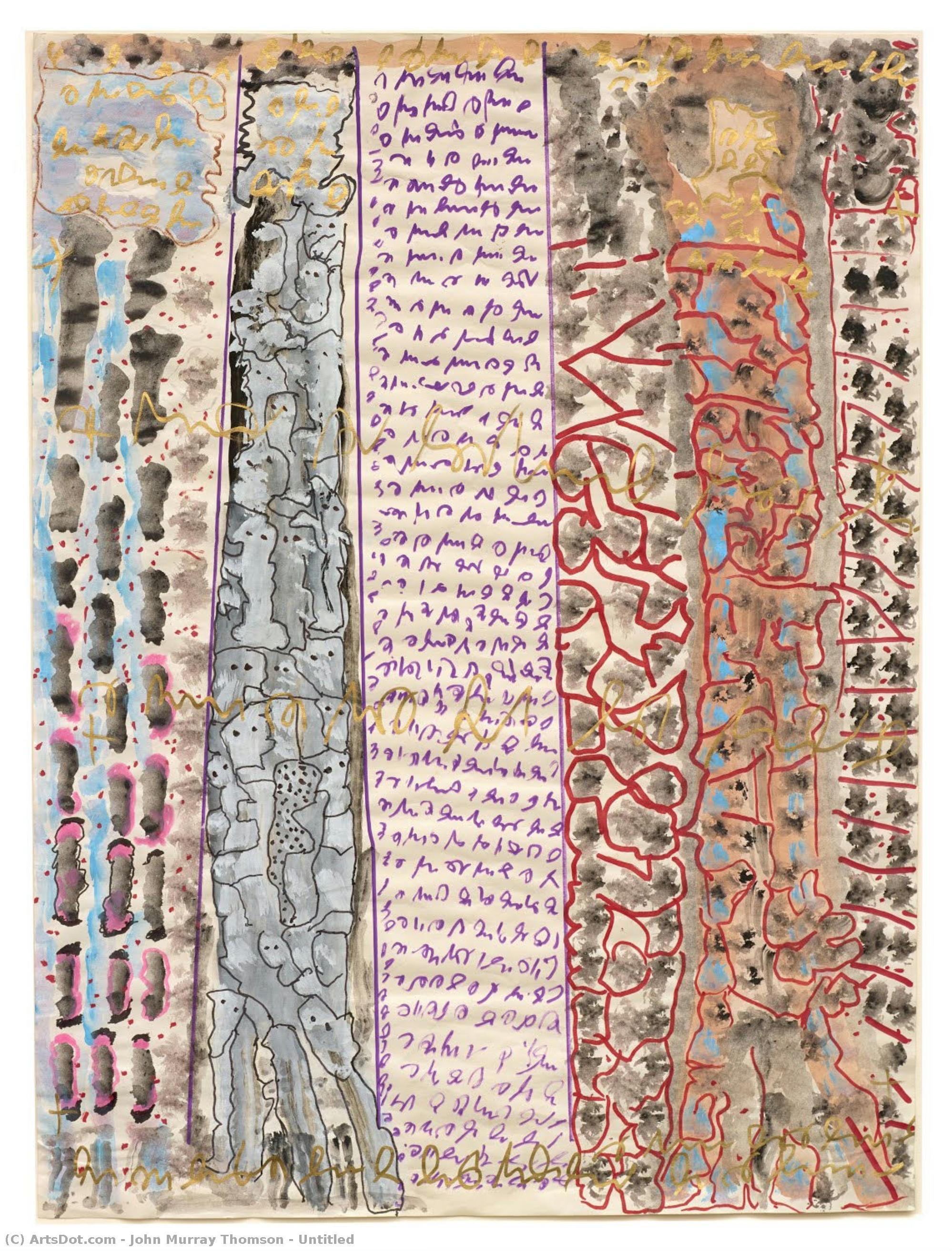
 实景预览
实景预览
 发送
发送 分享
分享
 详情
详情 指南
指南

 下载图片
下载图片
 相似作品
相似作品 X射线
X射线 幻灯片播放
幻灯片播放 统计数据
统计数据Untitled
 1987
1987 60.0 x 45.0 cm
 Souls Grown Deep
 阅读全文
阅读全文
购买高分辨率增强版数字图像,其品质远超在线预览。
每一份文件都由我们的内部专家使用先进工具与专业的后期润色技术精心打造。我们确保每一张图像都具备卓越的清晰度、精准的色彩还原度以及细腻的细节表现。
最终文件将在 72 小时内通过电子邮件交付,并针对专业、编辑及印刷用途进行了优化。其品质与顶级设计工作室、出版社和画廊所信赖的标准完全一致。
数字图像
下载高分辨率文件,用于个人展示、打印及创意项目。 ( 切换至版画销售渠道 订购此收藏品的纯手工复刻画作)
每份数字图像订单均包含的内容
专业级数字交付,品质无忧
选择 OriginalUniqueArt.com,您获得的不仅仅是一张图像——您收到的是经过专业级增强、精雕细琢的数字艺术作品,并享有满意保证。以下是您的订单中自动包含的所有内容:

即时邮件交付
您的高分辨率数字图像文件将在下单后 72 小时内通过电子邮件发送给您 —— 即可立即使用。

AI 增强型数字图像
您的艺术品经过专业优化,结合先进的 AI 技术与人工修饰,确保呈现极致的细节、清晰度与色彩准确度。

终身免费重发服务
不小心删除了文件或找不到了?没关系——我们将随时为您免费重发。

无需进口税费,始终如一
即刻拥有您的艺术作品,无需支付任何关税、税费或运费——数字下载始终免税。

色彩精准保障
我们通过专业工具与色彩管理技术,确保您的数字图像尽可能真实地还原原作色彩。

100天满意保证
如果您对所购数字图像不满意,我们将在100天内为您进行修改或提供100%的全额退款——无需任何理由。

100% 退款保证
不满意?在收到数字文件后的100天内,您可以申请全额退款——无需任何理由。

批量订购优惠
购买 3 张享 10% 折扣 - 购买 5 张享 15% 折扣 - 购买 10 张以上享 20% 折扣。非常适合创意项目、画廊及机构使用。
艺术家简介
The Echoes of the Wild: Exploring the Art and Life of John Murray Thomson
John Murray Thomson, a name perhaps less familiar than his contemporaries within the Group of Seven, nevertheless holds a profound significance in Canadian art history. Born in 1885 in Crieff, Scotland, and later establishing himself as a prominent figure in the burgeoning landscape movement of early 20th-century Canada, Thomson’s work transcends mere representation; it embodies a deep connection to the natural world, infused with a quiet reverence for the wilderness he so passionately depicted. His journey from a childhood steeped in rural life to becoming a celebrated artist reveals not only an exceptional talent but also a remarkable sensitivity to the rhythms and textures of the Canadian landscape.
Thomson’s early years were shaped by a strong connection to nature, nurtured within his family's farming community. He spent much of his youth exploring the Scottish countryside, developing a keen eye for detail and an appreciation for the subtle variations in light and colour that define the natural world. This formative experience would later become the bedrock of his artistic vision. Following his father’s death, the family moved to Ontario, where Thomson continued to immerse himself in the outdoors, honing his skills as a fisherman and tracker – activities that profoundly influenced his approach to painting. He initially pursued a career in penmanship before finding his true calling in art, receiving a Carnegie Travelling Scholarship which allowed him to study at the Académie Julian in Paris, exposing him to the Impressionist techniques of artists like Monet and Pissarro.
Upon returning to Canada, Thomson’s artistic focus solidified around the Algonquin Park region. He was captivated by its vastness, its shimmering lakes, and the dense forests teeming with wildlife. Unlike some of his more overtly romantic contemporaries, Thomson's paintings rarely depict grand vistas or dramatic skies. Instead, he favored intimate scenes—a lone canoe gliding across a still lake, a cluster of pines silhouetted against the twilight sky, or a close-up study of a jack pine’s rough bark. His technique was characterized by broad brushstrokes and a generous application of paint, creating a sense of immediacy and texture that captured the essence of the landscape. He wasn't interested in photographic realism; rather, he sought to convey the *feeling* of being immersed within nature – its stillness, its solitude, and its inherent beauty.
Thomson’s artistic development was inextricably linked to his personal life. His marriage to Ellen, a talented artist herself, provided him with a supportive partnership, while his deep love for animals—he kept a rhesus monkey, falcon, owl, and numerous smaller creatures as pets – further informed his work. His paintings are imbued with a sense of empathy and understanding towards the creatures he depicted, reflecting a belief in their inherent worth and dignity. He was also an avid angler and spent considerable time observing and sketching wildlife in its natural habitat. His meticulous attention to detail—the texture of bark, the ripples on water, the delicate veins of leaves—demonstrates a profound respect for the intricacies of the natural world.
Despite his significant contributions to Canadian art, Thomson’s legacy has often been overshadowed by that of the Group of Seven. However, his work deserves recognition as a pivotal figure in shaping the Canadian landscape tradition. His paintings offer a unique perspective on the wilderness—one characterized by quiet contemplation, understated beauty, and a deep sense of connection to the natural world. His influence can be seen in the works of subsequent generations of Canadian artists, who continue to draw inspiration from his masterful depictions of the Canadian landscape. Today, Thomson’s paintings are held in prominent collections across Canada, ensuring that his artistic vision continues to resonate with audiences for years to come.
Thomson's Artistic Style and Techniques
Thomson’s distinctive style is immediately recognizable through a combination of several key elements. He largely eschewed the highly finished, polished surfaces favored by some of his contemporaries, opting instead for a more expressive and textured approach. His brushwork is often loose and gestural, conveying a sense of spontaneity and immediacy. He employed a technique known as “alla prima,” meaning he would complete a painting in a single sitting, capturing the fleeting effects of light and atmosphere with remarkable speed and accuracy.
Color played a crucial role in Thomson’s work. He was particularly adept at capturing the subtle shifts in color that occur throughout the day, from the cool blues and greens of dawn to the warm oranges and reds of sunset. His palette was generally restrained, relying on earthy tones—browns, greens, and grays—to evoke the mood and atmosphere of the landscape. However, he wasn’t afraid to introduce bursts of vibrant color—the brilliant blue of a lake or the fiery red of a maple leaf—to draw attention to specific details.
Furthermore, Thomson's use of light was particularly noteworthy. He paid close attention to how light interacted with the landscape, creating a sense of depth and atmosphere through subtle gradations of tone and color. He often painted in the early morning or late afternoon, when the light was softest and most evocative. His paintings are not simply representations of landscapes; they are carefully constructed compositions designed to evoke specific emotions and sensations.
Thomson's Connections to the Group of Seven
While Thomson never formally joined the Group of Seven—a collective of Canadian artists who sought to establish a distinct national art style—he maintained close relationships with many of its members, including J.E.H. MacDonald and Franklin Carmichael. He frequently exhibited alongside them and shared their interest in depicting the Canadian wilderness. Many believe that Thomson’s work served as an important influence on the Group's development, particularly in terms of his emphasis on capturing the essence of the landscape rather than simply reproducing its appearance.
Despite this connection, Thomson maintained a somewhat independent artistic trajectory. His paintings often lacked the overtly symbolic or mythological elements that characterized some of the Group’s work. Instead, he focused primarily on depicting the natural world with honesty and directness. However, his shared commitment to portraying the Canadian landscape—and his willingness to experiment with new techniques and approaches—cemented his place as a key figure in the broader context of early 20th-century Canadian art.
Legacy and Historical Significance
John Murray Thomson’s legacy extends far beyond his individual artistic achievements. He is considered a foundational figure in the development of Canadian landscape painting, paving the way for subsequent generations of artists who sought to capture the beauty and spirit of the Canadian wilderness. His work has been celebrated for its honesty, its emotional resonance, and its profound connection to the natural world.
Thomson’s paintings continue to be exhibited in museums and galleries across Canada, attracting a wide range of admirers. His art serves as a reminder of the importance of preserving our wilderness areas and appreciating the beauty of the natural world. Furthermore, his life story—a journey from rural Scotland to artistic recognition—offers an inspiring example of perseverance, dedication, and a deep love for nature.

概览
- Artistic Movement Or Style: Animal art, landscape
- Artists Or Movements Influenced By This Artist: ['Group of Seven']
- Artists Who Influenced This Artist: ['Tom Thomson']
- Date Of Birth: December 17, 1885
- Date Of Death: October 16, 1974
- Full Name: John Murray Thomson
- Nationality: Scottish
- Notable Artworks:
- The Jack Pine
- West Wind
- Ducks in a Pool
- Place Of Birth: Crieff, Perthshire, Scotland