

 效果预览
效果预览
 购买手绘画作
 分享
分享 分享
分享
 详情
详情

 下载
下载
 相似作品
相似作品 X射线
X射线 幻灯片播放
幻灯片播放Robert Stephenson (1803–1859)
 Academic Realism
 200.0 x 170.0 cm
 The Literary - Philosophical Society of Newcastle
 展开详情
展开详情




































从与原作比例一致的预设尺寸中进行选择。

您可以输入自定义尺寸,以适配特定的画框或空间。如果您选择的尺寸与原图比例不符,我们将对作品进行裁剪,或通过镜像填充/纯色填充边缘的方式来扩展图像。在开始制作之前,我们会向您发送一份数字效果图供您确认。
请注意,屏幕上的预览并不能反映实际的裁剪或扩展效果。只有效果图才能准确展示最终的构图。
虽然我们提供定制尺寸,但为了保持原图比例,我们建议您从预设列表中选择尺寸。


 玻璃选项仅适用于110厘米以下的尺寸。

Robert Stephenson (1803–1859)
艺术微喷/版画
复制品尺寸
-


最终总价
$ 80
艺术家简介
A Life Woven in Sound and Shadow: The Art of John Lindsay Lucas
John Lindsay Lucas, a name perhaps less familiar to the general public than some of his contemporaries, remains a quietly profound figure within the landscape of 20th-century British portraiture. Born in London on July 4th, 1807, into a family steeped in artistic and journalistic lineage – his father a writer and journalist, tracing back through naval service – Lucas’s early life was one of exposure to both the formal world of art and the vibrant currents of Victorian society. His apprenticeship under Samuel William Reynolds, a master of mezzotint engraving, provided him with a crucial technical foundation, while the influence of his mother, a woman of refined sensibilities, undoubtedly shaped his artistic eye. This grounding in craft combined with an innate sensitivity to human character would become the hallmark of his distinctive style. Lucas’s career unfolded during a period of immense social and political change – the rise of industrialization, the expansion of the British Empire, and the burgeoning movement for reform. He wasn't merely documenting the faces of the elite; he was capturing the spirit of an era, imbuing his portraits with a subtle awareness of the anxieties and aspirations that defined Victorian England. His early work, exemplified by his portrait of Mary Russell Mitford, showcased a nascent talent – a keen ability to render delicate features and capture fleeting expressions. However, it was his association with Henry Milton, a prominent patron and collector, that truly propelled him into the heart of London’s artistic circles. This connection opened doors to commissions from some of the most influential figures of the day: Queen Adelaide, Albert, Prince Consort (a subject he painted no less than four times), Princess Louise, and the formidable Duke of Wellington, who sat for him a remarkable eight times – a testament to Lucas's skill in conveying both dignity and vulnerability. His work graced the galleries of Sir Robert Peel’s contemporary portraits, solidifying his position as one of the era’s most sought-after portraitists.Technique and Style: A Master of Subtle Realism
Lucas's artistic approach was characterized by a remarkable restraint and an almost unnerving ability to capture the essence of his subjects without resorting to overt sentimentality or theatricality. He eschewed dramatic lighting and elaborate backgrounds, instead favoring a muted palette and a focus on capturing the subtle nuances of expression. His portraits are not merely likenesses; they are psychological studies, revealing glimpses into the inner lives of those who sat before him. He was particularly adept at portraying the weariness and quiet dignity of older subjects, imbuing them with a sense of profound experience. This is evident in his numerous depictions of the Duke of Wellington, where he doesn’t simply record the military hero's physical presence but also conveys the weight of years and battles fought. His technical skill was further demonstrated through his mezzotint engravings – intricate works that showcased his mastery of tonal shading and detail. The Nicholas Conyngham Tindal portrait, rendered in mezzotint, stands as a particularly compelling example of this artistry.Beyond the Salon: Lucas’s Influence and Legacy
While Lucas enjoyed considerable success within the established art world – exhibiting at the Royal Academy, the British Institution, and the Suffolk Street Gallery – his influence extended beyond the confines of the salon. His portraits were frequently reproduced in engravings, ensuring that his work reached a wider audience. Furthermore, he contributed to the burgeoning field of portrait photography, recognizing its potential as a means of disseminating images and documenting individuals. The meticulous detail and psychological insight evident in his portraits foreshadowed many of the techniques employed by later generations of artists. His legacy is not one of flamboyant innovation but rather of quiet mastery – a testament to the enduring power of observation, restraint, and a deep understanding of human nature.A Later Life and Unfinished Works
Lucas’s career spanned over six decades, culminating in his death at St John's Wood on April 30th, 1874. At the time of his passing, his estate was dispersed through auction, revealing a substantial body of work – 96 portraits at the Royal Academy, 13 at the British Institution, and eight at the Suffolk Street Gallery. Beyond portraiture, Lucas also dabbled in engraving, producing several prints after Sir Thomas Lawrence, including one of Queen Victoria’s Portuguese consort. His later years saw him exploring new avenues, including his involvement with experimental music and performance art, as evidenced by his collaboration with Dominique Gonzalez Foerster on the Performa 09 event. The work of John Lindsay Lucas offers a fascinating glimpse into Victorian England – a world of social upheaval, artistic innovation, and enduring human drama. His portraits remain powerful testaments to his skill, sensitivity, and profound understanding of the human condition.
john lindsay lucas
1807 - 1874
艺术家简介
- Artistic Movement Or Style: Portrait painting
- Artists Or Movements Influenced By This Artist: ['National Portrait Gallery']
- Artists Who Influenced This Artist: ['Samuel William Reynolds']
- Date Of Birth: July 4, 1807
- Date Of Death: April 30, 1874
- Full Name: John Lindsay Lucas
- Nationality: English
- Notable Artworks:
- Queen Adelaide
- Albert, Prince Consort
- Princess Royal
- Duke of Wellington
- Place Of Birth: London, England
相关文章

约翰·辛格·萨金特:25幅大师级杰作,点亮您的艺术生活 | OriginalUniqueArt
探索约翰·辛格·萨金特25幅传世杰作!深入了解这位美国印象派大师的肖像画技巧、金色时代风格与艺术故事。OriginalUniqueArt.com提供高品质油画复制品,点亮您的室内设计,打造奢华艺术空间。立即在线探索完整系列!

康斯塔布尔大师之作:25幅传世风景画赏析 | OriginalUniqueArt
探索康斯塔布尔的25幅传世杰作!沉浸于英国田园风光,感受浪漫主义绘画大师的光影与色彩。高清油画复制、艺术品购买尽在OriginalUniqueArt.com,为您的家居增添经典之美。立即在线探索完整系列!

The Enduring Legacy of Oil on Canvas: Technique, History & Aesthetic Impact
Explore the rich history & techniques of oil painting – from Renaissance masters to Impressionism. Discover pigments, layering methods, and why this timeless medium endures. Expert insights for artists & art enthusiasts.

Oil on Canvas: A Historical & Technical Exploration of a Timeless Artistic Medium
Explore the rich history & enduring techniques of oil painting on canvas. Discover the science behind its longevity, conservation practices, and contemporary relevance. Expert insights for art enthusiasts.
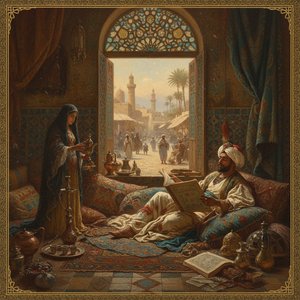
John Frederick Lewis: Orientalism, Detail & Genre Painting in 19th-Century British Art
Explore the captivating Orientalist paintings of John Frederick Lewis! Discover his mastery of detail, genre scenes & influence on 19th-century British art. Learn about his life, techniques & legacy at OriginalUniqueArt.

