

 实景预览
实景预览
 发送
发送 分享
分享
 详情
详情 指南
指南

 下载图片
下载图片
 相似作品
相似作品 X射线
X射线 幻灯片播放
幻灯片播放 统计数据
统计数据The Harpist


 阅读全文
阅读全文
艺术微喷/版画
博物馆级艺术微喷或帆布版画,制作高效,并提供多种饰面选择。 ( 订购此收藏品的纯手工复刻画作 切换至数字图像销售渠道)




P118B ¥10

P118H ¥10

P118W ¥10

P438Z ¥10

P508JH ¥12

P508YH ¥12

P805H ¥10

P805Z ¥10

P919BZ ¥10

P919G ¥10

P919XJ ¥10

P959ZH ¥10

P968JZ ¥12

W106C ¥8

W218G ¥10

W218JH ¥8

W218Y ¥10

W307PJ ¥10

W316G ¥10

W316PJ ¥8

W316Y ¥10

W398PJ ¥8

W4111J ¥10

W500HY ¥15

W500JH ¥15

W692G ¥12

W849H ¥8

W940BG ¥15

W953PJ ¥8




您可以从与原作比例一致的预设尺寸中进行选择。

请输入您所需的宽度和高度,以适配您的画框或墙面。由于印刷品只能进行裁剪,无法超出原图尺寸,因此若比例不一致,画面的一部分将会被裁切。在正式印刷之前,我们会为您发送一份数字效果图供您确认。本页面显示的图片并非最终裁剪后的效果——只有效果图才能展示真实的裁剪情况。


 玻璃选项仅适用于110厘米以下的尺寸。

The Harpist
艺术微喷/版画
复刻品尺寸说明
-


总计金额
¥ 538
A Portrait of Melancholy and Music: John George Brown’s “The Harpist”
John George Brown's "The Harpist," painted in 1870, is more than just a portrait; it’s a carefully constructed tableau of Victorian sensibilities and burgeoning American artistic aspirations. This evocative work, depicting a woman lost in the delicate strains of two harps, immediately draws the viewer into a world of quiet contemplation and musical beauty. Brown, an English immigrant who established himself as a successful artist in America during this period, masterfully captures a mood – one of wistful reflection and perhaps even a touch of sadness – that resonates deeply with the era’s fascination with romanticism and the burgeoning interest in classical music.
- Subject Matter: The central figure, a woman adorned in pink attire and a delicate blonde hairstyle accented by a pink bow, embodies the idealized feminine form popular in Victorian portraiture. Her posture suggests absorption in her musical endeavor, inviting the viewer to share in her private moment.
- Composition: The arrangement of the harps, violin, and chairs creates a sense of intimacy and domestic tranquility. The placement of the two chairs subtly directs the eye and reinforces the idea of a solitary artistic pursuit.
Technique and Style – A Victorian Masterclass
Brown’s technique is characterized by meticulous detail and a refined understanding of light and shadow, hallmarks of his training in England and honed through years of observation within the American art market. He employs smooth brushwork and subtle gradations of tone to create a remarkably realistic depiction of the woman's features and clothing. The use of pink hues – both in the subject’s attire and the background – contributes significantly to the painting’s overall mood, evoking feelings of tenderness and serenity. The artist demonstrates a clear command of color theory, utilizing complementary colors (pink and green/brown) to create visual harmony and depth.
- Realism with Romantic Touches: While rooted in realism, the painting possesses a distinctly romantic quality, evident in the subject’s melancholic expression and the idealized setting.
- Brushwork: Brown's brushstrokes are controlled and deliberate, contributing to the overall sense of quiet contemplation.
Symbolism and Historical Context
"The Harpist" reflects several key trends of the 1870s. The harp itself was a potent symbol of both ancient Greece and burgeoning Romantic musical movements, representing beauty, harmony, and emotional expression. The inclusion of the violin further emphasizes this connection to music. Furthermore, Brown’s work aligns with the Victorian fascination with childhood innocence and the portrayal of women as muses or artistic inspiration – a common theme in 19th-century art. The date of 1870 places the painting squarely within a period of significant social and economic change in America, marked by industrialization and urbanization, yet Brown’s work offers a poignant counterpoint to this rapid transformation, focusing on a moment of quiet beauty and introspection.
Emotional Impact and Artistic Legacy
Ultimately, “The Harpist” transcends its technical merits to evoke a powerful emotional response. The painting's subdued palette, coupled with the subject’s contemplative pose, creates an atmosphere of profound stillness and melancholy. It is a work that invites viewers to pause, reflect, and perhaps even contemplate their own relationship with music and beauty. John George Brown’s legacy lies not only in his technical skill but also in his ability to capture fleeting moments of human emotion with sensitivity and grace – a quality that continues to resonate with audiences today. This hand-painted reproduction offers an exceptional opportunity to experience the full impact of this remarkable artwork.
问答详情
如何预览约翰·乔治·布朗 (Yuēhàn Jiàojí Bùlǎng) 的《The Harpist》的复制品?
若要预览 约翰·乔治·布朗 (Yuēhàn Jiàojí Bùlǎng) 的《The Harpist》 复制品的详情,请打开该作品的 预览 页面。
"The Harpist"创作于何时,属于哪种艺术流派?
"The Harpist"创作于1870年,属于Victorian Genre Painting运动。
约翰·乔治·布朗 (Yuēhàn Jiàojí Bùlǎng) 的《The Harpist》 的色彩是鲜艳夺目还是柔和低调?
约翰·乔治·布朗 (Yuēhàn Jiàojí Bùlǎng) 的《The Harpist》 的色彩呈现出 Subtle Color 的饱和度。饱和度描述了色彩的鲜艳或柔和程度。
艺术家简介
童年之光:约翰·乔治·布朗的世界
约翰·乔治·布朗,这个名字或许不如一些同时代画家那样广为人知,但他却在美国十九世纪艺术的画卷中占据着一个独特而深刻的位置。1831年生于英国达勒姆的他,一生充满着坚定的自我提升和敏锐的观察力,最终成就了一段捕捉快速社会变迁时期童年时代——既有动人现实,又有理想化情感——的艺术生涯。布朗的故事不仅仅关于艺术天赋,更关乎一位移民的抱负、对细节的敏锐洞察以及他对新兴美国艺术市场的精明理解。他的早年生活并非优渥,而是充满着必需而非特权。十四岁便被送往玻璃工厂当学徒,为了支撑家庭而辛勤劳作,然而即使在艰苦的工作中,他对绘画的热情从未消退。这种执着促使他参加了纽卡斯尔设计学校的夜校课程,后来又在爱丁堡信托学院深造——这些经历为他未来的艺术事业奠定了基础。1853年,布朗勇敢地跨越大西洋,定居于纽约布鲁克林,这座城市注定成为他的家园和灵感源泉。他在格雷厄姆艺术学校和国家设计学院继续学习,在托马斯·塞伊尔·卡明斯等导师的指导下磨练技艺,为献身于捕捉美国精神的生活做准备。从肖像画到街头:寻找他的声音
最初布朗以肖像画家起家,但他很快发现自己的真正使命在于充满活力却常常被忽视的日常生活世界。他开始专注于风俗题材绘画,并通过对街头儿童的描绘找到了属于自己的独特声音。19世纪60年代见证了布朗“街头顽童”画作的兴起,这些作品深深地触动了一代人——公众既着迷于城市贫困的现实,又对此感到不安。这并非仅仅是感伤主义的描绘;它们是对人物性格的细致观察,捕捉了孩子们在艰难环境中展现出的韧性、足智多谋和默默的尊严。擦鞋匠勤奋地擦拭鞋子,报童在熙攘的街角叫卖报纸,花贩兜售他们的商品——这些场景成为了布朗的标志,充满了非凡的细节和同情心。他的作品并非孤立产生;它受到了巴比松画派的影响,特别是他们对现实主义和日常生活描绘的强调,以及J.M.W.特纳等艺术家所倡导的光影运用。然而,布朗将这些影响融合成了一种独特的美国风格,一种能够反映他所采用国家特定的社会条件和文化焦虑的风格。情感与商业的大师
布朗不仅是一位艺术家,还是一位非常精明的商人。他认识到自己作品的吸引力,有策略地为许多最受欢迎的画作申请版权,允许通过彩色版画和摄影印刷进行广泛复制。这一明智之举极大地提高了他的名声和经济收入,使他在一生中成为美国最富有的风俗画家之一。然而,商业上的成功并没有降低他作品的艺术价值。《渔网修补者》和《第一点》等画作充分展示了他捕捉宁静的美丽和深刻情感的能力。“在阿迪朗达克山脉狩猎后的群像”则展现了更广阔的范围,展示了他以非凡的现实主义描绘群体场景的技巧。他的绘画不仅提供了审美愉悦,还为十九世纪美国社会提供了宝贵的见解,特别是对劳动儿童的生活和不断变化的城市景观的洞察。这些画作常常蕴含着微妙的道德内涵,反映了布朗对辛勤工作、诚实和韧性的信念——这些价值观与维多利亚时代观众产生了深刻共鸣。从青春到老年:转变的焦点
随着布朗作为艺术家的成熟,他的主题也随之发展。在他后来的岁月中,他将注意力从描绘童年的活力转向刻画老年人的宁静尊严和孤独感。这些绘画常常以农村环境中的老年人为特色,唤起人们对更简单过去的怀旧之情。虽然这种转变似乎很剧烈,但对于一位致力于捕捉人类状况所有复杂性的艺术家来说,这是一种自然的演变。他继续积极参与各种艺术机构,从1899年到1904年担任国家设计学院副主席,展示了他对艺术社区的持续承诺。他的后期作品虽然主题不同,但仍然保留了早期绘画中一丝不苟的细节和情感敏感性。持久的遗产:童年的回声
约翰·乔治·布朗于1913年逝世于纽约市,留下了一大批继续吸引和感动当今观众的作品。他的画作被世界各地享有盛誉的收藏机构收藏,包括伦敦国家美术馆和底特律艺术学院,证明了他持久的艺术意义。他不仅因其技术技巧而被人铭记,还因其以诚实、同情心和一丝浪漫主义捕捉特定时代和地方——维多利亚时代的美国——的能力而被人铭记。《他的作品提醒人们十九世纪儿童面临的挑战,同时也庆祝他们的韧性和精神。》布朗的遗产超越了他的绘画;他代表了艺术天赋、创业魄力和社会评论的有趣交汇点——一位真正的美国生活记录者。他将日常场景转化为持久艺术品的的能力确保了他的愿景将继续激励一代又一代人。
约翰·乔治·布朗 (Yuēhàn Jiàojí Bùlǎng)
1831 - 1913 , 英国
快速概览
- Artistic Movement Or Style: 风俗画,现实主义
- Artists Who Influenced This Artist:
- 巴比松画派
- 威廉·特纳
- Date Of Birth: 1831年11月11日
- Date Of Death: 1913年2月8日
- Full Name: 约翰·乔治·布朗
- Nationality: 英裔美国人
- Notable Artworks (List Of Titles):
- 捕网者
- 第一点
- 宣称猎物
- Place Of Birth (City And Country): 英国达勒姆
相关文章

康斯塔布尔大师之作:25幅传世风景画赏析 | OriginalUniqueArt
探索康斯塔布尔的25幅传世杰作!沉浸于英国田园风光,感受浪漫主义绘画大师的光影与色彩。高清油画复制、艺术品购买尽在OriginalUniqueArt.com,为您的家居增添经典之美。立即在线探索完整系列!

约翰·辛格·萨金特:25幅大师级杰作,点亮您的艺术生活 | OriginalUniqueArt
探索约翰·辛格·萨金特25幅传世杰作!深入了解这位美国印象派大师的肖像画技巧、金色时代风格与艺术故事。OriginalUniqueArt.com提供高品质油画复制品,点亮您的室内设计,打造奢华艺术空间。立即在线探索完整系列!

乔治·布拉克:25幅大师杰作,重塑现代艺术与家居美学 | OriginalUniqueArt
探索乔治·布拉克25幅大师杰作,领略立体主义的魅力与现代艺术的精髓。从早期作品到经典油画,OriginalUniqueArt为您呈现法式优雅与家居装饰灵感。高清艺术复制品,点亮您的空间!立即在OriginalUniqueArt.com发现更多。

乔治·修拉25幅杰作:点彩主义大师的艺术之旅 | OriginalUniqueArt
探索乔治·修拉25幅传世杰作!深入了解点彩画法、后印象派的艺术魅力,感受光与色彩的奇妙。OriginalUniqueArt.com提供高品质修拉作品复制品,为您的家居空间增添经典艺术气息。立即在线探索完整系列!
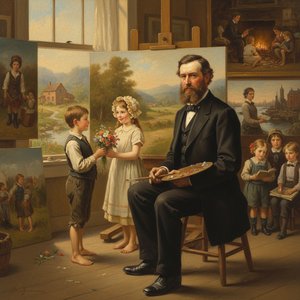
John George Brown: Capturing American Life & Sentiment in 19th-Century Genre Painting
Explore the captivating genre paintings of John George Brown, celebrated for his realistic depictions of 19th-century American life. Discover his legacy & find museum-quality reproductions at OriginalUniqueArt.