
 效果预览
效果预览
 购买印刷品
购买印刷品 分享
分享 分享
分享
 详情
详情

 下载
下载
 相似作品
相似作品 X射线
X射线 幻灯片播放
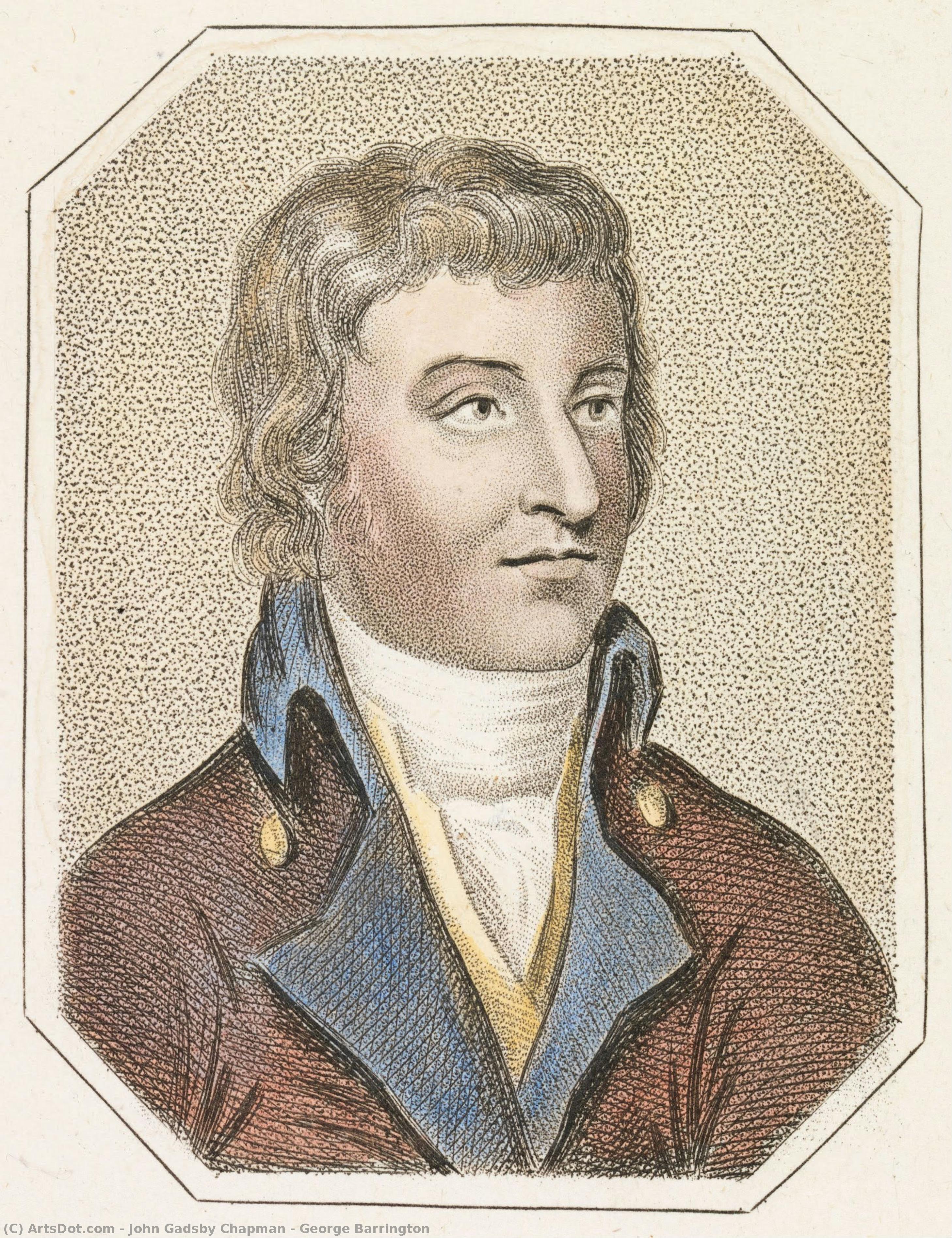
幻灯片播放George Barrington
 Engraving
 1820
1820- 19th Century
 18.0 x 11.0 cm
 国家肖像画廊
 展开详情
展开详情
购买高分辨率增强版数字图像,其品质远超在线预览。
每一份文件都由我们的内部专家使用先进工具与专业的后期润色技术精心打造。我们确保每一张图像都具备卓越的清晰度、精准的色彩还原度以及细腻的细节表现。
最终文件将在 72 小时内通过电子邮件交付,并针对专业、编辑及印刷用途进行了优化。其品质与顶级设计工作室、出版社和画廊所信赖的标准完全一致。
每份数字图像订单均包含
专业数字图像交付,品质保障
选择 OriginalUniqueArt.com,您获得的不仅仅是一张图像——您收到的是经过专业级增强、精雕细琢的数字艺术作品,并享有满意保证。以下是您的订单中自动包含的所有内容:

邮件快速送达
您的高分辨率数字图像文件将在下单后 72 小时内通过电子邮件发送给您 —— 即可立即使用。

AI 增强型数字文件
您的艺术品经过专业优化,结合先进的 AI 技术与人工修饰,确保呈现极致的细节、清晰度与色彩准确度。

终身免费重发服务
不小心删除了文件或找不到了?没关系——我们将随时为您免费重发。

无需进口费用,始终如一
即刻拥有您的艺术作品,无需支付任何关税、税费或运费——数字下载始终免税。

色彩精准保证
我们通过专业工具与色彩管理技术,确保您的数字图像尽可能真实地还原原作色彩。

60天满意保证
如果您对所购买的数字图像不满意,我们将在60天内为您进行修改或退还100%的款项——无需任何解释。

100% 退款保证
如果不满意?在收到数字文件后的60天内,我们为您提供全额退款——无需任何理由。

批量订单优惠
购买 3 张图片可享 10% 折扣 - 购买 5 张可享 15% 折扣 - 购买 10+ 张可享 20% 折扣。非常适合创意项目、画廊和机构使用。
藏品详情
A Glimpse into the Past: The Character of George Barrington
In this evocative black and white engraving from 1820, we are transported back to the early nineteenth century, encountering the striking presence of George Barrington. The portrait captures a man of undeniable distinction, his gaze meeting the viewer with a profound, perhaps even stern, intensity that commands immediate attention. Every line etched into the plate serves to reveal the subject's character; from the meticulously groomed sideburns and mustache to the elegantly swept-back hair, there is an unmistakable sense of formal dignity. The artist has masterfully utilized the medium of engraving to create a play of light and shadow that breathes life into the monochrome palette, allowing the texture of his blue coat and the glint of its gold buttons to emerge with tactile clarity.
The composition is framed with a classical sensibility, utilizing an ornamental border that acts as a window into a bygone era. This framing technique does more than merely contain the image; it elevates the subject, transforming a personal likeness into a monumental study of Regency-era fashion and social standing. The inclusion of his formal tie and the structured silhouette of his attire suggest a man of importance, perhaps navigating the complex social hierarchies of the 1820s. For the discerning collector or interior designer, this piece offers more than just a historical record; it provides a sophisticated focal point that brings an air of old-world prestige and intellectual depth to any curated space.
The Artistry of John Gadsby Chapman
The technical execution of this work reflects the burgeoning print culture of the nineteenth century, a period when the precision of engraving allowed for the widespread dissemination of portraiture. While the artist, John Gadsby Chapman, is often celebrated for his grand historical paintings and his contributions to the United States Capitol, this intimate engraving showcases his ability to capture human essence through fine line work. The delicate interplay of hatching and cross-hatching creates a sense of volume and depth, making the fabric of the coat appear heavy and luxurious, while the subtle gradients on the face suggest the warmth of skin beneath the monochromatic surface.
To possess a reproduction of such a piece is to invite a conversation about history, identity, and the enduring power of the portrait. It serves as an exquisite addition to a gallery wall or a study, where its somber tones and historical weight can harmonize with leather-bound books, dark wood furnishings, and classical decor. This artwork does not merely decorate a room; it anchors it, providing a soulful connection to the artistic traditions of the American and European masters, making it an essential acquisition for those who appreciate the profound emotional resonance found in the fine details of historical printmaking.
艺术家简介
A Life Etched in History: The World of John Gadsby Chapman
John Gadsby Chapman, a name perhaps unfamiliar to many today, represents a fascinating intersection of American history painting, European artistic training, and the burgeoning print culture of the 19th century. Born December 3, 1808, in Alexandria, Virginia, into a family steeped in local prominence—his grandfather was the renowned tavern keeper John Gadsby—Chapman embarked on an artistic journey that would lead him from the studios of Philadelphia to the sun-drenched landscapes of Italy and ultimately, to immortalization within the United States Capitol. His story is one of ambition, adaptation, and a quiet struggle for recognition in a rapidly changing art world.
Chapman’s early artistic education began with two years of study in Philadelphia, laying a foundational base before he ventured across the Atlantic. Europe beckoned, specifically Italy, where he immersed himself in the classical traditions that dominated the academic style of the time. This period proved pivotal; Chapman didn't merely copy the masters but developed a distinctive approach to landscape and portraiture, infused with a romantic sensibility. Upon his return to America in 1831, he established himself as an exhibitor in major cities like Washington D.C., Richmond, and Philadelphia, slowly building a reputation for skillful execution and evocative compositions.
From Portraits to Patriotic Scenes
The mid-1830s marked a turning point with Chapman’s relocation to New York City and his acceptance into the prestigious National Academy of Design. This affiliation opened doors to new opportunities, including work as an illustrator. However, it was his foray into historical painting that truly defined his career trajectory. Works like *Landing at Jamestown* and *Crowning of Powhatan* demonstrated a growing talent for narrative storytelling and a keen interest in American themes. The National Academy consistently showcased his paintings throughout the 1830s and 40s, culminating in an extraordinary commission from Congress in 1837.
The task was monumental: to create a historical scene for the rotunda of the Capitol building. Chapman accepted the challenge, dedicating himself to *Baptism of Pocahontas*, a depiction of the Powhatan princess’s conversion to Christianity before her marriage to John Rolfe. Completed in 1840, the painting—a large-scale canvas brimming with symbolic detail and dramatic composition—was unveiled to considerable acclaim. The $10,000 commission represented not only financial success but also a validation of Chapman's artistic vision and his ability to capture moments of national significance.
The Rise of Illustration and European Sojourn
Beyond the grand scale of *Baptism of Pocahontas*, Chapman’s contributions extended into the realm of popular print culture. He became a prolific illustrator, producing wood engravings for Harper Brothers' publications and authoring *The American Drawing-Book* in 1847—a widely used instructional text that helped democratize art education. His work appeared frequently in annual gift books like *The Token* and *Atlantic Souvenir*, solidifying his position as a leading figure in the burgeoning field of illustration. While some critics dismissed this output as overly sentimental, it undeniably broadened his reach and influence.
In 1849, Chapman embarked on an extended sojourn to Rome with his family, seeking inspiration and new markets for his art. He found success selling paintings of the Italian countryside to American tourists, establishing a comfortable livelihood. However, the outbreak of the Civil War disrupted this prosperity, as the influx of visitors dwindled. The conflict also deeply affected him personally, as his son Conrad Wise Chapman returned to America to fight for the Confederacy.
A Pauper’s End and Lasting Legacy
The economic hardships brought on by the war proved devastating. Chapman faced increasing financial difficulties in Rome, relying on the generosity of fellow expatriates to survive. In 1889, he returned to America, impoverished and ailing, seeking refuge with his son John Linton Chapman in Brooklyn, New York. It was there, on November 28th, that he passed away—a stark contrast to the acclaim he had once enjoyed.
Despite a life marked by financial struggles, John Gadsby Chapman left an indelible mark on American art history. His *Baptism of Pocahontas* remains a powerful symbol within the Capitol rotunda, while his landscapes and etchings offer a glimpse into the artistic sensibilities of the 19th century. He was not only a skilled painter but also a pioneer in illustration, helping to shape the visual landscape of a nation grappling with its identity and forging a new cultural path.
john gadsby chapman
1808 - 1889 , United States of America
基本信息
- Artistic Movement Or Style: Landscape, Etchings
- Date Of Birth: December 3, 1808
- Date Of Death: November 28, 1889
- Full Name: John Gadsby Chapman
- Nationality: American
- Notable Artworks:
- Baptism of Pocahontas
- Landing at Jamestown
- Crowning of Powhatan
- Place Of Birth: Alexandria, USA

