

 效果预览
效果预览
 分享
分享 分享
分享
 详情
详情

 下载
下载
 相似作品
相似作品 X射线
X射线 幻灯片播放
幻灯片播放 统计数据
统计数据The Via Mala


 展开详情
展开详情
艺术微喷/版画
博物馆级艺术微喷或帆布版画,制作高效,并提供多种饰面选择。 ( 购买手绘画作 切换至数字图像销售渠道)




P118B $10

P118H $10

P118W $10

P438Z $10

P508JH $12

P508YH $12

P805H $10

P805Z $10

P919BZ $10

P919G $10

P919XJ $10

P959ZH $10

P968JZ $12

W106C $8

W218G $10

W218JH $8

W218Y $10

W307PJ $10

W316G $10

W316PJ $8

W316Y $10

W398PJ $8

W4111J $10

W500HY $15

W500JH $15

W692G $12

W849H $8

W940BG $15

W953PJ $8




从与原作比例一致的预设尺寸中进行选择。

您可以输入自定义尺寸,以适配特定的画框或空间。如果您选择的尺寸与原图比例不符,我们将对作品进行裁剪,或通过镜像填充/纯色填充边缘的方式来扩展图像。在开始制作之前,我们会向您发送一份数字效果图供您确认。
请注意,屏幕上的预览并不能反映实际的裁剪或扩展效果。只有效果图才能准确展示最终的构图。
虽然我们提供定制尺寸,但为了保持原图比例,我们建议您从预设列表中选择尺寸。


 玻璃选项仅适用于110厘米以下的尺寸。

The Via Mala
艺术微喷/版画
复制品尺寸
-


最终总价
$ 80
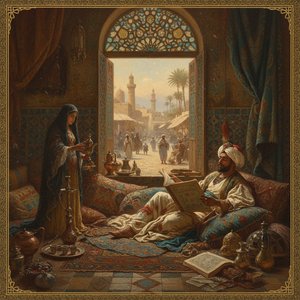
John Frederick Lewis’s “The Via Mala”: A Window into Ottoman Life
John Frederick Lewis's "The Via Mala," painted in 1827, isn’t merely a landscape; it’s a meticulously crafted portal into the world of 19th-century Orientalism. This watercolor and oil masterpiece transports us to the dramatic gorges of the Rhine Valley in Switzerland, yet its power lies not just in its topographical accuracy but in Lewis's profound understanding – and romanticized depiction – of Ottoman culture and daily life. The painting captures a pivotal moment: a group of travelers navigating a treacherous path carved into the mountainside, their figures rendered with an almost photographic realism that belies the artist’s deliberate artistic choices.
Lewis’s journey to Switzerland was part of a larger pattern – a sustained period of travel and observation across the Mediterranean and Middle East. He spent years living in Cairo, immersing himself in the sights, sounds, and customs of Ottoman society. This extended sojourn profoundly shaped his artistic vision, moving him beyond simple depictions of exotic locales towards a nuanced portrayal of human interaction within those environments. Unlike many Western artists who approached Orientalism with a sense of detached observation or even exploitation, Lewis sought to represent the people he encountered with respect and empathy, capturing their clothing, architecture, and social rituals with remarkable detail.
A Symphony of Detail: Technique and Composition
Lewis’s technical skill is immediately apparent. The painting is characterized by an extraordinary level of precision – a hallmark of his style. He meticulously rendered the rugged terrain, the weathered faces of the travelers, and the intricate details of their clothing. Notice the way he captures the play of light on the stone walls, the subtle variations in texture, and the delicate folds of fabric. This painstaking attention to detail wasn’t simply about accuracy; it was a deliberate strategy for conveying depth and realism. The composition itself is carefully balanced, drawing the eye along the winding path towards the distant horizon. The placement of figures creates a sense of movement and drama, while the use of atmospheric perspective – softening details in the distance – adds to the painting’s overall spatial coherence.
Lewis's choice of medium—watercolor and oil combined—further enhances the work’s impact. The watercolor provides a luminous quality, capturing the vibrancy of the natural landscape, while the oil lends richness and depth to the figures and architectural elements. This hybrid approach allowed him to achieve both delicate detail and bold color contrasts, creating a visually arresting effect.
Symbolism and Narrative
“The Via Mala” is rich in symbolic meaning. The treacherous path itself represents the challenges and uncertainties of life’s journey – a metaphor that resonates deeply with the travelers depicted within the scene. Their clothing—a mix of practical travel attire and elements suggestive of Ottoman influence—hints at their origins and destinations. The presence of a small, ornate tent suggests a temporary refuge amidst the harsh landscape, perhaps symbolizing the fleeting nature of encounters and the transient quality of life in foreign lands.
Interestingly, Lewis’s work connects to a contemporary novel, “Via Mala,” by John Knittel, which explored themes of guilt, betrayal, and moral ambiguity within a Swiss village. The painting can be seen as an artistic echo of this narrative, reflecting the complexities and hidden tensions that often lie beneath the surface of seemingly idyllic settings. The title itself, "The Via Mala," directly references this literary work, suggesting a shared exploration of difficult paths and shadowed secrets.
A Legacy of Orientalist Vision
John Frederick Lewis’s “The Via Mala” stands as a testament to his exceptional talent and his profound engagement with the cultures he encountered. It exemplifies the Romantic ideal of the artist as an explorer, observer, and interpreter of the world. His meticulous detail, evocative composition, and nuanced understanding of Ottoman life have secured his place as one of the most important figures in Orientalist painting. Reproductions of this captivating work offer a unique opportunity to bring this window into another era and culture into your own home, inviting contemplation on themes of travel, identity, and the enduring power of art to transcend time and distance.
艺术家简介
约翰·弗雷德里克·刘易斯:东方主义绘画的一生
约翰·弗雷德里克·刘易斯,一位杰出的英国东方主义画家,于1804年7月14日出生在伦敦。他是克里斯蒂安·刘易斯·弗雷德里克的儿子,后者是一位雕刻家和风景画家。这种家族艺术背景无疑影响了他的早期发展。他的正规训练始于托马斯·劳伦斯爵士的指导下,在那里他与埃德温·兰德西尔等艺术家一起磨练技能。这段基础时期培养了他对技巧和构图的深刻理解。
艺术生涯与发展
刘易斯的艺术生涯经历了几个不同的阶段,每个阶段都以不断变化的风格和主题重点为特征:
- 东方主义时期: 刘易斯踏上了地中海地区的广泛旅行,细致地捕捉其精髓,创作出细节丰富的水彩和油画。他经常重访作品,用多种媒介呈现它们。
- 西班牙与摩洛哥的影响 (1832-1834): 一次前往西班牙和摩洛哥的旅行证明是关键。他制作了许多石版画,后来出版为“阿尔罕布拉素描”(1835) 和 “刘易斯在西班牙的素描与西班牙人的性格”(1836)。
- 埃及时期 (1841-1851): 他在开罗的逗留可以说是他最具成效的时期。在这里,他完善了他的东方主义风格,创作出高度细致的作品,展示了逼真的风俗场景和对埃及上层阶级内部环境的理想化描绘。
代表作品
刘易斯创作了大量以其一丝不苟的细节和引人入胜的气氛而闻名的作品。他最受认可的作品包括:
- 贝都因人 (耶鲁大学英国艺术中心,新港) – 一幅水彩画,体现了他的东方主义风格。
- 底比斯神庙 (耶鲁大学英国艺术中心,新港) – 展示了他对建筑细节的卓越关注。
- 年轻土耳其女子 (耶鲁大学英国艺术中心,新港) – 另一个令人印象深刻的东方主义作品示例。
- 君士坦丁堡的后宫生活 - 一幅细致的油画,描绘了奥斯曼帝国的家庭生活。
影响与艺术风格
刘易斯的风格受到多种因素的影响,最值得注意的是托马斯·劳伦斯爵士对肖像和构图的强调。然而,他对中东文化的直接观察使他能够发展出一种独特的审美特征:
- 一丝不苟的细节: 致力于准确地表现纹理、图案和建筑元素。
- 丰富的色彩调色板: 使用鲜艳的色调,灵感来自他遇到的风景和服装。
- 风俗场景与内部景观: 专注于日常生活和亲密的家庭环境。
遗产与历史意义
刘易斯对艺术世界的贡献在于他在发展东方主义绘画方面发挥了重要作用。他对伊斯兰建筑、家具和服装的细致描绘为该类型内的现实主义树立了新的标准。他帮助向西方观众普及了一种浪漫化但细节丰富的中东愿景。1851年返回英格兰后,他一直创作到1876年8月15日在沃尔顿-翁-泰晤士去世。
他的作品继续被研究和欣赏,因为它具有艺术价值和对 19 世纪东方观念的历史洞察力。

约翰·弗雷德里克·刘易斯
1804 - 1876 , 英国
艺术家简介
- 代表作品:
- 贝都因人
- 底比斯神庙
- 年轻土耳其女子
- 出生地国家: 英国
- 出生地城市: 伦敦
- 出生日期: 1804年7月14日
- 国籍: 英国
- 姓名: 约翰·弗雷德里克·刘易斯
- 影响者: ['托马斯·劳伦斯爵士']
- 艺术运动或风格: 东方主义
- 逝世日期: 1876年8月15日
相关文章

约翰·辛格·萨金特:25幅大师级杰作,点亮您的艺术生活 | OriginalUniqueArt
探索约翰·辛格·萨金特25幅传世杰作!深入了解这位美国印象派大师的肖像画技巧、金色时代风格与艺术故事。OriginalUniqueArt.com提供高品质油画复制品,点亮您的室内设计,打造奢华艺术空间。立即在线探索完整系列!

Watercolor Wonders: 10 Masterpieces That Redefined Art History | OriginalUniqueArt
Journey through 10 legendary watercolor masterpieces by Sargent, Turner & Homer! Explore iconic landscapes, portraits & floral art that redefined history. Find museum-quality reproductions and curated decor ideas at OriginalUniqueArt.com.
John Frederick Lewis: Orientalism, Detail & Genre Painting in 19th-Century British Art
Explore the captivating Orientalist paintings of John Frederick Lewis! Discover his mastery of detail, genre scenes & influence on 19th-century British art. Learn about his life, techniques & legacy at OriginalUniqueArt.

康斯塔布尔大师之作:25幅传世风景画赏析 | OriginalUniqueArt
探索康斯塔布尔的25幅传世杰作!沉浸于英国田园风光,感受浪漫主义绘画大师的光影与色彩。高清油画复制、艺术品购买尽在OriginalUniqueArt.com,为您的家居增添经典之美。立即在线探索完整系列!

Ephemeral Visions: Exploring the Artistic Legacy & Contemporary Practice of Watercolor Painting
Explore the captivating world of watercolor painting! Discover its rich history, essential techniques, influential artists & collecting tips. A comprehensive guide for art enthusiasts from OriginalUniqueArt.