

 效果预览
效果预览
 购买手绘画作
 分享
分享 分享
分享
 详情
详情

 下载
下载
 相似作品
相似作品 X射线
X射线 幻灯片播放
幻灯片播放Study of a Lioness


 展开详情
展开详情




P118B $10

P118H $10

P118W $10

P438Z $10

P508JH $12

P508YH $12

P805H $10

P805Z $10

P919BZ $10

P919G $10

P919XJ $10

P959ZH $10

P968JZ $12

W106C $8

W218G $10

W218JH $8

W218Y $10

W307PJ $10

W316G $10

W316PJ $8

W316Y $10

W398PJ $8

W4111J $10

W500HY $15

W500JH $15

W692G $12

W849H $8

W940BG $15

W953PJ $8




从与原作比例一致的预设尺寸中进行选择。

您可以输入自定义尺寸,以适配特定的画框或空间。如果您选择的尺寸与原图比例不符,我们将对作品进行裁剪,或通过镜像填充/纯色填充边缘的方式来扩展图像。在开始制作之前,我们会向您发送一份数字效果图供您确认。
请注意,屏幕上的预览并不能反映实际的裁剪或扩展效果。只有效果图才能准确展示最终的构图。
虽然我们提供定制尺寸,但为了保持原图比例,我们建议您从预设列表中选择尺寸。


 玻璃选项仅适用于110厘米以下的尺寸。

Study of a Lioness
艺术微喷/版画
复制品尺寸
-


最终总价
$ 80
藏品详情
A Study in Serenity: John Frederick Lewis’s Lioness
John Frederick Lewis's "Study of a Lioness," painted circa 1824-1827, is more than just a depiction of a majestic animal; it’s a carefully constructed tableau of quiet contemplation and subtle observation. This watercolor masterpiece, now housed within the Yale Center for British Art, offers a rare glimpse into the artist's meticulous approach to capturing both the physical form and the psychological state of his subjects – a hallmark of the Orientalist movement he so powerfully championed. The painting immediately draws the eye with its earthy palette: ochres, browns, and sandy yellows dominate, creating an atmosphere of sun-drenched stillness that contrasts sharply with the inherent power of the lioness herself.
Lewis’s technique is remarkably detailed for a watercolor, showcasing his mastery of layering and glazing. He doesn't simply render the animal; he builds up textures – the coarse fur, the damp earth beneath her paws, the subtle shadows that define her musculature. The loose brushstrokes in the background sky, punctuated by wisps of cloud, provide a sense of depth and distance, while the precise rendering of the lioness’s features—her open mouth, slightly parted as if in a gentle yawn or perhaps a moment of repose – invites us to interpret her state of mind. The graphite underdrawing, barely visible beneath the watercolor washes, adds an additional layer of control and precision to the composition.
Origins in Orientalism and the Exotic
Lewis’s work firmly places him within the burgeoning field of Orientalist painting, a genre that flourished during the 19th century. This movement wasn't simply about depicting the East; it was an attempt to understand and represent cultures vastly different from Western European norms. Lewis, having spent considerable time in Egypt and later traveling through Spain and Morocco, developed a deep appreciation for Islamic art and architecture, which profoundly influenced his style. The lioness itself, a symbol of strength and royalty across many cultures, becomes imbued with a particular resonance within this context – representing both the raw power of nature and the refined beauty of the East.
The painting’s creation coincided with a period of intense European fascination with the Middle East, fueled by exploration, trade, and political intrigue. Lewis's meticulous attention to detail reflects this broader cultural trend, aiming to capture not just the appearance of the subject but also the atmosphere and spirit of its environment. The inclusion of two figures in the background – their identities deliberately ambiguous – adds a layer of narrative complexity, suggesting a scene of human interaction within the larger landscape.
Symbolism and Emotional Resonance
Beyond its technical brilliance, “Study of a Lioness” resonates with profound emotional depth. The lioness’s posture—relaxed yet alert—evokes a sense of quiet dignity and self-assuredness. She is not depicted as a predator actively hunting; instead, she appears to be enjoying a moment of respite, embodying a connection to the natural world. The sandy ground beneath her paws grounds the image in the earth, while the sky above offers a sense of limitless space.
The painting’s overall effect is one of serene contemplation—a reminder that even within the most powerful creatures, there exists a capacity for stillness and grace. It's a testament to Lewis’s ability to capture not just the outward appearance of his subjects but also their inner essence, inviting viewers to contemplate the beauty and complexity of both the natural world and the human experience.
A Legacy in Reproduction
Reproductions of “Study of a Lioness” offer an accessible way to appreciate Lewis’s artistry and the rich cultural context of his work. Whether displayed as a statement piece in a contemporary interior or studied closely for its technical details, this painting continues to captivate audiences with its timeless beauty and profound emotional resonance. The meticulous detail and evocative atmosphere make it a perfect addition to any collection, offering a window into the world of Orientalist art and the artistic vision of John Frederick Lewis.
艺术家简介
约翰·弗雷德里克·刘易斯:东方主义绘画的一生
约翰·弗雷德里克·刘易斯,一位杰出的英国东方主义画家,于1804年7月14日出生在伦敦。他是克里斯蒂安·刘易斯·弗雷德里克的儿子,后者是一位雕刻家和风景画家。这种家族艺术背景无疑影响了他的早期发展。他的正规训练始于托马斯·劳伦斯爵士的指导下,在那里他与埃德温·兰德西尔等艺术家一起磨练技能。这段基础时期培养了他对技巧和构图的深刻理解。
艺术生涯与发展
刘易斯的艺术生涯经历了几个不同的阶段,每个阶段都以不断变化的风格和主题重点为特征:
- 东方主义时期: 刘易斯踏上了地中海地区的广泛旅行,细致地捕捉其精髓,创作出细节丰富的水彩和油画。他经常重访作品,用多种媒介呈现它们。
- 西班牙与摩洛哥的影响 (1832-1834): 一次前往西班牙和摩洛哥的旅行证明是关键。他制作了许多石版画,后来出版为“阿尔罕布拉素描”(1835) 和 “刘易斯在西班牙的素描与西班牙人的性格”(1836)。
- 埃及时期 (1841-1851): 他在开罗的逗留可以说是他最具成效的时期。在这里,他完善了他的东方主义风格,创作出高度细致的作品,展示了逼真的风俗场景和对埃及上层阶级内部环境的理想化描绘。
代表作品
刘易斯创作了大量以其一丝不苟的细节和引人入胜的气氛而闻名的作品。他最受认可的作品包括:
- 贝都因人 (耶鲁大学英国艺术中心,新港) – 一幅水彩画,体现了他的东方主义风格。
- 底比斯神庙 (耶鲁大学英国艺术中心,新港) – 展示了他对建筑细节的卓越关注。
- 年轻土耳其女子 (耶鲁大学英国艺术中心,新港) – 另一个令人印象深刻的东方主义作品示例。
- 君士坦丁堡的后宫生活 - 一幅细致的油画,描绘了奥斯曼帝国的家庭生活。
影响与艺术风格
刘易斯的风格受到多种因素的影响,最值得注意的是托马斯·劳伦斯爵士对肖像和构图的强调。然而,他对中东文化的直接观察使他能够发展出一种独特的审美特征:
- 一丝不苟的细节: 致力于准确地表现纹理、图案和建筑元素。
- 丰富的色彩调色板: 使用鲜艳的色调,灵感来自他遇到的风景和服装。
- 风俗场景与内部景观: 专注于日常生活和亲密的家庭环境。
遗产与历史意义
刘易斯对艺术世界的贡献在于他在发展东方主义绘画方面发挥了重要作用。他对伊斯兰建筑、家具和服装的细致描绘为该类型内的现实主义树立了新的标准。他帮助向西方观众普及了一种浪漫化但细节丰富的中东愿景。1851年返回英格兰后,他一直创作到1876年8月15日在沃尔顿-翁-泰晤士去世。
他的作品继续被研究和欣赏,因为它具有艺术价值和对 19 世纪东方观念的历史洞察力。

约翰·弗雷德里克·刘易斯
1804 - 1876 , 英国
艺术家简介
- 代表作品:
- 贝都因人
- 底比斯神庙
- 年轻土耳其女子
- 出生地国家: 英国
- 出生地城市: 伦敦
- 出生日期: 1804年7月14日
- 国籍: 英国
- 姓名: 约翰·弗雷德里克·刘易斯
- 影响者: ['托马斯·劳伦斯爵士']
- 艺术运动或风格: 东方主义
- 逝世日期: 1876年8月15日
相关文章
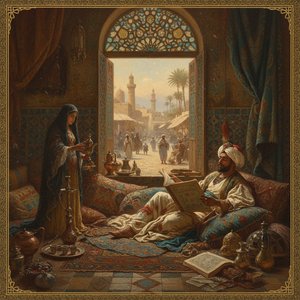
John Frederick Lewis: Orientalism, Detail & Genre Painting in 19th-Century British Art
Explore the captivating Orientalist paintings of John Frederick Lewis! Discover his mastery of detail, genre scenes & influence on 19th-century British art. Learn about his life, techniques & legacy at OriginalUniqueArt.

Watercolor Wonders: 10 Masterpieces That Redefined Art History | OriginalUniqueArt
Journey through 10 legendary watercolor masterpieces by Sargent, Turner & Homer! Explore iconic landscapes, portraits & floral art that redefined history. Find museum-quality reproductions and curated decor ideas at OriginalUniqueArt.com.

Ephemeral Visions: Exploring the Artistic Legacy & Contemporary Practice of Watercolor Painting
Explore the captivating world of watercolor painting! Discover its rich history, essential techniques, influential artists & collecting tips. A comprehensive guide for art enthusiasts from OriginalUniqueArt.

约翰·辛格·萨金特:25幅大师级杰作,点亮您的艺术生活 | OriginalUniqueArt
探索约翰·辛格·萨金特25幅传世杰作!深入了解这位美国印象派大师的肖像画技巧、金色时代风格与艺术故事。OriginalUniqueArt.com提供高品质油画复制品,点亮您的室内设计,打造奢华艺术空间。立即在线探索完整系列!
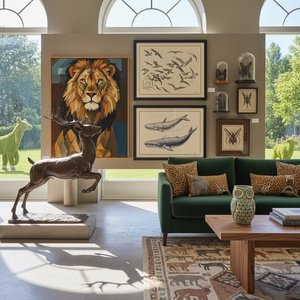
生机勃勃:动物意象在艺术与室内设计中的永恒呈现
探索动物意象在艺术史上的永恒魅力!OriginalUniqueArt.com提供高品质油画复制、定制肖像及室内设计咨询。大师作品还原,个性化创作,点亮您的家居生活。专业团队,值得信赖!

