

 效果预览
效果预览
 分享
分享 分享
分享
 详情
详情

 下载
下载
 相似作品
相似作品 X射线
X射线 幻灯片播放
幻灯片播放 统计数据
统计数据Arab School


 展开详情
展开详情
艺术微喷/版画
博物馆级艺术微喷或帆布版画,制作高效,并提供多种饰面选择。 ( 购买手绘画作 切换至数字图像销售渠道)




P118B $10

P118H $10

P118W $10

P438Z $10

P508JH $12

P508YH $12

P805H $10

P805Z $10

P919BZ $10

P919G $10

P919XJ $10

P959ZH $10

P968JZ $12

W106C $8

W218G $10

W218JH $8

W218Y $10

W307PJ $10

W316G $10

W316PJ $8

W316Y $10

W398PJ $8

W4111J $10

W500HY $15

W500JH $15

W692G $12

W849H $8

W940BG $15

W953PJ $8




从与原作比例一致的预设尺寸中进行选择。

您可以输入自定义尺寸,以适配特定的画框或空间。如果您选择的尺寸与原图比例不符,我们将对作品进行裁剪,或通过镜像填充/纯色填充边缘的方式来扩展图像。在开始制作之前,我们会向您发送一份数字效果图供您确认。
请注意,屏幕上的预览并不能反映实际的裁剪或扩展效果。只有效果图才能准确展示最终的构图。
虽然我们提供定制尺寸,但为了保持原图比例,我们建议您从预设列表中选择尺寸。


 玻璃选项仅适用于110厘米以下的尺寸。

Arab School
艺术微喷/版画
复制品尺寸
-


最终总价
$ 80
A Window Into a World of Grace: John Frederick Lewis’s “Arab School”
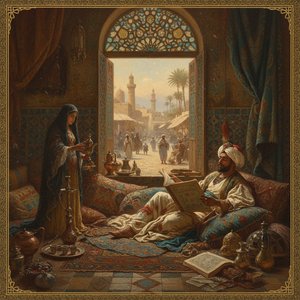
John Frederick Lewis's "Arab School," painted circa 1841-51, isn’t merely a depiction of a classroom; it’s a meticulously crafted portal into the heart of 19th-century Ottoman society. This watercolor and gouache masterpiece, now housed within the Metropolitan Museum of Art in New York City, offers a rare glimpse beyond the often sensationalized portrayals of the Middle East prevalent at the time, revealing instead a scene of quiet learning, dignified respect, and subtle social dynamics. Lewis, an English Orientalist painter who spent over a decade immersed in Cairo’s vibrant culture, possessed a remarkable ability to capture not just the outward appearance but also the underlying atmosphere of his subjects – a skill evident in every brushstroke of “Arab School.”
The painting immediately draws the eye toward the central figure: a man distinguished by his flowing white beard and traditional attire. He’s not a flamboyant scholar, nor is he presented as an exotic spectacle; rather, he embodies authority and wisdom – a respected teacher guiding a young student. His posture, upright and attentive, suggests a dedication to his role, while the boy's focused gaze speaks volumes about the value placed on education within this community. To his right, another individual, seated on the floor, demonstrates a profound respect for the teacher’s words, mirroring the reverence of the central figure. The composition isn’t static; it pulses with an unspoken conversation, a shared moment of intellectual engagement.
Orientalism and the Pursuit of Authenticity
Lewis's work firmly resides within the realm of Orientalist painting – a genre that flourished during the 19th century, fueled by European fascination with the East. However, unlike many of his contemporaries who often relied on stereotypes and romanticized depictions, Lewis sought to portray Middle Eastern life with a remarkable degree of accuracy and sensitivity. His extended sojourn in Cairo allowed him to observe local customs firsthand, master Arabic script, and adopt traditional dress – elements that profoundly influenced his artistic approach. He meticulously documented the architecture, furnishings, and clothing of the region, striving for an authentic representation that moved beyond superficial exoticism.
The inclusion of Arabic calligraphy on the walls of the schoolhouse is a crucial detail, underscoring the importance of literacy and religious learning within this setting. These intricate inscriptions aren’t merely decorative; they serve as a constant reminder of the cultural heritage being imparted to the students. The simple yet elegant design of the room – the worn wooden benches, the muted color palette, the single window framed by dark bars – speaks volumes about the practical realities of life in an Ottoman schoolhouse. It's a scene stripped of grandiosity, focusing instead on the quiet dignity of everyday learning.
Symbolism and Emotional Resonance
Beyond its realistic depiction of daily life, “Arab School” is rich with symbolic meaning. The window, framed by dark bars, subtly hints at the constraints imposed upon Ottoman society – a reminder of the political realities that shaped the lives of its inhabitants. Yet, within this seemingly restrictive environment, there’s an undeniable sense of hope and potential embodied in the faces of the students and teacher. The painting evokes a feeling of serenity and intellectual curiosity, suggesting a space where knowledge is valued and nurtured.
Lewis's masterful use of watercolor – its delicate washes, subtle gradations of color, and luminous effects – perfectly captures the atmosphere of the scene. The light filtering through the window creates a soft, diffused glow, illuminating the faces of the individuals within the room. This careful attention to detail, combined with Lewis’s profound understanding of his subject matter, results in a work that is both visually stunning and emotionally resonant. “Arab School” isn't just a painting; it’s a testament to the power of observation, empathy, and artistic skill – a timeless reminder of the enduring value of education and human connection.
Collecting a Legacy: Reproductions and Beyond
Reproductions of "Arab School" are available through various reputable art dealers and online platforms. When selecting a reproduction, consider the medium (canvas or print) and framing options to ensure it complements your interior design aesthetic. The original’s delicate watercolor technique is best replicated with high-quality archival materials that preserve color accuracy and prevent fading over time. Investing in a faithful reproduction allows you to bring this remarkable work of art into your home, celebrating Lewis's legacy and the rich cultural heritage he so beautifully captured.
艺术家简介
约翰·弗雷德里克·刘易斯:东方主义绘画的一生
约翰·弗雷德里克·刘易斯,一位杰出的英国东方主义画家,于1804年7月14日出生在伦敦。他是克里斯蒂安·刘易斯·弗雷德里克的儿子,后者是一位雕刻家和风景画家。这种家族艺术背景无疑影响了他的早期发展。他的正规训练始于托马斯·劳伦斯爵士的指导下,在那里他与埃德温·兰德西尔等艺术家一起磨练技能。这段基础时期培养了他对技巧和构图的深刻理解。
艺术生涯与发展
刘易斯的艺术生涯经历了几个不同的阶段,每个阶段都以不断变化的风格和主题重点为特征:
- 东方主义时期: 刘易斯踏上了地中海地区的广泛旅行,细致地捕捉其精髓,创作出细节丰富的水彩和油画。他经常重访作品,用多种媒介呈现它们。
- 西班牙与摩洛哥的影响 (1832-1834): 一次前往西班牙和摩洛哥的旅行证明是关键。他制作了许多石版画,后来出版为“阿尔罕布拉素描”(1835) 和 “刘易斯在西班牙的素描与西班牙人的性格”(1836)。
- 埃及时期 (1841-1851): 他在开罗的逗留可以说是他最具成效的时期。在这里,他完善了他的东方主义风格,创作出高度细致的作品,展示了逼真的风俗场景和对埃及上层阶级内部环境的理想化描绘。
代表作品
刘易斯创作了大量以其一丝不苟的细节和引人入胜的气氛而闻名的作品。他最受认可的作品包括:
- 贝都因人 (耶鲁大学英国艺术中心,新港) – 一幅水彩画,体现了他的东方主义风格。
- 底比斯神庙 (耶鲁大学英国艺术中心,新港) – 展示了他对建筑细节的卓越关注。
- 年轻土耳其女子 (耶鲁大学英国艺术中心,新港) – 另一个令人印象深刻的东方主义作品示例。
- 君士坦丁堡的后宫生活 - 一幅细致的油画,描绘了奥斯曼帝国的家庭生活。
影响与艺术风格
刘易斯的风格受到多种因素的影响,最值得注意的是托马斯·劳伦斯爵士对肖像和构图的强调。然而,他对中东文化的直接观察使他能够发展出一种独特的审美特征:
- 一丝不苟的细节: 致力于准确地表现纹理、图案和建筑元素。
- 丰富的色彩调色板: 使用鲜艳的色调,灵感来自他遇到的风景和服装。
- 风俗场景与内部景观: 专注于日常生活和亲密的家庭环境。
遗产与历史意义
刘易斯对艺术世界的贡献在于他在发展东方主义绘画方面发挥了重要作用。他对伊斯兰建筑、家具和服装的细致描绘为该类型内的现实主义树立了新的标准。他帮助向西方观众普及了一种浪漫化但细节丰富的中东愿景。1851年返回英格兰后,他一直创作到1876年8月15日在沃尔顿-翁-泰晤士去世。
他的作品继续被研究和欣赏,因为它具有艺术价值和对 19 世纪东方观念的历史洞察力。

约翰·弗雷德里克·刘易斯
1804 - 1876 , 英国
艺术家简介
- 代表作品:
- 贝都因人
- 底比斯神庙
- 年轻土耳其女子
- 出生地国家: 英国
- 出生地城市: 伦敦
- 出生日期: 1804年7月14日
- 国籍: 英国
- 姓名: 约翰·弗雷德里克·刘易斯
- 影响者: ['托马斯·劳伦斯爵士']
- 艺术运动或风格: 东方主义
- 逝世日期: 1876年8月15日
相关文章

Watercolor Wonders: 10 Masterpieces That Redefined Art History | OriginalUniqueArt
Journey through 10 legendary watercolor masterpieces by Sargent, Turner & Homer! Explore iconic landscapes, portraits & floral art that redefined history. Find museum-quality reproductions and curated decor ideas at OriginalUniqueArt.com.
John Frederick Lewis: Orientalism, Detail & Genre Painting in 19th-Century British Art
Explore the captivating Orientalist paintings of John Frederick Lewis! Discover his mastery of detail, genre scenes & influence on 19th-century British art. Learn about his life, techniques & legacy at OriginalUniqueArt.

约翰·辛格·萨金特:25幅大师级杰作,点亮您的艺术生活 | OriginalUniqueArt
探索约翰·辛格·萨金特25幅传世杰作!深入了解这位美国印象派大师的肖像画技巧、金色时代风格与艺术故事。OriginalUniqueArt.com提供高品质油画复制品,点亮您的室内设计,打造奢华艺术空间。立即在线探索完整系列!

Ephemeral Visions: Exploring the Artistic Legacy & Contemporary Practice of Watercolor Painting
Explore the captivating world of watercolor painting! Discover its rich history, essential techniques, influential artists & collecting tips. A comprehensive guide for art enthusiasts from OriginalUniqueArt.

水彩艺术的流光溢彩:历史渊源、情感共鸣与现代实践
探索水彩艺术的流光溢彩!深入了解其历史渊源、大师技法与现代实践。提供专业的艺术咨询、定制油画服务,助您收藏和鉴赏优秀作品。OriginalUniqueArt.com – 您的艺术之选。