

 效果预览
效果预览
 分享
分享 分享
分享
 详情
详情

 下载
下载
 相似作品
相似作品 X射线
X射线 幻灯片播放
幻灯片播放 统计数据
统计数据Sunset on the Sea


 展开详情
展开详情
艺术微喷/版画
博物馆级艺术微喷或帆布版画,制作高效,并提供多种饰面选择。 ( 购买手绘画作 切换至数字图像销售渠道)




P118B $10

P118H $10

P118W $10

P438Z $10

P508JH $12

P508YH $12

P805H $10

P805Z $10

P919BZ $10

P919G $10

P919XJ $10

P959ZH $10

P968JZ $12

W106C $8

W218G $10

W218JH $8

W218Y $10

W307PJ $10

W316G $10

W316PJ $8

W316Y $10

W398PJ $8

W4111J $10

W500HY $15

W500JH $15

W692G $12

W849H $8

W940BG $15

W953PJ $8




从与原作比例一致的预设尺寸中进行选择。

您可以输入自定义尺寸,以适配特定的画框或空间。如果您选择的尺寸与原图比例不符,我们将对作品进行裁剪,或通过镜像填充/纯色填充边缘的方式来扩展图像。在开始制作之前,我们会向您发送一份数字效果图供您确认。
请注意,屏幕上的预览并不能反映实际的裁剪或扩展效果。只有效果图才能准确展示最终的构图。
虽然我们提供定制尺寸,但为了保持原图比例,我们建议您从预设列表中选择尺寸。


 玻璃选项仅适用于110厘米以下的尺寸。

Sunset on the Sea
艺术微喷/版画
复制品尺寸
-


最终总价
$ 80
A Moment Frozen in Light: John Frederick Kensett’s “Sunset on the Sea”
John Frederick Kensett's "Sunset on the Sea," painted in 1872, isn’t merely a depiction of a coastal scene; it’s an immersion into a profound sense of tranquility and the sublime. Created during a pivotal moment in American art history – the burgeoning Luminist movement – this painting captures a fleeting, almost ethereal quality, reflecting Kensett's deep fascination with capturing the essence of nature’s light and atmosphere. The work speaks to a yearning for connection with the natural world, a sentiment increasingly prevalent as industrialization began to reshape America’s landscape.
Kensett, born in Cheshire, Connecticut, was deeply influenced by the Hudson River School, yet he moved beyond its traditional emphasis on grand vistas and heroic figures. He sought instead to render the quiet beauty of everyday landscapes, often focusing on subtle shifts in light and color. “Sunset on the Sea” exemplifies this shift; it’s a study in atmospheric perspective, where distant elements are rendered in softer hues and diminished detail, creating an illusion of immense depth and space. The artist meticulously observed the effects of light upon water and sky, employing a delicate layering of paint to achieve a luminous quality that seems to emanate from within the canvas itself.
The Language of Light: Technique and Style
Kensett’s technique is characterized by its almost photographic realism, yet tempered with an undeniable sense of romanticism. He utilized thin glazes of color applied in rapid succession – a hallmark of Luminist painting – to build up the image gradually, allowing the colors to blend seamlessly together. The brushstrokes are subtle and delicate, barely perceptible, contributing to the overall impression of stillness and serenity. Notice particularly how he captures the reflection of the sunset on the water; it’s not a literal representation but rather an interpretation of light's transformative power, suggesting movement and fluidity without explicitly depicting waves.
- Color Palette: Dominated by warm oranges, yellows, and pinks, punctuated by cooler blues and purples in the sky.
- Brushwork: Delicate, layered glazes create a luminous effect.
- Composition: Balanced arrangement of elements – the horizon line, the boats, and the sky – contributes to the painting’s sense of harmony.
Symbolism and the Romantic Ideal
Beyond its technical brilliance, “Sunset on the Sea” is rich in symbolic meaning. The setting sun represents not just the end of a day but also the passage of time and the inevitability of change. The two distant boats evoke themes of exploration, adventure, and the human desire to connect with the vastness of nature. The calm sea itself symbolizes peace, tranquility, and perhaps even spiritual contemplation – a retreat from the complexities of urban life.
Kensett’s work aligns perfectly with the Romantic ideals of the 19th century, which emphasized emotion, imagination, and the power of nature to inspire awe and wonder. He wasn't simply painting what he saw; he was conveying a feeling – a profound sense of connection to something larger than oneself.
A Legacy of Serenity: Kensett’s Enduring Appeal
“Sunset on the Sea” remains a powerfully evocative work, resonating with viewers today for its timeless beauty and quiet contemplation. It's a testament to Kensett’s ability to capture not just the appearance of a landscape but also its emotional essence. Reproductions of this painting offer a window into a bygone era, reminding us of the enduring appeal of nature’s serenity and the profound impact that art can have on our souls. Its delicate beauty makes it an ideal addition to any space seeking tranquility and a touch of artistic sophistication.
艺术家简介
生平与艺术启蒙
约翰·弗雷德里克·肯塞特(John Frederick Kensett),美国画家和雕刻家,于1816年3月22日出生在康涅狄格州的切希尔镇。他属于哈得孙河画派的第二代艺术家,其作品以宁静、明亮而著称,颂扬自然崇高的精神境界。肯塞特早年在切希尔学院接受教育,并跟随父亲托马斯·肯塞特学习雕刻技艺。1838年之前,他在纽黑文从事雕刻工作,之后移居纽约市,为银行票据雕刻图案。1840年,肯塞特前往欧洲深造绘画,在班杰明·钱普尼的指导下磨练其才华。这段经历对他后来的艺术风格产生了深远影响,使他逐渐摆脱了传统的雕刻技巧,转向更加注重光影和氛围表现的绘画创作。工作室建立与光辉主义风格
在纽约市建立工作室后,肯塞特广泛游历于东北部地区和科罗拉多落基山脉,捕捉这些壮丽景致的神韵。他的画风从早期的哈得孙河画派传统风格逐渐演变为更加精致的光辉主义(Luminism)手法,其特点是不加修饰的笔触,传达出大气光线的微妙变化和自然界空灵的美感。《华盛顿山谷景》(1851年)是他最具代表性的作品之一,被美国艺术联盟购买并分发给一万三千名订阅者。这幅画作充分展现了肯塞特对光线和色彩的精妙运用,以及他对自然景观深刻的理解。《伊顿颈,长岛》(1872年)是肯塞特光辉主义风格的典范之作,现藏于纽约大都会艺术博物馆。艺术贡献与历史地位
肯塞特是大都会艺术博物馆的创始人之一,同时也是国家设计学院的正式成员。他的作品在其生前广受赞誉,至今仍对风景画创作产生着深远的影响。他不仅是一位杰出的画家,更是一位敏锐的观察者和深刻的思想家,通过其绘画作品,将自然景观的美丽与人类的精神世界紧密联系在一起。肯塞特的作品体现了美国浪漫主义运动对自然的崇尚和对个体情感的关注,也反映了19世纪中期美国社会对风景画日益增长的需求。主要作品及相关艺术家
主要作品:- 《日落天空》(约1870年),纽约大都会艺术博物馆
- 《三英里港》(约1860年),塔拉哈西美术馆
- 托马斯·科尔
- 班杰明·钱普尼

约翰·弗雷德里克·肯塞特
1816 - 1872 , 美利坚合众国
艺术家简介
- Artistic Movement Or Style: 哈德逊河画派 & 光辉主义
- Artists Or Movements Influenced By This Artist: ['光辉主义']
- Artists Who Influenced This Artist:
- 托马斯·科尔
- 本杰明·钱普尼
- Date Of Birth: 1816年3月22日
- Date Of Death: 1872年12月14日
- Full Name: 约翰·弗雷德里克·肯塞特
- Nationality: 美国国籍
- Notable Artworks (List Of Titles):
- 华盛顿山谷景
- 伊顿颈,长岛
- Place Of Birth (City And Country): 康涅狄格州切希尔,美国
相关文章
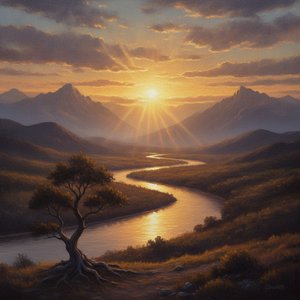
Golden Hour Magic: Capturing the Ethereal Beauty of Sunset Landscapes in Fine Art
Embark on a visual journey through the golden hour. Discover how master painters capture the ethereal glow of sunsets, from Monet's Impressionism to the Hudson River School. Explore timeless techniques and bring the magic of twilight into your home with exquisite fine art reproductions.

John Frederick Kensett: Luminosity, Landscape & the American Identity
Explore the luminous landscapes of John Frederick Kensett, a master of Luminism and key figure in the Hudson River School. Discover his serene paintings & enduring legacy with OriginalUniqueArt.

康斯塔布尔大师之作:25幅传世风景画赏析 | OriginalUniqueArt
探索康斯塔布尔的25幅传世杰作!沉浸于英国田园风光,感受浪漫主义绘画大师的光影与色彩。高清油画复制、艺术品购买尽在OriginalUniqueArt.com,为您的家居增添经典之美。立即在线探索完整系列!

Evocations of Place: A Historical Journey Through Landscape Art
Explore the rich history of landscape art with OriginalUniqueArt. Discover renowned artists, movements like Impressionism & Romanticism, and expert guidance for collecting timeless pieces. Find your perfect serene escape today!

浪漫主义画派的十部巨作:定义风景画的艺术传奇
探索浪漫主义风景画的巅峰!本文精选十部经典名作,带您领略莫奈、库尔贝等大师的艺术魅力。感受色彩与光影的诗意,重温自然风光的震撼。OriginalUniqueArt.com为您提供博物馆级别的艺术复制品和个性化家居装饰方案。尽在OriginalUniqueArt.com!


