实景预览
实景预览
 发送
发送 分享
分享
 详情
详情 指南
指南

 下载图片
下载图片
 相似作品
相似作品 X射线
X射线 幻灯片播放
幻灯片播放 统计数据
统计数据The Hay-Wain
 Acrylic On Canvas
- WallArt
- Romantic Landscape Painting
 1821
1821 130.0 x 185.0 cm
 国家美术馆
国家美术馆
 阅读全文
阅读全文
艺术微喷/版画
博物馆级艺术微喷或帆布版画,制作高效,并提供多种饰面选择。 ( 订购此收藏品的纯手工复刻画作 切换至数字图像销售渠道)




P118B ¥10

P118H ¥10

P118W ¥10

P438Z ¥10

P508JH ¥12

P508YH ¥12

P805H ¥10

P805Z ¥10

P919BZ ¥10

P919G ¥10

P919XJ ¥10

P959ZH ¥10

P968JZ ¥12

W106C ¥8

W218G ¥10

W218JH ¥8

W218Y ¥10

W307PJ ¥10

W316G ¥10

W316PJ ¥8

W316Y ¥10

W398PJ ¥8

W4111J ¥10

W500HY ¥15

W500JH ¥15

W692G ¥12

W849H ¥8

W940BG ¥15

W953PJ ¥8




您可以从与原作比例一致的预设尺寸中进行选择。

请输入您所需的宽度和高度,以适配您的画框或墙面。由于印刷品只能进行裁剪,无法超出原图尺寸,因此若比例不一致,画面的一部分将会被裁切。在正式印刷之前,我们会为您发送一份数字效果图供您确认。本页面显示的图片并非最终裁剪后的效果——只有效果图才能展示真实的裁剪情况。


 玻璃选项仅适用于110厘米以下的尺寸。

The Hay-Wain
艺术微喷/版画
复刻品尺寸说明
-


总计金额
¥ 537
A Symphony of Light and Landscape: Exploring Constable’s “The Hay Wain”
John Constable's "The Hay Wain," completed in 1821, transcends mere depiction; it embodies the very spirit of Romantic England. Painted during a period marked by burgeoning scientific inquiry yet profoundly influenced by emotion and imagination—a tension that defines the era—this monumental canvas captures not just a picturesque riverside scene but also an intangible feeling of tranquility and connection to nature. It’s a painting that speaks volumes about its time, reflecting the Victorian fascination with rural idylls and subtly hinting at anxieties surrounding industrialization's encroaching influence.- Subject Matter: The artwork portrays a quintessential English landscape – a section of the River Stour winding through Dedham Vale, Suffolk. At its heart is a barge laden with hay, pulled by two horses, symbolizing prosperity and agricultural labor. Scattered figures add to the narrative, representing human interaction within this serene environment.
- Style: Constable’s style firmly establishes itself as Romanticism. Rejecting Neoclassical formalism, he prioritizes expressive brushwork and tonal gradation—techniques borrowed heavily from Claude Lorrain—to convey atmospheric conditions with remarkable accuracy. The artist strives to capture not just what the eye sees but also what it feels; a palpable sense of coolness descends upon the viewer as Constable skillfully renders the misty morning light.
- Technique: Constable employed an innovative layering technique known as ‘wet-on-wet,’ applying paint while it was still wet, allowing colors to blend seamlessly and creating luminous effects that defy conventional representation. This method—a deliberate departure from academic conventions—was painstakingly executed over several months, resulting in a textured surface that vibrates with subtle variations of hue and tone.
Historical Context: The Victorian Embrace of Nature
“The Hay Wain” arrived at a pivotal moment in British history. Following the Industrial Revolution’s transformative impact on society, there was a growing movement toward valuing rural life and appreciating the beauty of unspoiled landscapes. Artists like Constable responded to this cultural shift by championing the sublime—the awe-inspiring grandeur of nature that inspires contemplation and elevates the human spirit. The painting served as an emblem of this aesthetic ideal, resonating deeply with Victorian sensibilities and solidifying Constable’s reputation as a visionary artist.Symbolism: More Than Meets the Eye
Beyond its immediate visual appeal lies a rich tapestry of symbolism. The hay wagon itself represents fertility and abundance—a cornerstone of rural prosperity—while the horses embody strength and vitality. The misty atmosphere contributes to an overarching mood of melancholy, hinting at the passage of time and the ephemeral nature of beauty. However, Constable’s masterful use of light – particularly the diffused glow emanating from the distant hills – symbolizes hope and spiritual illumination, suggesting that even amidst darkness, there remains a radiant core of goodness.Emotional Impact: A Moment Frozen in Time
“The Hay Wain” continues to captivate audiences today precisely because it succeeds in conveying an unparalleled emotional resonance. Constable’s ability to capture the essence of a particular moment—the stillness before dawn, the quiet contemplation of the natural world—transcends stylistic conventions and speaks directly to our deepest instincts. Viewing this reproduction allows one to reconnect with the Romantic spirit, experiencing firsthand the profound beauty and contemplative power that defined an era and cemented Constable’s legacy as one of England's greatest landscape painters.问答详情
"The Hay-Wain" 是何时以及使用什么材料创作的?
"The Hay-Wain"创作于1821年,采用Acrylic On Canvas技法。
康斯塔勃尔 的《The Hay-Wain》 的创作日期是哪一年?
康斯塔勃尔 的《The Hay-Wain》 的创作年份为 1821。
"The Hay-Wain" 是 康斯塔勃尔 最受欢迎的作品之一吗?
康斯塔勃尔 的《The Hay-Wain》 的记录热度为 Iconic。
艺术家简介
约翰·康斯塔布尔:英国田园画的诗意灵魂
约翰·康斯塔布尔,生于1776年的萨福克郡伊斯特·伯格霍尔特村,并非仅仅是一位风景画家,更是一位土地的诗人。他以无与伦比的情感深度,将微妙的心情和持久的美丽转化为画布上的景象。他的父亲,一位富有的玉米商人,拥有德代姆河谷以及沿斯托河运行的磨坊,不仅提供了经济保障,也为康斯塔布尔的艺术生涯奠定了主题基础。这种早期的沉浸在乡村世界中——缓慢的农业生活节奏、田野和水面上的不断变化的灯光、自然细节的亲密接触——深深地刻在他的感性之中。尽管最初被期望继承父亲的事业,但对艺术日益增长的热情,以及受到像乔治·博蒙特这样的当地赞助人的培养,他向他们展示了克劳德·洛林的作品,最终将他引向了一条不同的道路。康斯塔布尔的艺术之旅并非一蹴而就;它是一个逐渐展开的过程,塑造于细致的观察和持久地捕捉不仅是什么看到,而是身处景观中感觉如何的愿望。打破传统:一种新的自然视角
康斯塔布尔的艺术发展标志着对既定学术惯例的明确拒绝。他对皇家学院所偏爱的理想化且常常戏剧化的风景画不满意,他反而寻求以个人情感注入的自然真实表现。他并不感兴趣于宏大的历史叙事或神话场景;他的重点始终坚定地落在周围熟悉的乡村上。这种致力于描绘普通主题——干草车、农舍、村庄生活——最初受到了评论家的抵制,他们认为他的作品过于平庸且缺乏雄心壮志。然而,康斯塔布尔坚持了下来,怀着一种信念,即美存在于日常生活中。他开创了“原位绘画”的技术,走出户外直接观察和捕捉光线和天气的短暂效果。这种与自然的直接参与使他能够将画布注入前所未见的即时性和活力。他的笔触变得越来越松散和富有表现力,运用厚涂——颜料的厚层——来创造纹理并传达运动感和氛围感。他不仅仅是在记录他所看到的东西;他正在将他对土地的情感反应转化为视觉形式。标志性作品与持久的影响
康斯塔布尔最著名的作品是其独特愿景的见证。《干草车》(1821年),也许是他最广为人知的画作,描绘了斯托河畔典型的田园场景,捕捉了农业生活的宁静和和谐。 《哈德利城堡》(1829年)展示了他对光线和大气效果的戏剧性运用,将一座摇摇欲坠的废墟变成了一种时光流逝的有力象征。《萨里斯伯里大教堂从草地上》(1831年)系列作品展示了他唤起不同情绪和一天中不同时间的能力,揭示了教堂作为自然景观不可分割的一部分。 《内特利修道院》(1824年),以其对人类创造与乡村荒野之美相结合的引人入胜的描绘,体现了他的技能。《干草车》于1821年展出时,是他在皇家学院展出的六幅大型作品之一,这些作品采用了全尺寸的准备油画素描过程。这有助于他协调图案、平衡色彩、光线和阴影,同时保留了他较小绘画中的新鲜感。尽管在英格兰最初面临斗争以获得认可,康斯塔布尔在法国获得了相当大的赞誉,他的创新技术和情感深度与寻求对自然采取更现实主义方式的艺术家产生了共鸣。他深刻地影响了巴比松画派,这是一个分享他对原位绘画和直接观察自然的承诺的法国画家群体。情感共鸣的遗产
约翰·康斯塔布尔的历史意义不仅在于他的艺术创新,还在于他对风景画发展产生的深远影响。他挑战了学术惯例,提升了普通主题的地位,并为一种更个人化和富有表现力的艺术方法铺平了道路。他对直接观察、大气效果和自然真实表达的强调预示了后来印象派画家所关注的许多问题。 他证明了风景可以成为深刻情感表达的载体,能够唤起怀旧、宁静和敬畏之情。 尽管他一生中大部分时间面临经济困难,并且于1837年相对年轻地去世,但他的遗产依然存在。 今天,康斯塔布尔被誉为英国最伟大的艺术家之一,他的画作继续以其美丽、真诚和持久的力量吸引着观众。 他的作品是对人类与自然世界之间深刻联系的有力提醒,以及艺术捕捉其本质的变革潜力。个人生活与最后岁月
康斯塔布尔的个人生活既有欢乐也有悲伤。他于1816年娶了玛丽亚·比克内尔,他们育有七个孩子,但令人遗憾的是其中几个没有活过婴儿期。 婚姻为他提供了情感支持,但也带来了经济压力。 1829年当选为皇家艺术院士后,他仍然面临着一些方面的批评,特别是关于他的非常规技术。 在妻子健康状况恶化并于1828年去世的阴影下,他的后期岁月受到了影响,这是一个深深地打动了他的事件。 尽管面临这些困难,康斯塔布尔仍然致力于自己的艺术,直到他在1837年3月31日去世时继续绘画。 他留下了丰富的艺术遗产——对捕捉英国乡村之美和情感共鸣的不懈承诺的证明。 他的画作仍然是令人难忘的时代的回忆,邀请观众通过他独特的敏感眼睛体验景观。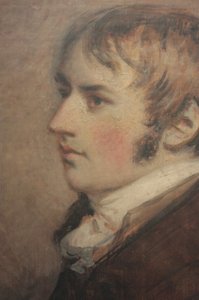
康斯塔勃尔
1776 - 1837 , 英国
快速概览
- 全名: 约翰·康斯塔布尔
- 出生地点: 英国萨福克郡伊斯特贝格霍尔特
- 出生日期: 1776年6月11日
- 去世日期: 1837年3月31日
- 受影响的艺术家或运动: ['巴比松画派']
- 国籍: 英国
- 影响艺术家: ['克劳德·洛林']
- 艺术流派或风格: 浪漫主义
- 著名作品:
- 《干草车》
- 《哈德利城堡》
- 《索尔兹伯里大教堂》
- 《内特利修道院》
相关文章

浪漫主义画派的十部巨作:定义风景画的艺术传奇
探索浪漫主义风景画的巅峰!本文精选十部经典名作,带您领略莫奈、库尔贝等大师的艺术魅力。感受色彩与光影的诗意,重温自然风光的震撼。OriginalUniqueArt.com为您提供博物馆级别的艺术复制品和个性化家居装饰方案。尽在OriginalUniqueArt.com!

约翰·辛格·萨金特:25幅大师级杰作,点亮您的艺术生活 | OriginalUniqueArt
探索约翰·辛格·萨金特25幅传世杰作!深入了解这位美国印象派大师的肖像画技巧、金色时代风格与艺术故事。OriginalUniqueArt.com提供高品质油画复制品,点亮您的室内设计,打造奢华艺术空间。立即在线探索完整系列!

康斯塔布尔大师之作:25幅传世风景画赏析 | OriginalUniqueArt
探索康斯塔布尔的25幅传世杰作!沉浸于英国田园风光,感受浪漫主义绘画大师的光影与色彩。高清油画复制、艺术品购买尽在OriginalUniqueArt.com,为您的家居增添经典之美。立即在线探索完整系列!
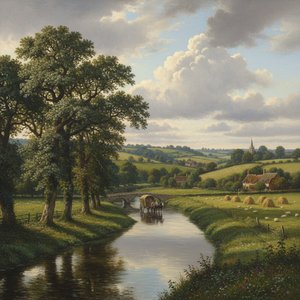
John Constable: Nature, Light & the Romantic Vision of Rural England
Explore the life & art of John Constable, the Romantic painter who revolutionized landscape with emotive scenes of rural England. Discover his techniques, legacy, and key works – perfect for collectors & enthusiasts.

Cultivating Visions: A Historical Journey Through Rural Landscapes in Art
Explore the rich history of rural landscape painting with OriginalUniqueArt. Discover Impressionist masterpieces, key artists & movements. Find your perfect serene artwork and bring nature's beauty home.